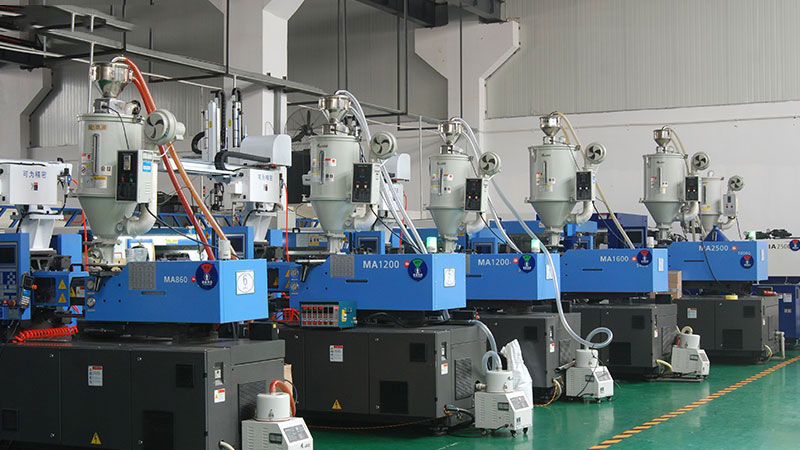
For overseas buyers, procuring a custom injection mold from China represents a significant opportunity to achieve cost efficiency and rapid production scalability. However, the journey from concept to a perfect, high-volume production tool is fraught with potential pitfalls. The core challenge is not merely finding a China mold factory, but systematically identifying the best partners and implementing ironclad quality control protocols. This guide for 2026 cuts through the noise, providing a professional framework to secure a superior custom injection mold that meets exact specifications, timelines, and budgetary goals.
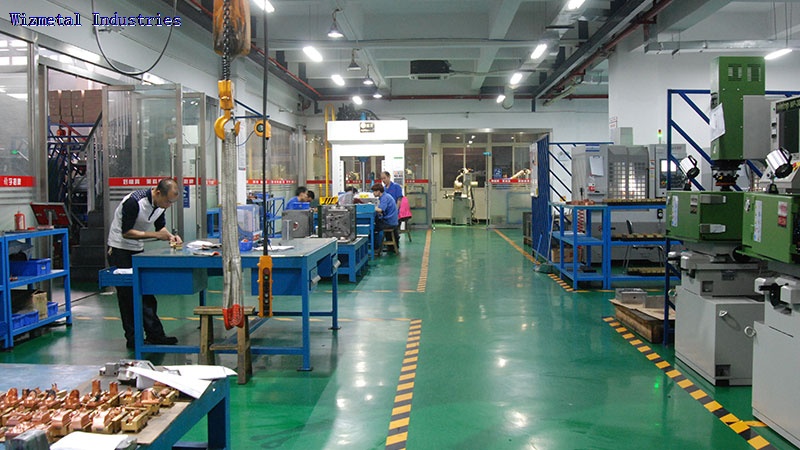
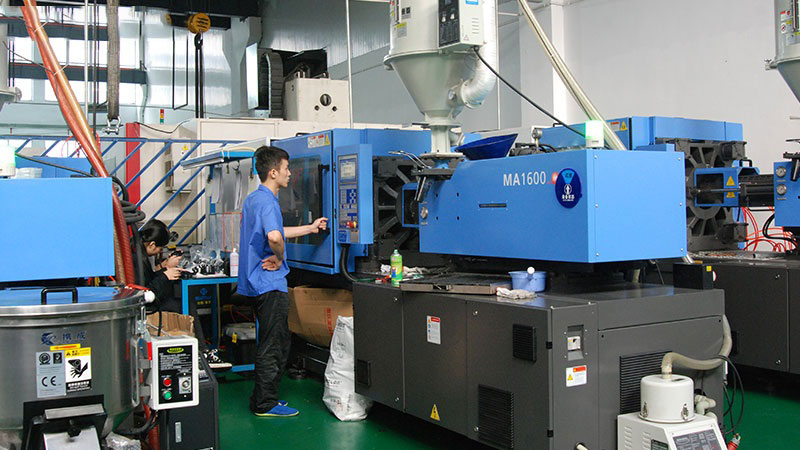
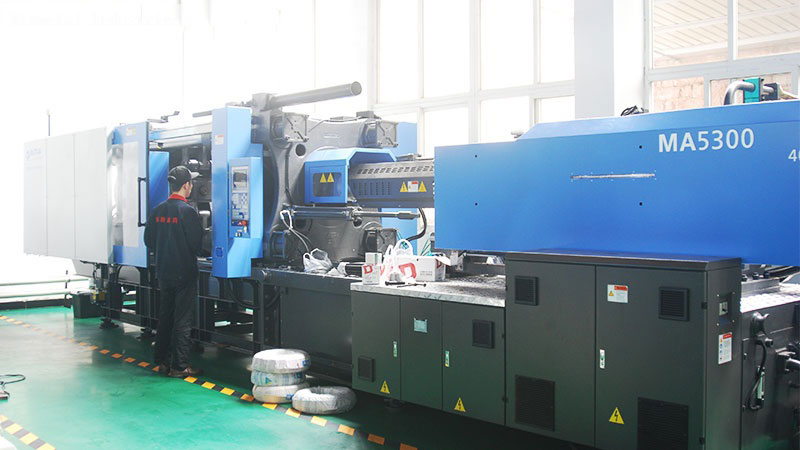
The foundation of a successful procurement project lies in rigorous supplier verification. Moving beyond basic Alibaba listings is crucial for a critical component like a custom injection mold. Start by defining your project’s non-negotiable parameters: mold life expectancy (number of shots), material (e.g., P20, H13, stainless steel), cavity count, and tolerance requirements. Use these specifications to filter potential partners. The best suppliers will have a demonstrable portfolio in your industry, whether automotive, medical, consumer electronics, or packaging. Verify business licenses and export history, but go deeper. Request virtual or recorded factory tours focusing on their mold shop—look for modern CNC, EDM, and deep-hole drilling machines. A dedicated quality control room with CMMs, profile projectors, and mold testers is a strong positive indicator. In 2026, a reliable partner will also be transparent about their supply chain for premium steel and standard components, mitigating future risks.
Once a shortlist is established, the technical review and quotation process becomes your primary due diligence tool. A professional China mold factory will provide a detailed, itemized quotation, not just a bottom-line price. Scrutinize this document. It should break down costs for design, mold base material, core/cavity steel, hot runner system brand, and individual machining processes. Be wary of quotes that seem abnormally low; they often signal the use of inferior materials or outdated machining techniques that will compromise mold life and part quality. Initiate a technical discussion with their engineering team. Present your 3D part file and discuss potential challenges—undercuts, wall thickness variations, gate locations, and ejection. Their ability to offer proactive Design for Manufacturability (DFM) feedback is a key differentiator. A supplier that blindly accepts your design without expert input may lack the necessary experience, leading to costly revisions later.
Securing the order is just the beginning; proactive quality control is what separates successful projects from failures. For a custom injection mold, QC must be integrated throughout the entire manufacturing process, not just as a final inspection. Demand a staged inspection plan with documented evidence at critical milestones. These typically include: a) Steel material certification, b) Review of mold flow analysis (if applicable), c) Inspection of the finished mold cavity and core (using CMM reports and surface finish measurements), and d) a First Article Inspection (FAI) from the initial sample shots using your production-grade material. For overseas buyers, partnering with a reputable third-party inspection company in China for at least the final mold trial and sample approval is a highly recommended investment. They act as your eyes on the ground, verifying dimensions, functionality, and part quality against the agreed-upon Product Specification Document.
The final validation phase—the mold trial (T1) and sample approval—is your last line of defense. Insist on a formal mold trial report with high-resolution photos and videos of the mold in operation and the resulting parts. The report must document process parameters (injection speed, pressure, temperatures), cycle time, and any issues encountered. Carefully evaluate the sample parts not just for dimensions, but for cosmetic defects like sink marks, weld lines, and gloss consistency. Clear communication is vital here. Provide precise, written feedback. A professional supplier will address all concerns and provide revised samples until the parts are perfect. Before shipment, confirm the mold’s completeness: spare parts, water line diagrams, and full certification packages should be included. For 2026 and beyond, leading suppliers are also offering digital twins and maintenance data packages, adding long-term value to your procurement.
In conclusion, importing a high-quality custom injection mold from China in 2026 is a highly strategic process that rewards diligence and structured partnership. The pathway to success is built on moving beyond price-centric searches to a capability-focused supplier verification process. It requires leveraging detailed technical reviews to assess expertise, and most critically, implementing a multi-stage quality control regimen that oversees the mold from raw steel to first article part. By adopting this professional framework, overseas buyers can confidently navigate the market, transforming the complexity of offshore procurement into a reliable competitive advantage. The goal is to establish not a one-time transaction, but a long-term manufacturing partnership with a China mold factory that delivers consistent precision, durability, and value for years to come.
Work With Us
As a professional China mold manufacturer, we provide one-stop mold solution for overseas buyers.
📞 Phone: +86-18605944639
💬 WhatsApp: +8618605944639
🌐 Website: bestmoldworks.com
📧 Email: [email protected]