Blog

  • create custom moulds: Complete Procurement Guide 2026

    For overseas buyers, the decision to create custom moulds in China represents a significant strategic advantage, offering unparalleled cost efficiency and manufacturing scalability. However, navigating this complex landscape requires more than just finding the lowest quote. The journey from concept to a high-quality, production-ready mold involves meticulous planning, supplier vetting, and process management. This guide for 2026 is designed to cut through the noise, providing you with a professional, actionable framework to procure injection molds successfully, mitigate risks, and build a profitable partnership with a reliable China mold factory.

    The cornerstone of a successful project is a perfectly clear and comprehensive technical package. Ambiguity at this stage is the primary source of cost overruns, delays, and substandard tooling. Before you even begin supplier outreach, invest time in finalizing your product design for manufacturability (DFM). Your package must include not just 3D CAD files (STEP or IGS formats are preferred), but also detailed 2D drawings with critical dimensions, tolerances, surface finish specifications (SPI standards), and material selection for the final plastic part. Furthermore, specify your expected production volume, which directly influences the mold’s steel grade and hardening requirements. A 500,000-shot mold differs vastly from one for 5 million shots. Providing this level of detail empowers potential suppliers to give accurate, comparable quotations and demonstrates your professionalism, setting the stage for a serious collaboration.

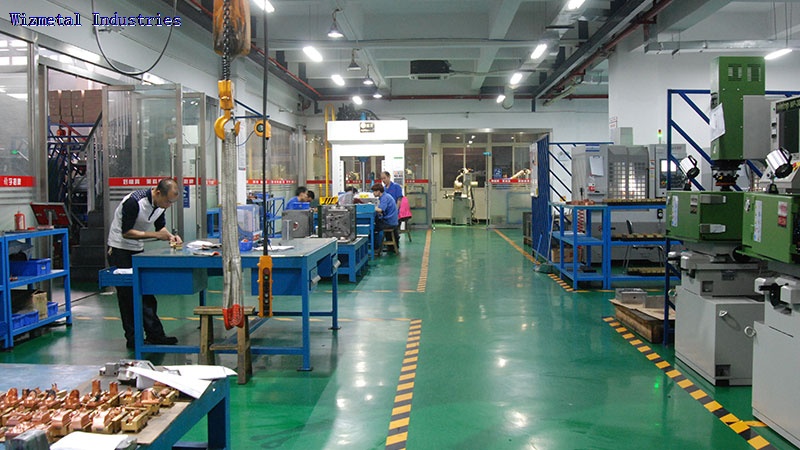
    With a solid RFQ package, the next critical phase is rigorous supplier verification. The term “China mold factory” encompasses a vast spectrum, from small workshops to highly automated, technologically advanced enterprises. In 2026, due diligence goes beyond Alibaba storefronts. Start by verifying business licenses and export credentials. Then, leverage video calls to conduct virtual factory tours; insist on seeing their machining centers (EDM, CNC), mold trial workshops, and quality control labs. Request and contact references from their existing overseas clients, specifically those in your region or industry. Crucially, assess their engineering capability. A proficient partner will proactively provide DFM feedback on your package, suggesting gate locations, ejection schemes, and cooling line optimization to improve part quality and cycle time. This engineering dialogue is a key indicator of a partner who adds value rather than just executing orders.

    The procurement process itself demands a structured approach to contracts and communication. A detailed purchase order or contract should itemize all critical elements: mold steel brand and hardness (e.g., P20, H13, S136), cavity and core life expectancy, delivery timeline with milestones (design approval, T1 sample), payment terms (e.g., 50% deposit, 40% pre-shipment, 10% after sample approval), and most importantly, the ownership and transfer of all design and mold intellectual property. Establish a single point of contact for technical discussions and another for project management. Use shared platforms for tracking progress. Schedule regular update meetings to review design drawings, steel material certificates, and pre-assembly photos. This transparent, documented process prevents misunderstandings and ensures both parties are aligned throughout the tooling phase.

    No guide to create custom moulds is complete without emphasizing robust, multi-stage quality control. Your involvement cannot end at placing the order. Insist on First Article Inspection (FAI) reports and dimensional results from the initial T1 sample shots. The gold standard is to engage a third-party quality inspection firm within China to conduct pre-shipment mold audits. They will verify mold dimensions, material conformity, hardness, surface polish, and functionality on a press. For critical projects, plan to be present for the final sample trial at the factory. This allows you to approve part quality, cycle time, and discuss any minor adjustments face-to-face. Remember, the goal is to sign off on a mold that is not just mechanically sound but is optimized for stable, efficient production in your own facility, minimizing downtime and waste.

    Finally, view this procurement as the foundation of a long-term partnership. A successfully commissioned mold is just the beginning. Discuss post-sales support, warranty periods for workmanship and materials (typically 12-18 months), and their policy on mold maintenance and repair. A reliable supplier will offer guidance on optimal molding parameters and maintenance schedules. This ongoing relationship is invaluable for future projects, spare parts, or modifications. It transforms a transactional cost center into a strategic extension of your manufacturing capability.

    In conclusion, procuring custom injection molds from China in 2026 is a highly viable strategy for achieving competitive advantage, provided it is executed with diligence and strategic partnership in mind. By mastering the steps of precise technical specification, thorough supplier verification, structured procurement, and uncompromising quality control, you transform a complex international endeavor into a predictable and profitable process. The journey to create custom moulds overseas is ultimately about building bridges of trust and technical excellence with your chosen China mold factory, securing not just a tool, but a cornerstone of your product’s quality and market success for years to come.

    Work With Us

    As a professional China mold manufacturer, we provide one-stop mold solution for overseas buyers.
    📞 Phone: +86-18605944639
    💬 WhatsApp: +8618605944639
    🌐 Website: bestmoldworks.com
    📧 Email: [email protected]
  • custom plastic molding parts manufacturers: Complete Pr 2026

    For overseas buyers, sourcing custom plastic injection molded parts from China remains a strategic move for cost-efficiency and scalable manufacturing. However, the landscape is evolving rapidly. Success in 2026 demands more than just finding the lowest quote; it requires a sophisticated, process-driven approach to procurement and partnership. This guide cuts through the noise to provide a complete, actionable framework for engaging with custom plastic molding parts manufacturers in China, ensuring you secure not only competitive pricing but also unwavering quality, reliability, and innovation.

    The cornerstone of a successful import project is selecting the right China mold factory. This begins with moving beyond basic online directories. Utilize professional B2B platforms like Made-in-China or Global Sources, but prioritize suppliers with verified transaction records and detailed process documentation. A critical first filter is to assess their core competency: do they specialize in your industry’s part complexity, material science, and volume requirements? Once a shortlist is formed, initiate a technical dialogue. Present a clear RFQ (Request for Quotation) package including 3D drawings (STEP or IGS format), material specifications, expected annual volumes, and critical-to-quality dimensions. The responsiveness and depth of questions from the manufacturer at this stage are telling. A reputable partner will query design for manufacturability (DFM), suggest material alternatives for cost/performance, and clarify tolerance expectations rather than simply providing a price.

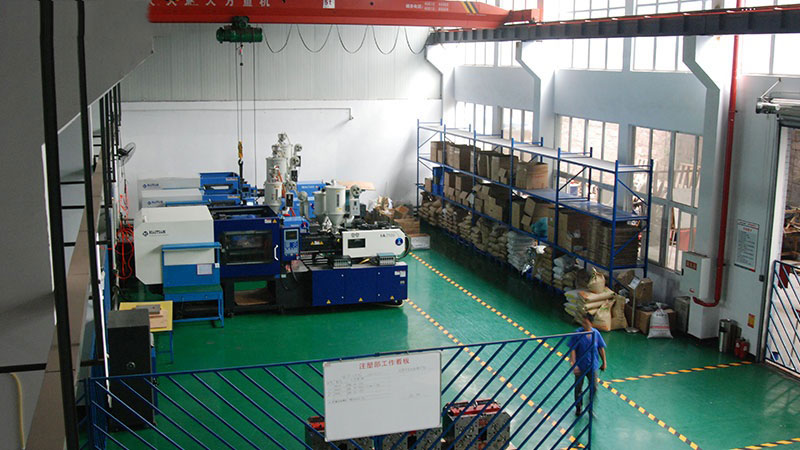
    After identifying a potential partner, rigorous supplier verification is non-negotiable. In 2026, virtual audits have become highly sophisticated and are a minimum standard. Demand a live video tour of the production floor. Focus on their mold maintenance area, injection molding machines (note brands and tonnage), and quality lab. Key questions must address their mold flow analysis process, how they handle design changes, and their protocol for first article inspection. Crucially, verify their export experience by requesting contactable references from existing overseas clients. Furthermore, insist on understanding their internal quality management system. Certifications like ISO 9001:2015 are a baseline; IATF 16949 is essential for automotive parts. This step separates true custom plastic molding parts manufacturers from trading companies or workshops lacking in-house engineering capability, fundamentally de-risking your project before any contract is signed.

    The heart of the transaction is the injection mold itself—a significant capital investment. A detailed, legally sound technical agreement is your primary safeguard. This contract must explicitly define mold ownership, which should unequivocally remain with you, the buyer. It should specify the mold steel grade (e.g., pre-hardened 718, H13 for high-volume), expected lifespan in shots, and include provisions for mold design review and approval at each stage. Crucially, the agreement must outline the sampling process. Expect and pay for a T1 sample mold trial, with samples thoroughly inspected against agreed-upon dimensional reports (usually from a CMM). The contract should state that production cannot commence until you provide written sample approval. This phase is where problems are solved cost-effectively, preventing costly mass production errors.

    With an approved mold, proactive quality control transitions from a checkpoint to a continuous process. Do not rely solely on the manufacturer’s final inspection. Implement a multi-layered QC strategy. For initial production runs, consider hiring a third-party inspection company in China for an on-site During Production Inspection (DUPRO) or Final Random Inspection. This provides an unbiased assessment of product consistency, packaging, and documentation. As the partnership matures, establish clear Key Performance Indicators (KPIs) such as a Parts Per Million (PPM) defect rate and on-time delivery percentage. Modern manufacturers should provide real-time production monitoring or regular digital reports. Building a transparent relationship where quality data is shared openly fosters continuous improvement and aligns both parties towards zero-defect goals, securing a reliable supply chain for years to come.

    Mastering logistics and fostering a strategic partnership are the final pillars for 2026. Clearly negotiate Incoterms—FOB is commonly preferred as it gives you control over shipping and insurance. Understand all cost breakdowns: mold cost, piece-part price, and any tooling maintenance fees. For long-term projects, discuss consignment stock or vendor-managed inventory models to reduce your lead times. View your chosen China mold factory not as a mere vendor but as a manufacturing extension of your own company. Schedule regular strategic reviews, invest in joint process optimization, and consider them in your new product development cycle early for DFM input. This collaborative approach unlocks innovation and ensures your supply chain is resilient, adaptive, and competitive.

    In conclusion, procuring from custom plastic molding parts manufacturers in China in 2026 is a discipline of due diligence, clear communication, and partnership management. The complete procurement journey—from targeted supplier discovery and rigorous verification to meticulous contract management and embedded quality control—transforms the inherent complexities of overseas sourcing into a formidable competitive advantage. By implementing this structured approach, you secure more than just components; you build a capable, responsive manufacturing partnership that delivers consistent value, quality, and innovation, driving your product’s success in the global marketplace.

    Work With Us

    As a professional China mold manufacturer, we provide one-stop mold solution for overseas buyers.
    📞 Phone: +86-18605944639
    💬 WhatsApp: +8618605944639
    🌐 Website: bestmoldworks.com
    📧 Email: [email protected]
  • plastic mould manufacturers china: Ultimate Guide for 2026

    For businesses worldwide, sourcing from plastic mould manufacturers in China remains a strategic move for achieving competitive advantage. The combination of advanced manufacturing capabilities, extensive supply chains, and cost efficiency is compelling. However, navigating this landscape, especially from overseas, presents distinct challenges. This guide for 2026 cuts through the noise to provide a professional, actionable roadmap for your procurement journey, helping you mitigate risks and secure a reliable, high-quality injection mold supply.

    Mastering the Initial Search and Supplier Verification Process

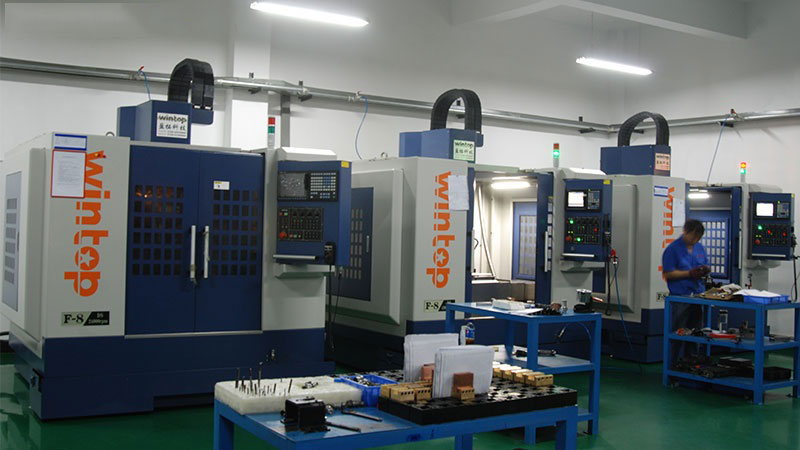
    The first step is moving beyond basic directories. While platforms like Alibaba are starting points, 2026 demands a more nuanced approach. Begin by identifying specialized industrial zones; regions like Ningbo, Dongguan, and Shenzhen are hubs for precision mold making. Use specific keyword combinations like “precision injection mold factory” or “automotive plastic mold China” in your searches. The critical phase that follows is rigorous supplier verification. This extends beyond checking business licenses. Request a detailed company profile, insist on a virtual or recorded factory tour to assess machinery (look for Swiss or Japanese CNC, EDM, and CMMs), and investigate their portfolio for projects similar in complexity and industry to yours. A key question for 2026 is their adoption of Industry 4.0 practices, which speaks to process control and data transparency. Always cross-reference their existence on professional B2B platforms and, if possible, seek independent reviews from past international clients.

    Navigating Technical Communication and Design for Manufacturability (DFM)

    Clear technical communication is your strongest shield against costly errors. When engaging with a China mold factory, assume nothing. Provide not just a 3D model (STEP or IGS format is standard), but a comprehensive technical datasheet. This should include part material specifications, critical dimensions and tolerances (using GD&T standards), surface finish requirements (SPI standards), and expected annual volumes. Expect and require a formal Design for Manufacturability (DFM) report. A competent manufacturer will analyze your design and suggest modifications to improve mold flow, reduce stress, simplify ejection, and ultimately lower cost and increase mold longevity. This collaborative review, often done over video conference with shared screens, is where a good supplier proves their value. It resolves ambiguities before steel is cut, saving time and budget.

    Implementing Robust Quality Control and Inspection Protocols

    Quality control cannot be an afterthought; it must be contractually integrated from the outset. Define acceptance criteria clearly. For injection molds, this typically involves First Article Inspection (FAI) reports, dimensional reports from CMM measurements, and material certifications for the mold steel (e.g., 718, P20, S136). Specify the inspection equipment to be used. For 2026, consider mandating mold flow analysis simulation results before manufacturing begins, as this predicts filling issues and warpage. For the final approval, there are three primary inspection stages: 1) Trial shots at the manufacturer’s facility (you or your agent should be present or receive comprehensive video documentation), 2) Pre-shipment inspection of the physical mold, and 3) Sampling inspection of mass-produced parts from the initial production run. Engaging a reputable third-party inspection company within China for stages 1 and 2 provides an objective layer of security, especially for high-value tools.

    Strategic Procurement: Contracts, Logistics, and Long-Term Partnership

    The commercial and legal framework is as important as the technical one. A detailed proforma invoice (PI) and purchase contract should cover: total cost breakdown (mold cost, unit part price, tooling amortization if applicable), payment terms (e.g., 50% deposit, 40% after T1 sample approval, 10% before shipment), intellectual property (IP) ownership clauses, warranty period for the mold (typically 12-24 months against workmanship and material defects), and liability terms. Discuss logistics upfront—who handles export declaration, shipping, and insurance? Incoterms 2020 (like FOB or EXW) must be mutually understood. View successful procurement as the foundation for a partnership. A reliable Chinese mold manufacturer becomes an extension of your R&D and production team. Transparent communication, fair dealing, and consistent order volumes can lead to prioritized service, better pricing on future projects, and collaborative problem-solving, turning a one-time purchase into a sustained competitive asset.

    Conclusion

    Importing molds from China in 2026 is a process that rewards diligence, clear communication, and strategic partnership. By methodically executing supplier verification, embracing collaborative DFM, enforcing stringent quality control protocols, and solidifying agreements with clear contracts, overseas buyers can successfully tap into China’s manufacturing excellence. The goal is to transform the inherent complexity of international procurement into a streamlined, reliable channel for high-quality injection molds. By following this guide, you position your business not just to find a supplier, but to build a supply chain partnership that delivers quality, value, and innovation for years to come.

    Work With Us

    As a professional China mold manufacturer, we provide one-stop mold solution for overseas buyers.
    📞 Phone: +86-18605944639
    💬 WhatsApp: +8618605944639
    🌐 Website: bestmoldworks.com
    📧 Email: [email protected]
  • injection moulding factory: Professional Buying Guide 2026

    Importing molds from China remains a strategic move for businesses worldwide seeking competitive manufacturing advantages. However, the landscape is evolving rapidly. For the overseas buyer in 2026, success hinges on moving beyond simple price comparisons to a nuanced, professional procurement strategy. This guide is designed to cut through the noise and provide actionable, current insights for partnering with a reliable injection moulding factory in China. We will focus on the critical steps of supplier verification, communication, quality control, and logistics to ensure your project’s success from concept to delivery.

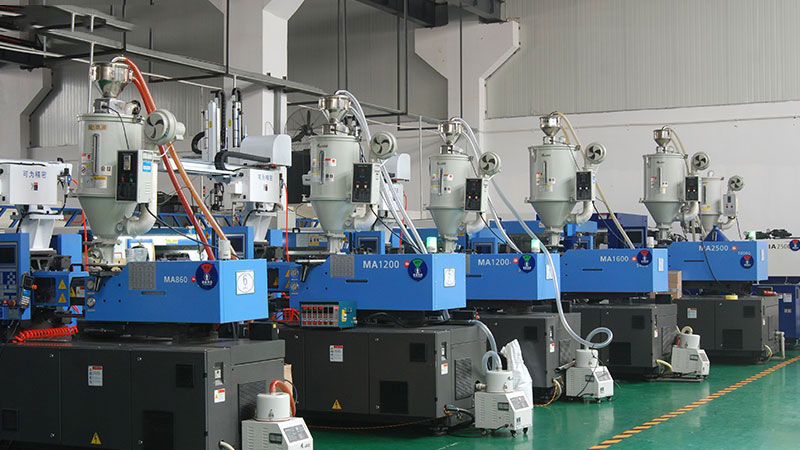
    The cornerstone of a successful import project is rigorous supplier verification. The term “China mold factory” encompasses a vast spectrum, from highly automated facilities to smaller workshops. Your first task is to differentiate. Begin by scrutinizing digital footprints. A professional injection moulding factory will have a detailed website showcasing engineering capabilities, machinery lists like Haitian or Engel presses, and client case studies. Utilize third-party verification platforms common in B2B commerce to check business licenses and export credentials. However, in 2024, due diligence must go deeper. Request a virtual factory tour via video call; this is now a standard expectation. Observe workshop organization, machinery conditions, and safety protocols. Ask for specific examples of molds they have built for overseas clients in your industry, and request contact information for references. This proactive verification filters out non-serious players and aligns you with partners possessing the technical competency your project demands.

    Once a potential partner is identified, mastering technical communication and project specification becomes paramount. Ambiguity here is the primary cause of cost overruns and delays. Your Request for Quotation should be a comprehensive document. Beyond part drawings, include material specifications, expected annual volumes, cavity requirements, and desired mold life. Clearly state your quality standards upfront, referencing international systems like ISO or specific automotive standards if applicable. Discuss and agree on the mold design review process. A professional injection moulding factory will provide DFM analysis, but you must allocate time to review their suggestions for gate locations, ejection, and cooling. Establish a single point of contact on both sides who is technically fluent, and utilize collaborative tools for markups and approvals. Precise communication during this phase ensures the quotation you receive is accurate and the subsequent tooling development proceeds smoothly.

    Implementing a structured quality control protocol is non-negotiable. For overseas buyers, assuming quality will be managed solely by the supplier is a significant risk. Your procurement strategy must integrate QC at critical milestones. First, insist on First Article Inspection reports with CMM data for the finished mold. Second, for the injection mold itself, schedule pre-shipment inspections during initial sample production runs. You can employ a trusted third-party quality inspection service located near the factory to conduct this on your behalf. They will check part dimensions against your CAD data, assess surface finish, and document the molding process parameters. Additionally, require the supplier to provide a complete mold trial video, showing part ejection, cycle time, and a collection of samples from the run. This evidence-based approach provides objective quality assurance before the mold leaves the factory, preventing costly disputes and rework after international shipment.

    Navigating logistics, intellectual property protection, and the total cost of ownership are the final, critical considerations. Understand Incoterms 2026 thoroughly; FOB Shanghai is common, but you must clarify responsibilities for inland freight, port fees, and insurance. For the injection mold, proper packaging for ocean freight is essential to prevent corrosion and damage. Regarding IP, while China has strengthened its legal framework, practical protection is key. Sign a comprehensive NDA and ensure your contract clearly states that the mold design and all associated intellectual property remain your exclusive property. Some buyers choose to engrave ownership details directly onto the mold base. Finally, calculate the Total Cost of Ownership. The cheapest mold price can be misleading. Factor in per-part cost, mold longevity, maintenance, and the supplier’s responsiveness for future repairs or modifications. A reliable partner may have a higher initial cost but delivers greater value through quality, consistency, and support over the mold’s entire lifecycle.

    In conclusion, importing from a Chinese injection moulding factory in 2026 is a professional endeavor that rewards diligence and strategic partnership. The process extends far beyond a simple transaction. By implementing a disciplined approach to supplier verification, investing in crystal-clear technical communication, enforcing staged quality control checkpoints, and managing the broader commercial and logistical framework, you mitigate the inherent risks of overseas procurement. This professional buying guide underscores that your goal is not just to purchase a tool, but to secure a manufacturing advantage. The right China mold factory becomes an extension of your production capability, driving innovation, cost-efficiency, and market responsiveness for years to come.

    Work With Us

    As a professional China mold manufacturer, we provide one-stop mold solution for overseas buyers.
    📞 Phone: +86-18605944639
    💬 WhatsApp: +8618605944639
    🌐 Website: bestmoldworks.com
    📧 Email: [email protected]
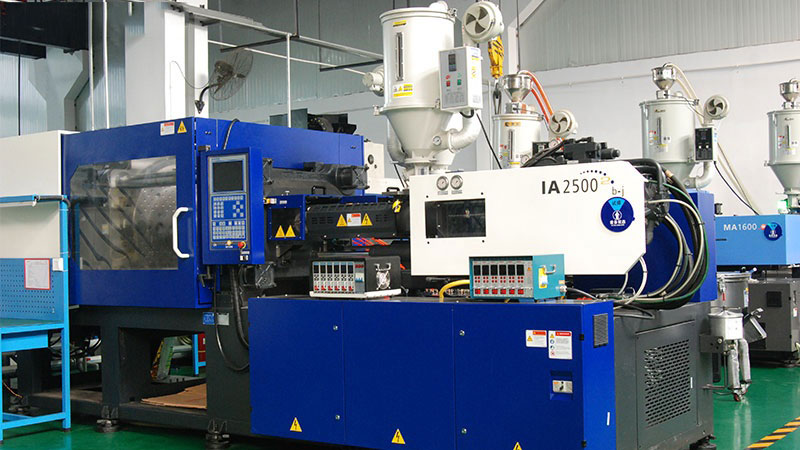
  • create custom molds: Professional Buying Guide 2026

    For overseas businesses, the decision to create custom molds in China represents a significant strategic advantage, offering unparalleled cost efficiency and manufacturing scalability. However, navigating this complex procurement landscape requires more than just finding the lowest quote. The journey from concept to a perfect, production-ready mold involves nuanced steps in supplier verification, technical communication, and quality assurance. This professional guide for 2026 is designed to cut through the noise, providing you with actionable, real-world strategies to partner with a reliable China mold factory and secure the high-quality tooling your product deserves.

    The cornerstone of a successful project is selecting the right China mold factory. In 2024, the market is bifurcated: highly automated factories serving large-volume orders and agile, expert workshops specializing in complex, low-to-medium volume tools. Your first step is internal clarity. Define your part material, expected annual volumes, tolerance requirements, and mold lifespan (number of shots). This specification document will immediately filter unsuitable suppliers. When shortlisting, move beyond Alibaba storefronts. Examine their portfolio for molds similar in size and complexity to yours. Utilize professional networks and platforms like Global Sources or industry-specific trade shows, both virtual and physical, to create a long list. Remember, a supplier proficient in simple consumer goods molds may not be equipped for a tight-tolerance medical or optical component.

    Once you have a shortlist, rigorous supplier verification is non-negotiable. A professional audit in 2026 extends far beyond a business license. Request and scrutinize past project case studies, including challenges faced and solutions implemented. Insist on a live video tour of their facility; a reputable manufacturer will readily showcase their CNC, EDM, and CMM inspection equipment. Crucially, verify their engineering team’s expertise. Who will be your project lead? Can they review your CAD files and provide Design for Manufacturability (DFM) feedback? This step is critical to avoid costly design flaws before steel is ever cut. Finally, check international references. Speaking directly to a past overseas client provides invaluable insight into communication reliability and post-sales support.

    The technical and commercial procurement phase is where clarity prevents cost overruns and delays. A professional quotation for an injection mold should be exhaustive, breaking down costs for mold base, cavity/core machining, slider/lifter mechanisms, surface finishing (texture, polish), and a clear set of mold trials. Ensure the quote specifies the mold steel grade (e.g., P20, H13, S136) and hardness, along with a detailed timeline with milestones. Payment terms should be structured to protect both parties; a common and secure structure is 30-50% deposit, 40-50% after initial Trial Sample Report (TSR) approval, and the balance before shipment. Never opt for 100% upfront payment. Furthermore, use this phase to agree on intellectual property (IP) protection via a legally binding Non-Disclosure Agreement (NDA) and mold ownership clause.

    Active quality control is your most powerful tool to ensure the final mold meets specifications. Do not adopt a “wait and see” approach. Define measurable quality standards upfront, referencing international systems like SPI or your own detailed checklist. The First Article Inspection (FAI) during the mold trial is paramount. Require your China mold factory to provide a comprehensive TSR, including photos, videos of the molding process, and dimensional measurement reports of the produced parts. For critical projects, engage a trusted third-party inspection agency in China to conduct an on-site inspection during the initial trial run. They can verify part dimensions, mold functionality, and cosmetic standards independently. This upfront investment in QC prevents exponentially higher costs from defective mass production.

    Effective project management and communication bridge the geographical and cultural gap. Establish a single point of contact on both sides, preferably using professional platforms like email or Microsoft Teams rather than casual messaging apps, to maintain a clear audit trail. Schedule regular update calls with screen-sharing to review progress photos and address issues in real-time. Be specific and visual in your feedback; mark up images or drawings directly. Understand that there will be a time zone difference and plan meetings accordingly. A professional partner will appreciate this structured approach, as it demonstrates your engagement and reduces the risk of misunderstandings that can derail a project.

    To successfully create custom molds in China is to execute a disciplined partnership built on technical clarity, verified trust, and proactive oversight. The landscape in 2026 rewards buyers who move beyond price-centric sourcing to value-driven collaboration. By meticulously verifying your supplier, mastering the technical procurement details, implementing rigorous quality control checkpoints, and maintaining structured communication, you transform the inherent complexities of overseas mold making into a reliable, competitive edge. The result is not merely a tool, but a foundation for product quality, cost-effective manufacturing, and market success for years to come.

    Work With Us

    As a professional China mold manufacturer, we provide one-stop mold solution for overseas buyers.
    📞 Phone: +86-18605944639
    💬 WhatsApp: +8618605944639
    🌐 Website: bestmoldworks.com
    📧 Email: [email protected]

  • mould manufacturers in china: Best Suppliers & Qualit 2026

    For overseas buyers, sourcing precision tooling from China remains one of the most effective strategies to reduce capital expenditure and accelerate product development. However, the landscape of mould manufacturers in China is vast and varied, presenting both immense opportunity and significant challenge. As we look toward 2026, the differentiation between a successful partnership and a costly mistake hinges on a strategic, informed approach to procurement. This guide cuts through the noise to provide actionable insights for identifying the best suppliers and implementing robust quality control from the outset.

    The core challenge is no longer simply finding a China mold factory, but efficiently verifying which partners possess the technical capability, quality management, and project communication standards your project demands. The consequences of poor supplier selection—dimensional inaccuracies, production delays, and costly rework—can erase any initial cost savings. Therefore, your procurement process must be engineered for verification and risk mitigation. The following framework is designed to solve these real-world problems, moving you from a broad search to a confident partnership with leading mould manufacturers in China.

    **Conducting Deep-Dive Supplier Verification Beyond Alibaba**

    Initial online searches will yield hundreds of options, but true verification requires a multi-layered audit. Start with a technical assessment: request detailed case studies of molds similar in size, complexity, and material to your project. A competent supplier should readily provide these. For 2026, prioritize factories that demonstrate expertise in the specific mold type you need, be it high-precision medical injection molds, large automotive panels, or multi-cavity molds for consumer electronics. Next, initiate a video call for a virtual factory tour. This is non-negotiable. Observe the workshop floor—are machines (like CNC, EDM, and injection molding machines for testing) well-maintained and organized? Is there a dedicated quality control station with measuring equipment like CMMs and optical comparators? Finally, check business credentials via third-party reports from agencies like SGS or Bureau Veritas, which can verify business legitimacy, export history, and basic quality management system certifications like ISO 9001.

    **Mastering the RFQ to Align Expectations and Uncover True Capability**

    Your Request for Quotation (RFQ) packet is your first and most critical control document. A vague RFQ will result in incomparable quotes and hidden costs. Provide a comprehensive package including: detailed 3D part drawings (STEP or IGS format) and 2D technical drawings with GD&T (Geometric Dimensioning and Tolerancing) clearly defined; material specifications for both the mold (e.g., P20, H13, stainless steel) and the final plastic part; expected annual volumes and mold lifecycle; and a clear timeline with milestone reviews. Specify your quality control requirements upfront—such as first article inspection reports, dimensional reports, and material certificates. This detailed approach does two things: it filters out suppliers who cannot meet technical demands, and it ensures all quotations are based on the same scope, allowing for a true cost and capability comparison. It transforms the RFQ from a price-gathering exercise into a preliminary technical review.

    **Implementing Stage-Gate Quality Control and Milestone Payments**

    Tying payments to verified milestones is the single most effective practice to maintain control and ensure quality. Structure your contract around a stage-gate payment plan, typically: 30% after design approval, 40% after T1 sample approval, and 30% after final delivery. The pivotal moment is the T1 (First Trial) sample. Do not approve this milestone remotely. Either have samples shipped to you for rigorous inspection or, ideally, plan to visit the China mold factory or their local testing facility to witness the trial. Inspect the samples for sink marks, weld lines, dimensional accuracy, and surface finish. Use this visit to address any issues directly with the engineering team. This process protects your investment and ensures the injection mold is perfected before mass production tooling begins. For 2026, leading buyers are also incorporating pre-shipment audits where the final mold is measured and validated against the original CAD data before it leaves the factory.

    **Building a Partnership with Proactive Communication and Cultural Alignment**

    The technical procurement is only half the battle. Successful importation relies on clear, consistent communication. Establish a single point of contact on the supplier’s side who is fluent in English and technically competent—preferably a project engineer or manager. Utilize collaborative tools like shared cloud folders for drawings and reports, and schedule regular weekly update calls. Understand and respect the cultural approach to business in China. Building trust (guanxi) is fundamental. While contracts are essential, the relationship often dictates the priority your project receives and the supplier’s willingness to go the extra mile. Be clear, patient, and respectful in all communications. Viewing your chosen mold manufacturer as a long-term partner, rather than a one-time vendor, fosters better service, proactive problem-solving, and more favorable terms for future projects.

    **Planning for the Long-Term: Lifecycle Support and Continuous Improvement**

    Your engagement should not end when the mold is shipped. Discuss and agree on post-sales support terms before finalizing the contract. This includes warranty periods (typically 12-24 months against material and workmanship defects), the process for repair or maintenance, and the cost of spare components like lifters, ejector pins, and cooling system parts. A reliable supplier will offer to keep a set of spare parts in stock for you. Furthermore, as you plan for 2026, consider the supplier’s capacity for continuous improvement. Can they assist with design for manufacturability (DFM) feedback to optimize part design for easier molding and lower cycle times? Do they have capabilities for mold flow analysis to predict and prevent filling issues before steel is cut? Partners who offer these engineering services add tremendous value beyond simple fabrication.

    In conclusion, navigating the market for mould manufacturers in China in 2026 demands a disciplined, verification-focused strategy. The best suppliers are distinguished by their transparency, technical communication, and integrated quality systems. By executing deep-due diligence, crafting detailed RFQs, enforcing milestone-based payments with hands-on sample approval, fostering strong communication, and planning for the full mold lifecycle, you transform procurement from a risky cost-center into a strategic competitive advantage. The goal is to build a partnership with a China mold factory that delivers not just a tool, but reliability, quality, and value for years to come.

    Work With Us

    As a professional China mold manufacturer, we provide one-stop mold solution for overseas buyers.
    📞 Phone: +86-18605944639
    💬 WhatsApp: +8618605944639
    🌐 Website: bestmoldworks.com
    📧 Email: [email protected]

  • custom mold cost: Best Suppliers & Quality Control 2026

    For overseas buyers, navigating the landscape of custom mold manufacturing in China presents a significant opportunity for cost efficiency and quality. However, the journey from concept to a perfect, production-ready mold is fraught with complexities. The central challenge is not merely finding a low initial quote but managing the total project cost, which is intrinsically tied to supplier reliability and rigorous quality control. This guide for 2026 is designed to cut through the noise, providing a professional, actionable framework to secure the best value on your custom mold cost while ensuring uncompromised quality from your chosen China mold factory.

    The true custom mold cost is a composite of the initial tooling investment and the long-term cost-per-part it yields. A cheap, poorly constructed mold leads to frequent repairs, production downtime, and inconsistent part quality, eroding any upfront savings. Therefore, your procurement strategy must evolve from price-shopping to value-partnering. The goal for 2026 is to identify suppliers who offer transparency, engineering collaboration, and robust quality systems, ensuring your mold is an asset, not a liability. This begins with a fundamental shift in how you evaluate and engage potential partners.

    Your first and most critical line of defense is thorough supplier verification. Moving beyond Alibaba storefronts is essential. Start by demanding evidence of technical capability. A professional China mold factory should readily provide CAD/CAE analysis (like mold flow simulations) of your part, demonstrating their proactive approach to solving potential issues like warpage or air traps before steel is cut. Verify their specialization; a supplier expert in large automotive injection molds may not be ideal for micro-medical components. Insist on virtual or, preferably, in-person factory audits. In 2026, reputable suppliers expect this and often facilitate live video tours. Scrutinize their machine park—modern, high-precision EDM, CNC, and milling centers are non-negotiable for quality tooling. Finally, check international certifications and, most importantly, request and contact references from existing overseas clients with similar projects.

    Once a technically competent supplier is shortlisted, defining the project scope with crystal clarity is the next step to control your custom mold cost. Ambiguity is the enemy of budget and timeline. Develop a comprehensive technical data package (TDP) including 3D part files (STEP or IGES), 2D drawings with critical dimensions and tolerances clearly marked, material specifications, and expected annual volumes. For injection mold projects, explicitly discuss and agree upon mold base standards (LKM, HASCO, DME), steel grade for each component (e.g., P20, H13, S136), cavity surface finish (SPI standards), and the lifetime expectancy of the tool. Will the mold include hot runner systems, side-actions, or lifters? Each feature impacts cost. A detailed Request for Quotation (RFQ) package prevents “scope creep” and ensures you are comparing like-for-like quotes, making the true cost and value proposition clear.

    The most pivotal phase where cost and quality intersect is during the design and engineering review. Partnering with your supplier here can prevent exponential costs later. A professional factory will hold a formal mold design review, presenting 3D mold structure drawings for your approval. This is your opportunity to ask questions. How is cooling optimized for cycle time? Is the ejection system robust? Are the gate locations acceptable for your part’s appearance and function? Approving this design locks in the approach. Furthermore, insist on a milestone-based payment schedule tied to tangible deliverables: e.g., 30% upon design approval, 40% after mold trial, 30% after final sample approval. This aligns incentives, keeps the project on track, and protects your financial investment throughout the process.

    Implementing a multi-stage quality control protocol is non-negotiable for overseas procurement. Do not wait until the mold arrives at your door. The 2026 standard involves at least three checkpoints. First, a pre-production inspection (PPI) of all key mold components and materials, often with provided certificates for steel and hot runner systems. Second, and most crucial, is the First Article Inspection (FAI) during the mold trial. You or a trusted third-party inspection agency should witness the trial, either in person or via live stream. Verify the process parameters, measure critical part dimensions, and perform functional tests. The mold should produce consistent, conforming parts over a statistically significant run. Third, a final random inspection (FRI) before shipment of the approved mold. Document everything with high-resolution photos and videos. This layered QC approach mitigates risk and ensures the delivered product matches the agreed specification, securing the long-term value of your investment.

    Successfully importing high-quality molds from China in 2026 requires a disciplined, informed approach that prioritizes total cost of ownership over the lowest bid. By executing rigorous supplier verification, defining project scope with precision, engaging deeply in the design review, and enforcing a multi-stage quality control regime, you transform procurement from a transactional cost center into a strategic advantage. The optimal custom mold cost is achieved not by finding the cheapest supplier, but by partnering with a technically proficient China mold factory committed to building a tool that delivers flawless performance for years. This partnership, built on transparency and shared standards, is the ultimate key to unlocking the renowned value and capability of Chinese mold manufacturing while safeguarding your product quality and production efficiency.

    Work With Us

    As a professional China mold manufacturer, we provide one-stop mold solution for overseas buyers.
    📞 Phone: +86-18605944639
    💬 WhatsApp: +8618605944639
    🌐 Website: bestmoldworks.com
    📧 Email: [email protected]

  • custom molded products shanghai: Complete Procurement 2026

    For overseas buyers, the decision to import molds from China remains one of the most strategic moves to achieve cost efficiency, scalability, and manufacturing agility. Shanghai, as a global epicenter of advanced manufacturing, offers unparalleled advantages. However, the landscape is evolving rapidly. Success in 2026 demands more than just finding a low quote; it requires a sophisticated, process-driven approach to procurement. This guide cuts through the noise to provide a complete, actionable framework for securing high-quality custom molded products from Shanghai, ensuring your project is built on a foundation of reliability, precision, and clear communication.

    The cornerstone of any successful import project is selecting the right China mold factory. The initial search can be overwhelming, with countless suppliers claiming excellence. In 2026, your verification process must be meticulous. Start with a deep-dive into capabilities. A competent supplier for custom molded products in Shanghai should transparently showcase their expertise in specific industries, tonnage ranges of their injection molding machines, and engineering software proficiency. Do not rely solely on Alibaba profiles. Initiate video calls for virtual factory tours, focusing on their workshop organization, machinery maintenance, and quality lab equipment. Request detailed case studies of projects similar in complexity and material to yours. Crucially, verify business licenses and export credentials. This first, rigorous step of supplier verification separates credible partners from intermediaries, setting the stage for a technically sound partnership.

    Once a potential partner is identified, the focus shifts to precision in design and quotation. Ambiguity here is the primary cause of cost overruns and delays. Provide your chosen China mold factory with a complete and validated product design, preferably in STEP or IGES format, along with comprehensive material specifications and expected annual volumes. A professional manufacturer will conduct a Design for Manufacturability (DFM) analysis. Scrutinize this report; it is a critical document that reveals their engineering acumen. It should address potential issues like wall thickness, sink marks, gate locations, and ejection. The quotation for your injection mold should be broken down clearly: mold base cost, cavity and core machining, surface finishing (texture, polish), number of cavities, and a per-unit part price. Understand the payment terms—typical schedules are 50% upfront, 40% after sample approval, and 10% before shipment. This clarity prevents misunderstandings and aligns expectations before any financial commitment.

    With the contract signed, proactive quality control becomes your most vital tool. Waiting until shipment for inspection is a high-risk strategy. Implement a staged QC protocol. First, after the mold is manufactured but before trial runs, request a mold flow analysis report and photos of the finished mold cavity. Next, insist on a First Article Inspection (FAI) once trial samples are produced. These initial samples should be measured against your provided 2D drawings and critical dimension checklist. For larger orders, hire a trusted third-party quality inspection firm in Shanghai to conduct During Production Inspections (DPI) when 20-30% of the order is complete. This allows for mid-course corrections. Finally, a Pre-Shipment Inspection (PSI) is mandatory. This layered approach to quality control ensures that the final batch of custom molded products leaving the Shanghai port meets your exact specifications, protecting your brand and your bottom line.

    Navigating logistics and fostering a long-term partnership are the final, interconnected phases of a complete procurement strategy. Work with your supplier to clearly define Incoterms—FOB Shanghai is common, placing responsibility for shipping and insurance on you, the buyer. Engage a reliable freight forwarder experienced in handling industrial machinery and molded goods. For the mold itself, ensure proper crating and documentation. For the ongoing production of parts, discuss packaging standards to prevent transit damage. View your supplier not as a vendor but as a strategic extension of your manufacturing arm. Schedule regular performance reviews, provide constructive feedback, and explore opportunities for continuous improvement and cost engineering on future projects. A successful partnership for sourcing injection molds and components is built on transparency, respect, and a shared goal of mutual growth.

    The procurement journey for custom molded products from Shanghai in 2026 is defined by strategic diligence over opportunistic sourcing. It is a systematic process encompassing rigorous supplier verification, crystal-clear technical communication, embedded quality control protocols, and strategic logistics planning. By mastering this framework, overseas buyers transform the inherent complexities of international manufacturing into a competitive advantage. You gain access to world-class engineering and production capabilities, not just a cheaper price. The goal is to build a resilient, transparent, and high-quality supply chain that delivers precision, consistency, and value, project after project. Embrace this complete procurement mindset, and your venture into the Shanghai manufacturing landscape will be a cornerstone of your product’s success.

    Work With Us

    As a professional China mold manufacturer, we provide one-stop mold solution for overseas buyers.
    📞 Phone: +86-18605944639
    💬 WhatsApp: +8618605944639
    🌐 Website: bestmoldworks.com
    📧 Email: [email protected]

  • mold Manufacturerturers in China: Ultimate Guide for 2026

    Navigating the landscape of mold manufacturers in China presents a significant opportunity for overseas buyers seeking competitive advantage, but it also comes with well-documented challenges. As we look toward 2026, the industry is evolving rapidly, with increasing automation, higher quality standards, and more sophisticated service offerings. This guide cuts through the noise to provide a professional, actionable framework for your procurement journey. We will move beyond simple directory listings to solve the real problems you face: verifying credible partners, ensuring robust quality control, and managing a complex supply chain from afar. Whether you are sourcing precision injection molds for medical devices or large automotive components, the principles of diligent sourcing remain your most valuable tool.

    The foundation of a successful import project is identifying and verifying the right China mold factory. In 2026, a factory’s digital footprint is a critical starting point, but it is not the finish line. Begin with in-depth research on B2B platforms, but prioritize suppliers with detailed process videos, client testimonials, and certifications like IATF 16949 for automotive or ISO 13485 for medical. However, the real verification begins with direct engagement. Request a virtual factory tour via video call; a reputable manufacturer will readily showcase their shop floor, machinery (look for brands like DMG Mori, Sodick, or Haitian injection molding machines), and quality lab. Always ask for references from existing overseas clients in your region. Crucially, verify business licenses through official channels and consider using third-party inspection services for an initial background check. This multi-layered approach separates marketing from manufacturing capability.

    Once a shortlist is established, defining technical specifications and managing communication becomes paramount. Ambiguity is the primary cause of cost overruns and quality disputes. Your technical data package (TDP) must be exhaustive: provide fully detailed 3D CAD models (STEP or IGES) and 2D drawings with GD&T, clearly specifying materials, cavity requirements, surface finish (SPI standards), tolerances, and expected production volume. For injection molds, discuss the molding machine parameters you will use. Employ clear, simple English in all communications and consider using annotated diagrams. Assign a single point of contact on your team and request the same from the supplier. Utilize collaboration tools that allow markups on drawings and regular progress updates. This disciplined approach to technical procurement ensures both parties have aligned expectations before tooling commences.

    A rigorous quality control protocol is non-negotiable, and it must be integrated from the first article to mass production. Agree on a staged inspection plan with your chosen mold manufacturers in China. This typically includes a First Article Inspection (FAI) after the mold is manufactured, a Trial Run Report with sample parts from the mold, and a Pre-Shipment Inspection (PSI) of the final production batch. Define the Acceptable Quality Level (AQL) standards for production parts. For critical projects, engage a local third-party quality inspection firm to conduct these checks on your behalf. They can perform dimensional checks, material verification, and functional tests, providing unbiased reports. Do not underestimate the importance of the mold trial; request high-definition video of the trial run, paying attention to cycle time, ejection, and any adjustments made. This proactive quality control investment prevents costly failures after shipment.

    Finally, understanding the total cost structure and legal safeguards completes a professional procurement strategy. The mold price is only one component. Request a detailed breakdown that includes mold design, materials (e.g., pre-hardened steel, stainless steel), number of cavities, expected lifespan, and any special treatments (nitriding, polishing). Clarify terms for engineering changes (ECNs) and post-sales support. Who pays for and manages repairs or modifications? On the legal front, a comprehensive contract is essential. It should cover intellectual property (IP) ownership—your designs must remain your property—payment terms (e.g., 40% deposit, 50% after trial, 10% after shipment), delivery schedule with penalties for delays, and confidentiality. Use a clear Proforma Invoice (PI) and understand Incoterms 2020; FOB Shanghai is common, but you must account for shipping, insurance, and import duties. Building a relationship with a reliable freight forwarder experienced in handling delicate mold shipments is a crucial final step.

    As the global manufacturing hub continues to mature, the opportunity to partner with leading mold manufacturers in China has never been more accessible or potentially rewarding. The key for overseas buyers in 2026 is a shift from viewing this as a simple purchase to managing it as a strategic partnership. By implementing a systematic process of supplier verification, crystal-clear technical communication, embedded quality control, and contractual diligence, you mitigate the inherent risks. The most successful importers are those who invest time in the front-end processes, building relationships based on transparency and professional respect. This disciplined approach will not only secure you a high-quality injection mold but will also establish a supply chain asset that delivers value for years to come.

    Work With Us

    As a professional China mold manufacturer, we provide one-stop mold solution for overseas buyers.
    📞 Phone: +86-18605944639
    💬 WhatsApp: +8618605944639
    🌐 Website: bestmoldworks.com
    📧 Email: [email protected]

  • mold Manufacturerturers near me: Reliable Manufacturers 2026

    For overseas buyers, the search for “mold manufacturers near me” often leads to a critical realization: the most competitive solutions for high-quality, cost-effective tooling are frequently found not locally, but across the globe in China. The Chinese manufacturing ecosystem offers unparalleled expertise in injection mold production, but navigating it from afar presents unique challenges. This guide for 2026 is designed to move you from a generic search to a strategic procurement process, providing actionable steps to identify, verify, and partner with reliable China mold factories. We will solve the real problems of distance, communication, and quality assurance, transforming your import journey into a streamlined and successful operation.

    The first and most crucial step is to move beyond basic online directories. While platforms like Alibaba or Made-in-China can be starting points, they are saturated with traders as well as factories. Your goal is to identify true manufacturers. Begin by using specific, technical keywords in your searches, such as “precision injection mold factory Shenzhen” or “automotive mold manufacturer Dongguan.” Scrutinize company websites for evidence of in-house capabilities: look for photos and videos of their workshop, CNC machines, EDM equipment, and mold testing areas. A professional China mold factory will showcase its engineering team, design software expertise, and a portfolio of projects for international clients. This initial deep dive separates real production facilities from middlemen, setting a solid foundation for your procurement.

    Once you have a shortlist, rigorous supplier verification is non-negotiable. In 2026, due diligence is more accessible than ever, yet it must be thorough. Start with a business license check to confirm legal standing. However, true verification goes deeper. Insist on a live video tour of the facility; this is now a standard request and a reputable manufacturer will comply willingly. Use this opportunity to see their shop floor in real-time, ask to view similar mold projects, and meet with potential project managers. Furthermore, request and actually contact 2-3 references from past overseas buyers. Ask specific questions about communication, problem-solving, and post-sales support. For critical projects, consider hiring a third-party inspection company located in the manufacturer’s city to conduct an initial audit. This step mitigates the single biggest risk in importing.

    With a verified partner, defining and controlling quality becomes the centerpiece of your collaboration. Clear, detailed technical communication is your primary tool. Never assume—document everything. Your Request for Quotation should include comprehensive specifications: 3D part files, material grade, cavity requirements, tolerance standards, surface finish specifications, and expected lifespan. During the design phase, mandate a formal Design for Manufacturability review. A reliable manufacturer will provide mold flow analysis reports to predict and prevent filling issues. Establish milestone inspections tied to payments: a first article inspection report after steel cutting, a T1 sample inspection with dimensional reports, and a final pre-shipment audit. Specify the use of internationally recognized gauges and CMM reporting. This structured approach to quality control ensures the final injection mold meets your exact standards before it leaves the factory.

    Successful procurement from China hinges on mastering logistics and fostering a partnership mindset. Understand the Incoterms clearly; for molds, FOB is common, but discuss who handles domestic freight, export clearance, and shipping insurance. Plan for lead times realistically, factoring in design approval, production, sampling, and revisions. Cultivate a relationship with your key contact at the factory. Regular, scheduled video calls are far more effective than sporadic emails. Be clear, patient, and respectful of the time zone difference. View your manufacturer as a long-term technical partner, not just a one-time vendor. A trustworthy partner will advise on design optimizations for cost and durability, suggest suitable steel grades, and provide maintenance manuals. This collaborative approach reduces total cost of ownership and builds a supply chain asset for future projects.

    In conclusion, the search for “mold manufacturers near me” in 2026 is best understood as a global quest for value and capability, with China remaining a dominant hub for injection mold manufacturing. By implementing a disciplined process—starting with targeted identification, moving through meticulous supplier verification, enforcing rigorous quality control protocols, and managing logistics with a partnership focus—overseas buyers can confidently import high-quality molds. The geographical distance becomes irrelevant when replaced with professional processes and clear communication. The goal is to transform the complex endeavor of international procurement into a reliable, repeatable, and highly advantageous component of your production strategy, securing a competitive edge with reliable manufacturers for years to come.

    Work With Us

    As a professional China mold manufacturer, we provide one-stop mold solution for overseas buyers.
    📞 Phone: +86-18605944639
    💬 WhatsApp: +8618605944639
    🌐 Website: bestmoldworks.com
    📧 Email: [email protected]