Blog

  • injection mold factory: Reliable Manufacturers Guide 2026

    For overseas businesses, partnering with a capable injection mold factory in China remains one of the most strategic decisions to achieve cost efficiency and scale production. However, the journey from initial inquiry to receiving perfect, production-ready molds is fraught with potential challenges. Miscommunication, hidden costs, and quality discrepancies can turn a promising procurement opportunity into a costly setback. This guide for 2026 cuts through the noise, offering a professional, actionable framework to identify, vet, and collaborate with a reliable China mold factory. Our focus is on solving real problems you face in the import process, ensuring your investment secures not just a tool, but a foundation for manufacturing success.

    Conducting Deep Supplier Verification Beyond the Surface

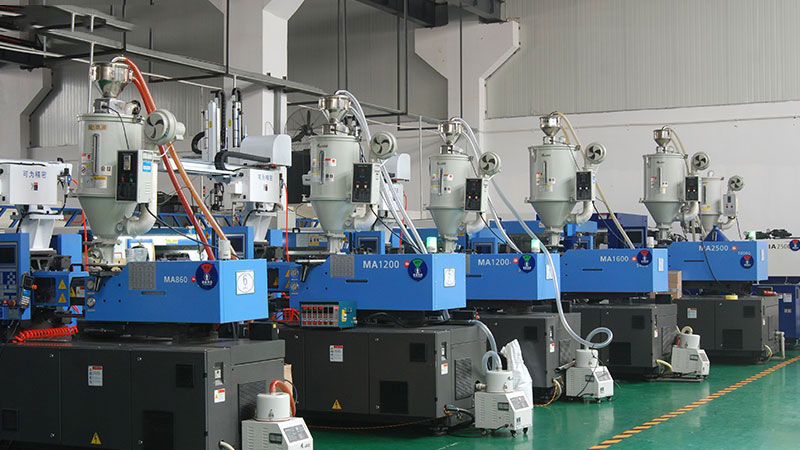
    The first and most critical step is moving beyond Alibaba listings and basic websites. A true verification process in 2026 requires a multi-layered approach. Start with a detailed assessment of the factory’s core competencies. Do they specialize in your industry or mold type? Request and scrutinize a comprehensive portfolio with real case studies, not just rendered images. Insist on a live video tour of their facility; this is non-negotiable. A reputable injection mold factory will readily show you their machining centers (CNC, EDM), quality control labs, and assembly areas. Verify their business licenses and export history. Furthermore, use professional platforms to check for certifications like IATF 16949 for automotive or ISO 13485 for medical devices, if relevant. This due diligence filters out trading companies and unqualified workshops, aligning you with genuine manufacturers.

    Mastering Technical Communication and RFQ Precision

    Ambiguity in technical specifications is the root cause of most mold failures. To procure a high-quality injection mold, you must provide an exceptionally clear and detailed Request for Quotation (RFQ). Beyond part drawings, include a comprehensive mold specification sheet. This document should stipulate the expected annual volume, which dictates mold steel choice (e.g., pre-hardened P20, hardened H13, or stainless steel). Specify cavity surface finish requirements using SPI standards. Detail the mold structure: number of cavities, hot runner system preferences, cooling line layout, and ejection mechanism. Clearly state all tolerance requirements for critical dimensions. Providing a 3D model (STEP or IGES) is standard. Precise communication at this stage ensures all quotations are based on the same parameters, allowing for accurate comparison and setting clear expectations for the project.

    Implementing a Proactive and Structured Quality Control Protocol

    Passively waiting for the final sample is a high-risk strategy. Your quality control plan must be structured and integrated into the manufacturer’s timeline. Define and agree upon critical inspection milestones before order placement. Stage one is typically a First Article Inspection (FAI) of the raw mold steel material to verify grade and hardness. The next critical stage is the T1 sample from the soft tool (pre-hardened steel) or initial trials. Here, you should receive a detailed Dimension Report (DR) for the molded parts, along with high-resolution photos and videos of the mold and its function. For the final acceptance, consider mandating an on-site inspection by a trusted third-party quality agency at the China mold factory. They can perform a full mold qualification, including mold flow analysis verification, cavity measurement with CMM, and a complete production run at the agreed-upon cycle time. This proactive approach identifies issues early, when they are less expensive and time-consuming to correct.

    Navigating Logistics, IP Protection, and Total Cost Understanding

    The commercial and legal framework is as important as the technical one. Always use a detailed, itemized proforma invoice (PI) and a clear contract that covers payment terms (e.g., 50% deposit, 40% after T1 approval, 10% before shipment), delivery schedule with penalties for delays, and most importantly, intellectual property (IP) protection clauses. The contract should state that all part and mold designs are your sole property. For logistics, understand Incoterms 2020 thoroughly. FOB Shenzhen is common, but you must account for and arrange shipping, insurance, and import customs clearance at your destination port. Remember, the lowest mold price is not the lowest total cost. Factor in the mold lifecycle, maintenance, lead time reliability, and the supplier’s communication efficiency. A slightly higher initial cost from a professional injection mold factory often translates to superior longevity, fewer production stoppages, and lower total cost of ownership.

    Building a Partnership for Long-Term Production Success

    View your chosen supplier not as a one-time vendor but as a long-term manufacturing partner. A reliable China mold factory is invested in your success because your ongoing production means repeat business for them. After the mold is delivered, discuss their policy on mold maintenance, repair, and storage. Will they keep the mold safe and service it for future runs? Establish clear communication channels for troubleshooting during your production. A partner will help analyze part defects and propose solutions, whether they relate to the mold, material, or process parameters. This collaborative relationship, built on transparency and mutual success from the initial procurement phase, is invaluable for navigating future projects, design modifications, and scaling your product line efficiently.

    Conclusion

    Importing injection molds from China in 2026 demands a blend of rigorous vetting, precise communication, and strategic partnership management. The landscape is competitive, but by implementing this structured guide—from deep supplier verification and meticulous RFQs to staged quality control and robust contracts—you significantly de-risk the process. The goal is to move beyond simply finding a supplier to forging an alliance with a competent injection mold factory that delivers consistent quality, protects your intellectual property, and supports your production lifecycle. By focusing on these actionable strategies, you transform the complex challenge of overseas procurement into a reliable pillar of your business’s competitive advantage and manufacturing excellence.

    Work With Us

    As a professional China mold manufacturer, we provide one-stop mold solution for overseas buyers.
    📞 Phone: +86-18605944639
    💬 WhatsApp: +8618605944639
    🌐 Website: bestmoldworks.com
    📧 Email: [email protected]
  • how much does a custom plastic mold cost: Reliable Manu 2026

    For overseas buyers and product developers, the journey to manufacture a new plastic part often begins with a single, critical question: how much does a custom plastic mold cost? The answer is rarely a simple figure. Quotations can vary wildly, creating confusion and risk in the procurement process. Understanding this cost is not just about budgeting; it’s the first step in identifying a competent, transparent partner. This guide is designed to demystify the pricing structure of custom injection molds from China and provide a clear framework for engaging with a reliable China mold factory in 2026 and beyond.

    The price of a custom plastic injection mold is not a commodity price. It is a direct reflection of the complexity, quality, and service built into the tool. Expect a range from a few thousand dollars for a simple, single-cavity mold to several hundred thousand dollars for a complex, multi-cavity system with high automation. The final number is a sum of several key components. First, mold design and engineering form the intellectual foundation, where a good design prevents costly failures. Second, the materials, primarily the mold steel (such as P20, H13, or S136), account for a significant portion. Third, manufacturing complexity, including the number of cavities, surface finishes (texture, polish), internal actions (slides, lifters), and tolerances, dramatically influences machining time and expertise. Finally, ancillary costs like mold trials, certification, and logistics complete the picture. A professional supplier will provide a transparent breakdown, not just a bottom-line number.

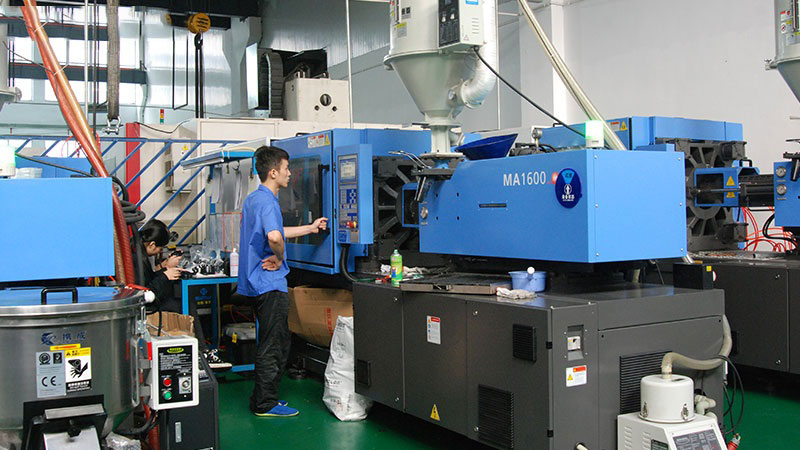
    Before you even request a quote, thorough supplier verification is your most powerful tool. In 2026, due diligence goes beyond a website check. Start by verifying business licenses and export credentials. Utilize video calls to conduct virtual factory tours; a reputable China mold factory will readily showcase their workshop, machinery (like CNC, EDM, and wire-cutting), and quality control stations. Request and contact past client references, specifically those from your region or industry. Examine their portfolio for molds of similar complexity to your project. Furthermore, assess their communication and project management capabilities. A supplier that asks detailed, technical questions about your part’s function, material, and volume is often more reliable than one that simply agrees to a price. This upfront investment in verification filters out high-risk partners and aligns you with manufacturers who view the mold as a partnership, not just a transaction.

    To navigate procurement effectively, you must learn to compare quotes intelligently. A surprisingly low quote is often the most expensive option in the long run, leading to tool failure, part defects, and project delays. When comparing, ensure all bids are based on identical, detailed specifications. A professional Request for Quotation (RFQ) package should include a 3D part file (STEP or IGS), material type, expected annual volume, part quality requirements, and a target piece price. Scrutinize what is included: How many trial shots are offered? Is T1 sample inspection report provided? What is the warranty period for workmanship? Clarify payment terms; standard terms often involve milestones (e.g., 30% deposit, 40% after design approval, 30% before shipment). A transparent supplier will explain cost drivers and offer value-engineering suggestions to optimize the mold for performance and cost without compromising quality.

    Once a partner is selected, proactive quality control is non-negotiable. The goal is to catch issues early, during the manufacturing process, not after the mold is shipped. Define clear inspection points, typically at critical stages: after material procurement (steel certification), after rough machining, after heat treatment, and upon completion. Insist on receiving detailed Design for Manufacturability (DFM) feedback before machining begins. The First Article Inspection (FAI) during the mold trial is crucial. Require comprehensive sample reports with dimensional measurements, photos, and video of the trial run. For high-value molds, consider hiring a local third-party inspection company to conduct pre-shipment audits. This layered QC approach ensures the injection mold meets all specifications and performs reliably in your production environment, protecting your investment.

    Ultimately, the core question of how much does a custom plastic mold cost is best answered by viewing the mold as a long-term capital investment, not a mere purchase. The cheapest tool can lead to exorbitant per-part costs due to downtime, high scrap rates, and short tool life. Conversely, a well-engineered mold from a verified partner provides value through reliability, consistency, and longevity. For overseas buyers in 2026, success lies in a disciplined process: invest time in rigorous supplier verification, compare quotes on a like-for-like basis, and implement stringent quality control from design to delivery. By focusing on total cost of ownership and building a collaborative relationship with your chosen China mold factory, you secure not only a precision tool but a foundation for successful, scalable manufacturing.

    Work With Us

    As a professional China mold manufacturer, we provide one-stop mold solution for overseas buyers.
    📞 Phone: +86-18605944639
    💬 WhatsApp: +8618605944639
    🌐 Website: bestmoldworks.com
    📧 Email: [email protected]
  • plastic injection mould Manufacturerturer in China: Be 2026

    For overseas buyers, the decision to import molds from China remains one of the most impactful strategies for achieving cost efficiency and scaling production. However, the landscape of manufacturing is not static. As we look toward 2026, the approach to partnering with a plastic injection mould manufacturer in China is evolving beyond simple cost comparison. Success now hinges on strategic verification, technological alignment, and process mastery. This guide provides actionable, forward-looking insights to help you navigate this complex procurement journey, mitigate risks, and build a supply chain that is not just cheaper, but smarter, more reliable, and future-proof.

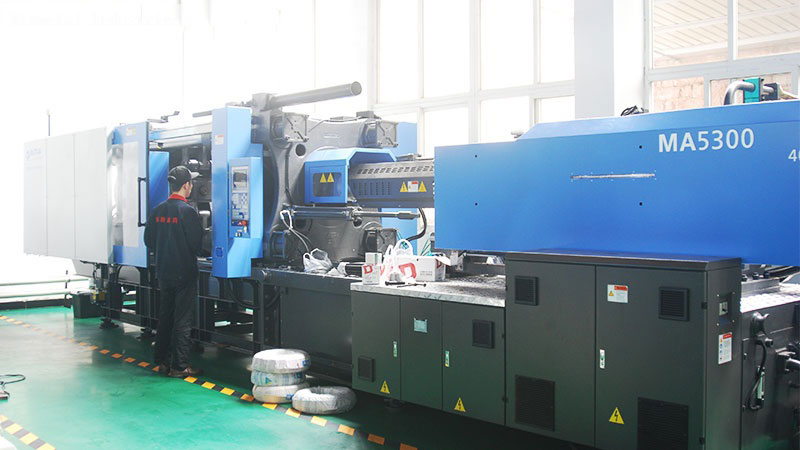
    The cornerstone of any successful import venture is rigorous supplier verification. Moving past Alibaba listings and glossy brochures is non-negotiable. Begin with a multi-layered audit. First, verify business licenses and export credentials through official channels. Second, demand evidence of specific experience. A professional China mold factory should readily provide a portfolio of past projects, ideally with client references you can contact, particularly those from your region or industry. Third, leverage modern tools: request a virtual factory tour via video call. This allows you to assess shop floor organization, machinery condition (look for modern CNC, EDM, and injection molding machines), and general operational professionalism in real-time. This step filters out trading companies masquerading as manufacturers and identifies partners with tangible capability.

    Once a potential partner is identified, the focus must shift to a meticulous design and engineering review process. Miscommunication at this stage is the primary cause of costly mold reworks. Insist on a formal Design for Manufacturability (DFM) report before any steel is cut. A competent plastic injection mould manufacturer in China will analyze your 3D files and provide detailed feedback on draft angles, wall thickness, gate locations, ejection, and potential sink marks. Furthermore, clarify the mold flow analysis (MFA) protocol. Will they perform it? Is it an extra cost? MFA simulates how plastic will fill the cavity, predicting issues like air traps and weld lines. Securing these documents ensures both parties are aligned on technical feasibility and sets a objective benchmark for the final product quality.

    Proactive quality control, integrated from the start, is what separates satisfactory outcomes from exceptional ones. Do not treat QC as a final inspection step. Implement it at defined milestones. Key checkpoints include the First Article Inspection (FAI) after mold trial, where critical dimensions are measured against the CAD model. Require comprehensive documentation: high-resolution photos of the mold, video of the trial run, and a detailed inspection report. For ongoing production, define your Acceptable Quality Level (AQL) sampling standards. Consider engaging a local third-party inspection service for impartial audits during the initial sample approval and at pre-shipment stages. This independent verification provides an additional layer of security, ensuring the injection mold meets your specifications before it leaves the factory floor.

    The most forward-thinking strategy involves viewing your manufacturer as a long-term partner, not a transactional vendor. Discuss their roadmap to 2026. Are they investing in automation, Industry 4.0 data integration, or sustainable manufacturing practices? Understanding their trajectory ensures they can grow with your needs. Formalize the partnership with clear, detailed contracts covering intellectual property (IP) protection, payment terms (staged payments linked to milestones are standard), liability for delays, and protocols for handling defects. Effective communication is also critical; establish a single point of contact who is technically proficient and ensure regular, structured updates are part of the process.

    As global supply chains grow more complex, the imperative for a strategic, informed approach to procurement has never been greater. The goal for overseas buyers is no longer merely to find a supplier, but to identify a capable and innovative partner. By mastering supplier verification, enforcing rigorous engineering reviews, implementing staged quality control, and building a relationship based on transparency and shared growth, you transform the inherent challenges of overseas procurement into a formidable competitive advantage. The journey to 2026 and beyond demands this elevated approach, ensuring that your collaboration with a Chinese injection mold supplier drives value, quality, and innovation for your business for years to come.

    Work With Us

    As a professional China mold manufacturer, we provide one-stop mold solution for overseas buyers.
    📞 Phone: +86-18605944639
    💬 WhatsApp: +8618605944639
    🌐 Website: bestmoldworks.com
    📧 Email: [email protected]
  • cooler mould manufacturer in china: Ultimate Guide for 2026

    For overseas buyers, sourcing a reliable cooler mould manufacturer in China represents a significant opportunity to achieve cost efficiency, access advanced manufacturing capabilities, and accelerate product development. However, navigating this complex landscape requires more than just a simple supplier search; it demands a strategic approach to procurement, verification, and quality management. As we look toward 2026, the industry is evolving with smarter technologies and higher expectations for precision and sustainability. This ultimate guide is designed to provide you with actionable, professional insights to streamline your process, mitigate risks, and secure a successful partnership with a top-tier China mold factory.

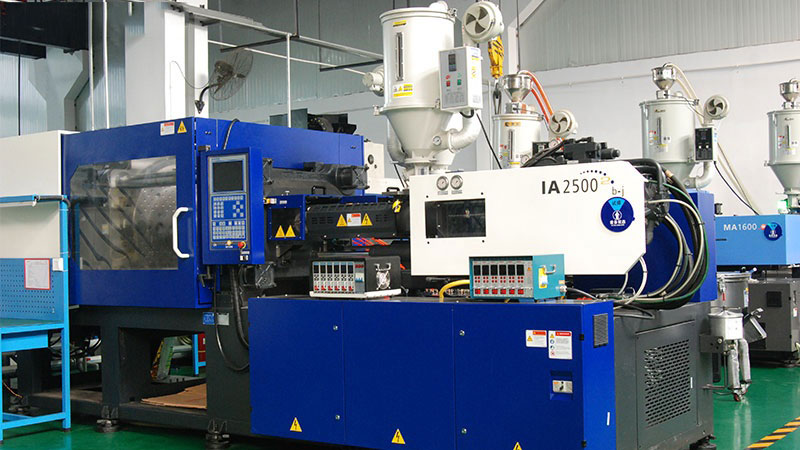
    The journey begins with precise supplier identification and rigorous verification. A generic online search will yield thousands of results, but your goal is to shortlist capable partners. Focus on manufacturers with demonstrable experience in consumer goods, specifically injection mold for coolers, drinkware, or similar plastic products. Examine their portfolio for projects comparable in complexity to your cooler design, whether it’s a simple personal cooler or a complex rotomolded wheeled cooler with multiple components. Initial verification must go beyond website claims. Utilize professional platforms like Made-in-China.com or Global Sources to check business licenses, but then deepen your inquiry. Request a virtual factory tour to assess their machinery, workshop organization, and cleanliness. Insist on contacting two or three existing international clients for direct references. This step is your primary filter to separate marketing fronts from genuine, operational China mold factories.

    Once a potential partner is identified, the cornerstone of a successful project is a flawless Technical Design and Development phase. The adage “garbage in, garbage out” is profoundly true in mold making. Do not assume your design is ready for manufacturing. Engage your chosen cooler mould manufacturer in china early in the design process for a Design for Manufacturability (DFM) analysis. A competent factory will provide detailed feedback on draft angles, wall thickness uniformity, rib design, gate locations, and parting line placement to ensure the mold can be built efficiently and produce parts that meet aesthetic and functional requirements. Simultaneously, agree on a formalized prototyping process. Whether through 3D printing for form and fit or a soft steel mold for functional testing, this stage is non-negotiable. It allows for physical validation before committing to the high cost of the production-grade injection mold. Clear communication here prevents costly modifications later.

    The procurement process extends beyond agreeing on a price. It involves negotiating a comprehensive contract that protects your intellectual property and defines all deliverables. Your purchase agreement must explicitly state that all design files, mold drawings, and the physical mold tooling are your property. Consider stipulating that the mold will be stored at a secure, third-party warehouse or at the manufacturer’s facility with your ownership clearly marked, preventing it from being used for unauthorized production. Payment terms should be structured in milestones—typically 30-50% deposit, 40% upon mold trial approval, and the balance before shipping. Never pay 100% upfront. Furthermore, the contract should specify the mold lifespan (e.g., guaranteed for 500,000 shots), the material used (e.g., pre-hardened steel, H13, or stainless steel), and include detailed, dimensioned drawings of the final mold for your records.

    Implementing a robust, multi-stage quality control protocol is what separates successful imports from logistical nightmares. Do not relegate QC to a final pre-shipment inspection. Institute a First Article Inspection (FAI) after the initial mold trials. This involves a thorough dimensional check of the first shots from the production mold against your CAD drawings. The next critical stage is the Trial Run Report (TRR) or Process Validation. This isn’t just about the part looking right; it’s about documenting the stable injection molding parameters (temperature, pressure, cycle time) that yield consistent, quality parts. For ongoing production, define your Acceptable Quality Level (AQL) for sampling inspections. For critical components like cooler lids or latches, a tighter AQL is necessary. For long-term partnerships, consider hiring a local third-party quality inspection firm to conduct periodic audits and inspections, providing an unbiased report before containers are sealed and shipped.

    Finally, plan for the entire lifecycle of your mold and the resulting cooler products. Discuss post-sales support and maintenance with your supplier. A reputable cooler mould manufacturer will offer mold maintenance and repair services. Understand the lead time and cost for this. Additionally, clarify the terms for future production runs. Will there be a minimum order quantity (MOQ) for parts? How are unit prices calculated? Establish a clear communication channel for addressing production issues. As we move into 2026, also consider discussing your supplier’s advancements in sustainable practices, such as energy-efficient molding machines or experience with recycled plastics, as this is increasingly important for global brands and consumers.

    In conclusion, importing molds from China is a strategic decision that, when executed with diligence, offers immense competitive advantage. The process from identifying a suitable cooler mould manufacturer in china to receiving flawless production parts is built on systematic supplier verification, collaborative design engineering, ironclad contractual agreements, and relentless quality control. By adopting the structured approach outlined in this 2026 guide—treating your mold supplier as a strategic development partner rather than just a vendor—you transform the complexities of overseas procurement into a reliable, scalable, and profitable segment of your supply chain. The ultimate goal is not merely to purchase a mold, but to establish a partnership that delivers quality, consistency, and value for years to come.

    Work With Us

    As a professional China mold manufacturer, we provide one-stop mold solution for overseas buyers.
    📞 Phone: +86-18605944639
    💬 WhatsApp: +8618605944639
    🌐 Website: bestmoldworks.com
    📧 Email: [email protected]
  • china plastic mold factory: Best Suppliers & Quality C 2026

    For overseas buyers, sourcing a reliable china plastic mold factory represents one of the most impactful procurement decisions for your product development and manufacturing strategy. The potential for significant cost savings, rapid prototyping, and access to extensive manufacturing expertise is immense. However, navigating the vast landscape of suppliers to find a partner that delivers consistent quality, on-time delivery, and clear communication can be daunting. This guide is designed to cut through the noise, offering actionable, professional advice to help you identify the best Chinese mold factories and implement robust quality control measures for your projects in 2026 and beyond.

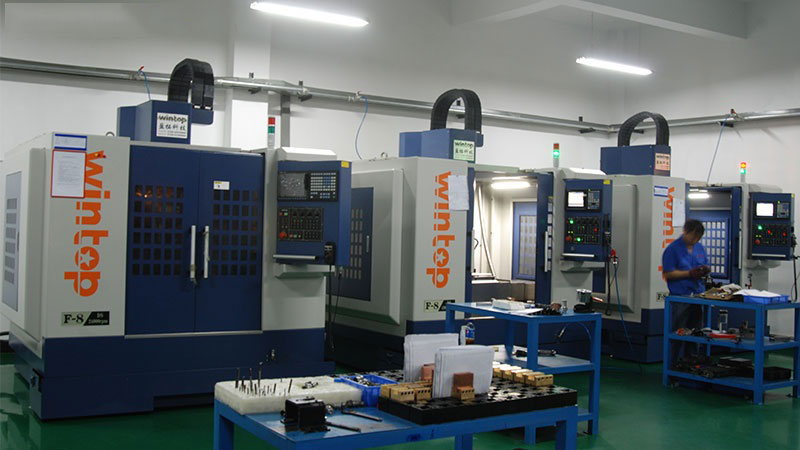
    The foundation of a successful import project lies in rigorous supplier verification. Moving beyond a simple Google search or Alibaba listing is non-negotiable. Start by defining your project’s precise requirements: mold material (P20, H13, S136), expected lifespan (number of shots), part complexity, and tolerance levels. This clarity will help you filter suppliers effectively. When shortlisting a China mold factory, insist on video facility tours. A live walkthrough reveals much more than staged photos—observe the machinery (brands like DMG Mori or Sodick indicate investment in quality), workshop organization, and in-house capabilities like CNC, EDM, and CMM inspection. Crucially, verify their experience with your specific industry, whether automotive, medical, consumer electronics, or packaging. Request and contact references from past overseas clients to gain unfiltered insights into their communication and problem-solving track record.

    Once you have identified a potential partner, mastering the procurement and technical communication phase is critical. A detailed Request for Quotation (RFQ) package is your most important tool. This should include not just part drawings (STEP/IGES files) but also a comprehensive specification document covering material type, surface finish requirements (SPI standards), texture specifications, gate location preferences, and expected cycle time. Discuss the mold flow analysis (MFA) process upfront; a competent factory will perform and review MFA with you to predict and prevent filling issues, weld lines, and sink marks before steel is cut. Clearly agree on milestones, payment terms (e.g., 30-40% deposit, balance before shipment), and ownership of mold intellectual property. This structured approach separates professional suppliers from mere job shops.

    Proactive quality control cannot be an afterthought; it must be integrated into every stage of the mold manufacturing process. The most successful buyers implement a staged inspection protocol. Initial material certification for the mold steel and components should be requested. The first article inspection (FAI) report, comparing the first molded samples against your CAD dimensions, is essential. For critical projects, consider hiring a local third-party quality inspection firm to conduct designated stage inspections (DTI): after machining, after heat treatment, and upon trial. They will check critical dimensions, cavity and core hardness, and the functionality of sliders and lifters. Furthermore, insist on a fully documented trial run video showing the mold in operation, part ejection, and a sample of the produced parts. This visual evidence is invaluable before authorizing shipment.

    Building a sustainable partnership with your chosen china plastic mold factory extends beyond the first order. View them as a strategic extension of your engineering team. Foster transparent and regular communication, using tools like WeChat or Zoom for weekly updates. Discuss future projects and volume production plans; a factory invested in a long-term relationship will be more motivated to ensure your initial mold is flawless. Inquire about their post-sales support—will they store the mold, handle maintenance, and provide modifications? As you look toward 2026, leading suppliers are increasingly adopting digital integration, offering real-time production monitoring and data sharing. Aligning with a forward-thinking partner who invests in technology and skilled engineers will give you a competitive edge in product quality and time-to-market.

    In conclusion, importing molds from China in 2026 demands a blend of diligent verification, precise communication, and embedded quality control. The landscape is evolving, with top-tier China mold factories offering world-class engineering and transparency to compete globally. By following a structured approach to supplier selection, emphasizing detailed technical documentation, and insisting on verifiable quality at every stage, overseas buyers can mitigate risks and unlock the full potential of Chinese mold manufacturing. The goal is not merely to purchase an injection mold but to establish a reliable, professional partnership that drives innovation and efficiency for your business for years to come.

    Work With Us

    As a professional China mold manufacturer, we provide one-stop mold solution for overseas buyers.
    📞 Phone: +86-18605944639
    💬 WhatsApp: +8618605944639
    🌐 Website: bestmoldworks.com
    📧 Email: [email protected]
  • custom molds for plastic: Complete Procurement Guide 2026

    Navigating the procurement of custom molds for plastic from China presents a significant opportunity for overseas businesses to achieve cost efficiency and access world-class manufacturing capabilities. However, the journey from concept to a perfect, production-ready mold involves complex steps and potential pitfalls. This guide is designed to cut through the noise and provide you with a clear, actionable roadmap for 2026. We will focus on practical strategies to mitigate risks, ensure quality, and build a successful partnership with a China mold factory, transforming your plastic part design into a market-ready product.

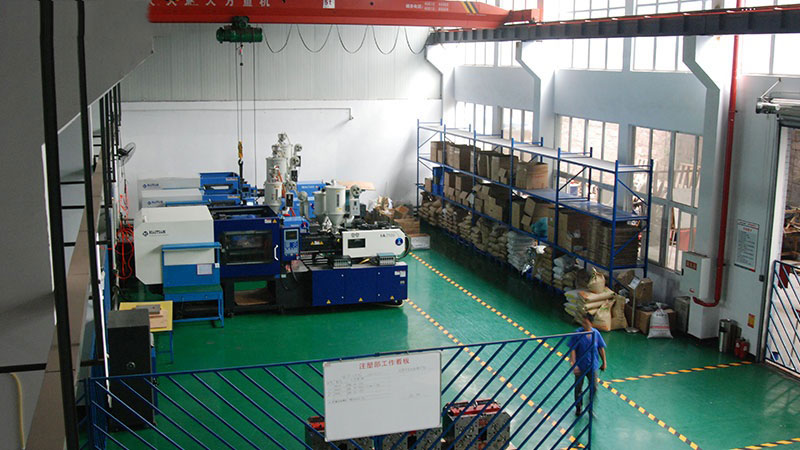
    The foundation of a successful project lies in selecting the right partner, not just the lowest bidder. Supplier verification is the most critical step in your procurement process. Begin by moving beyond online directories and actively seeking manufacturers with proven experience in your specific industry, whether it’s automotive, medical, consumer electronics, or packaging. A professional China mold factory will have a detailed portfolio; request case studies of molds similar in complexity, material, and volume to your project. Essential verification steps include conducting video audits of their facility to assess machinery, cleanliness, and workflow, and checking international certifications like ISO 9001. Furthermore, insist on direct communication with the engineering team that will handle your project. This due diligence filters out trading companies and unqualified workshops, ensuring you engage with a true specialist in injection mold manufacturing.

    Once a potential supplier is shortlisted, mastering the technical and commercial quotation phase is vital. A professional quotation for an injection mold should be transparent and exhaustive. Be wary of suspiciously low quotes, as they often signal hidden costs, substandard materials, or lack of expertise. Provide your supplier with a comprehensive package: detailed 3D part drawings (STEP or IGES), material specifications, expected annual volumes, and cosmetic requirements. A reliable partner will analyze this data and provide a breakdown including mold base size and steel grade, cavity and core material, cooling system design, expected cycle time, and a clear payment schedule. Discuss and agree upon milestones tied to payments, such as 30% upon order, 40% after T1 sample approval, and 30% before shipment. This clarity prevents disputes and aligns expectations from the outset.

    With the contract signed, proactive quality control throughout the manufacturing process is non-negotiable. Do not adopt a “wait and see” approach until the final sample arrives. Implement a structured QC protocol. Request regular photo and video updates at key stages: after material procurement, during CNC machining, during EDM, and during assembly. This allows you to verify progress and catch deviations early. The most critical checkpoint is the Trial Run (T1 sample). Where possible, plan to be present at the factory for the first shot. If travel is not feasible, insist on a detailed First Article Inspection report with dimensional data, photos, and video of the molding process. Many reputable factories offer third-party inspection services from firms like SGS or Bureau Veritas for an unbiased assessment. This hands-on oversight ensures the final deliverable meets your precise specifications for your custom molds for plastic.

    The journey does not end with sample approval. Planning for post-delivery support and long-term mold maintenance is what separates a transactional purchase from a strategic partnership. Before shipment, clarify responsibilities. Who handles mold commissioning at your production facility? What is the warranty period for workmanship and materials? A professional supplier should provide comprehensive documentation, including a mold design drawing, maintenance manual, and a list of spare parts. Discuss the feasibility of storing your mold at the China mold factory for future production runs, which can simplify logistics. Establish a clear protocol for handling wear and tear or damage over the mold’s lifespan. A supplier invested in a long-term relationship will be responsive to requests for spare parts or design modifications, ensuring the longevity and profitability of your investment.

    Successfully importing an injection mold from China in 2026 demands a blend of diligent preparation, technical collaboration, and continuous oversight. By rigorously verifying your supplier, managing the quotation process with clarity, enforcing stringent quality control measures, and securing long-term support, you transform the inherent complexities of overseas procurement into a competitive advantage. The goal is to build a collaborative bridge with a capable China mold factory, turning your innovative plastic part designs into reliable, high-quality products. With this complete procurement guide as your framework, you are equipped to navigate the market confidently, making informed decisions that ensure quality, control costs, and drive your product’s success in the global marketplace.

    Work With Us

    As a professional China mold manufacturer, we provide one-stop mold solution for overseas buyers.
    📞 Phone: +86-18605944639
    💬 WhatsApp: +8618605944639
    🌐 Website: bestmoldworks.com
    📧 Email: [email protected]

  • cheap injection mold: Expert Tips & Solutions 2026

    For overseas businesses, from ambitious startups to established manufacturers, sourcing a cheap injection mold from China remains a powerful strategy to control upfront tooling costs and enhance product competitiveness. However, the pursuit of low cost must be strategically balanced with reliability, quality, and long-term value. The landscape in 2026 demands a more nuanced approach than simply selecting the lowest quote. This guide provides expert tips and actionable solutions to navigate the complexities of procurement, enabling you to secure a truly valuable partnership with a China mold factory.

    The foundational step in securing a reliable and cost-effective mold is rigorous supplier verification. Moving beyond Alibaba storefronts is crucial. Begin by requesting a detailed company profile, including business licenses, factory location, and years of operation. Utilize video calls to conduct virtual factory tours; a reputable supplier will readily showcase their workshop, machinery (look for CNC, EDM, and mold testing presses), and ongoing projects. Crucially, ask for and meticulously contact past overseas clients. Direct references provide unparalleled insight into a supplier’s communication, problem-solving ability, and after-sales service. This due diligence filters out trading companies masquerading as manufacturers and identifies partners with proven export experience, forming the bedrock of a successful injection mold project.

    Once a shortlist of potential partners is established, mastering the quotation and technical review process is your primary leverage point for achieving a balanced cost. A precise, comprehensive Request for Quotation (RFQ) is non-negotiable. Provide not just a 3D file, but a detailed technical specification document covering material (e.g., P20, H13 steel), cavity life expectancy, surface finish (SPI standards), tolerances, and part volume. This allows for apples-to-apples comparisons. Analyze quotations line-by-line: a suspiciously cheap injection mold quote often omits critical elements like mold flow analysis, trial shots, or standard components. Insist on a formal design review before steel is cut. A professional China mold factory will provide DFM (Design for Manufacturability) feedback that can simplify the mold structure, reduce cost, and improve part quality, proving that true value engineering is part of their service.

    Proactive and structured quality control is the essential bridge between procurement and receiving a functional mold. Do not treat QC as an afterthought. Define clear inspection milestones and integrate them into the payment schedule. Key stages include a pre-production inspection of mold materials and core/cavity steel certificates, a First Article Inspection (FAI) during the T1 sample trial, and a final pre-shipment audit. For critical projects, consider hiring a local third-party inspection agency to conduct these checks on your behalf. Their report on dimensions, functionality, and cosmetic standards provides an objective assessment. Furthermore, require high-resolution photos and videos of the sampling process and the final assembled mold. This hands-on approach mitigates risk and ensures the delivered tool meets the agreed specifications, transforming your cheap mold investment into a reliable production asset.

    The true cost of a mold encompasses its entire lifecycle, not just the initial price. A strategic partnership with your chosen China mold factory should account for long-term support. Discuss and agree upon terms for mold modification costs, repair protocols, and lead times for spare components. A supplier that offers clear, reasonable terms for maintenance demonstrates confidence in their workmanship. Additionally, clarify intellectual property protection through a signed NDA (Non-Disclosure Agreement) and ensure your proprietary design files are managed securely. Effective communication, often via platforms like WeChat or professional project management tools, is vital. Establishing a single point of contact who is technically fluent can prevent costly misunderstandings and ensure smooth collaboration from design through to mass production.

    In 2026, the most successful importers view their mold supplier not as a vendor, but as a technical partner. The goal is not merely to find a cheap injection mold, but to build a relationship with a China mold factory that delivers consistent quality, transparent communication, and enduring support. By investing time in thorough supplier verification, mastering the technical procurement dialogue, implementing staged quality control, and planning for the mold’s lifecycle, you transform the sourcing process from a cost-centric transaction into a value-driven strategic advantage. This disciplined approach ensures your investment secures a mold that reliably produces high-quality parts, ultimately driving the profitability and scalability of your product in the global marketplace.

    Work With Us

    As a professional China mold manufacturer, we provide one-stop mold solution for overseas buyers.
    📞 Phone: +86-18605944639
    💬 WhatsApp: +8618605944639
    🌐 Website: bestmoldworks.com
    📧 Email: [email protected]

  • injection mould Manufacturerturers in China: Complete 2026

    For global businesses, from ambitious startups to established OEMs, sourcing injection molds from China remains a cornerstone strategy for achieving competitive manufacturing costs without necessarily sacrificing quality. However, the landscape is perpetually evolving. The China mold factory of 2026 is more technologically advanced, digitally integrated, and quality-conscious than ever before, but the challenges of distance, communication, and supplier verification persist. This guide is designed to cut through the noise and provide overseas buyers with a professional, actionable framework for successful procurement in the current year. We will move beyond generic advice to solve the real problems you face when engaging injection mould manufacturers in China.

    The foundational step, and arguably the most critical, is rigorous supplier verification. The era of selecting a partner based solely on an Alibaba storefront with attractive pricing is over. In 2026, due diligence is multi-faceted. Start with a deep dive into the manufacturer’s technical capabilities. Request detailed case studies of molds they have built for products similar to yours in material, complexity, and volume. A professional injection mold manufacturer will have a portfolio and can explain their approach to challenges like tight tolerances, complex geometries, or specific surface finishes. Utilize video calls to request virtual factory tours; observe the shop floor organization, the age and maintenance of machinery (look for brands like DMG Mori, Sodick, or Haitian), and the presence of quality control stations. Third-party verification platforms and background checks on business licenses are essential, but they are just the starting point. The goal is to assess their engineering prowess and production culture.

    Once a potential partner is identified, mastering the technical and commercial communication phase becomes paramount. The single greatest risk in mold procurement is ambiguity. Your Request for Quotation (RFQ) package must be impeccably detailed. It should include not just a 3D CAD model (STEP or IGS format is standard), but also a comprehensive specification document. This document must cover material selection (both for the mold steel like P20, H13, or S136 and the intended production plastic), critical dimensions and tolerances (ISO 20457 standards are a good reference), cavity requirements, expected cycle time, surface finish specifications (SPI/VDI standards), and details on hot runner systems if needed. Clearly state all expectations for deliverables: are you buying just the mold, or does the package include sampling, first article inspection reports, and mold flow analysis? During negotiations, be explicit about payment terms. A common and balanced structure is 30-40% deposit, 40-50% after T1 sample approval, and the balance before shipment. This aligns interests and ensures the supplier remains motivated to meet your approval standards.

    Proactive quality control, integrated from the very beginning of the process, is what separates successful imports from costly failures. Do not treat QC as a final inspection step. For significant investments, mandate a Pre-Production Meeting (PPM) to align on critical quality checkpoints. The first major milestone is the Design for Manufacturability (DFM) report. A competent China mold factory will provide this, highlighting potential issues in your design that could affect moldability, cost, or cycle time. The next critical checkpoint is the mold flow analysis, which simulates how the plastic will fill the cavity, predicting potential defects like weld lines, sink marks, or air traps. Insist on reviewing this report. Upon completion of the mold, the T1 sample stage is crucial. Do not approve samples based on photos alone. Require the supplier to send actual T1 samples to you, along with a detailed First Article Inspection Report (FAIR) that measures all critical dimensions against your CAD data. For high-volume or high-precision molds, consider engaging a local third-party quality inspection service to conduct an Initial Sample Inspection Report (ISIR) at the factory before the final payment is released.

    The final hurdle is navigating logistics, intellectual property protection, and building a partnership. Ensure your purchase order and contract have clear terms regarding shipping terms (Incoterms 2026), liability for damage in transit, and required documentation. For IP protection, a well-drafted Non-Disclosure Agreement (NDA) is essential, but in practice, your strongest protection is working with reputable, established manufacturers who value long-term relationships over short-term gains. Consider registering your design in China if the product is highly unique. Finally, view this procurement not as a one-off transaction but as the beginning of a partnership. The most successful overseas buyers treat their chosen injection mould manufacturers in China as an extension of their own engineering team. Provide clear feedback, be reasonable with change requests, and timely with approvals and payments. This fosters goodwill and ensures priority service for future projects, maintenance, or modifications.

    In conclusion, importing injection molds from China in 2026 is a process that rewards meticulous preparation, clear communication, and strategic oversight. The market offers unparalleled value and capability, but accessing it reliably requires a structured approach. By focusing on thorough supplier verification, uncompromising clarity in technical specifications, a proactive and integrated quality control protocol, and a mindset geared toward partnership, you can significantly mitigate risks. The journey from concept to a high-quality mold producing perfect parts in your home country is complex, but by applying these actionable strategies, you position your project for success. The right China mold factory is not just a supplier; it is a strategic asset in your global manufacturing arsenal.

    Work With Us

    As a professional China mold manufacturer, we provide one-stop mold solution for overseas buyers.
    📞 Phone: +86-18605944639
    💬 WhatsApp: +8618605944639
    🌐 Website: bestmoldworks.com
    📧 Email: [email protected]

  • silicone mold customization: Professional Buying Guide 2026

    For overseas businesses, from boutique artisans to industrial manufacturers, sourcing custom silicone molds from China represents a significant opportunity for cost efficiency, scalability, and innovation. However, navigating this specialized procurement landscape requires updated knowledge and a strategic approach to mitigate risks and ensure project success. This professional buying guide for 2026 is designed to provide you with actionable, real-world strategies for partnering with a reliable China mold factory, moving beyond simple price comparison to build a foundation for quality and long-term collaboration.

    The journey begins with precise technical definition and supplier identification. Before contacting any potential partner, invest time in creating a comprehensive product specification document. This should include detailed 2D drawings or 3D CAD files (STEP or IGS formats are universally accepted), material specifications (such as required silicone grade, Shore hardness, temperature resistance, and FDA/ROHS compliance if needed), expected production volume, and clear quality standards for the finished mold. This clarity is the bedrock of effective silicone mold customization. When searching for suppliers, utilize a multi-channel approach. Beyond platforms like Alibaba, leverage industry-specific B2B sites, attend international trade shows (virtually or in person), and seek referrals. Focus your search on manufacturers who demonstrate expertise in silicone and rubber molds specifically, rather than general plastic injection mold makers, as the tooling and processes differ significantly.

    Once you have a shortlist, rigorous supplier verification is non-negotiable. In 2024-2025, due diligence has evolved beyond basic business license checks. Request a virtual factory tour via video call to assess their workshop organization, machinery, and cleanliness—a critical factor for high-quality silicone mold production. Scrutinize their portfolio for projects similar in complexity and industry to yours. Ask for and contact past overseas clients for references. Verify their export experience and familiarity with your country’s import regulations. Crucially, discuss their internal quality control protocols and if they hold any relevant international certifications. This phase is about building confidence in their capability and professionalism before any financial commitment is made.

    The quotation and prototyping phase is where strategic procurement decisions are made. You will likely receive a wide range of quotes. Be wary of prices that seem excessively low, as they often correlate with inferior materials, rushed craftsmanship, or hidden costs. A professional China mold factory will provide a detailed breakdown, covering mold steel or aluminum cost, design fee, trial run charges, and shipping. For silicone mold customization, insist on a prototype or a first-article inspection sample before approving mass production. This T1 sample is your only chance to verify dimensions, texture, functionality, and the quality of the silicone castings from the mold. Pay for this step separately if necessary; it is a critical investment in preventing costly mass-production errors. Use this stage to test communication efficiency and problem-solving responsiveness.

    Effective quality control is your primary safeguard. For overseas buyers, a multi-layered QC strategy is essential. Start by defining clear, measurable Acceptance Quality Limits (AQLs) in your purchase order. Require the supplier to conduct in-process inspections during mold fabrication and document them with photos or videos. For the final pre-shipment inspection, do not rely solely on the supplier’s report. Engage a reputable third-party quality inspection service based in China to conduct an independent, on-site inspection at the factory before the molds are packed. This inspector will check the mold’s dimensions, finish, functionality, and durability, ensuring it meets all agreed specifications. This step, while an added cost, is invaluable for avoiding the far greater expense and disruption of receiving defective tooling.

    Finally, master the logistics and foster partnership. Understand the Incoterms 2020 thoroughly; for high-value, precise tooling like custom molds, FOB or EXW terms are common, giving you control over the shipping logistics partner. Ensure the molds are crated securely in wooden boxes with proper waterproofing and shock absorption. Discuss intellectual property protection upfront, signing a Non-Disclosure Agreement (NDA) and considering a simple mold ownership agreement. View your chosen supplier not as a one-time vendor but as a technical partner. A successful initial project for a custom injection mold or silicone mold can lead to a streamlined process for future designs, priority service, and collaborative problem-solving for your product development needs.

    In conclusion, importing custom silicone molds from China in 2026 demands a blend of technical preparation, diligent verification, and proactive quality management. The landscape is competitive, but the most reliable partners are those who value transparency and long-term relationships as much as you do. By following this structured guide—from defining your specs with precision to enforcing independent inspections—you transform the complex process of overseas mold procurement into a controlled, predictable, and highly advantageous component of your supply chain. The goal is not merely to purchase a tool, but to secure a critical asset that will produce consistent, high-quality components for your products for years to come.

    Work With Us

    As a professional China mold manufacturer, we provide one-stop mold solution for overseas buyers.
    📞 Phone: +86-18605944639
    💬 WhatsApp: +8618605944639
    🌐 Website: bestmoldworks.com
    📧 Email: [email protected]

  • custom injection molding companies: Professional Buying 2026

    For overseas buyers, sourcing from custom injection molding companies in China remains a cornerstone strategy for achieving cost-effective, scalable production. However, the landscape is evolving rapidly. The professional buying approach of 2026 demands more than just price comparisons; it requires a systematic, risk-averse methodology focused on partnership, transparency, and technological integration. This guide cuts through the noise to provide actionable strategies for identifying and collaborating with top-tier Chinese mold factories to secure superior injection molds and molded parts.

    Mastering Supplier Verification in the Digital Age

    The initial vetting phase is your most critical risk management step. Moving beyond Alibaba listings, a professional 2026 approach leverages multiple verification layers. Start with a deep dive into the supplier’s digital footprint. Analyze their professional website for technical blogs, case studies, and detailed process explanations. Use platforms like LinkedIn to check employee profiles and company activity. Crucially, insist on a live video audit. A real-time factory tour via video call is non-negotiable; it verifies existence, assesses machinery like CNC centers and EDM machines, and gauges shop floor organization. Demand to see similar projects and request contact information for past overseas clients. Third-party verification reports from agencies in China can also provide an objective assessment of business licenses and operational scope. This multi-faceted verification creates a clear picture before any commitment is made.

    The Technical Dialogue: From RFQ to Design for Manufacturability

    A precise Request for Quotation (RFQ) is the foundation of an accurate quote and a smooth project. In 2024, leading buyers provide not just a 3D file, but a comprehensive product specification document. This includes material grade (e.g., ABS, PA66 with UL certification), critical tolerances, cosmetic requirements (texture, gloss level), and expected annual volumes. The true mark of a professional partnership begins with Design for Manufacturability (DFM) analysis. A competent China mold factory will provide a detailed DFM report within days of your RFQ, highlighting potential issues like wall thickness inconsistencies, sink marks, or challenging undercuts. Engage technically with this feedback. The best outcomes arise from collaborative problem-solving before steel is ever cut, ensuring the injection mold is optimized for quality and cost-efficiency from the outset.

    Contracting with Clarity: Protecting Intellectual Property and Defining Standards

    A clear, detailed contract is your essential safeguard. Beyond price, payment terms, and delivery, a 2026-standard contract must explicitly address intellectual property (IP) ownership, specifying that all mold and product design rights remain solely with you, the buyer. It should include strict confidentiality clauses. Furthermore, the contract must define quality standards and acceptance criteria. Reference specific inspection protocols (e.g., CMM reports for critical dimensions, sample approval procedures) and which party bears the cost of pre-shipment inspections. Clearly outline the protocol for engineering changes after mold approval, including cost and timeline impacts. Defining these terms upfront prevents costly disputes and establishes a framework for professional collaboration.

    Implementing Proactive and Layered Quality Control

    Quality cannot be inspected into a product; it must be built into the process. Relying solely on final pre-shipment inspection is a high-risk strategy. Instead, implement a layered QC approach. Mandate that your chosen supplier provides in-process reports, such as photos of first-shot samples, T1 mold trial videos, and material certification documents. For critical projects, engage a local third-party quality control firm to conduct during-production checks (DUPRO) at the China mold factory. This allows for mid-course corrections. Finally, a detailed Final Random Inspection (FRI) before shipment is essential. Your contract’s defined standards now serve as the objective checklist for this inspection, covering dimensions, function, appearance, and packaging. This proactive, evidence-based QC chain significantly mitigates the risk of receiving non-conforming goods.

    Building a Partnership for Long-Term Value

    The most sophisticated buyers view procurement not as a transaction, but as a capacity-building partnership. The goal is to develop a reliable extension of your manufacturing team. This involves investing in communication, scheduling regular review calls, and providing constructive feedback. Discuss future projects and capacity planning. Consider the supplier’s capabilities in adjacent technologies like overmolding or insert molding that may benefit your product roadmap. A true partner will invest in process improvements and new technologies to grow with you. This long-term perspective fosters greater accountability, priority status for your projects, and continuous improvement in quality and service, delivering value far beyond initial unit cost savings.

    Conclusion

    Successfully importing molds from China in 2026 and beyond hinges on a disciplined, professional approach that prioritizes due diligence, technical collaboration, contractual clarity, and integrated quality assurance. By treating supplier selection as a strategic partnership development rather than a simple purchasing exercise, overseas buyers can unlock the immense value offered by specialized custom injection molding companies. The competitive edge will belong to those who master this nuanced procurement process, transforming the inherent complexities of global supply chains into a reliable, high-quality, and cost-competitive advantage for their business.

    Work With Us

    As a professional China mold manufacturer, we provide one-stop mold solution for overseas buyers.
    📞 Phone: +86-18605944639
    💬 WhatsApp: +8618605944639
    🌐 Website: bestmoldworks.com
    📧 Email: [email protected]