Blog

  • silicone mould factory: Reliable Manufacturers Guide 2026

    For overseas businesses, from small artisans to large industrial manufacturers, sourcing custom molds represents a significant investment in product development and production. China remains the global epicenter for mold manufacturing, offering unparalleled expertise, scalability, and cost efficiency. However, navigating the landscape to find a truly reliable partner can be daunting. This guide is crafted for the discerning international buyer in 2026, providing a professional, no-nonsense roadmap to identifying, vetting, and collaborating with a top-tier silicone mould factory in China. We move beyond generic advice to solve the real procurement challenges you face.

    The Foundation: Strategic Supplier Verification Beyond the Website

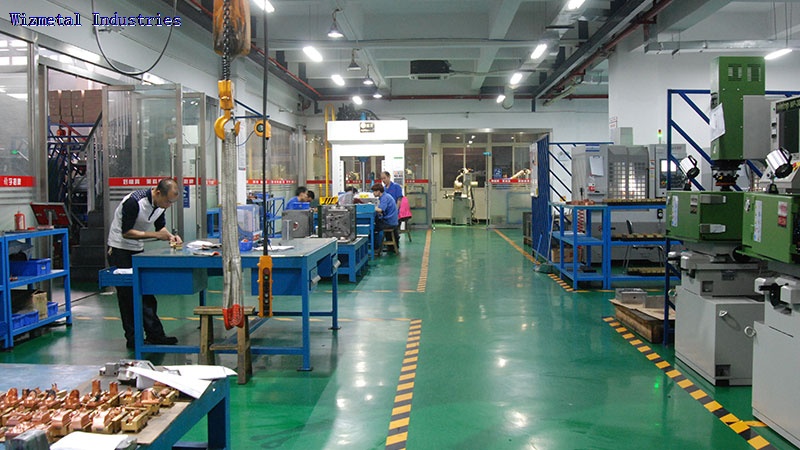
    Your first critical step is moving past curated online profiles. A professional website is a baseline, not a guarantee. Begin by verifying the company’s legal business license via official Chinese platforms. Request a detailed company profile that includes factory floor size, number of employees, engineering staff count, and a list of key machinery. For a silicone mould factory, specific equipment like vacuum casting machines and temperature-controlled curing ovens is as crucial as CNC mills. Crucially, ask for and contact references from their existing overseas clients, preferably in your region or industry. A legitimate China mold factory will be transparent. In 2026, leverage video call platforms to request real-time virtual factory tours; a refusal or hesitation is a significant red flag. This proactive verification separates marketing from manufacturing capability.

    Technical Alignment: Specifying for Silicone and Injection Mold Processes

    A common and costly error is providing incomplete or ambiguous specifications. Clearly define your end-use: Is the mold for low-volume prototyping, artisanal crafts, or high-volume production? This dictates the silicone type (e.g., platinum-cure vs. tin-cure), hardness (Shore A), and expected lifecycle. Distinguish between a silicone rubber mold for casting resins or concrete and a hard injection mold made of steel or aluminum for mass-producing plastic or silicone parts. Even when sourcing a silicone tool, understanding its interface with potential future injection mold production is forward-thinking. Provide comprehensive 3D drawings (STEP or IGS format) with critical tolerances called out. Include details on surface finish requirements, parting line location, and draft angles. The more precise your initial data package, the more accurate the quotation and the smoother the project will run, minimizing costly revisions.

    Navigating Quality Control: From DFM to Pre-Shipment Audit

    Quality is built into the process, not inspected in at the end. A reliable partner will initiate with a Design for Manufacturability (DFM) review. This collaborative feedback is a positive sign—it shows engineers are analyzing your design for moldability, suggesting improvements to reduce cost and avoid defects. Before production begins, agree on a First Article Inspection (FAI) protocol. This involves measuring the first samples from the new mold against all critical dimensions and documenting the results. For ongoing orders, define your Acceptable Quality Level (AQL) for sampling inspections. Finally, insist on a pre-shipment audit. This can be conducted by your own agent or a third-party quality control service. They will verify product quantity, functionality, packaging, and conduct random sample tests. This final checkpoint before shipment is non-negotiable for risk mitigation.

    Mastering Communication and Logistics for Seamless Procurement

    Effective procurement hinges on clear communication and logistical foresight. Establish a single point of contact on the supplier’s side who is technically fluent and has strong English skills. Use shared project management tools or simple, tracked email threads for all approvals and changes. Regarding logistics, understand Incoterms 2020 thoroughly. For molds, especially high-value ones, FOB (Free On Board) is often preferred, giving you control over the main shipping freight and insurance. Discuss packaging explicitly—molds, particularly precision injection molds, require rigid, foam-secured crates. Ensure your supplier provides all necessary documentation promptly: commercial invoice, packing list, and certificate of origin. For silicone rubber molds, also request material safety data sheets (MSDS). Proactive planning here prevents customs delays and ensures your tooling arrives in perfect condition.

    Building a Partnership for Long-Term Success

    View your initial mold order not as a one-off transaction but as the foundation of a manufacturing partnership. A dependable China mold factory becomes an extension of your R&D and production team. Discuss their capacity for mold maintenance, repair, and future modifications. How do they handle wear and tear on silicone tools or damage to an injection mold cavity? Understanding their after-sales support is critical. In 2026, leading factories are also adopting more sustainable practices and digital tracking of tooling lifecycles—factors that can enhance your own supply chain resilience and corporate responsibility profile. A successful partnership yields consistent part quality, scalability for future product lines, and ultimately, a stronger competitive position for your business.

    Conclusion

    Importing molds from China in 2026 demands a blend of diligent verification, technical clarity, and structured process control. The journey from sourcing to receiving a high-quality tool is paved with actionable steps: verify suppliers deeply, specify with extreme precision, integrate quality checks at every stage, manage communication and logistics meticulously, and always plan for the long term. By following this professional guide, you transform the complex procurement challenge into a strategic advantage. The right silicone mould factory is more than a vendor; it is a cornerstone of your product innovation and manufacturing success. Your diligence today in selecting a reliable partner will pay dividends for years to come in consistent quality, operational efficiency, and market agility.

    Work With Us

    As a professional China mold manufacturer, we provide one-stop mold solution for overseas buyers.
    📞 Phone: +86-18605944639
    💬 WhatsApp: +8618605944639
    🌐 Website: bestmoldworks.com
    📧 Email: [email protected]
  • injection mold: Complete Procurement Guide 2026 | China Mold Factory

    Importing an injection mold from China represents a significant strategic decision for overseas buyers, offering unparalleled cost advantages and manufacturing scalability. However, the path from concept to a high-quality, production-ready tool in your facility is fraught with potential pitfalls. This guide is designed to demystify the process, providing a clear, actionable framework for 2026 and beyond. We will move beyond generic advice to address the real challenges you face in supplier verification, technical communication, quality control, and logistics, ensuring your partnership with a China mold factory is built on a foundation of clarity and confidence.

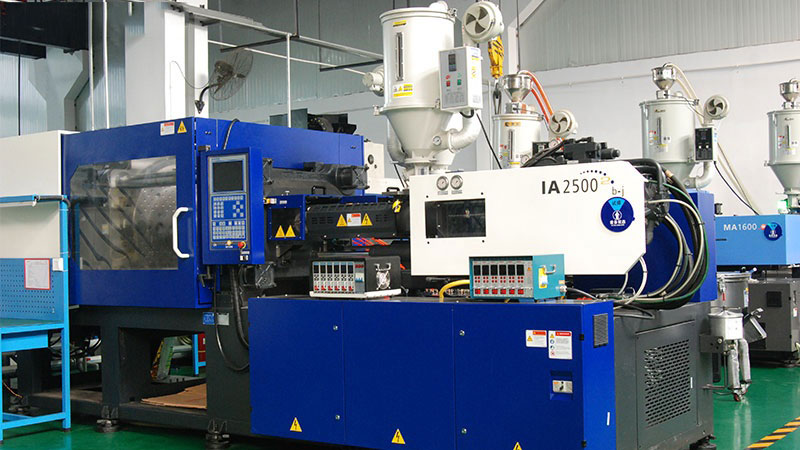
    The cornerstone of a successful import project is selecting the right partner. The initial search for a China mold factory can be overwhelming, with countless options ranging from small workshops to large-scale enterprises. Effective supplier verification is non-negotiable. Begin by scrutinizing their digital footprint—a professional website with detailed case studies, technical blogs, and client testimonials is a positive indicator. However, due diligence must go deeper. Request and actually contact references from past overseas clients, specifically those in your region or industry. Verify business licenses and export credentials. Crucially, assess their engineering capability by having a technical discussion about a past project similar to yours. A competent supplier will proactively ask detailed questions about your part material, expected volume, tolerances, and post-molding requirements, rather than simply quoting on a drawing. This phase is about building a shortlist of partners who are not just manufacturers, but potential engineering collaborators.

    Once a qualified supplier is identified, the procurement phase transitions to technical and commercial precision. The quotation for your injection mold is more than a price; it is a blueprint of understanding. Ensure your Request for Quotation (RFQ) package is exhaustive: include a detailed 3D part model (STEP or IGS), 2D drawings with critical dimensions and GD&T callouts, material specifications, expected annual volumes, and cosmetic requirements. A professional China mold factory will provide a breakdown covering mold base steel grade, cavity and core material (e.g., H13, S136), hot runner brand (if applicable), cooling layout, ejection system, and a clear timeline with milestone payments. Be wary of quotes that are suspiciously low; they often indicate substitutions in material quality, reduced machining hours, or lack of necessary treatments like nitriding or hardening. Negotiate from a position of knowledge, focusing on total lifecycle value—a slightly higher initial investment in a robust injection mold can save substantial costs in maintenance, downtime, and part quality over thousands of cycles.

    The most critical phase occurs after the order is placed but before the mold is shipped: proactive quality control. Do not operate on a “trust and hope” basis. Insist on a staged inspection protocol integrated into the contract. Key milestones include a Design Review meeting to approve mold flow analysis and mold structure drawings, a First Article Inspection (FAI) of the finished mold cavity and core, and a T1 sample approval from parts produced on their floor. For high-value tools, engaging a local third-party quality inspection firm to conduct an on-site Pre-Shipment Inspection (PSI) is highly recommended. They can verify steel hardness, check critical dimensions on a CMM, witness a sample production run, and document the process parameters. This objective oversight provides peace of mind and creates a tangible record of quality. Clear communication channels for daily or weekly updates, including photos and videos of progress, are essential to avoid surprises and ensure the project stays aligned with your specifications.

    Finally, navigating logistics, payment, and post-sales support requires careful planning. Work with your China mold factory to understand Incoterms—typically, FOB is a common and balanced choice, giving you control over the main shipping freight and insurance. Ensure the supplier provides a comprehensive packing list, commercial invoice, and all necessary customs documentation. The mold should be securely packed in a wooden crate with proper desiccant to prevent rust during transit. Discuss payment terms that balance risk; a common structure is 30-50% deposit, 40-60% before shipment, and potentially a 10% retention after successful trial in your facility. Crucially, formalize the post-sales support terms. A reliable supplier will provide a clear warranty period (e.g., 12-18 months) covering workmanship and material defects, and commit to supplying spare components like ejector pins and heaters at a reasonable cost. Establish a protocol for technical support to assist with mold setup and troubleshooting during your initial production runs.

    Successfully importing an injection mold from a China mold factory in 2026 is a systematic process that rewards diligence and partnership. By rigorously verifying suppliers, mastering the technical procurement dialogue, implementing layered quality control, and structuring clear logistical and support agreements, you transform a complex international transaction into a competitive advantage. The goal is to secure more than a tool; it is to establish a reliable extension of your manufacturing capability. With this comprehensive guide as your roadmap, you are equipped to approach the market with confidence, ensuring your investment yields a precision injection mold that delivers consistent quality and drives your product’s success for years to come.

    Work With Us

    As a professional China mold manufacturer, we provide one-stop mold solution for overseas buyers.
    📞 Phone: +86-18605944639
    💬 WhatsApp: +8618605944639
    🌐 Website: bestmoldworks.com
    📧 Email: [email protected]
  • custom plastic molding company near me: Professional 2026

    For overseas buyers and procurement specialists, the search for a reliable “custom plastic molding company near me” often concludes with a strategic pivot: looking towards China. The concentration of manufacturing expertise, advanced capabilities, and cost efficiency in China’s industrial regions is unparalleled. However, the geographical and cultural distance presents real challenges in supplier verification, quality control, and project management. This professional guide for 2026 cuts through the noise, providing actionable strategies to transform the phrase “custom plastic molding company near me” from a local search into a successful global procurement operation with a trusted China mold factory.

    Redefining “Near Me” in a Globalized Supply Chain

    In 2026, proximity is no longer just a measure of physical distance but of logistical integration and communication efficiency. The most successful importers understand that a capable partner, even an ocean away, can feel closer than an under-resourced local shop. Your goal shifts from finding a geographically close factory to creating operational closeness with a specialist in China. This begins with a precise definition of your project requirements. Before engaging any supplier, prepare detailed part drawings, material specifications (including resin type and grade), expected annual volumes, tolerance requirements, and surface finish expectations. This clarity becomes your universal language, enabling precise communication and accurate quotations from potential partners, ensuring you are comparing like-for-like proposals.

    Strategic Supplier Verification Beyond the Website

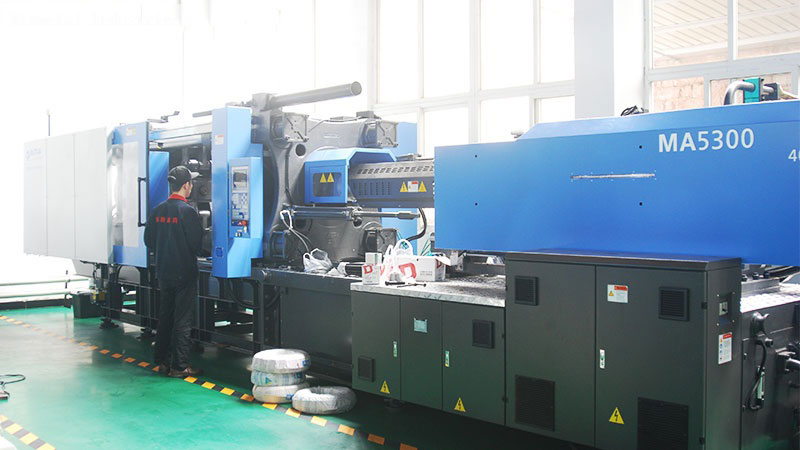
    The initial online search for a China mold factory will yield hundreds of options. Verification is the critical next step. Move beyond glossy websites by insisting on a virtual factory tour via video call. This 2026 standard practice allows you to audit their machinery (e.g., CNC, EDM, injection molding machines), workshop organization, and quality control stations in real-time. Request and contact references from existing overseas clients, specifically those in your region or industry. Crucially, verify their business licenses and export credentials. Utilize third-party inspection services for an initial background check. This multi-layered verification process filters out intermediaries and identifies true manufacturing partners with a proven track record in export operations.

    Mastering the Technical and Commercial Dialogue

    Effective procurement hinges on a deep technical dialogue. Focus discussions on the injection mold design phase. A professional supplier will offer Design for Manufacturability (DFM) feedback, suggesting modifications that enhance mold life, improve part quality, and reduce cost. Discuss mold flow analysis to anticipate and solve filling issues before steel is cut. Commercially, understand the cost breakdown. A transparent quote will separate mold cost from part price. For the mold, clarify steel grade (e.g., P20, H13), cavity count, lifespan expectations, and warranty. For parts, understand the piece price at different volume tiers. Always use a detailed, legally-vetted procurement contract that covers IP ownership, payment terms (e.g., 30/40/30 split is common), delivery schedule, and quality acceptance criteria.

    Implementing Proactive Quality Control Protocols

    Waiting for the first article inspection after mold completion is a high-risk strategy. Implement a phased quality control protocol. Start with a pre-production inspection of the mold steel and critical components. The next vital stage is the First Article Inspection (FAI) upon initial trial shots. Require comprehensive inspection reports with dimensional data, CMM reports if applicable, and photos/videos of the parts. For ongoing production, define your Acceptable Quality Level (AQL) and stipulate periodic production inspections, either conducted by your appointed agent or a third-party service. Many professional Chinese mold manufacturers in 2026 are equipped with sophisticated metrology tools and can provide real-time data sharing, creating a transparent quality partnership that mitigates the risk of defective goods arriving at your port.

    Navigating Logistics and Building a Long-Term Partnership

    Finalizing a perfect mold and parts is only part of the journey. Work with your supplier on export logistics. A reliable partner will have experience preparing all necessary shipping documents, commercial invoices, and packing lists. Discuss and agree on incoterms 2026 (e.g., FOB, EXW) clearly to define responsibilities and costs. For the mold itself, ensure proper preservation and packaging to prevent corrosion during sea freight. View this initial project not as a one-off transaction but as the foundation of a strategic partnership. A well-executed first mold build establishes trust, processes, and understanding that can lead to streamlined development for future projects, effectively making your chosen China mold factory a seamless extension of your own supply chain.

    Conclusion

    The quest for a “custom plastic molding company near me” in 2026 is, for the astute overseas buyer, a process of building a bridge to specialized manufacturing hubs in China. By redefining proximity through communication, conducting rigorous supplier verification, engaging in technical collaboration, enforcing staged quality control, and managing logistics with clarity, the perceived distance shrinks significantly. The outcome is not merely a cost-effective injection mold but a reliable, transparent, and professional partnership that delivers competitive advantage. In today’s interconnected market, your most valuable molding partner may not be down the street, but with the right approach, they will operate as if they are.

    Work With Us

    As a professional China mold manufacturer, we provide one-stop mold solution for overseas buyers.
    📞 Phone: +86-18605944639
    💬 WhatsApp: +8618605944639
    🌐 Website: bestmoldworks.com
    📧 Email: [email protected]
  • injection mould Manufacturerturers in China: Reliable M 2026

    For overseas buyers, sourcing injection molds from China remains a strategic decision to balance quality, innovation, and cost-effectiveness. However, the landscape in 2026 is defined by increased sophistication and competition. The challenge is no longer merely about finding a manufacturer, but about identifying a reliable partner capable of delivering precision, consistency, and transparent collaboration. This guide cuts through the noise to provide actionable strategies for engaging with top-tier injection mould manufacturers in China, ensuring your procurement journey in 2026 is built on a foundation of reliability and mutual success.

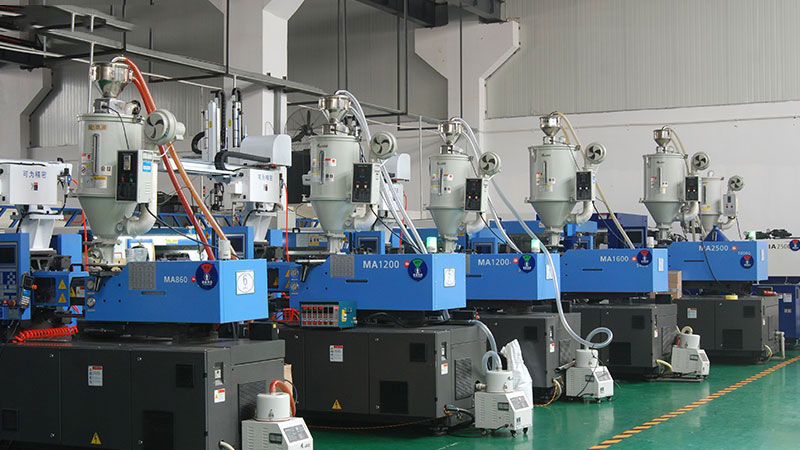
    The cornerstone of any successful import project is rigorous supplier verification. Moving beyond Alibaba listings and website claims is non-negotiable. Start by verifying the manufacturer’s business license via official Chinese platforms. Then, insist on a live video tour of their facility. A reputable China mold factory will readily showcase their CNC machining centers, EDM equipment, mold trial presses, and quality control stations. Pay close attention to their workshop organization and the technology generation of their machinery. Furthermore, request and contact a minimum of three past international clients, specifically those with projects similar in complexity and volume to yours. This due diligence filters out trading companies and under-equipped workshops, directing you toward genuine, capable injection mould manufacturers in China.

    Once a potential partner is identified, mastering the technical and commercial quotation process is critical. A professional quotation for your injection mold should be exhaustive, not just a single bottom-line price. It must itemize costs for mold design, material (specifying steel grade and hardness, e.g., P20, H13, S136), cavity number, surface finish (SPI/VDI standards), expected cycle life, and all ancillary costs like spare parts and shipping. Crucially, it should include a detailed project timeline with milestones for design approval, T1 sample, and delivery. In 2026, leading manufacturers utilize digital collaboration tools. Ensure they can provide 3D mold flow analysis reports before cutting steel. This simulation predicts filling, cooling, and potential defects, transforming the development phase from a gamble into a data-driven engineering process, mitigating risk before any physical manufacturing begins.

    The most pivotal phase is the implementation of a proactive, evidence-based quality control protocol. Do not adopt a “wait-and-see” approach until shipment. Define clear, measurable quality standards upfront, referencing international systems like DME or HASCO. The First Article Inspection (FAI) is your most powerful tool. Insist on a comprehensive dimensional report of the T1 samples, measured with CMM (Coordinate Measuring Machine) against the agreed CAD drawings. Witness this process via video if an on-site visit isn’t feasible. Additionally, require samples from the mold to be produced and shipped to you for approval before the mold is finalized. This allows for real-world testing of the parts’ form, fit, and function. Partnering with a reliable local third-party inspection firm for a pre-shipment audit of the finished mold adds a final, objective layer of security to your quality control strategy.

    Navigating intellectual property protection and post-sales support requires clear contractual frameworks. A professional manufacturing agreement should explicitly state that the mold design and tooling are your property. Include clauses that prohibit the manufacturer from using your mold for other clients or replicating your design. Physically, ensure your company name and mold number are permanently engraved on the tool. Regarding support, define the terms for mold maintenance, repair, and warranty. A reliable partner will offer a standard warranty period (e.g., 12-18 months) against material and workmanship defects and provide clear pricing for future maintenance. Discuss their policy on storing your mold if you plan for production pauses. These logistical details, formalized in a contract, prevent costly misunderstandings and ensure a long, productive lifecycle for your injection mold.

    Effective communication and cultural alignment are the glue that holds the technical process together. Establish a single point of contact on both sides who possesses technical English proficiency. Utilize collaborative platforms that allow for markups on drawings and centralized feedback to avoid email confusion. Understand that the Chinese business culture values long-term relationships (guanxi). Demonstrate respect through clear, consistent communication and prompt feedback. While being firm on technical standards, approach negotiations with a collaborative mindset, seeking win-win solutions. Scheduling regular update calls, even when milestones are on track, builds trust and ensures alignment, transforming a transactional procurement into a strategic partnership with your China mold factory.

    In conclusion, reliably sourcing from injection mould manufacturers in China in 2026 demands a methodical, informed approach that leverages modern verification and collaboration tools. By implementing stringent supplier verification, demanding transparent technical processes, enforcing rigorous quality control, securing your IP contractually, and fostering clear communication, you transform inherent risks into manageable, predictable steps. The goal is to move beyond being just an overseas buyer to becoming a valued international partner. This strategic framework empowers you to tap into China’s unparalleled manufacturing ecosystem for injection molds, ensuring you receive not just a tool, but a durable asset that drives your product’s success for years to come.

    Work With Us

    As a professional China mold manufacturer, we provide one-stop mold solution for overseas buyers.
    📞 Phone: +86-18605944639
    💬 WhatsApp: +8618605944639
    🌐 Website: bestmoldworks.com
    📧 Email: [email protected]
  • Custom silicone molds for resin: Professional Buying Gu 2026

    For overseas entrepreneurs, artisans, and businesses, the allure of creating unique resin products is undeniable. The cornerstone of this creativity often lies in a custom silicone mold, defining the detail, consistency, and quality of every cast. Sourcing these molds directly from China offers significant advantages in cost and customization capability, but the procurement journey is fraught with potential pitfalls for the uninitiated. This professional guide for 2026 is designed to cut through the noise, providing actionable, real-world strategies to navigate the Chinese manufacturing landscape. We move beyond generic advice to solve the specific problems you face in securing high-quality, reliable custom silicone molds for resin.

    The foundation of a successful import project is supplier verification. This step is non-negotiable. In 2026, due diligence extends far beyond a cursory glance at a company website. Begin with a multi-platform check: cross-reference potential suppliers on B2B platforms like Alibaba with their official business registration on Chinese government sites. Request and verify their business license via a third-party verification service. However, the most critical action is to insist on a video audit of the China mold factory. A live walkthrough allows you to assess their workshop environment, machinery, and team expertise in creating silicone molds specifically for resin casting. Observe their process: do they use vacuum degassing chambers to eliminate bubbles? What is the shore hardness of their silicone? A professional supplier will confidently showcase their facility and answer technical questions in real-time, separating genuine manufacturers from trading intermediaries.

    Once a potential partner is identified, the focus shifts to technical specification and prototyping. Ambiguity here is the primary cause of failed projects. Your communication must be precise and visual. Instead of simply describing your design, provide professional 3D drawings (in STEP or IGS format) with clear, dimensioned technical schematics. Specify the exact silicone material properties required for resin: platinum-cure versus tin-cure silicone, the required shore hardness (often A20-A40 for flexible resin demolding), and any need for high-temperature resistance for certain casting processes. A reputable supplier will engage in a technical review and typically produce a 3D printed or soft prototype of your custom silicone mold for resin for your approval before committing to the final mold. This step, though it incurs a small cost, is invaluable for catching design flaws and ensuring the final product meets your exact requirements for undercuts, draft angles, and parting lines.

    The procurement process for a custom silicone mold is fundamentally different from ordering standard products. Understand the cost breakdown: it is primarily driven by design complexity and the labor-intensive nature of mold making, not just raw material volume. Be wary of quotes that seem unusually low; they often indicate inferior silicone quality or poor craftsmanship, leading to short mold life and defective resin casts. Negotiate with a focus on long-term partnership and clear payment terms—a standard structure is 50% deposit and 50% before shipment. Crucially, integrate pre-shipment quality control into your contract. This is not an optional extra. Hire a third-party inspection company or stipulate that the supplier must provide specific QC reports: high-resolution photos of the finished mold, a video demonstrating a successful test cast with resin, and measurements verifying dimensional accuracy against your drawings. This proactive measure prevents the costly discovery of defects after the mold has already been shipped overseas.

    For buyers considering higher-volume production or exploring complementary products, understanding the broader manufacturing ecosystem in China is advantageous. Many suppliers specializing in custom silicone molds for resin also have partnerships or in-house capabilities for injection mold manufacturing for producing the master patterns or for related plastic components. When discussing your project, inquire about these capabilities. A supplier with a holistic understanding of the entire production chain, from master model creation (often via CNC or 3D printing) to the final silicone mold, can offer more integrated solutions and potentially streamline your supply chain. This knowledge positions you to make more strategic decisions as your business scales, potentially consolidating different manufacturing needs with a single, verified expert partner.

    Successfully importing custom silicone molds from China in 2026 demands a professional, detail-oriented approach. The journey from concept to a perfect mold in your workshop hinges on rigorous supplier verification, crystal-clear technical communication, a firm grasp of the true cost drivers, and an uncompromising commitment to pre-shipment quality control. By treating your Chinese mold manufacturer as a strategic partner and employing the structured procurement tactics outlined in this guide, you transform a complex international transaction into a reliable and rewarding business process. The result is not just a tool, but a foundation for creativity and commercial success: a high-quality, durable custom silicone mold that brings your unique resin visions to life, batch after consistent batch.

    Work With Us

    As a professional China mold manufacturer, we provide one-stop mold solution for overseas buyers.
    📞 Phone: +86-18605944639
    💬 WhatsApp: +8618605944639
    🌐 Website: bestmoldworks.com
    📧 Email: [email protected]
  • plastic moulding factory near me: Ultimate Guide for 2026

    For overseas buyers, the search for a “plastic moulding factory near me” is often a metaphor for a broader, more complex quest: finding a reliable, high-quality, and cost-effective manufacturing partner in China. The geographical distance implied in “near me” transcends physical location, speaking instead to proximity in trust, communication, and seamless integration into your supply chain. As we approach 2026, the landscape of importing molds from China has evolved, becoming more sophisticated and competitive. This guide is designed to cut through the noise and provide you with a professional, actionable framework for successful procurement, moving you from a simple search to a verified partnership.

    **Redefining Your Search: From Geography to Capability Verification**

    The initial impulse to find a local plastic moulding factory near you is understandable, but for mold and part production, China remains the global epicenter due to its unparalleled ecosystem of materials, engineering talent, and economies of scale. Your primary goal should shift from geographic proximity to capability alignment. Begin by meticulously defining your project requirements: mold complexity, material (e.g., PP, ABS, PC), expected lifespan (number of cycles), part volume, and tolerance specifications. This clarity becomes your benchmark. Then, leverage modern B2B platforms like Made-in-China.com or Global Sources not for their “near me” filters, but for their supplier verification badges and transaction history. More strategically, use professional networks like LinkedIn to identify engineers and sales directors at established China mold factory operations. The “near me” solution in 2026 is a supplier whose operational capabilities are a perfect match for your technical needs, regardless of their base in Dongguan, Ningbo, or Shenzhen.

    **The Cornerstone of Success: Rigorous Supplier Verification and Audit**

    Once you have a shortlist, the most critical phase begins: supplier verification. This step separates successful importers from those facing costly delays and quality failures. Do not rely solely on factory-provided brochures. First, conduct a thorough background check: verify business licenses, export history, and check for any litigation. Insist on a virtual factory audit via video call. A reputable injection mold manufacturer will readily conduct a live walkthrough of their facility. During this tour, focus on their machinery (brands and condition of CNC, EDM, and injection molding machines), their workshop organization (5S principles), and their quality control stations. Request and contact references from their existing overseas clients, specifically those in your region or industry. Furthermore, assess their communication proficiency and project management structure. A supplier with a dedicated English-speaking project engineer is far more valuable than one that is merely geographically closer. This due diligence is your most effective tool for mitigating risk.

    **Mastering the Technical and Commercial Dialogue: RFQ and Contract Clarity**

    A precise Request for Quotation (RFQ) is the blueprint for a successful project. To obtain comparable and accurate quotes from your shortlisted China mold factory candidates, your RFQ must be exhaustive. Include not just part drawings (STEP/IGES files preferred), but also a detailed specification sheet covering material grade, surface finish (SPI/VDI standards), tolerance requirements, and expected annual volumes. For the injection mold itself, specify mold steel (e.g., S136, P20), hot runner system preferences, cavity count, and maintenance expectations. When quotes arrive, analyze them holistically. The lowest price often signals corners cut on steel quality, component brands, or post-sales support. Your contract must be explicit, covering intellectual property ownership (all your designs and tooling), payment terms (e.g., 40% deposit, 30% after T1 sample approval, 30% before shipment), a detailed project timeline with milestones, and warranty terms for both workmanship and mold life. Clarity here prevents disputes later.

    **Implementing Proactive and In-Process Quality Control**

    Quality cannot be inspected into a product; it must be built into the process. For overseas buyers, establishing a robust quality control protocol is non-negotiable. Do not wait until the final sample inspection. Instead, mandate staged inspections at critical points: after mold design review, after mold fabrication (First Article Inspection – FAI of the mold itself), and most importantly, during the initial Trial Run (T1) sample production. For this, you have several options. You can hire a trusted third-party quality inspection firm in China to conduct on-site inspections and provide detailed reports with photos and measurements. Alternatively, for high-value projects, arrange for a visit from your own technical team. For the T1 samples, insist on a full-dimensional report (CMM data) and a first-article inspection report comparing the samples against all drawing specifications. This in-process QC approach allows for corrections early in the cycle, saving significant time and cost compared to rejecting an entire production lot after shipment.

    **Navigating Logistics, IP Protection, and Building Long-Term Partnership**

    The final hurdles are logistical and legal. Work with your chosen plastic moulding factory near me—or more accurately, your verified partner in China—to understand Incoterms (FOB Shanghai is common). Decide whether they will handle export formalities or if you will use a freight forwarder. For the mold itself, consider shipping method (air for urgency, sea for cost) and insurance. Regarding intellectual property, while a strong contract is foundational, practical steps include registering your designs in China where possible and ensuring your contract stipulates that all molds, designs, and associated data are your exclusive property, with the factory prohibited from replication. Finally, view successful procurement as the start of a partnership. A reliable China mold factory is a strategic asset. Provide clear feedback, settle payments promptly, and discuss future projects. This fosters loyalty, often leading to priority service and continuous improvement in your projects, making them feel like the most responsive “near me” partner you could have, half a world away.

    **Conclusion**

    The journey to import high-quality molds from China in 2026 demands a strategic, verification-heavy approach. By moving beyond a simplistic geographic search for a “plastic moulding factory near me” and focusing instead on deep capability assessment, rigorous supplier audits, crystal-clear technical communication, proactive quality control, and solid legal frameworks, you transform procurement from a risky venture into a competitive advantage. The ultimate “near me” solution is a Chinese manufacturing partner whose reliability, transparency, and quality standards align so closely with your own that the physical distance becomes irrelevant. Start your next project with this guide in hand, and build the supplier relationship that will drive your product’s success for years to come.

    Work With Us

    As a professional China mold manufacturer, we provide one-stop mold solution for overseas buyers.
    📞 Phone: +86-18605944639
    💬 WhatsApp: +8618605944639
    🌐 Website: bestmoldworks.com
    📧 Email: [email protected]

  • rubber mold manufacturers: Ultimate Guide for Buyers 2026

    For businesses worldwide, sourcing custom rubber molds represents a significant step in product development and manufacturing. As we move into 2026, China remains a global powerhouse for precision tooling, offering a compelling combination of advanced technology, extensive experience, and competitive cost structures. However, navigating the landscape of Chinese mold suppliers requires a strategic and informed approach to ensure a successful partnership. This ultimate guide is designed to provide overseas buyers with actionable, professional insights for procuring high-quality rubber molds from China, mitigating risks, and securing a reliable supply chain for the years ahead.

    The foundation of a successful import project lies in meticulous supplier verification. Moving beyond a simple online search is paramount. Begin by identifying a shortlist of potential China mold factory partners through reputable B2B platforms, industry referrals, and detailed company audits. Scrutinize their business licenses, export history, and client portfolio—specifically looking for experience with overseas clients in your industry. A critical step is to request and thoroughly review detailed case studies or samples of previous work, particularly for rubber or silicone molds. During this phase, direct video calls with their engineering and project management teams are invaluable. These interactions allow you to assess their technical communication skills, understand their process, and gauge their responsiveness, setting the stage for a transparent relationship.

    Once a potential partner is identified, mastering the technical and commercial discussion is your next crucial task. The most common point of failure in mold procurement is ambiguous communication. Provide your selected rubber mold manufacturers with exceptionally clear and detailed specifications. This should include comprehensive 3D CAD files (STEP, IGS), 2D drawings with critical tolerances, material specifications for both the mold (e.g., pre-hardened steel, aluminum) and the final rubber part (e.g., silicone, EPDM, Nitrile), and expected production volume. Clearly discuss mold life expectancy, cavitation, and any secondary operations like texturing or plating. Simultaneously, obtain a transparent quotation that breaks down costs for mold design, materials, machining, sampling, and shipping. Understand their payment terms (typically a staggered schedule like 50/40/10) and lead time estimates. Clarifying these elements upfront prevents costly misunderstandings and change orders later.

    Implementing a robust quality control protocol from the outset is non-negotiable. Do not wait until shipment to inspect the final product. Engage with your supplier to establish key inspection points throughout the manufacturing journey. The First Article Inspection (FAI) is the most critical. Insist on receiving physical samples from the production mold, along with a detailed inspection report that includes dimensional measurements, material certifications, and functionality tests. For high-value or high-volume projects, consider hiring a local third-party quality inspection firm to conduct an in-process audit at the China mold factory during the trial stage. This proactive measure allows for corrections before full production commences. Furthermore, discuss and agree upon the packaging standards to ensure the mold arrives undamaged, using custom wooden crates for protection during ocean freight.

    Building a successful long-term partnership extends beyond the initial order. View your chosen supplier as a strategic extension of your manufacturing capability. Foster clear and consistent communication, providing constructive feedback on samples and production batches. Reliable rubber mold manufacturers will appreciate this collaboration, as it leads to continuous improvement. Discuss their capacity for mold maintenance, repair, and future modifications. A forward-thinking supplier can become a partner for your entire product lifecycle. Additionally, stay informed on logistics and trade regulations for 2026. Work with your supplier to ensure all shipping documents, including commercial invoices, packing lists, and certificates of origin, are accurately prepared to facilitate smooth customs clearance in your country. Understanding Incoterms (like FOB or EXW) is essential to delineate responsibilities and costs clearly.

    In conclusion, importing molds from China in 2026 presents a tremendous opportunity for cost-effective and high-quality tooling procurement. The journey, from initial supplier verification to final delivery, demands a professional, detail-oriented, and proactive approach. By rigorously vetting your China mold factory, communicating specifications with precision, enforcing stringent quality control measures, and nurturing a transparent partnership, you can significantly de-risk the process. The goal is to transform the complex task of overseas procurement into a streamlined, reliable, and valuable component of your business strategy. By applying the actionable steps outlined in this guide, you are well-positioned to identify and collaborate with top-tier rubber mold manufacturers, securing a competitive advantage for your products in the global marketplace.

    Work With Us

    As a professional China mold manufacturer, we provide one-stop mold solution for overseas buyers.
    📞 Phone: +86-18605944639
    💬 WhatsApp: +8618605944639
    🌐 Website: bestmoldworks.com
    📧 Email: [email protected]

  • custom injection molding parts: Ultimate Guide for Buy 2026

    Importing custom injection molding parts from China remains a strategic move for businesses worldwide seeking to optimize manufacturing costs and access specialized production capabilities. As we look toward 2026, the landscape is evolving with increased digital integration, higher automation, and a sharper focus on supply chain resilience. For overseas buyers, success hinges on a refined, informed approach that goes beyond simple price comparison. This ultimate guide provides a professional, actionable framework to navigate the procurement of high-quality custom injection molding parts from China, ensuring your project is cost-effective, on-spec, and delivered reliably.

    The foundation of a successful import project is selecting the right China mold factory. The initial search will yield countless options, making verification critical. Start by moving past glossy websites and generic B2B platform listings. Request detailed case studies that match your part’s complexity in material, size, and tolerance. A competent supplier should readily provide these. Insist on a video conference for a virtual factory tour; observe the workshop organization, machinery brands (e.g., Haitian, Engel, or Arburg presses), and cleanliness. Crucially, verify their expertise in your specific industry—whether automotive, medical, consumer electronics, or packaging—as regulatory and quality standards differ vastly. This step filters out trading companies and aligns you with manufacturers possessing genuine engineering capability for your custom injection molding parts needs.

    Once a potential partner is identified, the technical and commercial procurement phase begins. Your request for quotation (RFQ) package must be impeccable. Include not just a 3D CAD model (STEP or IGS format), but also a comprehensive specification document detailing material grade (including color and supplier preferences), critical dimensions and tolerances (GD&T if applicable), cosmetic requirements (SPI finish standards), and expected annual volumes. For the injection mold itself, discuss mold life expectancy (number of shots), cavity layout, cooling channel design, and maintenance protocols. Transparency here prevents misunderstandings. When quotes arrive, analyze the cost breakdown: mold cost, piece-part price, and any ancillary fees for packaging or documentation. Remember, the cheapest mold often becomes the most expensive due to premature failure, part quality issues, and production delays.

    Supplier verification is a multi-layered process that protects your investment. Conduct a third-party audit if the project scale justifies it, focusing on quality management systems (ISO 9001 is standard; ISO 13485 for medical, IATF 16949 for automotive). Investigate their internal measurement and testing equipment—are they using precision tools like CMMs, optical comparators, and rheometers for material checks? Request contact information for existing overseas clients and seek unbiased references. Furthermore, clarify their approach to intellectual property (IP) protection. A professional factory will sign a Non-Disclosure Agreement (NDA) and may offer mold storage exclusivity agreements. This due diligence is your primary defense against operational and legal risks.

    Implementing rigorous quality control (QC) from the start is non-negotiable. Agree on a staged QC protocol before order placement. This typically includes: First Article Inspection (FAI) using detailed reports (often PPAP level 1 or 2) to verify the initial samples against all drawings; a Dimensional Report from the mold trial; and pre-shipment inspections for production batches. For critical components, consider hiring a local third-party QC firm in China to conduct in-process inspections during production runs. Clearly define Acceptable Quality Levels (AQL) for visual and dimensional checks in your purchase order. Effective QC is proactive, not reactive, and ensures the injection mold produces parts consistently to your specification throughout its lifespan.

    Navigating logistics, communication, and post-sales support completes the cycle. Understand Incoterms 2020: FOB is common, but EXW or CIF may suit your logistics setup better. Ensure the supplier provides proper mold and part packaging to prevent transit damage. Establish clear communication channels and a single point of contact, preferably a project engineer fluent in technical English. Utilize shared project management tools for tracking milestones, approvals, and issues. Finally, discuss post-sales support upfront. What is the warranty period for the mold? How are repair costs handled? What is the process for ordering future production runs or spare parts? A reliable partner views this as a long-term relationship.

    As the global market advances toward 2026, importing custom injection molding parts from China will increasingly favor prepared and professional buyers. The journey from concept to delivered parts demands a systematic approach centered on meticulous supplier selection, precise technical communication, uncompromising verification, and embedded quality control. By treating your Chinese mold manufacturer as a strategic engineering partner rather than a mere vendor, you unlock not only cost savings but also innovation, scalability, and a competitive edge. Begin your next project with this framework to build a transparent, efficient, and resilient supply chain for the future.

    Work With Us

    As a professional China mold manufacturer, we provide one-stop mold solution for overseas buyers.
    📞 Phone: +86-18605944639
    💬 WhatsApp: +8618605944639
    🌐 Website: bestmoldworks.com
    📧 Email: [email protected]

  • plastic mold factory: Reliable Manufacturers Guide 2026

    For overseas businesses, importing molds from China remains a strategic move to achieve significant cost savings and access specialized manufacturing expertise. However, the journey from identifying a potential supplier to receiving a flawless injection mold is fraught with challenges. Vetting the wrong plastic mold factory can lead to costly delays, subpar quality, and project failure. This guide for 2026 cuts through the noise, providing a professional, actionable framework to help you navigate the procurement process and build a successful partnership with a reliable China mold factory.

    The cornerstone of successful procurement is rigorous supplier verification, which must extend far beyond a simple website check. In 2026, due diligence is multi-layered. Start with a deep dive into the factory’s technical capabilities. Request detailed case studies or portfolios that match your project in complexity, material, and industry. A professional plastic mold factory will readily provide these. Subsequently, initiate a video call for a real-time virtual factory tour. Insist on seeing the production floor, quality control stations, and testing equipment. This step is non-negotiable; it verifies their claimed capabilities and gives insight into their operational standards. Furthermore, leverage international business verification platforms to check their legal registration and export history. Finally, ask for and contact references from their existing overseas clients. Direct feedback on communication, problem-solving, and adherence to deadlines is invaluable intelligence that no brochure can provide.

    Once a potential partner is identified, mastering the technical and commercial quotation process is critical. A professional quotation from a reputable China mold factory is a document in itself, not just a price list. It should meticulously detail mold specifications: steel grade and hardness, cavity and core material, lifecycle expectations, surface finish, and tolerances. Crucially, it must clearly state what is included: the number of trial shots, dimensional inspection reports, and the format of deliverables. Be wary of suspiciously low quotes; they often signal the use of inferior materials, outdated machinery, or hidden costs that will surface later. In your request for quote, provide a comprehensive package: a 3D model, 2D drawings with critical dimensions highlighted, material specifications for the final plastic part, and expected annual volumes. This clarity allows for accurate costing and demonstrates your professionalism, fostering a more serious and engaged response from the supplier.

    Proactive and structured quality control is your primary defense against defects. Do not assume quality; build it into the process contractually. Define and agree upon Quality Control inspection points before production begins. For an injection mold, these typically include a First Article Inspection after the mold trial, where sample parts are measured against your drawings. Partner with a reliable third-party inspection service in China for critical milestones, such as the mold design review, steel material certification, and pre-shipment audit. These inspectors act as your eyes on the ground, providing unbiased reports. Additionally, insist on a comprehensive mold trial video. This should show the mold in operation, the ejection of parts, and the operator measuring key dimensions. This visual evidence is a powerful tool to verify function before the mold leaves the factory, preventing disputes and ensuring the final product meets your specifications.

    Clear contracts and strategic logistics planning solidify the entire endeavor. A formal proforma invoice and contract must encapsulate all agreed terms: payment schedule, intellectual property ownership, warranty period, liability for delays, and protocols for handling design changes. A reliable plastic mold factory will be transparent and agreeable to fair contractual terms. Regarding logistics, plan for mold transportation early. Molds are heavy, high-value, and sensitive. Discuss packaging requirements with your supplier to prevent rust and damage during transit. Decide whether you will manage shipping or use the supplier’s freight forwarder. For high-value molds, consider marine insurance. Factor in import duties and customs clearance procedures in your destination country; a experienced exporter can often provide the necessary documentation but consult with your local broker to ensure a smooth arrival.

    Building a relationship with your chosen manufacturer is an investment that yields long-term dividends. View your supplier not as a transactional vendor, but as a technical partner. Consistent, clear communication is vital. Appoint a single point of contact on both sides to streamline information flow. Schedule regular update meetings during the project to preempt issues. After successful completion, provide constructive feedback. A trustworthy China mold factory values this input and will use it to serve you better on future projects. This collaborative approach transforms a single purchase into an enduring supply chain asset, giving you a competitive edge in your market.

    Importing injection molds from China in 2026 demands a blend of technological understanding, diligent process management, and relationship building. The landscape is competitive, and the most reliable manufacturers seek out informed, professional buyers. By implementing this guide—emphasizing thorough supplier verification, detailed technical communication, embedded quality control, and clear contractual agreements—you significantly de-risk your procurement process. The goal is to move beyond simply finding a supplier to cultivating a partnership with a plastic mold factory that drives your product quality and business growth for years to come.

    Work With Us

    As a professional China mold manufacturer, we provide one-stop mold solution for overseas buyers.
    📞 Phone: +86-18605944639
    💬 WhatsApp: +8618605944639
    🌐 Website: bestmoldworks.com
    📧 Email: [email protected]

  • Custom silicone molds for resin: Reliable Manufacturers 2026

    For overseas buyers, from boutique artisans to scaling manufacturers, sourcing custom silicone molds for resin presents a significant opportunity. China remains the global epicenter for mold manufacturing, offering unparalleled expertise, scalability, and cost efficiency. However, the path to a successful partnership hinges on navigating the landscape with precision. This guide is designed to provide actionable, forward-looking strategies for identifying and collaborating with reliable Chinese manufacturers in 2026, ensuring your procurement process yields high-quality, durable, and perfectly tailored molds for your resin art or production needs.

    The cornerstone of a successful import venture is rigorous supplier verification. In 2026, due diligence extends beyond a simple website check. Begin by identifying specialized China mold factory operations with proven portfolios in silicone rubber molding, not just general injection mold shops. Scrutinize their online presence for detailed case studies, particularly those involving intricate designs, undercuts, and a variety of mold hardness (Shore A) options. Utilize third-party verification platforms to confirm business licenses, export credentials, and factory audits. A critical step is to request and actually contact past overseas clients. A reliable supplier for your custom silicone molds for resin will be transparent and provide these references, demonstrating a history of satisfied international partnerships and an understanding of export logistics.

    Once a potential partner is shortlisted, mastering the technical dialogue is essential. The proficiency of a China mold factory is often revealed in their questioning. Expect and value manufacturers who inquire deeply about your resin type (epoxy, polyurethane), intended cure time, desired mold lifespan (number of pulls), and the specific release agents you plan to use. They should advise on draft angles, parting line placement, and venting strategies to prevent air bubbles. Distinguish their expertise from standard injection mold knowledge; silicone molding involves liquid casting, vacuum degassing, and curing processes entirely different from plastic injection. Providing a precise 3D model is non-negotiable. This file becomes the universal language, minimizing errors and allowing for a accurate quotation. Clear communication at this stage prevents costly revisions later.

    Proactive quality control (QC) protocols must be agreed upon before production commences. Do not assume standards; define them contractually. For custom silicone molds for resin, key QC checkpoints include: dimensional accuracy against the CAD model, Shore A hardness testing, visual inspection for bubbles or imperfections, and a first-article test cast. Insist on documented evidence at each stage. Many reputable factories offer third-party inspection services from firms like SGS or Bureau Veritas, which can be invaluable for overseas buyers. Furthermore, discuss the material certification for the platinum-cure or tin-cure silicone rubber being used. A reliable 2026 manufacturer will have a transparent, documented QC pipeline and welcome your specified inspection milestones, viewing them as a partnership for quality rather than an obstacle.

    Understanding the total cost and timeline structure is vital for smooth procurement. The lowest quotation can be a red flag, often indicating inferior silicone material or compromised craftsmanship that leads to premature tearing or poor detail replication. A professional quote should clearly itemize costs for mold design review, master model fabrication (if needed), silicone material, labor, testing, and packaging. Pay particular attention to shipping terms (FOB, EXW, DAP) and ensure you factor in freight, insurance, and import duties. Regarding timeline, establish a realistic schedule with clear milestones for design approval, prototype submission, and final shipment. Reliable manufacturers in 2026 will use project management tools to keep you updated, providing transparency from order placement to delivery at your dock.

    Building a relationship with your chosen China mold factory is an investment in your future product development. The goal is to transition from a one-time transaction to a trusted partnership. A reliable manufacturer will act as a consultant, suggesting design tweaks for improved mold longevity or more efficient production. They should be proactive in communicating about raw material market trends that might affect future orders. After a successful first project, discuss the potential for storing your master models or mold designs for future reorders. This long-term approach transforms your supplier into a strategic asset, ensuring consistency and speed for your ongoing needs in custom silicone molds for resin.

    In conclusion, sourcing custom silicone molds for resin from China in 2026 demands a blend of meticulous verification, technical collaboration, and strategic partnership building. The landscape is advanced, and so must be your approach. By prioritizing manufacturers who welcome deep supplier verification, engage in expert technical dialogue, enforce transparent quality control, and offer clear cost structures, you significantly de-risk the import process. The outcome is not merely a product, but a reliable supply chain partner that empowers your creativity and business growth with consistently high-quality molds, year after year.

    Work With Us

    As a professional China mold manufacturer, we provide one-stop mold solution for overseas buyers.
    📞 Phone: +86-18605944639
    💬 WhatsApp: +8618605944639
    🌐 Website: bestmoldworks.com
    📧 Email: [email protected]