Blog

  • plastic mold customization: Expert Tips & Solutions 2026

    For overseas buyers, the decision to import molds from China represents a significant strategic advantage, offering unparalleled cost efficiency and manufacturing scale. However, the path to a successful plastic mold customization project is fraught with potential complexities, from communication barriers to quality assurance. This guide provides expert, forward-looking tips and solutions for 2026, designed to help you navigate the procurement process with confidence and secure a reliable, high-quality outcome.

    The cornerstone of any successful import project is selecting the right China mold factory. Moving beyond simple online directories, the verification process must be thorough. Begin by scrutinizing the supplier’s portfolio for projects similar in complexity and industry to yours. Request detailed case studies, not just glossy images. In 2026, leveraging video conferencing for virtual factory tours is a minimum standard; insist on live walks through their production floor, quality control labs, and mold testing areas. Verify business licenses and export credentials. Furthermore, check for certifications relevant to your market, such as ISO 9001, and do not hesitate to ask for references from their existing overseas clients. A reputable supplier will be transparent and proactive in providing this information.

    Once a potential partner is shortlisted, mastering the technical and commercial discussion phase is critical. Your request for quotation must be exceptionally detailed to avoid costly misunderstandings. Beyond part drawings, provide a comprehensive specification document. This should include the intended material, expected annual volumes, cosmetic requirements, tolerance specifications, and desired mold life. Clearly state who will be responsible for mold design—you, a third party, or the supplier. Discuss the injection mold process they intend to use, including the type of steel, cooling system design, and ejection method. Be explicit about deliverables: How many samples are included? What format will the design files be in? Clarity here prevents “scope creep” and forms the basis for a solid, fixed-price contract that protects both parties.

    The adage “trust, but verify” is paramount in overseas procurement. Implementing a multi-stage quality control protocol is non-negotiable. This should start with a First Article Inspection report on the initial samples from the mold. Do not rely solely on the supplier’s internal checks. For 2026, the standard practice is to engage a trusted third-party quality inspection service based in China for critical checkpoints: after mold completion, during pre-shipment sample trials, and for production batches. They can verify steel hardness, cavity dimensions, surface finish, and part functionality. Many leading China mold factories are accustomed to this and can facilitate the process. This independent verification provides an objective assessment and mitigates the risk of receiving a substandard tool, saving immense cost and delay down the line.

    Effective project management and communication bridge the geographical and cultural gap. Establish a single point of contact on both sides who possesses technical understanding. Utilize collaborative platforms for sharing 3D files, drawing revisions, and progress photos. Schedule regular update meetings, considering time zone differences. A professional supplier will provide a detailed project timeline with milestones for design approval, material procurement, machining, fitting, and sampling. For your plastic mold customization project, insist on documented approvals at each stage before the factory proceeds to the next. This structured approach ensures you are never surprised by the progress or lack thereof and allows for timely interventions if needed.

    Finally, adopt a strategic, long-term perspective. View your chosen China mold factory not just as a vendor, but as a manufacturing partner. A successful initial project for an injection mold can lead to a fruitful, long-term relationship yielding consistent quality, priority service, and better pricing on future projects. Discuss their capacity for ongoing maintenance, such as providing spare components for wear items. Understand their process for handling design changes or mold repairs. Building this partnership requires an investment in clear communication and mutual respect but pays dividends in supply chain stability and innovation, as a knowledgeable partner can often suggest design-for-manufacturability improvements that enhance quality and reduce cost.

    In conclusion, importing molds from China in 2026 demands a blend of diligent supplier verification, meticulous technical specification, rigorous independent quality control, and proactive project management. By following these expert tips, overseas buyers can systematically de-risk the procurement process and unlock the full potential of Chinese manufacturing. The goal is to transform the complexity of plastic mold customization into a competitive advantage, securing a high-precision tool that delivers exceptional value and performance for years to come.

    Work With Us

    As a professional China mold manufacturer, we provide one-stop mold solution for overseas buyers.
    📞 Phone: +86-18605944639
    💬 WhatsApp: +8618605944639
    🌐 Website: bestmoldworks.com
    📧 Email: [email protected]
  • Custom molds for plastic: Complete Procurement Guide 2026

    For overseas businesses, sourcing custom molds for plastic represents a significant strategic advantage, offering unparalleled cost efficiency and manufacturing scalability. However, navigating the vast landscape of Chinese manufacturing can be daunting, with challenges ranging from supplier verification to consistent quality control. This guide is designed to cut through the complexity, providing a clear, actionable roadmap for your procurement journey in 2026. We will focus on practical steps to mitigate risk, ensure value, and build a successful partnership with a reputable China mold factory.

    The Foundation: Strategic Supplier Verification and Qualification

    Your project’s success hinges entirely on the partner you select. The initial step of supplier verification has evolved beyond simple website checks. In 2024, a professional procurement process begins with a multi-layered due diligence approach. First, utilize B2B platforms but treat them as a starting point for creating a longlist. The critical work follows: conduct virtual audits via video call tours of the facility. Request to see active production floors, quality labs, and tooling workshops. Scrutinize their portfolio for projects similar in complexity, material, and volume to yours. Specifically, ask for case studies and, if possible, references from other overseas buyers. Verify their business licenses and export credentials. A reliable China mold factory will be transparent and proactive in providing this evidence, understanding it is the cornerstone of international trust.

    Technical Alignment and Precision in Quotation

    A clear, comprehensive Request for Quotation (RFQ) is your most powerful tool to ensure accuracy and avoid costly change orders later. When procuring an injection mold, your RFQ must extend beyond part drawings and include the mold specification. Detail the expected annual volume, which dictates mold steel quality (e.g., P20, H13, S136) and cavity hardness. Specify the plastic resin, as this influences corrosion resistance and cooling channel design. Define critical part tolerances, surface finish requirements (SPI standards), and any texturing needs. Furthermore, outline your expectations for mold deliverables: are 3D mold design files, a sample batch of parts, and full inspection reports required? Providing this level of detail invites comparable, accurate quotes and immediately filters out suppliers incapable of meeting your technical demands, streamlining the procurement process significantly.

    Navigating the Contract: IP Protection, Payment, and Timeline

    A legally sound contract is your safeguard. For custom molds for plastic, intellectual property (IP) protection must be non-negotiable. Ensure the contract stipulates that all part and mold designs are your exclusive property, with confidentiality clauses binding the supplier and their employees. Regarding payment terms, the standard 50% deposit and 50% before shipment remains common, but for larger orders, consider negotiating a 40/40/20 split (40% deposit, 40% after T1 sample approval, 20% before shipment). This aligns incentives with project milestones. Explicitly map out the project timeline with clear, dated milestones for design review, mold fabrication, first trial (T1), sample approval, and final delivery. Include liquidated damages for significant delays. This clarity prevents misunderstandings and ensures both parties are synchronized throughout the injection mold development cycle.

    Implementing Proactive Quality Control from Design to Shipment

    Quality cannot be inspected into a product; it must be built into the process. For overseas buyers, establishing a proactive QC protocol is essential. Insist on a Critical Design Review before steel is cut. This is your opportunity to validate gate locations, cooling line efficiency, and ejection systems. During fabrication, require weekly photo or video updates showing key milestones like steel machining, EDM, and polishing. The most critical point is the T1 sample trial. Do not approve samples from hand-picked parts. Instead, request a continuous sampling from a minimum 50-shot cycle. These samples should be rigorously measured against your CAD data and GD&T callouts. Consider engaging a local third-party inspection agency for a Pre-Shipment Inspection (PSI) to verify mold dimensions, functionality, and the quality of a final production run of samples. This layered approach to quality control minimizes the risk of receiving a non-conforming tool.

    Logistics, Communication, and Long-Term Partnership Management

    The final hurdle is ensuring your mold arrives safely and remains operational for years. Discuss shipping terms (FOB, EXW, CIF) with your supplier and decide on a reliable freight forwarder experienced in handling heavy machinery. Ensure the mold is properly preserved with anti-rust agents and securely packed in a custom wooden crate. Culturally aware communication is vital; maintain regular, scheduled updates using clear, simple English and confirm understanding on both sides. Utilize shared project management tools or cloud folders for drawings and reports. View this not as a single transaction but as the start of a long-term partnership. A well-maintained relationship with a trustworthy China mold factory can lead to priority service, better pricing on future projects, and invaluable support for mold maintenance and modifications.

    Conclusion

    Procuring custom molds for plastic from China in 2026 demands a blend of rigorous process and strategic partnership building. By implementing a thorough supplier verification protocol, creating technically exhaustive RFQs, securing robust contracts, enforcing proactive quality control measures, and managing logistics and communication effectively, you transform a complex overseas procurement into a manageable, low-risk endeavor. This disciplined approach empowers you to leverage the immense manufacturing capabilities of Chinese mold makers, securing not just a tool, but a competitive advantage for your production needs. Begin your next project with this framework, and you will be well-positioned to achieve a successful and profitable outcome.

    Work With Us

    As a professional China mold manufacturer, we provide one-stop mold solution for overseas buyers.
    📞 Phone: +86-18605944639
    💬 WhatsApp: +8618605944639
    🌐 Website: bestmoldworks.com
    📧 Email: [email protected]
  • custom molds for plastic part: Professional Buying Gu 2026

    For overseas buyers, sourcing custom molds for plastic parts from China represents a significant opportunity to achieve cost efficiency, access advanced manufacturing capabilities, and accelerate product development. However, navigating this complex landscape requires more than just finding the lowest quote. The journey from concept to a high-quality, production-ready mold demands a strategic, informed approach to mitigate risks and ensure a successful partnership. This professional guide for 2026 is designed to provide you with actionable, real-world strategies to streamline your procurement process and secure a reliable supply of precision injection molds.

    The cornerstone of a successful import project is the meticulous selection of your China mold factory. Moving beyond basic online directories, a professional verification process is non-negotiable. Begin by scrutinizing the supplier’s core competencies. Do they have proven experience with your specific material (e.g., engineering plastics, LSR) and part complexity? Request detailed case studies or, even better, physical sample parts from past projects. In 2026, a credible factory should readily offer a virtual tour via video call, showcasing their workshop, machinery (look for modern CNC, EDM, and injection molding machines), and quality control stations. Essential checks include verifying business licenses and, crucially, asking for references from their existing overseas clients. This step in supplier verification separates marketing claims from manufacturing reality, laying a solid foundation for your procurement journey.

    Once a potential partner is shortlisted, the technical communication phase becomes critical. The ability to translate your part design into a functional and durable injection mold hinges on a collaborative and detailed dialogue. Provide not just a 3D CAD file (STEP or IGS format is standard), but also a comprehensive technical specification sheet. This document should include material type, critical dimensions and tolerances, surface finish requirements (SPI standards), expected annual volumes, and lifecycle expectations. Discuss mold flow analysis upfront; a professional factory will use this simulation to anticipate and resolve potential filling, warpage, or cooling issues before steel is ever cut. Clarify all aspects of the mold design: cavity number, ejection system, cooling channel layout, and steel grade selection. Precise communication at this stage prevents costly revisions and delays later.

    A clear and mutually protective commercial agreement is your project’s safety net. The quotation for your custom molds for plastic part should be transparent, breaking down costs for mold design, materials, manufacturing, sampling, and testing. Beware of ambiguous low bids that may exclude essential steps like T1 sample trials or basic quality inspections. The payment terms should be staged and linked to clear milestones—a common structure is 30-50% deposit, 40-50% after sample approval, and the balance before shipment. The contract must explicitly state ownership of the mold design and the physical tooling. Define the protocols for engineering change orders (ECOs), including cost and timeline impacts. This formal framework aligns expectations and protects both parties throughout the engagement.

    Proactive and structured quality control is what differentiates a smooth project from a problematic one. Do not wait until the final sample to inspect. Implement a multi-stage inspection plan. Key inspection points include the first article inspection (FAI) of the mold steel core and cavity, a pre-assembly check, and a thorough T1 sample trial at the factory. For critical projects, consider hiring a local third-party quality inspection firm to conduct an on-site inspection during the T1 trial. They can verify part dimensions, assembly, and function against your specifications. Additionally, before shipment, inspect the final mold for proper preservation, packaging, and documentation (including a detailed mold maintenance manual). This hands-on approach to quality control ensures the mold arrives at your facility ready for production, not rework.

    The final step is planning for the long-term partnership. A reliable supplier relationship extends beyond the initial delivery. Discuss post-sales support, including warranty terms for the mold (typically covering workmanship and materials for one year) and the availability of spare components like ejector pins and heaters. Establish clear communication channels for future maintenance, repair, or mold modification needs. Furthermore, if your production volume will be fulfilled by the same factory, initiate a production part approval process (PPAP) to ensure consistency in mass production. Building this ongoing collaborative relationship turns a one-time procurement into a valuable strategic alliance for future projects.

    Importing custom molds for plastic parts from China in 2026 is a process that rewards diligence, clear communication, and strategic partnership. By rigorously verifying your China mold factory, mastering technical dialogues, securing a solid contract, implementing staged quality control, and planning for long-term support, you transform the inherent complexities of overseas procurement into a competitive advantage. The goal is not merely to purchase a tool, but to secure a cornerstone of your product’s quality and manufacturing success for years to come. With this professional guide as your framework, you are equipped to navigate the market with confidence and build a supply chain that delivers both value and reliability.

    Work With Us

    As a professional China mold manufacturer, we provide one-stop mold solution for overseas buyers.
    📞 Phone: +86-18605944639
    💬 WhatsApp: +8618605944639
    🌐 Website: bestmoldworks.com
    📧 Email: [email protected]
  • injection mould Manufacturerturers in China: Reliable M 2026

    For global businesses, sourcing injection molds from China remains a strategic move to balance exceptional quality with significant cost efficiency. However, the landscape is evolving rapidly. The key to success in 2026 and beyond is not merely finding a supplier but identifying a true manufacturing partner. This guide cuts through the noise to provide overseas buyers with actionable, professional strategies for engaging with reliable injection mould manufacturers in China, ensuring your procurement process is robust, transparent, and results-driven.

    The cornerstone of any successful import venture is rigorous supplier verification. Moving beyond a simple Alibaba listing is non-negotiable. Start by scrutinizing the manufacturer’s digital footprint. A professional China mold factory will have a detailed website showcasing engineering capabilities, machinery (e.g., CNC, EDM, CMM), and a diverse project portfolio. Request virtual factory tours via video call to inspect facilities in real-time. Crucially, verify business licenses and certifications. ISO 9001 is a baseline for quality management systems, while specific certifications for automotive (IATF 16949) or medical molds are critical for those industries. Demand and contact at least two existing overseas clients for unbiased references on communication, problem-solving, and after-sales support. This due diligence transforms an unknown entity into a vetted potential partner.

    Once a shortlist is established, mastering the technical and commercial dialogue is essential. Your request for quotation (RFQ) must be impeccably detailed. Include comprehensive 3D drawings (STEP or IGES), material specifications (intended resin and grade), expected annual volumes, and critical tolerances. Clearly state surface finish requirements (SPI standards) and any cosmetic needs. For complex projects, consider paying for a preliminary mold flow analysis. This not only demonstrates professionalism but also allows competing manufacturers to quote on identical specifications, ensuring comparability. Discuss payment terms frankly; standard terms like 50% deposit and 50% before shipment are common, but milestones tied to design approval and first article inspection can offer greater security. Remember, the cheapest quote often carries hidden costs in delays, revisions, and quality failures.

    Proactive quality control integrated throughout the manufacturing lifecycle is what separates successful imports from costly failures. Do not adopt a “wait and see” approach until shipment. Insist on a staged inspection protocol. Key inspection points include the mold design review, steel material certification, cavity and core machining, and most importantly, the Trial Run Report (TRR). The TRR should include photos and videos of the trial process, data on process parameters, and samples from the production mold. For high-value orders, hiring a local third-party quality inspection firm to conduct an on-site Pre-Shipment Inspection (PSI) is a wise investment. They will verify dimensions, functionality, and part quality against your approved sample and drawings. This layer of oversight mitigates risk and ensures the injection mold meets all agreed specifications before it leaves the factory floor.

    Clear contracts and strategic logistics planning finalize a professional procurement process. A formal proforma invoice (PI) and contract should detail every aspect: part numbers, specifications, payment terms, delivery Incoterms (typically FOB or EXW), warranty period (usually 12-18 months on workmanship and materials), and responsibilities for repair or modification. Regarding logistics, FOB is often preferred as it allows you to control the freight forwarder and shipping costs once the mold leaves the Chinese port. Ensure the manufacturer properly prepares the mold for shipping—this includes preservation treatment to prevent rust, secure packaging in a wooden crate, and comprehensive documentation (commercial invoice, packing list, and bill of lading). Understanding these steps prevents last-minute surprises and ensures a smooth customs clearance process in your country.

    Building a sustainable partnership with your chosen manufacturer yields long-term dividends. View your initial mold project as the foundation of a relationship. Consistent communication, fair dealings, and clear feedback encourage better service and priority treatment for future projects. Reliable injection mould manufacturers in China value long-term clients and are more likely to invest in understanding your specific needs and quality standards. As you plan for 2026, consider discussing their roadmap in advanced technologies like conformal cooling or their experience with sustainable materials, aligning your supply chain with future industry trends.

    In conclusion, reliably importing injection molds from China in 2026 demands a methodical, hands-on approach centered on verification, clear communication, embedded quality control, and contractual clarity. By treating the selection process as a partnership audit and maintaining active involvement throughout production, overseas buyers can fully leverage the expertise and capability of a top-tier China mold factory. The goal is to transform geographical distance into a strategic advantage, securing a supply of high-precision injection molds that drive product quality and profitability for years to come.

    Work With Us

    As a professional China mold manufacturer, we provide one-stop mold solution for overseas buyers.
    📞 Phone: +86-18605944639
    💬 WhatsApp: +8618605944639
    🌐 Website: bestmoldworks.com
    📧 Email: [email protected]
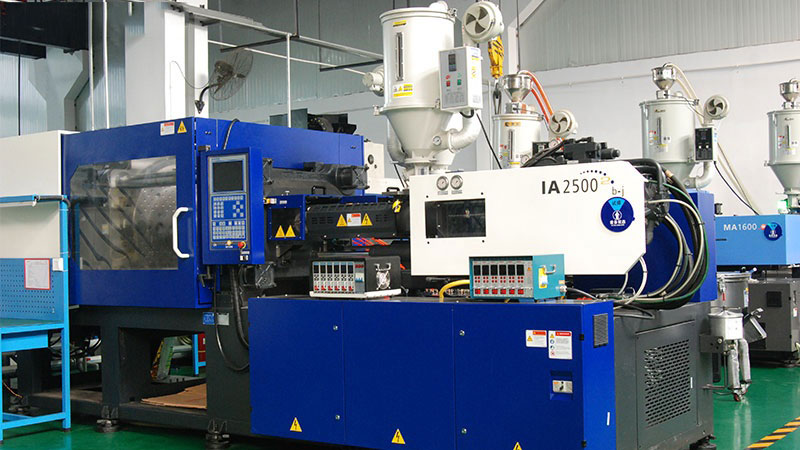
  • mold tooling: Complete Procurement Guide 2026 | China Mold Factory

    For overseas buyers, sourcing high-quality, cost-effective mold tooling is a critical strategic decision that directly impacts product launch timelines, unit costs, and manufacturing consistency. China remains the global epicenter for mold manufacturing, offering an unparalleled combination of technical expertise, advanced machinery, and competitive pricing. However, navigating this vast market to find a reliable partner requires a structured approach. This 2026 guide is designed to cut through the complexity, providing you with actionable, professional strategies to successfully procure injection molds and other tooling from China, mitigating risks and ensuring a smooth partnership from RFQ to production.

    The foundation of a successful procurement project lies in meticulous supplier verification. In 2026, due diligence goes beyond a simple website check. Begin by verifying the China mold factory’s business license and export history. Utilize third-party inspection platforms and international business databases to confirm their legal standing. Crucially, assess their technical specialization; a factory proficient in large automotive injection molds may not be ideal for precision medical components. Request detailed case studies and client references, specifically from overseas buyers in your region or industry. A credible supplier will readily provide contactable references and even arrange virtual factory tours via video call, allowing you to inspect their CNC, EDM, and mold testing facilities in real-time. This step filters out trading companies masquerading as manufacturers and aligns you with a partner possessing the right technical DNA for your project.

    Once a shortlist of potential partners is established, mastering the quotation and technical clarification phase is essential. A professional procurement process demands an equally professional Request for Quotation (RFQ). Provide comprehensive 3D part files (STEP or IGS), 2D drawings with critical tolerances and surface finish requirements (e.g., SPI standards), and a detailed specification sheet. This should include material type (e.g., POM, ABS), expected annual volumes, cavitation requirements, and target mold life. Analyze quotations meticulously: compare not just the bottom-line price but the breakdown—steel grade (e.g., P20, H13, S136), hot runner system brand, cooling design, and warranty terms. Engage in deep technical reviews. Discuss mold flow analysis plans to prevent filling issues and warpage. Clarify responsibilities for design for manufacturability (DFM) feedback. A trustworthy China mold factory will proactively highlight potential problems and suggest optimizations, demonstrating engineering value rather than just acting as a passive order-taker.

    The most critical phase, often where projects falter, is proactive quality control and communication. Do not adopt a “set and forget” mentality. Establish a clear milestone-based inspection protocol before work begins. Key inspection points typically include: a) steel material certification review, b) mold base and cavity inspection after rough machining, c) T1 sample approval from the actual mold. For high-value tooling, engage a local third-party quality inspection firm specialized in mold tooling to conduct these on-site checks. Furthermore, insist on a structured communication plan. Designate a single point of contact on both sides who is technically fluent. Use shared platforms for daily updates with photos and videos. Regular scheduled video conferences during key stages keep the project aligned. This transparent, documented approach prevents misunderstandings, allows for mid-course corrections, and builds a relationship based on accountability, ensuring the final injection mold meets all specifications.

    Finally, plan for the entire lifecycle of the mold. Your relationship with the China mold factory should extend beyond the delivery of the tool. Discuss post-sales support terms in detail. This includes the warranty period (typically 1-2 years), terms for repair or replacement of wear parts, and the availability of spare components like ejector pins and heater bands. Secure all final deliverables: fully updated 3D and 2D mold drawings, maintenance manuals, and a signed Final Inspection Report. Understand the logistics process—packaging standards for ocean freight, export documentation, and customs clearance assistance. A forward-thinking supplier will offer mold storage and maintenance services in China for future production runs, adding long-term value to the partnership. This end-to-end perspective transforms a one-time transaction into a strategic manufacturing alliance.

    Procuring mold tooling from China in 2026 is a process that rewards preparation, diligence, and active partnership. By rigorously verifying suppliers, engaging in detailed technical collaboration, implementing robust quality control measures, and planning for long-term support, overseas buyers can fully leverage the expertise and efficiency of a top-tier China mold factory. The goal is not merely to purchase an injection mold at a good price, but to secure a reliable, high-precision manufacturing asset that delivers consistent part quality for years to come. Embrace this structured approach to turn the complexity of international procurement into your competitive advantage.

    Work With Us

    As a professional China mold manufacturer, we provide one-stop mold solution for overseas buyers.
    📞 Phone: +86-18605944639
    💬 WhatsApp: +8618605944639
    🌐 Website: bestmoldworks.com
    📧 Email: [email protected]

  • China mold factory: Expert Tips & Solutions 2026 | China Mold Factory

    For overseas buyers, sourcing injection molds from China represents a significant strategic advantage, offering potential for substantial cost savings and access to sophisticated manufacturing capabilities. However, the journey from identifying a potential partner to receiving a flawless mold is fraught with challenges. Missteps in supplier verification, communication gaps, and quality control failures can quickly erode the anticipated benefits. This guide provides a focused, professional roadmap for 2026, designed to help you navigate the procurement process with confidence and secure a successful partnership with a reliable China mold factory.

    The cornerstone of a successful import project is rigorous supplier verification. Moving beyond a simple website check or Alibaba storefront is non-negotiable. Begin by demanding a detailed company profile that includes years in operation, ownership structure, and core competencies. Specifically, inquire about their experience with your type of product—whether it’s precision medical components, large automotive parts, or consumer goods. Request a client list and seek permission to contact past international clients. A credible China mold factory will readily provide this. Furthermore, utilize video calls to conduct a virtual factory tour. Observe the shop floor organization, the level of technology in their CNC, EDM, and milling centers, and their quality assurance station. This due diligence phase is your primary filter to separate marketing claims from manufacturing substance.

    Once a potential partner is shortlisted, mastering technical communication becomes paramount. The single most effective tool you can employ is a comprehensive and unambiguous Technical Data Package (TDP). This should extend far beyond a basic 3D file (STEP or IGES format). Include fully detailed 2D drawings with GD&T (Geometric Dimensioning and Tolerancing) callouts, critical surface finish specifications, material grades (including approved international equivalents), and clear notes on part function and critical areas. Specify your expectations for mold life (e.g., 500,000 shots) and the intended production plastic. During discussions, insist on a formal Design for Manufacturability (DFM) review. A professional supplier will analyze your TDP and provide feedback on potential molding issues, suggested gate locations, ejection strategies, and cooling line design. This collaborative step prevents costly reworks and aligns expectations before steel is cut.

    A structured and milestone-based payment terms and project management protocol is your financial and operational safeguard. Avoid large upfront payments. A standard and secure structure is a 30-50% deposit to commence work, 30-40% upon approval of mold trial samples, and the final 10-20% after final inspection before shipment. Tie these payments to clear, verifiable deliverables. Crucially, mandate a First Article Inspection (FAI) report with full dimensional results from the initial mold trials. Accompanying this, you should receive high-resolution photos and videos of the trial process and the resulting parts. For critical projects, investing in a third-party inspection service during the Trial Out (T1) stage is highly recommended. An independent inspector can verify dimensions, assembly, and material on-site, providing an objective quality assessment before the balance payment is released.

    Proactive quality control is not a final step but an integrated process. Agree on a Quality Control Plan (QCP) with your supplier before production begins. This plan should outline the inspection stages: raw material certification for mold steel (e.g., pre-hardened 718H or S136), in-process inspections during machining, and final mold qualification. Key final checks include a thorough mold movement test, water line pressure testing, and a detailed inspection of the finished mold cavity using CMM (Coordinate Measuring Machine) reports for critical dimensions. For the molded samples, define your Acceptable Quality Level (AQL) for any pilot production runs. Ensure you receive actual sample parts from the mass production mold, not just hand-picked perfect samples from the trial. This end-to-end oversight ensures the delivered tool meets not just the design, but the functional requirements for your production line.

    Finally, view your partnership with a Chinese mold manufacturer as a strategic, long-term relationship. Clear contractual agreements covering intellectual property (IP) protection, warranty terms (typically 12-24 months against workmanship and material defects), and responsibilities for mold maintenance and repair are essential. Foster open and regular communication, perhaps using a dedicated project manager on both sides. Understanding cultural nuances, such as the importance of building trust and respecting hierarchies, can smooth interactions. A reliable partner is not just a vendor but an extension of your engineering team, capable of supporting future iterations and new projects.

    Successfully importing molds from China in 2026 demands a methodical approach that prioritizes verification, precise communication, controlled procurement, and embedded quality assurance. By implementing these expert tips, you transform the inherent complexities of overseas sourcing into a manageable, predictable process. The goal is to leverage the expertise and cost-effectiveness of a professional China mold factory while maintaining complete oversight of your project’s critical path. With this disciplined framework, you can confidently build a supply chain partnership that delivers high-quality injection molds, ensuring your product’s success in the global marketplace.

    Work With Us

    As a professional China mold manufacturer, we provide one-stop mold solution for overseas buyers.
    📞 Phone: +86-18605944639
    💬 WhatsApp: +8618605944639
    🌐 Website: bestmoldworks.com
    📧 Email: [email protected]

  • custom injection mold: Best Suppliers & Quality Control 2026

    For overseas buyers, procuring a custom injection mold from China represents a significant opportunity to achieve cost efficiency and rapid production scalability. However, the journey from concept to a perfect, high-volume production tool is fraught with potential pitfalls. The core challenge is not merely finding a China mold factory, but systematically identifying the best partners and implementing ironclad quality control protocols. This guide for 2026 cuts through the noise, offering a professional, actionable framework to secure a superior custom injection mold that meets exact specifications, timelines, and budgetary constraints.

    The foundation of a successful procurement project lies in rigorous supplier verification. Moving beyond Alibaba listings and basic website checks is non-negotiable. Start by defining your project’s critical parameters: part complexity, material, expected lifespan (number of cycles), and tolerance requirements. Use these specifications to filter potential partners. The best suppliers for a custom injection mold are often those who specialize in your industry, whether automotive, medical, consumer electronics, or packaging. Conduct virtual facility tours; a reputable China mold factory will readily showcase their CNC machining centers, EDM equipment, and mold trial injection presses. Crucially, request and contact past client references from your region. A direct conversation about communication, problem-solving, and post-sales support is invaluable. In 2026, true verification means assessing digital competency—do they use modern design software (e.g., Moldflow analysis) and project management tools to facilitate transparent collaboration?

    Once a shortlist is established, the focus shifts to the technical and commercial blueprint: the Request for Quotation (RFQ). A vague RFQ invites misunderstandings and cost overruns. Provide a comprehensive package including detailed 3D part files (STEP or IGES), 2D drawings with critical dimensions and GD&T callouts, material specifications, and expected annual volumes. Be explicit about mold standards: will it follow DME, HASCO, or a local Chinese standard? Clarify requirements for spare parts, mold base material, and surface finishes. This precision allows suppliers to provide comparable, accurate quotes. Analyze quotations not just on price, but on the breakdown: mold base cost, cavity and core machining, hourly trial rates, and payment terms. A suspiciously low bid often signals corner-cutting on steel quality, heat treatment, or craftsmanship, which will cost far more in mold failures and production downtime.

    The most critical phase, and where many projects falter, is proactive quality control integrated throughout the mold manufacturing process. Do not operate on a “black box” model where you only see the finished product. Insist on a staged inspection protocol with documented milestones. Key checkpoints include a design review meeting to approve the mold flow and cooling analysis, a pre-hardening inspection of the core and cavity machining, and a first article inspection after the initial mold trial. Partner with a reliable third-party inspection company in China for objective assessments at these stages. They will verify steel grade with spectrometers, check hardness with durometers, and validate part dimensions against your drawings. For the trial, ensure you receive a detailed report with photos, videos of the trial process, and samples from the initial shots. Measure these samples yourself and conduct functional tests. This hands-on QC approach transforms quality from a hopeful outcome into a managed, verified process.

    Effective communication and contract clarity are the ligaments that bind technical execution to commercial success. Clearly define project timelines with milestones and liquidated damages for significant delays. The contract must specify ownership of all design files and the physical mold—a crucial point for intellectual property protection. Establish a single point of contact on both sides who possesses technical English proficiency and project authority. Use communication tools that support file sharing and comment tracking. Discuss and agree upon procedures for handling engineering changes; any modification post-approval should trigger a formal change order with cost and time impact. Furthermore, plan for the long term. Discuss maintenance, repair, and the process for ordering additional cavity sets or future mold modifications. A best-in-class supplier views the initial injection mold as the start of a partnership, not a one-time transaction.

    Looking ahead to 2026, the landscape for sourcing injection molds from China will increasingly favor buyers who leverage technology and build strategic partnerships. The differentiation among suppliers will be less about basic cost and more about technological adoption, such as AI-driven design optimization for weight reduction and cooling efficiency, and the use of additive manufacturing for conformal cooling channels. Your procurement strategy must evolve accordingly. The goal is to move from a transactional buyer to a valued co-developer. This involves investing time in the front-end processes—verification, specification, and contract negotiation—to build a relationship based on transparency and mutual success.

    In conclusion, securing a high-quality custom injection mold from China in 2026 demands a disciplined, two-pronged strategy: meticulous supplier selection and unwavering commitment to process-based quality control. The “best suppliers” are those who demonstrate specialized expertise, transparent operations, and a willingness to integrate your QC protocols into their workflow. By mastering supplier verification, issuing precise RFQs, implementing staged inspections, and fostering clear communication, you mitigate risk and transform the procurement process into a competitive advantage. The result is not just a tool, but a robust foundation for reliable, cost-effective manufacturing that drives your product’s success in the global market.

    Work With Us

    As a professional China mold manufacturer, we provide one-stop mold solution for overseas buyers.
    📞 Phone: +86-18605944639
    💬 WhatsApp: +8618605944639
    🌐 Website: bestmoldworks.com
    📧 Email: [email protected]

  • mold Manufacturerturers in China: Reliable Manufactur 2026

    For overseas buyers, sourcing precision tooling from China remains a powerful strategy for cost efficiency and scalable production. However, the landscape is evolving rapidly. The promise of competitive pricing is now balanced against an imperative for unwavering reliability, technological sophistication, and seamless partnership. As we look toward 2026, finding dependable mold manufacturers in China requires a modern, diligent approach that moves beyond simple price comparisons to build value-driven supply chains. This guide provides actionable insights to navigate this complex market and secure a manufacturing partner that ensures quality, consistency, and long-term success.

    The foundation of any successful import project is rigorous supplier verification. The term “mold manufacturer” in China encompasses a vast spectrum, from rudimentary workshops to fully automated, digitally integrated factories. Your first critical task is to discern the difference. Begin with a deep dive into the company’s operational history and specialization. Do they have proven expertise in your specific industry, whether automotive, medical, consumer electronics, or packaging? Scrutinize their portfolio for projects of similar complexity and material use. Utilize video verification calls to conduct virtual factory tours; request to see their machining centers (EDM, CNC), mold trial presses, and quality control labs in real-time. Verify business licenses and export credentials. Furthermore, check for international standards certification, such as ISO 9001, which indicates a baseline commitment to systematic quality management. This initial, thorough vetting filters out unsuitable partners and aligns you with capable China mold factory candidates.

    Once a potential partner is identified, defining and agreeing upon explicit quality control protocols is non-negotiable. Misunderstandings at this stage are a primary cause of project failure. Professional mold manufacturers in China expect and respect detailed technical specifications. Provide comprehensive 3D drawings (STEP or IGS files) and a detailed product requirements document. Clearly specify steel grades (e.g., P20, H13, Stainless 420), cavity surface finishes (SPI standards), tolerances, and expected mold life (number of shots). Crucially, establish a structured Quality Control (QC) plan. This should include staged inspection points: a pre-production meeting to review design for manufacturability (DFM) feedback, first article inspection (FAI) reports on the finished mold, and initial sample inspection reports from the first trial shots using production-grade material. Insist on high-resolution photos and videos of critical inspections. For high-value orders, engaging a trusted third-party inspection service in China for the final pre-shipment audit provides an essential, unbiased layer of protection.

    Effective procurement strategy extends beyond the mold price to encompass the entire project lifecycle and total cost of ownership. While competitive bidding is wise, a bid that is anomalously low is a significant red flag, often indicating subpar materials, outdated machinery, or hidden costs. Instead, structure requests for quotation (RFQs) to itemize costs: mold base, cavity and core machining, hot runner system (brand specification is key), components, and trials. Discuss post-sales support explicitly—what are the terms for warranty, repair, and future mold modifications? A reliable partner will be transparent about these factors. Furthermore, consider the logistical framework. Clarify incoterms (FOB, EXW, CIF) to understand responsibilities and costs. Discuss packaging standards to ensure the mold, a high-precision asset, arrives undamaged. Building these details into the contract mitigates risk and ensures both parties have aligned expectations, transforming a transaction into a collaborative engineering partnership.

    The forward-looking buyer must assess a supplier’s investment in technology and adaptability, key indicators of their readiness for 2026 and beyond. The leading China mold factories are now leveraging Industry 4.0 principles. Inquire about their capabilities in mold flow analysis (using software like Moldflow) to predict and prevent filling issues before steel is cut. Ask about their use of automation in production, such as robotic part handling during trial runs, and their capacity for data exchange. Can they accommodate requests for connected molds with sensors for predictive maintenance? Their proficiency with advanced manufacturing techniques, like high-speed machining and conformal cooling channels (often via additive manufacturing), directly impacts mold quality, cycle time, and part consistency. A manufacturer actively investing in such technologies demonstrates a commitment to longevity and continuous improvement, making them a strategic asset for your supply chain.

    Finally, view the selection process as the beginning of a long-term partnership. Clear, consistent, and professional communication is the glue that holds international projects together. Establish primary and secondary points of contact on both sides, preferably individuals with technical English proficiency. Use collaborative project management tools or regular scheduled update meetings (weekly/bi-weekly) to track progress against agreed milestones. A professional partner will proactively communicate challenges and propose solutions. Cultural understanding goes a long way; be direct yet respectful in your requirements and feedback. Investing time in building this relationship fosters trust, leads to better priority treatment, and smooths the path for future projects, including potential production runs of the molded parts themselves.

    In conclusion, securing a reliable manufacturing partner in China for your mold needs in 2026 demands a sophisticated, proactive approach. It is a process built on meticulous supplier verification, uncompromising quality control planning, strategic procurement, an eye for technological capability, and a commitment to partnership. By implementing these actionable steps, you move far beyond being just a price-sensitive buyer. You position yourself as a valued international client, capable of leveraging the immense skill and capacity of top-tier Chinese mold manufacturers. This disciplined strategy minimizes risk, ensures project success, and ultimately delivers the durable competitive advantage that drives profitable, scalable manufacturing.

    Work With Us

    As a professional China mold manufacturer, we provide one-stop mold solution for overseas buyers.
    📞 Phone: +86-18605944639
    💬 WhatsApp: +8618605944639
    🌐 Website: bestmoldworks.com
    📧 Email: [email protected]

  • injection mould Manufacturerturers in China: Reliable M 2026

    For overseas businesses, sourcing injection molds from China remains a strategic move to achieve significant cost savings without necessarily sacrificing quality. However, the landscape in 2026 is not about finding the cheapest supplier; it’s about identifying and partnering with reliable, technologically adept injection mould manufacturers in China. The core challenge has shifted from simple price discovery to sophisticated supplier verification and risk management. This guide provides actionable, professional insights to help you navigate this complex procurement process and build a successful, long-term supply chain partnership.

    The foundation of a successful import project lies in meticulous supplier verification. Moving beyond Alibaba listings is crucial. Start by scrutinizing the China mold factory’s business licenses and export history. Request detailed case studies or portfolios that specifically match your industry’s complexity, whether it’s automotive components, medical devices, or consumer electronics. In 2026, a reliable partner will readily offer virtual factory tours via video call, allowing you to assess their machinery, workshop organization, and safety standards in real-time. Key due diligence questions must focus on their experience with overseas clients, their internal project management structure, and the primary languages spoken by their engineering and sales teams. This step filters out trading companies masquerading as manufacturers and identifies true production partners capable of handling international standards and communication.

    Once a potential partner is shortlisted, the focus must turn to precision in the technical and commercial proposal. The most common point of failure is an ambiguous Request for Quotation (RFQ). To secure an accurate quote and prevent costly change orders, your RFQ must include a comprehensive package: detailed 3D drawings (STEP or IGS format), 2D drawings with GD&T tolerances, material specifications (including preferred brand, e.g., HASCO or DME for standard parts), and expected annual volumes. Clearly state all critical cosmetic surfaces, texture requirements, and part certification needs. Leading injection mould manufacturers in China expect and respect this level of detail. During negotiations, dissect the quotation. Ensure it explicitly breaks down costs for mold design, mold base, cavity/core steel, standard components, trials, and post-processing. Understand their payment terms (e.g., 50% deposit, 40% before shipment, 10% after approval) and exactly what is included in the delivery, such as sample parts, mold reports, and spare parts.

    Proactive quality control, integrated from the start, is non-negotiable. Agree on a staged inspection protocol before order confirmation. This typically includes a Design for Manufacturability (DFM) report review, a First Article Inspection (FAI) after initial sampling, and a Pre-Shipment Inspection (PSI) when the mold is complete. For high-value projects, consider hiring a local third-party quality inspection firm to conduct these checks on your behalf. Their engineers can verify steel hardness, inspect cavity polish, check cooling line layouts, and witness the mold trial, capturing critical data like cycle times and part dimensions. This objective oversight provides immense peace of mind. Furthermore, discuss the mold trial process explicitly. Specify the injection molding machine tonnage and brand to be used for sampling, and insist on receiving actual trial shot samples, a full mold trial video, and a detailed report with process parameters. This evidence is vital for verifying performance before the mold leaves the factory.

    Effective communication and intellectual property (IP) protection are pillars of a trustworthy partnership. Establish a single point of contact on both sides who is technically proficient. Use clear, simple English in all written communication and confirm understanding after complex discussions. For IP protection, while a well-drafted Non-Disclosure Agreement (NDA) is essential, practical steps are more powerful. Only release fully detailed drawings after contract signing and initial deposit. Consider specifying that your company’s logo be engraved on the mold base. Reputable China mold factories understand the concerns of overseas buyers and will often have their own IP protection measures in place. Building a relationship based on mutual respect and clear, documented agreements is your strongest safeguard. Regular updates, scheduled calls, and a collaborative problem-solving attitude will differentiate a transactional supplier from a strategic manufacturing ally.

    Finally, view the procurement as the beginning of the lifecycle, not the end. A reliable injection mold supplier is a partner for production and maintenance. Discuss their policy for mold modifications and repairs. Understand their lead time for producing spare parts like replacement cores or ejector pins. Some top-tier injection mold suppliers offer annual maintenance contracts to ensure your tooling remains in peak condition. This long-term perspective is what defines successful procurement in 2026. It transforms a one-time purchase into a resilient extension of your production capability, ensuring consistent part quality and minimizing costly downtime in your own manufacturing operations.

    In conclusion, successfully importing an injection mold from China in 2026 is a systematic process of verification, clear communication, and integrated quality control. By moving beyond price as the sole determinant and investing effort in vetting your China mold factory, defining specifications with precision, implementing rigorous inspection protocols, and fostering a professional relationship, you significantly de-risk your procurement. The goal is to partner with injection mould manufacturers in China who view your success as their own, delivering not just a tool, but a reliable foundation for your product’s manufacturing future. This strategic approach turns the geographical distance into an advantage, leveraging specialized expertise to enhance your competitive edge.

    Work With Us

    As a professional China mold manufacturer, we provide one-stop mold solution for overseas buyers.
    📞 Phone: +86-18605944639
    💬 WhatsApp: +8618605944639
    🌐 Website: bestmoldworks.com
    📧 Email: [email protected]

  • injection molding: Best Suppliers & Quality Control 2026

    For overseas buyers, the decision to import molds from China remains one of the most strategic moves to achieve significant cost savings and access advanced manufacturing capabilities. The landscape of **injection molding** in China is vast and sophisticated, yet navigating it to find reliable partners and guarantee impeccable quality can be daunting. As we look toward 2026, the challenges are not just about finding a supplier but about implementing a rigorous, future-proof procurement and verification system. This guide cuts through the noise to provide actionable, professional strategies for identifying the best China mold factory and establishing ironclad quality control protocols for your **injection mold** projects.

    The foundation of a successful import project lies in meticulous supplier verification, moving beyond basic online directories. Start with a multi-layered vetting process. First, utilize professional platforms like Alibaba’s Gold Supplier or Made-in-China, but treat them as a starting point for longlisting, not a final seal of approval. The critical step is to verify business licenses through official Chinese government portals and cross-reference the company’s stated address with satellite imagery and on-ground verification reports. For 2026, prioritize suppliers who transparently showcase their engineering team, in-house machining capabilities (CNC, EDM), and mold testing facilities. A true partner in **injection molding** will have no hesitation in arranging a live video tour of their factory floor, allowing you to assess shop floor organization, equipment modernity, and workforce expertise in real-time, which is far more revealing than curated brochures.

    Once a shortlist of potential partners is established, the procurement phase must be governed by technical clarity and contractual precision. The single most important document is a comprehensive Request for Quotation (RFQ) package. This should include not just part drawings, but a fully detailed specification sheet covering mold steel grade (e.g., pre-hardened 718H or hardened S136), cavity surface finish requirements, tolerance standards (ISO or customer-specific), cooling channel design, and expected mold life (number of shots). Specify the injection molding machine parameters for trial. This level of detail eliminates ambiguity, allows for accurate like-for-like quotations, and immediately filters out suppliers who lack the technical depth to engage. In your contract, explicitly link payment milestones to tangible deliverables: a 30% deposit upon order confirmation, 40% upon approval of mold design and provision of material certificates, and the final 30% only after successful First Article Inspection (FAI) and sample approval.

    Proactive quality control is non-negotiable and must be integrated throughout the mold manufacturing lifecycle, not just as a final inspection. Demand a staged inspection protocol. Stage 1 is the Design for Manufacturability (DFM) review, where the China mold factory should provide mold flow analysis reports to predict and prevent potential filling or warpage issues. Stage 2 involves critical dimension checks during the machining process, particularly after cavity and core completion. This is where hiring a trusted third-party quality inspection agency based in the industrial region becomes invaluable. They can perform on-site inspections, verifying steel hardness, texturing, and critical geometries before the mold is assembled. Stage 3 is the Trial Run and Sample Approval. Insist on a formal mold trial with a signed report detailing process parameters, part measurements, and high-resolution photos or videos of the trial run. Approved physical samples should be sealed and signed by both parties as the definitive quality benchmark.

    The final step before shipment is the pre-shipment audit, which encompasses both the mold and the documentation package. The mold must undergo a final dimensional check against the agreed drawings and a functionality test to ensure all actions (ejector, slides, cooling) operate smoothly. Equally critical is the documentation dossier. A professional supplier will provide a complete mold package including: final as-built drawings, material certificates for the mold steel and any purchased components, a detailed maintenance manual, a comprehensive trial report, and the signed sample approval form. This package is essential for your own production continuity and future mold maintenance. For 2026, leading suppliers are also offering digital twins or 3D scan data of the finished mold, providing an invaluable digital record for comparison throughout the mold’s service life.

    Building a sustainable partnership with your chosen injection mold supplier requires a shift from a transactional to a collaborative mindset. While rigorous QC is paramount, fostering open communication channels with the project manager and lead engineer pays long-term dividends. Discuss future product roadmaps; a reliable China mold factory can offer insights into design modifications for cost-saving or improved manufacturability in subsequent projects. Consider negotiating framework agreements for ongoing maintenance, spare parts, and future mold modifications. This strategic approach transforms your supplier into a true extension of your engineering and procurement team, ensuring not just a successful initial project but a resilient supply chain for the years beyond 2026.

    Importing injection molds from China in 2026 and beyond is a highly rewarding endeavor that demands a structured, vigilant approach. The pathway to success is defined by systematic supplier verification, technically precise procurement, staged quality control interventions, and thorough pre-shipment audits. By implementing these actionable strategies, overseas buyers can confidently navigate the market, mitigate risks, and secure partnerships with top-tier Chinese mold manufacturers. The goal is not merely to purchase a tool, but to invest in a foundational asset that will drive your product quality and manufacturing efficiency for its entire lifecycle. With the right due diligence and quality frameworks in place, your venture into Chinese injection molding can be a cornerstone of your competitive advantage.

    Work With Us

    As a professional China mold manufacturer, we provide one-stop mold solution for overseas buyers.
    📞 Phone: +86-18605944639
    💬 WhatsApp: +8618605944639
    🌐 Website: bestmoldworks.com
    📧 Email: [email protected]