For global businesses, sourcing tooling from China represents a significant strategic advantage, offering cost efficiency, scalable production, and advanced manufacturing capabilities. However, navigating the landscape of thousands of potential suppliers can be daunting. The key to a successful partnership lies not just in finding a China mold maker, but in identifying the right one for your specific project. This guide provides actionable, professional advice for overseas buyers looking to import molds from China in 2026, focusing on practical solutions to common procurement challenges.
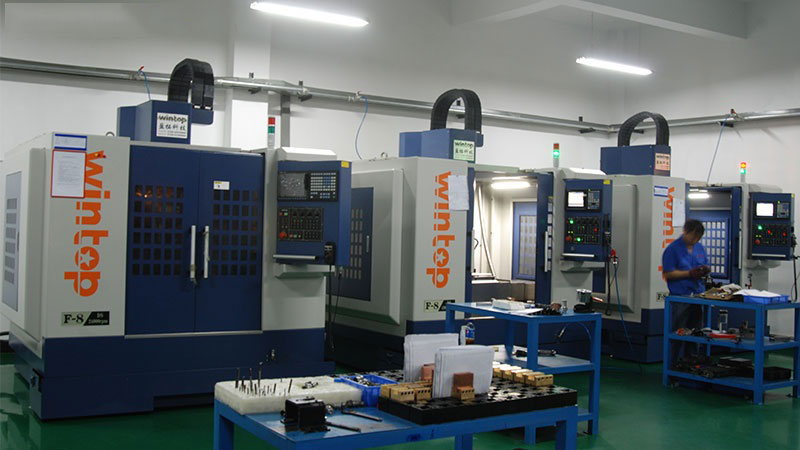
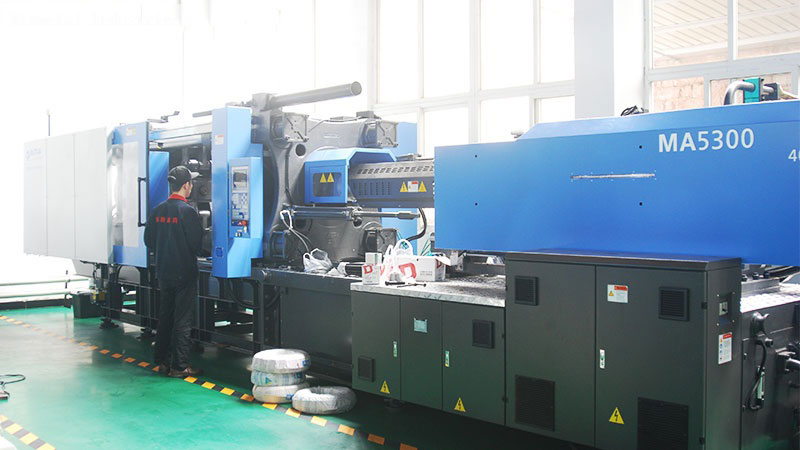
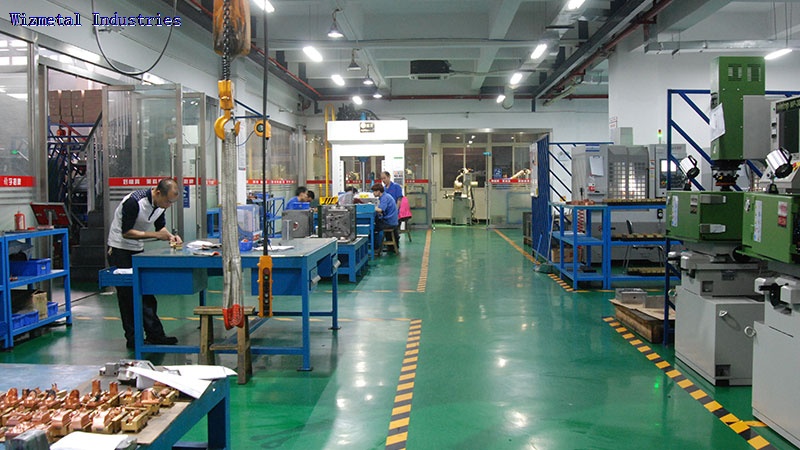
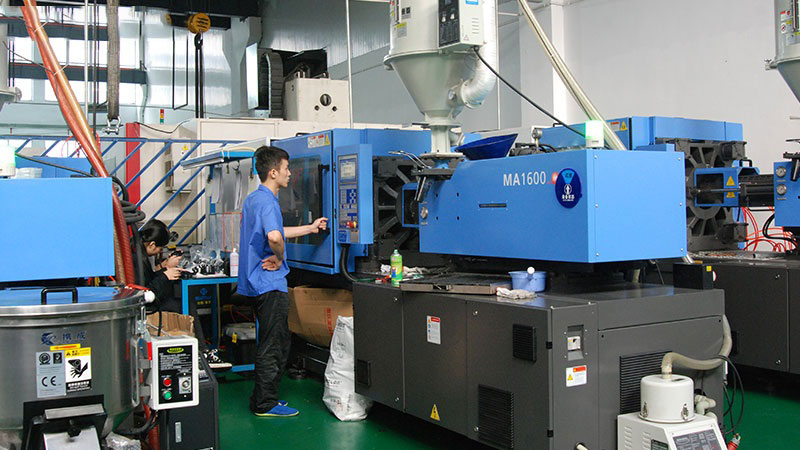
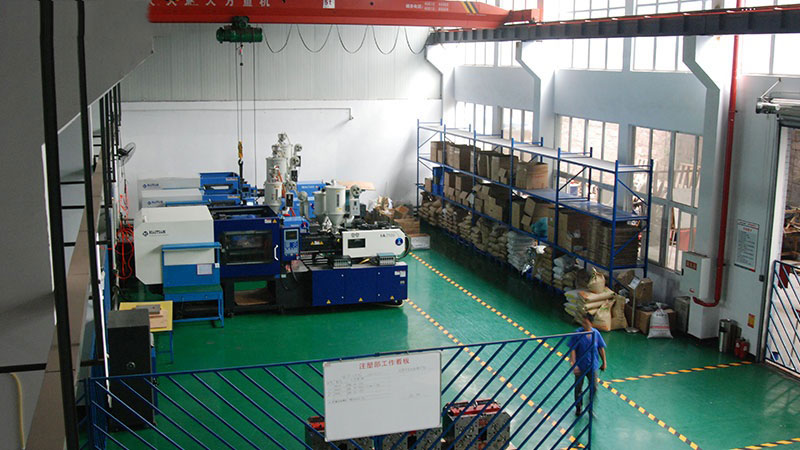
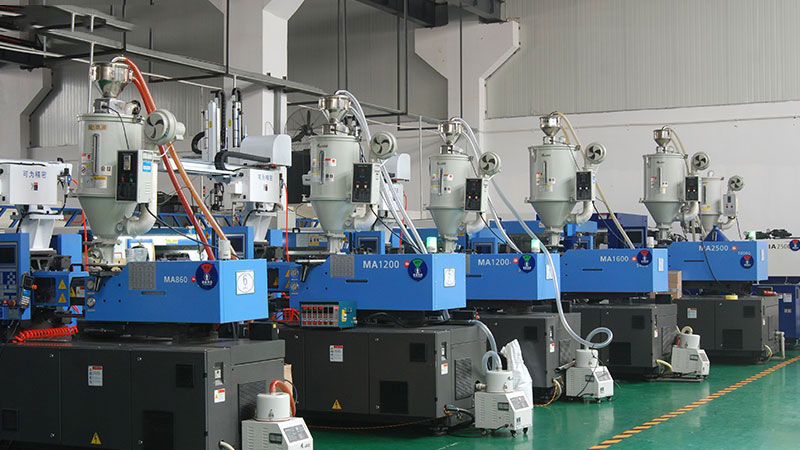
The cornerstone of a successful import project is thorough supplier verification. Moving beyond a simple Alibaba search is imperative. Begin by scrutinizing the manufacturer’s business licenses and export history. Request detailed case studies or portfolios that match your industry, whether it’s automotive, medical, consumer electronics, or packaging. A professional China mold factory will readily provide these. Utilize video calls to request virtual factory tours; observing the shop floor, machinery (look for modern CNC, EDM, and injection molding machines), and general organization offers invaluable insight. Furthermore, check for international quality certifications like ISO 9001:2015, which indicates a baseline of systematic quality management. Remember, verification is an investment that mitigates substantial risk down the line.
Once a shortlist of potential partners is established, the focus shifts to technical clarity and communication. Ambiguity in design specifications is the primary cause of delays, cost overruns, and unsatisfactory quality. Provide comprehensive, dimensionally accurate 3D files (STEP or IGS) and detailed 2D drawings with critical tolerances, surface finish requirements (SPI standards), and material specifications clearly called out. Discuss mold flow analysis upfront; a competent supplier should offer this service to predict and prevent potential filling or cooling issues in the injection mold. Establish a single point of technical contact on both sides to streamline communication. Using marked-up screenshots and video explanations can bridge language gaps more effectively than lengthy emails, ensuring both parties have a unified understanding of the project requirements.
A rigorous quality control protocol, implemented from the start, is non-negotiable. Do not assume quality will be managed solely by the supplier. Define your Quality Control (QC) plan in the purchase contract. This should include staged inspection points: a First Article Inspection (FAI) after the mold is manufactured, and a Pre-Shipment Inspection (PSI) during initial sample trials. For critical projects, hiring a third-party inspection company in China to conduct these checks provides an objective assessment. They will verify steel hardness, cavity dimensions, part conformity, and assembly function. Additionally, request documented evidence throughout the process: material certificates for the mold steel, photos of each major manufacturing step, and videos of the trial shots with key parameters like cycle time and injection pressure. This proactive approach to quality control transforms it from a reactive problem-solving exercise into a managed process.
Effective procurement strategy extends beyond the unit price of the mold. Engage in transparent discussions about payment terms that balance risk for both parties. Common structures like 50% deposit and 50% before shipment are standard, but for new partnerships, consider escrow services for added security. Clearly outline responsibilities for logistics, including export documentation, shipping, and insurance. Most reputable suppliers have experience handling these for overseas buyers. Furthermore, discuss post-sales support. What is the warranty period for the tooling? How are repair costs handled for manufacturing defects? Will they provide maintenance instructions? A reliable China mold maker views the relationship as long-term and will be prepared to support the mold’s lifecycle, not just its sale.
Finally, building a partnership rather than a transactional relationship yields long-term dividends. While cost is a major driver, selecting a supplier purely on the lowest quote often leads to compromises in quality, communication, and service. Evaluate the supplier’s responsiveness, willingness to engage in problem-solving, and technical expertise. A collaborative China mold factory acts as a consulting partner, suggesting design for manufacturability (DFM) improvements that can reduce tooling complexity and part cost. Start with a smaller, less critical project to evaluate performance before committing to larger, high-value tooling. This phased approach builds trust and establishes a working rhythm, paving the way for a stable and productive supply chain partnership for years to come.
Importing molds from China in 2026 requires a blend of diligent verification, technical precision, and strategic relationship management. By implementing these expert tips—from in-depth supplier vetting and crystal-clear communication to enforced quality control and a partnership mindset—overseas buyers can confidently navigate the procurement process. The goal is to leverage the immense capability of Chinese manufacturing while maintaining complete control over your project’s timeline, budget, and quality. With the right approach, your chosen China mold maker becomes a cornerstone of your product development and manufacturing success.
Work With Us
As a professional China mold manufacturer, we provide one-stop mold solution for overseas buyers.
📞 Phone: +86-18605944639
💬 WhatsApp: +8618605944639
🌐 Website: bestmoldworks.com
📧 Email: [email protected]