Blog

  • precision mold: Complete Procurement Guide 2026 | China Mold Factory

    For overseas buyers, the decision to import a precision mold from China represents a significant strategic move to leverage world-class manufacturing capabilities at a competitive cost. However, the path from concept to a flawless, production-ready tool in your facility is fraught with potential complexities. Navigating the vast landscape of Chinese manufacturing requires more than just finding a low quote; it demands a systematic, informed approach to supplier selection, communication, and quality assurance. This guide is designed to cut through the noise and provide you with a clear, actionable framework for a successful procurement journey in 2026, ensuring your partnership with a China mold factory is built on a foundation of reliability and precision.

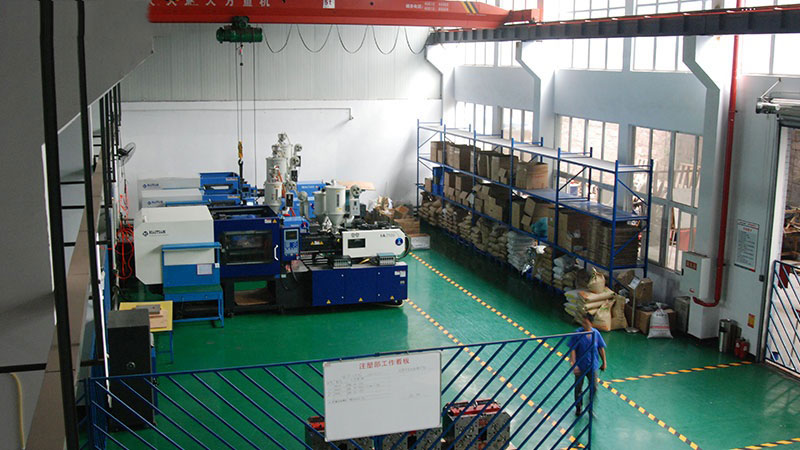
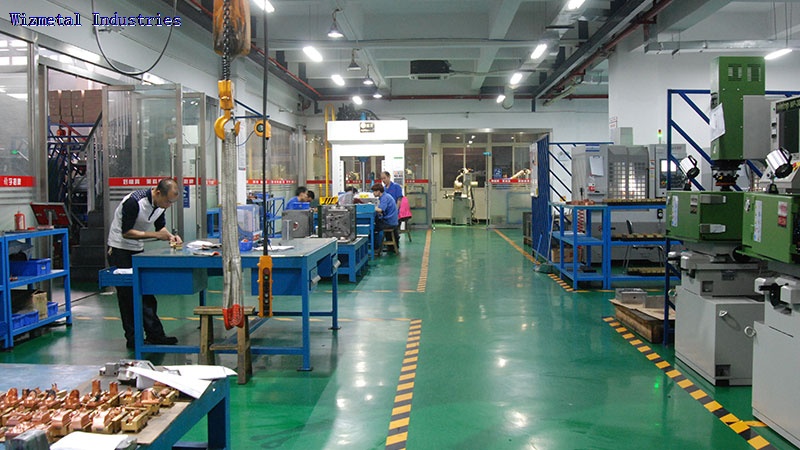
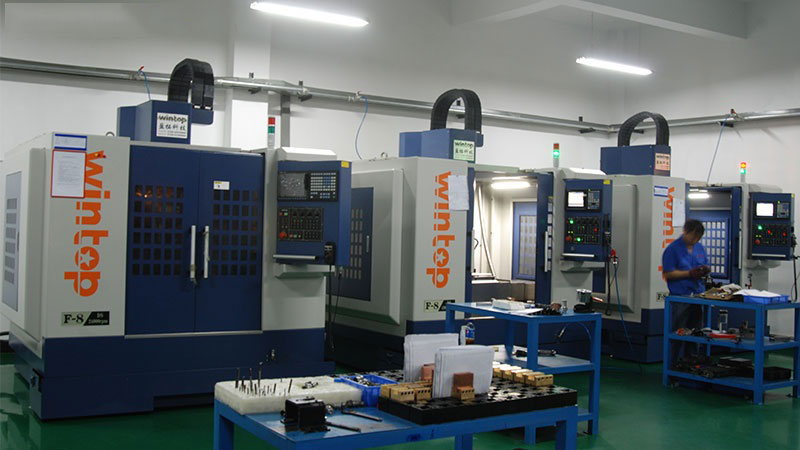
    The critical first step is moving beyond basic online directories and conducting thorough supplier verification. A reputable China mold factory should be transparent and verifiable. Start by scrutinizing their business licenses and export credentials. Request a detailed company profile that outlines their specific expertise, whether in multi-cavity injection molds, high-tolerance medical components, or large automotive parts. The most telling evidence, however, lies in their project portfolio. Ask for case studies or, even better, video walkthroughs of molds they have built for clients in your industry or for parts with similar complexity. Utilize video call platforms to request a real-time virtual factory tour; observing the shop floor, the condition of machinery (look for brands like DMG Mori, Makino, or Sodick for EDM), and the organization of their quality control department is invaluable. This due diligence phase separates marketing claims from manufacturing substance.

    Once you have shortlisted qualified candidates, mastering the technical and commercial quotation process is paramount. A precise RFQ (Request for Quotation) is your most powerful tool. It must go beyond a simple 3D model (STEP or IGES format) and include a comprehensive specification document. This should cover the exact mold steel grade (e.g., P20, H13, S136), required surface finish (SPI standards), tolerance levels for critical dimensions, expected cycle time, and annual production volume. For injection molds, specify the resin material, as it influences gate design, cooling, and wear considerations. Crucially, insist on a detailed, line-item breakdown of the quote. Understand what is included: Is hot runner system from a specific brand quoted? Are mold flow analysis, T1 sample shipping, and a spare parts kit part of the price? A professional factory will provide a transparent breakdown, allowing for an apples-to-apples comparison and preventing costly change orders later.

    With a supplier selected, proactive and structured quality control throughout the manufacturing lifecycle is non-negotiable. Do not operate on a “black box” model where you only see the finished product. Establish clear milestone inspection points with your China mold factory. These typically include a pre-production meeting to review the mold design and flow analysis, a first article inspection (FAI) of the mold base and core/cavity blocks, a T0 sample trial with video documentation, and a final pre-shipment audit. For critical stages, especially the sample trial, consider engaging a trusted third-party quality inspection agency based in the mold’s manufacturing region. They can perform dimensional checks, material verification, and function testing on your behalf, providing an objective report before the tool leaves the factory. This layered QC approach mitigates the immense risk of discovering critical flaws upon the mold’s arrival at your facility.

    The final phase encompasses logistics, intellectual property protection, and partnership management. Ensure your commercial terms (Incoterms 2026) are explicitly defined in the contract. For a high-value precision mold, CIF or DAP to your nearest port is often preferable, with the supplier managing marine insurance. Discuss packaging requirements—molds should be securely crated, internally VCI-protected against rust, and properly mounted to prevent transit damage. Regarding IP, a well-drafted Non-Disclosure Agreement (NDA) and Product Development Agreement (PDA) signed before any technical exchange are essential. While legal enforcement across borders has challenges, working with established, reputable factories that value long-term relationships is your strongest practical safeguard. View this procurement not as a one-time transaction but as the beginning of a technical partnership. Clear communication channels, respectful collaboration, and fair business practices will yield a supplier invested in your long-term success.

    Successfully importing a precision mold from China in 2026 is a structured process of verification, specification, control, and collaboration. The competitive advantage gained by accessing China’s deep manufacturing expertise is substantial, but it must be pursued with diligence and strategic partnership. By meticulously verifying your China mold factory, defining requirements with laser precision, implementing staged quality controls, and formalizing the partnership terms, you transform a complex international procurement into a predictable, successful project. The result is not merely a tool, but a reliable, high-performance asset that drives your production efficiency and product quality for years to come, making the investment in a thorough procurement process your most valuable first step.

    Work With Us

    As a professional China mold manufacturer, we provide one-stop mold solution for overseas buyers.
    📞 Phone: +86-18605944639
    💬 WhatsApp: +8618605944639
    🌐 Website: bestmoldworks.com
    📧 Email: [email protected]
  • custom injection molding cost: Complete Procurement Gu 2026

    For overseas buyers, navigating the landscape of custom injection molding in China presents a significant opportunity for cost efficiency and manufacturing scalability. However, the journey from concept to finished part is fraught with complexities that directly impact your bottom line and project success. Understanding the true drivers of custom injection molding cost is not just about getting a quote; it’s about mastering a procurement process that balances price, quality, and reliability. This 2026 guide is designed to demystify the procurement journey, providing you with actionable, professional strategies to engage with Chinese mold factories confidently and secure optimal value for your investment.

    The foundation of controlling your custom injection molding cost begins long before you request a quotation. It starts with comprehensive design for manufacturability (DFM) analysis. Engaging a potential China mold factory for a collaborative DFM review is a critical first step. A proficient supplier will analyze your part design, material selection, and tolerance requirements to suggest modifications that simplify the injection mold structure, reduce production cycles, and minimize material waste. This proactive collaboration can prevent costly mold reworks and production inefficiencies later. Insist on a detailed DFM report; a supplier willing to invest time here demonstrates technical expertise and a partnership mindset, directly influencing long-term cost efficiency and part quality.

    With a manufacturable design, the next pivotal phase is rigorous supplier verification. The variance in quotes for the same injection mold can be staggering, and the lowest initial price often carries hidden risks. Your procurement strategy must include a multi-layered verification process. Move beyond Alibaba profiles. Scrutinize the factory’s business licenses, visit their facility virtually via detailed video tours, and request client references from your region. Examine their portfolio for projects of similar complexity. In 2026, leveraging professional third-party verification services is a wise investment. They can assess the supplier’s financial health, production capacity, and ownership structure, ensuring you partner with a legitimate and capable China mold factory, not a trading company masking as a manufacturer. This due diligence is your primary shield against fraud and substandard work.

    The core of your expenditure lies in the injection mold itself, the tooling. Understanding the mold quotation breakdown is non-negotiable. A professional quote should transparently itemize costs: mold base steel grade (e.g., P20, H13), cavity and core machining, number of cavities, complexity of sliders and lifters, surface finish, and expected lifespan. Do not accept a single lump sum. Discuss steel origins and request material certificates. Clarify what is included: are mold flow analysis, test shots, sample inspections, and minor revisions part of the quote? Furthermore, negotiate payment terms strategically. A standard 50% deposit, 40% after sample approval, and 10% after shipment protects both parties. Defining the ownership and storage terms of the mold is also crucial to avoid future disputes. This clarity turns the abstract custom injection molding cost into a manageable, predictable investment.

    Effective quality control is not an expense; it is a cost-saving imperative. The true cost of a failed production run or defective parts arriving at your port far exceeds the price of robust QC. Implement a staged inspection protocol. First, conduct a First Article Inspection (FAI) on the initial samples from the mold, using Coordinate Measuring Machine (CMM) reports to verify critical dimensions. Second, schedule a During Production Inspection (DPI) when 20-30% of the order is manufactured to catch process drift. Finally, a Pre-Shipment Inspection (PSI) is mandatory to verify the entire lot’s quality, packaging, and documentation. Partner with reputable third-party QC agencies familiar with your industry. Clearly define your Acceptable Quality Level (AQL) standards in the purchase contract. This structured approach ensures the injection mold produces parts consistently to specification, safeguarding your brand reputation and preventing costly returns.

    Finally, adopt a total cost of ownership perspective. The initial custom injection molding cost is just one component. Consider logistics, tariffs, potential rework costs, and the supplier’s communication efficiency. A slightly higher quote from a supplier with excellent English communication, proactive project management, and a history of smooth logistics may offer far greater value. In 2026, leveraging technology for project management is expected. Use platforms that facilitate clear documentation, revision tracking, and milestone approvals. Furthermore, discuss long-term strategies with your supplier, such as mold maintenance programs to extend tool life. Building a relationship based on transparency and mutual success transforms a transactional purchase into a strategic supply chain asset.

    In conclusion, procuring custom injection molds from China in 2026 demands a sophisticated, informed approach that looks beyond the initial price tag. By prioritizing design collaboration, executing thorough supplier verification, dissecting mold quotations, enforcing stringent quality control, and calculating total ownership costs, you transform procurement from a risky necessity into a competitive advantage. The goal is to establish a partnership with a China mold factory whose expertise and reliability ensure that your investment delivers consistent, high-quality parts. With this complete guide, you are now equipped to navigate the market strategically, securing not just a cost-effective solution, but a foundation for manufacturing success.

    Work With Us

    As a professional China mold manufacturer, we provide one-stop mold solution for overseas buyers.
    📞 Phone: +86-18605944639
    💬 WhatsApp: +8618605944639
    🌐 Website: bestmoldworks.com
    📧 Email: [email protected]
  • precision injection mold maker: Complete Procurement Gu 2026

    For overseas buyers across industries from automotive to medical devices, sourcing a reliable precision injection mold maker in China remains a strategic decision that balances significant cost advantages with complex logistical and quality challenges. The landscape is evolving rapidly in 2026, with technological advancements and shifting market expectations. This guide is designed to cut through the noise, providing a professional, actionable framework for procuring high-quality injection molds from China. We will move beyond basic directories to address the real-world problems of verification, communication, quality assurance, and logistics, ensuring your next project is a success from quotation to production.

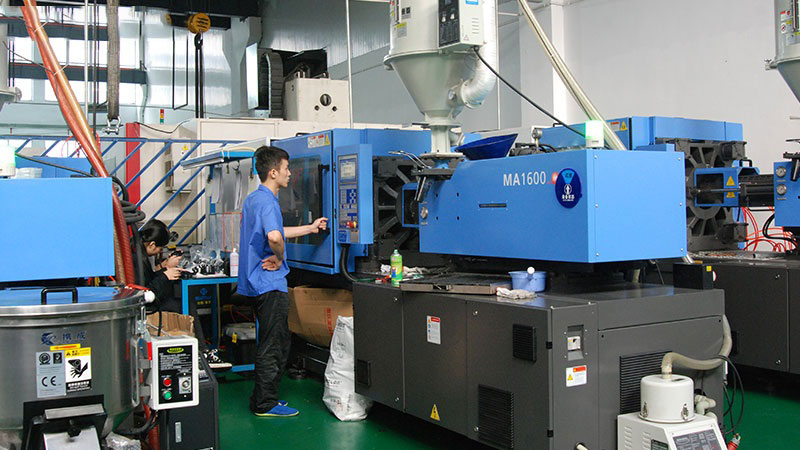
    The foundation of a successful import project lies in meticulous supplier verification. The term “China mold factory” encompasses a vast spectrum, from rudimentary workshops to fully automated, technologically advanced facilities. Your first task is to align the supplier’s capabilities with your precision requirements. Begin by scrutinizing their portfolio for projects with similar complexity, tolerance standards (often measured in microns), and material experience. In 2026, a credible precision injection mold maker should readily provide evidence of their technological infrastructure, such as the use of advanced CNC machining centers, EDM equipment, and CMM inspection reports. Do not rely solely on Alibaba storefronts. Initiate video calls to request real-time virtual factory tours. Verify business licenses and, for critical applications, ask about industry-specific certifications like IATF 16949 for automotive or ISO 13485 for medical devices. This initial deep dive separates true partners from mere trading companies.

    Once a shortlist of potential partners is established, mastering the quotation and design phase becomes critical. A professional China mold factory will treat your initial inquiry as a collaborative engineering discussion, not just a request for price. Be prepared to provide comprehensive data: a 3D CAD model (STEP or IGS format), material specifications, expected annual volumes, and clear part qualification criteria. Analyze quotations meticulously; a suspiciously low bid often signals corner-cutting on steel grade, cooling channel design, or post-processing like polishing and heat treatment. Discuss the mold flow analysis (MFA) process. A competent supplier will perform and share MFA simulations to predict and prevent potential defects like warping or short shots, saving substantial cost and time in revisions. This phase is where you establish the technical dialogue that ensures the injection mold is built right the first time.

    Implementing a robust quality control protocol is non-negotiable. For overseas buyers, physical distance makes proactive quality management essential. Define a clear Quality Inspection Plan (QIP) with your chosen precision injection mold maker before work begins. This plan should mandate staged inspections with documented evidence. Key checkpoints include: material certification for the mold steel, first article inspection (FAI) after core and cavity machining, and a comprehensive tryout report from the initial sample shots. Insist on high-resolution photos and videos of critical stages. For high-precision parts, specify that sample parts be measured on a CMM and that the full report is shared. Many buyers now employ third-party quality inspection services in China for an unbiased assessment during the pre-shipment sample approval stage. This layered approach to quality control mitigates the risk of receiving a mold that does not meet specifications, avoiding costly rework and project delays.

    The final hurdles in your procurement journey are logistics, payment, and fostering a long-term partnership. Understand the Incoterms 2026 thoroughly; FOB is common, but you may consider EXW for more control or CIF for simplicity. Ensure the mold design accounts for safe shipping, with adequate protection for delicate surfaces and cores. Discuss payment terms that balance risk; a common structure is 50% deposit, 40% upon pre-shipment approval, and 10% after successful trial at your facility. As you move forward, view a successful project as the start of a relationship. A reliable China mold factory is an asset, offering maintenance, spare components, and favorable terms for future mold modifications or new projects. Clear communication channels and documented processes from this first engagement will streamline all subsequent orders.

    Procuring an injection mold from China in 2026 demands a strategic, informed approach that prioritizes verification and process over price alone. By rigorously vetting your precision injection mold maker, collaborating deeply on design and analysis, enforcing stringent quality control measures, and structuring clear logistical and financial terms, you transform a complex overseas procurement into a competitive advantage. The goal is to build a transparent, professional relationship with a supplier whose capabilities grow with your needs. With this complete procurement guide as your framework, you are equipped to navigate the market confidently, securing not just a tool, but a reliable manufacturing partnership for years to come.

    Work With Us

    As a professional China mold manufacturer, we provide one-stop mold solution for overseas buyers.
    📞 Phone: +86-18605944639
    💬 WhatsApp: +8618605944639
    🌐 Website: bestmoldworks.com
    📧 Email: [email protected]
  • injection molding company in China: Expert Tips & Sol 2026

    For overseas businesses, partnering with an injection molding company in China represents a significant strategic advantage, offering unparalleled cost efficiency and manufacturing scalability. However, the path to a successful partnership is often fraught with challenges—from supplier verification to consistent quality control. The landscape in 2026 demands a more nuanced, informed approach than ever before. This guide cuts through the noise to provide actionable, professional solutions for procurement teams and engineers seeking reliable, high-quality injection molds from China.

    The cornerstone of any successful import project is thorough supplier verification. Moving beyond a simple Alibaba listing is non-negotiable. Begin with a multi-layered vetting process. First, verify business licenses and export credentials through official channels. Second, request and meticulously review a portfolio of past projects, specifically looking for work comparable in complexity, material, and industry to your own. Third, initiate a technical dialogue; a competent China mold factory will engage deeply on design for manufacturability (DFM) feedback, material selection, and process parameters before ever quoting. Utilize video conferencing for virtual factory tours, paying close attention to the maintenance level of their CNC, EDM, and molding machines. In 2026, leveraging third-party verification services for an on-ground audit remains one of the most effective risk-mitigation strategies, ensuring the supplier’s capabilities match their marketing.

    Once a potential partner is identified, mastering the quotation and contract phase is critical. A surprisingly low quote is often the first red flag, usually indicating corner-cutting on steel quality, component standards, or process rigor. Demand detailed, line-item breakdowns. A professional injection molding company in China will transparently quote separately for the injection mold (tooling) and the per-unit part cost. Specify the mold steel grade (e.g., P20, H13, S136), cavity polish standards, expected lifespan in shots, and all component brands for hot runners, sliders, and lifters. Your contract must be exhaustive: include intellectual property (IP) clauses asserting your ownership of all part and mold designs, penalty clauses for delays, detailed quality acceptance criteria (based on a signed-off sample), and clear terms for mold storage and repair. This document is your primary legal safeguard.

    Proactive and structured quality control is what separates successful long-term partnerships from failed one-off projects. Do not assume quality; inspect it at defined milestones. Implement a QC protocol that starts at the First Article Inspection (FAI). Upon completion of the mold, insist on a mold trial (T1) with video documentation and sample parts shipped for your evaluation. Use Coordinate Measuring Machine (CMM) reports and dimensional inspection sheets against your 2D drawings. For ongoing production, define your AQL (Acceptable Quality Level) and specify how inspections will be conducted—whether through your appointed third-party QC agency in China or their in-house QC team with documented evidence. Modern solutions in 2026 include leveraging IoT-connected machines for real-time process monitoring or using cloud-based platforms for seamless communication and document sharing, ensuring transparency throughout the production cycle.

    Finally, navigating logistics and fostering the partnership are ongoing responsibilities. Understand Incoterms thoroughly; FOB (Free On Board) is common, but you must clarify responsibilities for inland freight, port fees, and documentation. Ensure your chosen injection molding supplier has experience packing and crating heavy, sensitive molds for ocean freight to prevent damage. Beyond the transaction, view your supplier as a strategic extension of your manufacturing arm. Schedule regular technical and business reviews, provide constructive feedback, and discuss future projects. Building this relationship fosters trust, often leading to better priority service, more collaborative problem-solving, and continuous improvement in quality and efficiency. A reliable China mold factory invested in your success is an invaluable asset.

    In conclusion, importing injection molds from China in 2026 is less about finding the cheapest option and more about executing a disciplined, informed procurement strategy. The journey from supplier verification to final shipment requires diligence in contract detailing, an unwavering commitment to quality control, and a focus on long-term partnership. By implementing these expert tips—vetting with depth, contracting with precision, controlling quality proactively, and managing logistics and relationships strategically—overseas buyers can confidently unlock the immense value offered by Chinese manufacturing. The goal is to transform a complex offshore procurement into a seamless, reliable, and competitive advantage for your business.

    Work With Us

    As a professional China mold manufacturer, we provide one-stop mold solution for overseas buyers.
    📞 Phone: +86-18605944639
    💬 WhatsApp: +8618605944639
    🌐 Website: bestmoldworks.com
    📧 Email: [email protected]

  • silicone mold factory: Complete Procurement Guide 2026

    For overseas buyers, importing molds from China represents a significant strategic advantage, offering access to advanced manufacturing capabilities and cost efficiencies. However, navigating the procurement landscape, especially for specialized items like silicone molds, requires updated knowledge and a meticulous approach. This guide is designed for business professionals seeking to partner with a reliable silicone mold factory in China. We move beyond generic advice to provide a structured, actionable framework for your procurement journey in 2026, addressing real challenges from supplier verification to final quality assurance.

    Understanding the distinction between a silicone mold factory and other manufacturers is your critical first step. While many Chinese mold factories excel at injection molds for mass-producing plastic parts, silicone molding involves different materials and processes, often for prototypes, low-volume production, or specialized applications like food-grade or medical components. A true specialist in silicone will have expertise in liquid silicone rubber (LSR) injection molding or room-temperature vulcanizing (RTV) silicone casting. Clarifying your project’s specific needs—material specifications, intended use, volume, and required tolerances—will immediately filter out suppliers ill-equipped for your task and direct you to a capable China mold factory with the right expertise.

    The supplier verification process in 2026 has evolved beyond simple website checks. Begin with comprehensive online research on B2B platforms, but treat this as a preliminary step. The cornerstone of verification is a multi-faceted due diligence process. First, insist on a virtual factory tour; a reputable supplier will readily conduct a live video walkthrough of their facility, showcasing their machinery, cleanroom conditions (if needed for your product), and quality control stations. Second, request detailed case studies or references from clients in your region or industry. Third, verify business licenses and export credentials. Finally, engage in technical discussions early. Present a preliminary design or concept and gauge their engineering feedback. A competent silicone mold factory will ask insightful questions about draft angles, parting lines, and material flow, not just quote a price.

    Procurement from China hinges on clear, legally robust communication. Your Request for Quotation (RFQ) package must be exhaustive. It should include not only 3D drawings (STEP or IGS files are standard) with all critical dimensions and tolerances clearly marked but also material specifications (e.g., FDA-approved LSR, Shore hardness), expected mold life (number of shots), and post-processing requirements. When evaluating quotes, look beyond the bottom line. Scrutinize the breakdown: mold base steel quality, cavity material, number of impressions, and payment terms. A professional contract is non-negotiable. It should detail milestones, approval processes, intellectual property (IP) protection clauses, liability for delays, and, crucially, the protocol for handling non-conforming products. Never proceed without this formal agreement.

    Implementing proactive quality control is what separates successful imports from costly failures. Do not rely solely on the supplier’s final inspection. For a silicone mold factory project, define a Quality Inspection Plan (QIP) upfront. This plan should mandate inspections at critical stages: First Article Inspection (FAI) after the mold is manufactured and initial samples are produced, and Pre-Shipment Inspection (PSI) of the final batch. For high-value orders, consider hiring a third-party quality control agency based in China to conduct these inspections on your behalf. Their report on dimensional accuracy, material certification, visual defects, and functional testing provides an objective assessment before shipment, giving you leverage and peace of mind.

    Managing logistics and fostering a long-term partnership are the final, interconnected phases. Work with your chosen China mold factory to understand their standard packaging for molds—proper cushioning and rust prevention are vital. Decide on Incoterms 2020 clearly (FOB is common) and engage a reliable freight forwarder experienced in handling industrial machinery. Post-delivery, maintain open communication for mold maintenance and potential design iterations. A successful procurement is not a single transaction but the foundation of a partnership. Providing constructive feedback and planning for future needs can lead to improved pricing, priority scheduling, and collaborative innovation on subsequent projects.

    Importing from a specialized silicone mold factory in China in 2026 is a process that rewards diligence, clear communication, and strategic partnership. By precisely defining your requirements, conducting thorough supplier verification, enforcing rigorous quality control protocols, and formalizing all agreements, you mitigate the inherent risks of overseas procurement. This structured approach transforms the complex global supply chain into a reliable extension of your own production capability, ensuring you receive high-quality, cost-effective silicone molds that meet your exact specifications and drive your business forward.

    Work With Us

    As a professional China mold manufacturer, we provide one-stop mold solution for overseas buyers.
    📞 Phone: +86-18605944639
    💬 WhatsApp: +8618605944639
    🌐 Website: bestmoldworks.com
    📧 Email: [email protected]

  • mold Manufacturerturers in China: Complete Procurement 2026

    For overseas buyers, sourcing precision tooling from China remains one of the most strategic decisions to achieve cost efficiency and scale production. The landscape of mold manufacturers in China is vast and varied, offering unparalleled capability but also presenting significant challenges in navigation. As we look toward 2026, procurement is evolving beyond simple price comparison to a sophisticated process centered on verification, partnership, and digital integration. This guide provides a complete, actionable framework for international buyers to successfully procure high-quality molds from China, mitigating risks and ensuring a smooth supply chain.

    The foundation of any successful import project is rigorous supplier verification. The term “China mold factory” can refer to anything from a small workshop to a fully automated, vertically integrated production complex. Your first step must be to move beyond Alibaba listings and conduct deep due diligence. Prioritize manufacturers with verifiable export experience, specifically in your target region and industry. Request detailed case studies and, crucially, contact past international clients. Utilize video calls to conduct virtual factory tours, paying close attention to their machinery (look for Swiss, German, or Japanese CNC and EDM equipment), workshop organization, and quality lab. In 2026, a reliable partner will transparently share their audit reports, such as IATF 16949 for automotive or ISO 13485 for medical, without hesitation. This stage is not about finding the cheapest but the most competent and transparent.

    Once a potential partner is identified, defining and agreeing upon technical specifications becomes the critical phase to prevent costly revisions. For an injection mold, this goes far beyond part drawings. You must provide a comprehensive Technical Requirement Document encompassing material grade (including steel type like P20, H13, or S136), cavity surface finish (SPI standards), tolerance levels, expected cycle life, and gating/venting design. Clearly state your part material (e.g., ABS, PP, PC) as it influences mold design. The most professional mold manufacturers in China will engage in a Design for Manufacturability (DFM) review, offering suggestions to optimize your part for durability and production efficiency. Insist on a formal, signed approval process for all 3D mold designs and material certificates before steel cutting begins. This documented alignment is your primary safeguard against misunderstandings.

    Implementing a multi-stage quality control protocol is non-negotiable. Do not rely solely on a final pre-shipment inspection. The 2026 procurement standard mandates integrated QC checkpoints. These typically include: First Article Inspection (FAI) after the mold is trial-tested, using initial sample parts to validate dimensions against your CAD data; a T1 sample mold trial, often best witnessed in person or via live-streamed video, where you can assess part quality, flash, and cycle time; and a final dimensional report with CMM data. For injection molds, request a mold flow analysis report at the design stage—a sign of a proactive, engineering-driven supplier. Partner with a third-party quality inspection firm familiar with tooling to conduct audits at these key milestones. This proactive approach identifies issues while the mold is still at the factory, where corrections are most affordable and timely.

    Navigating logistics, intellectual property (IP) protection, and payment terms requires strategic foresight. Use a clear Non-Disclosure Agreement (NDA) and a product development agreement that stipulates IP ownership before sharing any designs. For payment, the standard 50% deposit and 50% before shipment is common, but for larger projects, negotiate a milestone-based schedule (e.g., 30% upon order, 40% after design approval, 30% after successful trial). Regarding logistics, FOB terms are generally recommended, giving you control over shipping lines and insurance. Factor in the cost and lead time for professional mold packaging in a wooden crate to prevent transit damage. Understand the import duties and regulations in your country for tooling, as molds are often classified differently from mass-produced parts. A trustworthy procurement partner will assist with all commercial documentation.

    The future of sourcing from China lies in building collaborative, long-term partnerships. The most successful buyers view their mold supplier not as a vendor but as a technical extension of their team. This involves regular communication, scheduled business reviews, and discussing future projects. As we advance into 2026, leading China mold factories are investing in smart manufacturing and digital twins for mold maintenance. Positioning yourself as a strategic partner gives you access to these innovations, priority scheduling, and more favorable cooperation terms. Share your long-term product roadmap; this enables your manufacturer to plan capacity and potentially invest in specialized technology to support your growth, creating a mutually beneficial relationship that transcends transactional dealings.

    Procuring molds from China in 2026 demands a blend of meticulous verification, technical clarity, and collaborative partnership. The journey from identifying a potential China mold factory to receiving a perfect injection mold is complex but immensely rewarding when executed with a structured approach. By focusing on supplier vetting, detailed technical alignment, staged quality control, and strategic relationship building, overseas buyers can unlock the full potential of Chinese manufacturing—gaining not just cost advantages but also access to world-class engineering and production capabilities. The complete procurement process is your blueprint for turning a challenging international venture into a reliable cornerstone of your supply chain.

    Work With Us

    As a professional China mold manufacturer, we provide one-stop mold solution for overseas buyers.
    📞 Phone: +86-18605944639
    💬 WhatsApp: +8618605944639
    🌐 Website: bestmoldworks.com
    📧 Email: [email protected]

  • mold maker: Expert Tips & Solutions 2026 | China Mold Factory

    For overseas buyers, sourcing a reliable mold maker in China represents a significant opportunity to achieve substantial cost savings without compromising on quality. However, the journey from initial inquiry to receiving a perfect injection mold at your facility is fraught with potential challenges. Navigating cultural differences, verifying supplier capabilities, and ensuring stringent quality control can be daunting. This guide, focused on the realities of 2026, provides actionable, professional advice to streamline your procurement process and build a successful partnership with a top-tier China mold factory.

    The foundation of a successful import project lies in meticulous supplier verification, which goes far beyond a simple website check. Begin by scrutinizing the technical capabilities of the mold maker. Request detailed case studies or portfolios that specifically match your industry, whether it’s automotive, medical, consumer electronics, or packaging. A professional China mold factory will readily provide these. Crucially, insist on a live video tour of their facility. This allows you to verify the existence and condition of key machinery—such as CNC machining centers, EDM (Electrical Discharge Machining) equipment, and CMM (Coordinate Measuring Machine) for inspection. Observe the workshop organization and cleanliness; these are strong indicators of professional management and quality culture. Furthermore, check for relevant international quality certifications like ISO 9001, which, while not a guarantee, demonstrates a commitment to standardized processes.

    Once a potential partner is shortlisted, mastering the technical and commercial communication phase is critical. The single most important step is to invest in a comprehensive, unambiguous mold design and specification package. This should include fully detailed 3D CAD models (STEP or IGES files), 2D drawings with GD&T (Geometric Dimensioning and Tolerancing), material specifications (e.g., pre-hardened steel, stainless steel, aluminum), and surface finish requirements. Clearly state the expected annual production volume from the mold, as this dictates steel selection and hardening processes. When discussing quotes, be wary of prices that seem excessively low. Instead, request a breakdown that includes mold base cost, cavity and core machining, hot runner system (if applicable), trials, and post-processing. A professional mold maker will ask numerous clarifying questions about your part’s end-use, which is a positive sign of engagement and expertise.

    Proactive quality control, integrated from the start of the manufacturing cycle, is non-negotiable. Do not treat QC as a final inspection before shipment. Implement a staged inspection protocol (IPQC). Key milestones include a first-article inspection after the mold base is prepared and critical components are machined, and a pre-shipment sample evaluation using parts produced from the actual mold (T1 samples). Specify that all inspection reports must include data from CMM measurements, not just calipers. For high-precision or high-volume projects, consider engaging a trusted third-party quality inspection service based in China to conduct these checks on your behalf. Their local presence and expertise provide an objective layer of oversight. This approach mitigates the risk of discovering critical flaws only after the mold has arrived at your facility, where rectification is exponentially more costly and time-consuming.

    The final trial and approval stage is where collaboration with your chosen China mold factory truly determines long-term success. The mold sampling (T1, T2 trials) is your practical quality audit. Require the supplier to provide a detailed mold trial report (MTR) with each sample batch. This report should document all machine parameters (injection speed, pressure, temperature, cycle time), any adjustments made, and photographs of the resulting parts. You should receive a statistically significant number of samples, not just a few hand-picked perfect ones. Conduct your own rigorous testing, which may include dimensional checks, assembly tests with other components, and material verification. Clear communication about required changes is essential; use marked-up photos, videos, and detailed descriptions to avoid misinterpretation. A reliable partner will view this iterative process as standard practice to ensure customer satisfaction.

    Navigating logistics, intellectual property (IP) protection, and post-sales support are the final hurdles. For shipping, discuss Incoterms clearly—FOB is common, giving you control over the main freight and insurance. Ensure the mold is properly crated for ocean freight to prevent rust or damage. Regarding IP, while a strong contract is vital, the practical first line of defense is working with a reputable mold maker with a track record of serving international clients. They value long-term relationships over short-term gains. Finally, clarify post-sales support terms. What is the warranty period for workmanship and materials? How are repair or modification requests handled after the mold is in production? Having these terms documented prevents future disputes and ensures a sustainable partnership.

    Importing molds from China in 2026 demands a strategic, informed, and hands-on approach. The landscape is competitive, and the most successful buyers are those who treat their mold maker as a strategic partner rather than just a vendor. By rigorously verifying suppliers, communicating with exceptional technical clarity, enforcing staged quality control, and meticulously managing the trial and logistics process, you can unlock the immense value offered by Chinese manufacturing. The goal is to establish a relationship with a China mold factory that delivers not just a tool, but a foundation for your product’s quality, cost-efficiency, and market success for years to come.

    Work With Us

    As a professional China mold manufacturer, we provide one-stop mold solution for overseas buyers.
    📞 Phone: +86-18605944639
    💬 WhatsApp: +8618605944639
    🌐 Website: bestmoldworks.com
    📧 Email: [email protected]

  • China plastic injection mold Manufacturerturer: Exper 2026

    For overseas businesses, sourcing a reliable China plastic injection mold manufacturer represents one of the most significant leverage points for product development, cost efficiency, and market competitiveness. As we move into 2026, the landscape is more sophisticated than ever. While the potential for high-quality tooling at compelling price points remains immense, the path to success is paved with strategic procurement, not just price shopping. This guide cuts through the noise to provide actionable, professional insights for navigating the Chinese mold manufacturing sector in the current year, helping you solve real problems and build a robust supply chain.

    The core challenge has evolved. It is no longer about finding a factory, but about identifying the right partner among thousands. The risks of miscommunication, substandard steel, inconsistent tolerances, and post-delivery support gaps are real. Your goal in 2026 is to move beyond transactional relationships and foster collaborative partnerships. This requires a methodical approach to supplier verification, clear technical dialogue, and embedded quality control protocols from the very first interaction. The following practical solutions are designed to guide you through this critical process.

    Begin with Deep-Dive Supplier Verification Beyond Alibaba. Online platforms are a starting point, not the finish line. In 2026, verification means due diligence. Scrutinize the China mold factory’s specialization. Do they have a proven track record with parts similar to yours in size, material, and complexity? Request and actually contact past overseas clients. Utilize video calls to conduct virtual factory tours; insist on seeing their machining centers, EDM equipment, and quality lab. Verify their certifications, but understand their practical application. A true partner will transparently showcase their process and team. This step filters out brokers and aligns you with capable manufacturers from the outset.

    Master Technical Documentation and RFQ Clarity. The single greatest point of failure is ambiguous communication. Your Request for Quotation must be a comprehensive technical package. This should include not just 3D CAD files, but a detailed mold specification sheet covering: material grade and hardness for mold bases and cores, surface finish requirements, tolerance standards, cavity numbering, gate type and location, cooling channel design, and expected cycle time. Specify the plastic resin you will use, as it influences mold steel selection and corrosion protection. This precision eliminates assumptions, allows for accurate like-for-like quotations, and establishes you as a knowledgeable buyer, commanding professional respect and reducing revision cycles later.

    Implement Tiered Quality Control Gates, Not Just Final Inspection. Relying solely on a pre-shipment sample is a high-risk strategy. In 2024, proactive buyers implement staged quality checkpoints. Define critical milestones: first article inspection after mold base machining, core and cavity inspection before heat treatment, and T1 sample evaluation. Partner with a reputable third-party quality control service in China to conduct these on-site inspections. They can verify steel hardness, critical dimensions, and surface textures against your specifications. This process identifies issues early, when they are less costly and time-consuming to correct, and reinforces your seriousness about quality to the supplier.

    Plan for Post-Delivery Support and Intellectual Property Protection. A mold’s life begins at production, and your relationship with the China plastic injection mold manufacturer must extend beyond delivery. Clearly discuss and contract terms for mold modifications, repair responsibilities, and spare part availability. Who bears the cost for design changes? What is the process for repairing wear or damage? Simultaneously, formalize Intellectual Property protection. A robust NNN Agreement, specifically designed for China, that covers non-disclosure, non-use, and non-circumvention is essential. Ensure your design copyrights and proprietary details are legally safeguarded before transferring any sensitive data. This foresight secures your long-term investment.

    Navigate Logistics, Payment, and Long-Term Partnership Building. Finalize incoterms explicitly. FOB Shenzhen is common, but understand all responsibilities. For high-value molds, consider insuring the shipment. Structuring payments is critical; a standard 50% deposit, 40% upon pre-shipment approval, and 10% after successful production launch balances risk for both parties. Use secure, traceable payment methods. View successful projects as the foundation for a strategic alliance. A trustworthy manufacturer is an asset, offering value engineering suggestions, faster turnaround on future projects, and becoming an integral part of your product development cycle. This long-term perspective is the hallmark of sophisticated procurement.

    Conclusion

    Importing injection molds from China in 2026 is a discipline of meticulous preparation and proactive partnership management. The era of finding the cheapest quote is over for those seeking reliability and excellence. By executing rigorous supplier verification, enforcing crystal-clear technical communication, implementing staged quality control, securing your intellectual property, and structuring agreements for long-term support, you transform a complex procurement challenge into a competitive advantage. The right China plastic injection mold manufacturer is not just a vendor but a collaborative extension of your engineering team, capable of delivering the precision and durability required to bring your products to market successfully and sustainably. Approach your next project with this strategic framework, and leverage the full, sophisticated potential of Chinese mold manufacturing expertise.

    Work With Us

    As a professional China mold manufacturer, we provide one-stop mold solution for overseas buyers.
    📞 Phone: +86-18605944639
    💬 WhatsApp: +8618605944639
    🌐 Website: bestmoldworks.com
    📧 Email: [email protected]

  • Create custom molds: Expert Tips & Solutions 2026 | China Mold Factory

    For overseas buyers, the decision to create custom molds in China represents a significant strategic advantage, offering unparalleled cost efficiency and manufacturing scalability. However, the path from concept to a perfect, production-ready mold is fraught with potential complexities. Navigating this process successfully requires more than just finding a low quote; it demands a structured approach to procurement, supplier verification, and quality control. This guide provides expert, actionable solutions for 2026, designed to help you partner effectively with a professional China mold factory and transform your design into a high-quality, reliable asset.

    The cornerstone of a successful project is meticulous preparation before you even contact a supplier. A comprehensive and unambiguous Request for Quotation (RFQ) package is your most powerful tool. This should extend far beyond a simple 3D CAD file. Include detailed 2D drawings with critical dimensions, tolerances, surface finish specifications (e.g., SPI standards), and material preferences for both the mold and the final part. Clearly state your expected production volume, as this dictates whether a prototype, aluminum, or hardened steel injection mold is appropriate. Outline the part’s function, potential stress points, and cosmetic requirements. Providing this level of detail not only ensures you receive comparable and accurate quotes but also immediately identifies factories with the technical competency to engage with your project seriously, filtering out less capable workshops.

    With quotes in hand, the critical phase of supplier verification begins. In 2026, due diligence must be multi-layered. Start with a virtual audit via video call; request a live tour of their facility. Observe their machinery—are there high-precision CNC, EDM, and mold polishing stations? Assess their workshop organization and cleanliness. Crucially, ask for and contact references from existing overseas clients, specifically for projects similar in complexity to yours. Verify their business licenses and export history. Furthermore, insist on a detailed project breakdown from your shortlisted candidates. A professional China mold factory will provide a timeline with key milestones (design review, T1 sample, etc.), a clear payment schedule linked to these milestones, and a list of all deliverables. This transparency is a key indicator of professionalism and helps prevent misunderstandings that can derail projects and budgets.

    The design phase is where collaboration with your chosen injection mold specialist proves most valuable. Do not treat the mold design as their sole responsibility. Insist on a formal Design for Manufacturability (DFM) report. This document should analyze your part design, suggesting modifications to improve moldability, reduce cost, and enhance longevity. It will cover gate locations, ejection pin placement, cooling channel layout, and slide or lifter mechanisms for undercuts. Reviewing and approving this report before steel is cut is your primary risk mitigation step. It ensures both parties have a unified technical understanding, preventing costly and time-consuming mold modifications later. A supplier who invests time in a thorough DFM is demonstrating a commitment to project success, not just accepting an order.

    Proactive quality control, integrated throughout the manufacturing process, is non-negotiable. The old model of “wait for the sample” is risky and outdated. Instead, require periodic process documentation. This can include photos of the finished mold cavity and core, inspection reports for critical components, and records of material certificates for the mold steel. Upon completion of the mold, the first article inspection (FAI) is critical. You should receive a detailed report with dimensional measurements of the T1 sample parts against your original drawings. For high-stakes projects, consider engaging a local third-party quality inspection firm to perform an on-site audit and sample validation before shipment. This step, while an added cost, provides an objective assessment and significant leverage, ensuring any issues are resolved before the mold leaves the factory.

    Finally, view the partnership as a long-term venture. The initial project to create custom molds is just the beginning. Discuss post-sales support upfront. What is their policy on mold modification if your part design evolves? How will they handle maintenance or repair needs? A reliable partner will offer clear terms. Furthermore, establish standardized communication protocols—using project management tools or scheduled update meetings—to ensure smooth collaboration across time zones. Building this relationship with a verified and communicative supplier transforms a transactional purchase into a strategic extension of your manufacturing capabilities, providing stability and quality for years to come.

    Successfully partnering with a China mold factory in 2026 is a disciplined process of preparation, verification, collaboration, and control. By implementing these expert tips—from crafting a detailed RFQ and conducting rigorous supplier verification to insisting on DFM and layered quality inspections—you dramatically de-risk your procurement journey. The goal is to move beyond price as the sole deciding factor and build a partnership based on technical expertise, transparency, and shared standards. This approach ensures that your investment to create custom molds yields not just a tool, but a reliable, high-performance asset that drives your product’s success in the global market.

    Work With Us

    As a professional China mold manufacturer, we provide one-stop mold solution for overseas buyers.
    📞 Phone: +86-18605944639
    💬 WhatsApp: +8618605944639
    🌐 Website: bestmoldworks.com
    📧 Email: [email protected]

  • plastic injection mould Manufacturerturer in China: Co 2026

    For overseas businesses, sourcing a reliable plastic injection mould manufacturer in China remains one of the most strategic decisions to achieve cost efficiency and scale production. However, the landscape is constantly evolving. As we approach 2026, the challenges are not just about finding a supplier but identifying a capable, transparent, and technologically adept partner amidst a sea of options. This guide cuts through the noise, offering practical, actionable strategies for your procurement journey, ensuring you secure high-quality injection molds that meet your exact specifications, timeline, and budget.

    The foundation of a successful import project lies in meticulous supplier verification. Moving beyond Alibaba listings is crucial in 2026. Start by scrutinizing the manufacturer’s digital footprint. A professional website with detailed case studies, technical blogs, and clear process explanations often indicates a serious operation. Utilize professional verification platforms to check business licenses and export credentials. However, the most critical step is a virtual or, ideally, in-person audit. Request a live video tour of the China mold factory floor. Observe the machinery—are they using modern CNC, EDM, and CMM equipment? Assess the workshop organization and safety standards. Ask for client references, specifically from companies in your region or industry, and follow up with them. This due diligence mitigates the primary risk of engaging with an unqualified vendor.

    Once a potential partner is shortlisted, mastering the technical communication and quotation phase is vital. Ambiguity here leads to cost overruns and delays. Provide a comprehensive and clear Request for Quotation (RFQ). This should include not just part drawings (preferably 3D STEP or IGES files) but also critical details: material type, annual volume expectations, cosmetic requirements (texture, gloss), part tolerances, and desired mold life (e.g., 500,000 shots). A professional plastic injection mould manufacturer in China will respond with a detailed mold design proposal and a breakdown of costs—mold base, cavities, steel grade, and ancillary costs. Be wary of suspiciously low quotes; they often signal the use of inferior materials or hidden costs. Invest time in a technical review meeting to align on the mold flow analysis, gate location, cooling system design, and ejection strategy before cutting steel.

    Implementing rigorous, staged quality control is non-negotiable. The old practice of waiting for a final sample before inspection is obsolete. Insist on a defined Quality Control Protocol integrated into the contract. This protocol should mandate checkpoints at critical stages: after mold design completion, after machining (with photos of the mold core and cavity), and first article inspection. For the initial T1 samples, specify that they must be produced on-site at the supplier’s facility using their injection molding machines, not sent to a different workshop. This ensures the mold is tested under controlled conditions. For high-value projects, engage a trusted third-party inspection service in China to conduct a Data Molding Report (DMR) or Pre-Shipment Inspection (PSI), verifying critical dimensions against your CAD data with CMM. This proactive approach catches issues early, when they are less costly to rectify.

    Navigating logistics, intellectual property (IP) protection, and the partnership mindset are the final hurdles. Clearly define Incoterms (FOB Shanghai is common) and understand all related logistics costs. Ensure the supplier provides a professional mold manual and proper packaging for safe ocean freight. Regarding IP, a robust Non-Disclosure Agreement (NDA) is a starting point. For sensitive designs, consider splitting the mold manufacturing between two factories or having critical components machined separately. The most effective protection, however, is building a relationship with a manufacturer that values long-term partnership over a single transaction. Frame your engagement as a collaborative venture. A partner invested in your success will proactively suggest design for manufacturability (DFM) improvements, offer maintenance advice, and support future mold modifications, turning a one-time procurement into a sustained competitive advantage.

    In conclusion, importing injection molds from China in 2026 demands a blend of traditional diligence and modern, tech-enabled verification. The goal is to transform the inherent complexity of overseas procurement into a streamlined, predictable process. By executing thorough supplier verification, enforcing clear technical communication, implementing staged quality control, and fostering a genuine partnership, you can confidently engage with a Chinese plastic injection mould manufacturer. This disciplined approach not only secures a high-quality tool but also establishes a vital supply chain asset that will drive your product’s success for years to come, making your venture into the Chinese manufacturing landscape a resoundingly profitable one.

    Work With Us

    As a professional China mold manufacturer, we provide one-stop mold solution for overseas buyers.
    📞 Phone: +86-18605944639
    💬 WhatsApp: +8618605944639
    🌐 Website: bestmoldworks.com
    📧 Email: [email protected]