For global businesses, from ambitious startups to established OEMs, sourcing tooling from China remains a strategic move to balance quality, innovation, and cost. However, the landscape is evolving rapidly. As we look toward 2026, simply finding a low quote is no longer the game; the objective is to forge a strategic partnership with a competent and reliable China plastic mold manufacturer. This guide cuts through the noise to provide overseas buyers with a professional, actionable framework for successful procurement, helping you navigate supplier verification, communication, and quality control to turn this complex process into a competitive advantage.
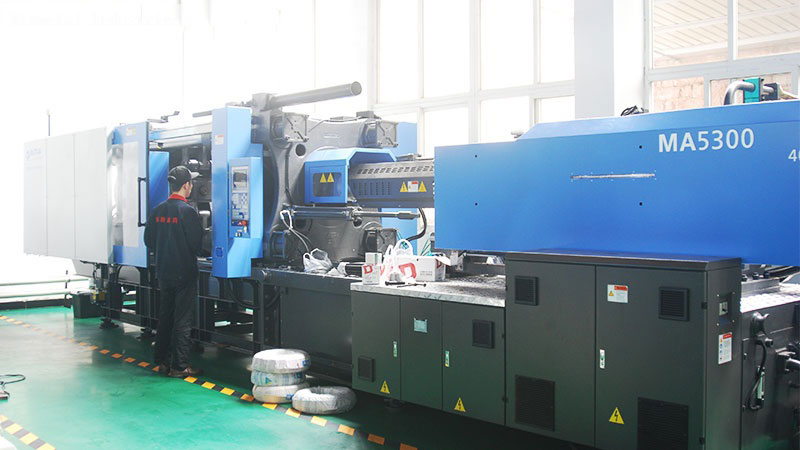
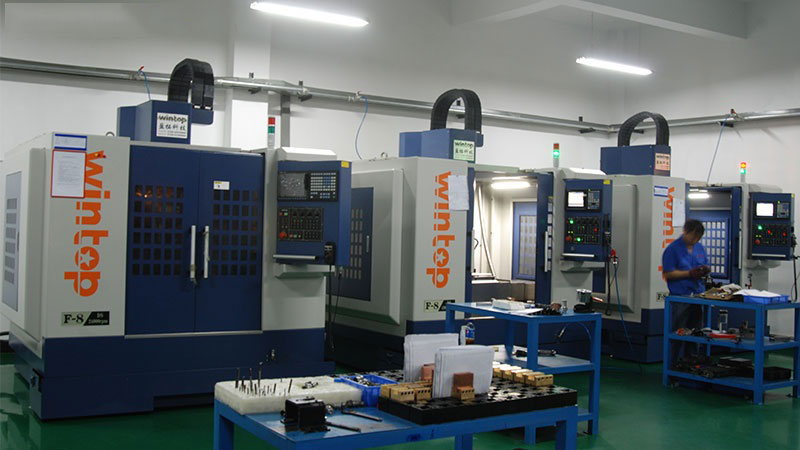
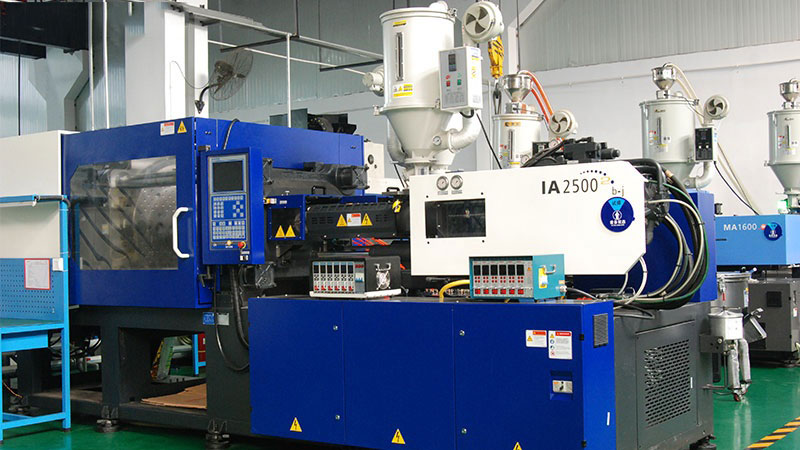
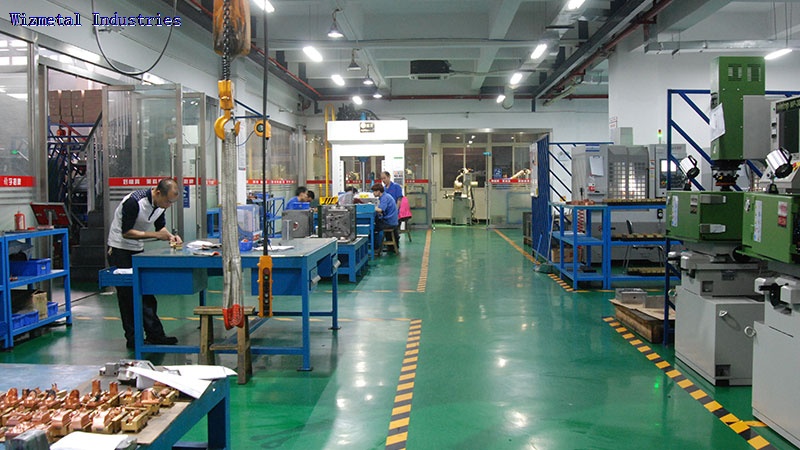
The cornerstone of any successful import project is rigorous supplier verification. In 2026, due diligence goes far beyond checking a website. Start by verifying the China mold factory’s business license via official channels and insist on a virtual or pre-qualification physical factory audit. Request to see machine lists—paying close attention to the presence of modern CNC, EDM, and mold polishing equipment—and ask for a portfolio of past projects, specifically for export clients. Crucially, engage in detailed technical discussions early. A competent supplier will ask probing questions about your part’s end-use, material selection, and tolerance requirements rather than immediately quoting a price. This phase is about assessing capability and professionalism; a transparent and communicative partner at this stage is indicative of the project management you can expect later.
Once a shortlist of potential partners is established, mastering the quotation and technical clarification process is vital. A professional quotation from a Chinese injection mold specialist should be a detailed document, breaking down costs for mold base, cavity and core machining, sliders, lifters, surface finish, and any required certifications like mold flow analysis. Do not be tempted by abnormally low bids; they often signal corner-cutting on material quality (such as using substandard steel) or manufacturing processes. Use this stage to align on all technical specifications: formally agree on steel grade (e.g., P20, 718, S136), cavity hardness, mold life expectancy, and part surface finish (SPI standards). Clearly define ownership of the mold design and all intellectual property in the contract. This meticulous approach prevents costly misunderstandings and change orders during production.
Effective project management and communication protocols are non-negotiable for overseas procurement. Establish a single point of contact on both sides who is technically fluent. Implement a structured milestone schedule with deliverables: for example, 3D mold design approval, material procurement confirmation, T1 sample delivery. Insist on regular updates with photos and videos at each key stage—machining, fitting, assembly, and trial. Utilize communication platforms that support file sharing and comment tracking. Many leading China plastic mold manufacturers now operate on a transparent project management system where clients can view progress. Setting these expectations upfront ensures you are not left in the dark and allows for proactive intervention if the project deviates from the plan, long before the first sample is shipped.
Your ultimate safeguard is a robust, multi-stage quality control protocol. Do not leave inspection solely until the final sample arrives at your door. For critical projects, consider hiring a local third-party quality inspection agency to conduct an Initial Production Check (IPC) when the first samples come off the mold. This verifies critical dimensions, assembly, and function against your CAD data and drawings. The next key stage is the Pre-Shipment Inspection (PSI) once mass production begins, checking for consistency across a statistical sample. Furthermore, before the mold is shipped, request a comprehensive mold qualification report, including photos of all components, hardness test reports for the cavities, and a record of the trial run parameters and sample measurements. This document is as important as the mold itself for future maintenance and production runs.
Building a successful partnership with your chosen China mold factory extends beyond the first order. View this as a long-term strategic alliance. Provide clear, constructive feedback on the first article inspection reports and samples. A reliable manufacturer will appreciate this and use it to calibrate their process to your standards. Discuss terms for mold storage, maintenance, and future production runs. As trust builds, this relationship can yield significant benefits, including priority scheduling, collaborative problem-solving on future complex projects, and increased transparency in costing. The most successful overseas buyers treat their manufacturer not as a distant vendor but as an integral extension of their own engineering and production team.
Importing molds from China in 2026 demands a shift from transactional purchasing to strategic partnership building. The journey hinges on meticulous supplier verification, crystal-clear technical alignment, disciplined communication, and an unwavering commitment to quality control at every stage. By following this professional framework, you mitigate the inherent risks of overseas procurement and unlock the immense value offered by China’s manufacturing ecosystem: advanced engineering capabilities, cost efficiency, and scalability. The ultimate goal is to secure not just a mold, but a reliable production asset and a manufacturing partner that contributes directly to your product’s success in the global market for years to come.
Work With Us
As a professional China mold manufacturer, we provide one-stop mold solution for overseas buyers.
📞 Phone: +86-18605944639
💬 WhatsApp: +8618605944639
🌐 Website: bestmoldworks.com
📧 Email: [email protected]