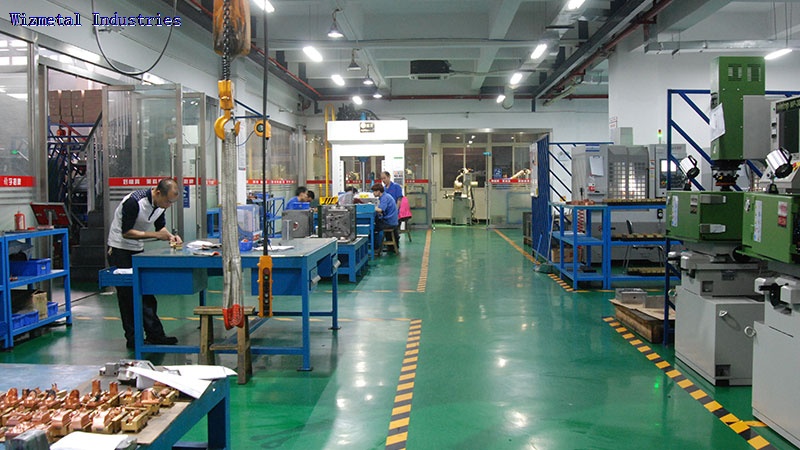
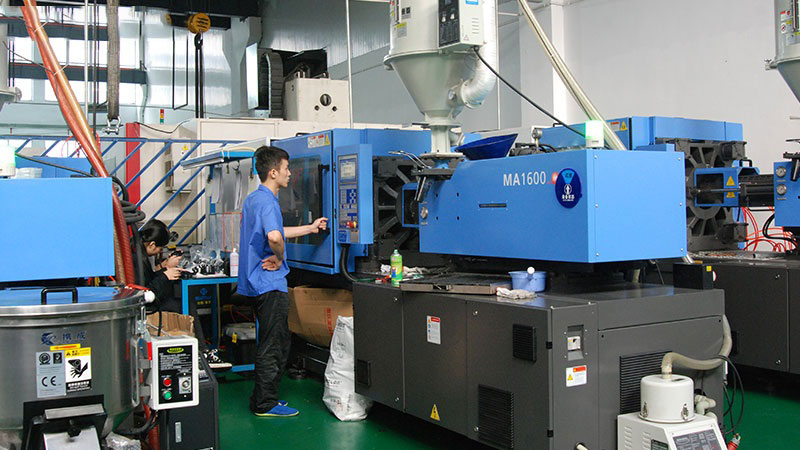
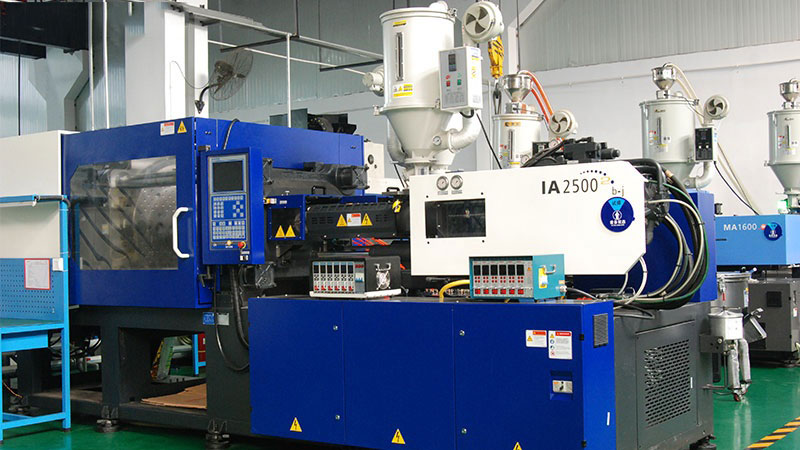
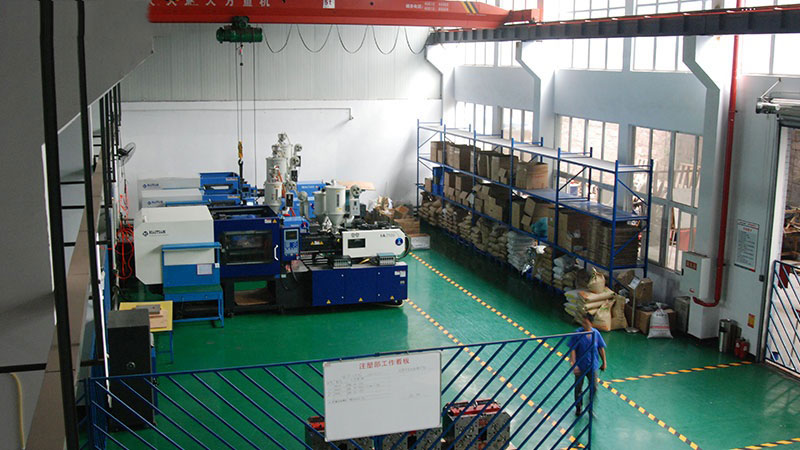
For overseas buyers, sourcing precision tooling from a mold factory in China remains one of the most effective strategies to achieve significant cost savings and access advanced manufacturing capabilities. However, the landscape is evolving rapidly. The year 2026 is not about finding the cheapest supplier, but about strategically partnering with competent manufacturers who can deliver consistent quality and reliability. The core challenge for importers has shifted from simple price discovery to sophisticated supplier verification and robust quality control protocols. This guide provides actionable, professional insights to navigate this complex procurement process, ensuring your investment in an injection mold or other tooling yields the expected return on investment and product performance.
The foundation of a successful import project lies in meticulous supplier verification. Moving beyond Alibaba listings is crucial. Start by identifying a China mold factory with demonstrable expertise in your specific industry, whether it’s automotive components, consumer electronics, medical devices, or packaging. Request detailed case studies and, critically, ask for contact information of their existing overseas clients for references. Verify business licenses and export credentials. In 2026, leading factories utilize digital twin technology and advanced simulation software; inquire about their design for manufacturability (DFM) process and the software they use. A professional supplier will proactively offer a DFM report, highlighting potential issues before steel is cut. This stage is not merely about checking boxes but about assessing their communication proficiency, project management structure, and transparency—key indicators of a reliable long-term partner.
Once a potential partner is shortlisted, defining and agreeing upon explicit quality standards is non-negotiable. The ambiguity of terms like “good quality” leads to disputes. Your technical drawings and specifications must be exhaustive, covering every critical dimension, surface finish (e.g., SPI standards), material grade (including steel brand and hardness), and tolerance. Specify the required mold life expectancy in cycles. For injection mold projects, discuss and document the mold trial process: how many trial shots will be conducted, what data will be recorded (pressure, temperature, cycle time), and how sample parts will be evaluated. Insist on a First Article Inspection (FAI) report and a full dimensional report of the initial samples against your CAD drawings. Establishing these benchmarks upfront aligns expectations and provides a clear objective framework for the subsequent quality control phases.
Effective quality control cannot be an afterthought; it must be integrated throughout the manufacturing timeline. For overseas buyers, a multi-layered approach is essential. Firstly, mandate in-process inspections conducted by the supplier, with documented evidence such as photos and videos of key stages: material certification, CNC machining, EDM, polishing, and assembly. Secondly, engage a reputable third-party quality inspection company based in China for critical pre-shipment inspections. These inspectors will visit the mold factory China location to perform a comprehensive evaluation before the tool is shipped. They will check for workmanship, test the mold on a machine if possible, and verify that the output samples meet the pre-agreed specifications. This independent verification acts as your final safeguard, preventing the costly and time-consuming scenario of receiving a non-conforming mold at your facility.
The final step encompasses logistics, payment terms, and post-sales support—areas where clarity prevents significant friction. Use secure and traceable payment methods; a common and balanced structure is 30-40% deposit, 40-50% after approval of sample parts, and 10-20% after final pre-shipment inspection. Ensure the contract clearly outlines responsibilities for mold transportation, insurance, and import customs clearance. Discuss intellectual property protection by signing a comprehensive NDA and potentially registering design patents in China. Finally, a reliable supplier will offer clear post-sales support terms. What is their policy for wear and tear? How quickly can they produce spare parts or provide engineering support for mold modifications? A trustworthy China mold factory views the mold delivery as the beginning of a partnership, not the end of a transaction.
In conclusion, successfully importing molds from China in 2026 demands a professional, process-oriented approach that prioritizes strategic partnership over transactional purchasing. By investing time in rigorous supplier verification, defining unambiguous quality standards, implementing staged quality control with third-party validation, and securing clear commercial terms, overseas buyers can mitigate risks and unlock the immense value offered by Chinese mold manufacturing. The goal is to transform the procurement journey from a source of anxiety into a competitive advantage, securing high-precision tooling that drives your product’s success in the global market. The most successful importers are those who build transparent, communicative relationships with their chosen mold factory, ensuring quality is engineered into the process from the very first design review.
Work With Us
As a professional China mold manufacturer, we provide one-stop mold solution for overseas buyers.
📞 Phone: +86-18605944639
💬 WhatsApp: +8618605944639
🌐 Website: bestmoldworks.com
📧 Email: [email protected]