For global businesses, sourcing high-quality tooling is a critical strategic decision that directly impacts product quality, time-to-market, and overall cost. China remains the world’s foremost hub for manufacturing, and its mold industry has evolved dramatically, moving far beyond its low-cost origins to become a leader in sophisticated, high-precision tooling. However, navigating this vast market to find a truly reliable partner requires insight and a structured approach. This guide is designed for overseas procurement specialists, engineers, and business owners seeking to successfully import precision molds from China in 2026 and beyond. We will move past generalities and provide actionable, real-world strategies to mitigate risk and secure a partnership with a top-tier China mold factory.
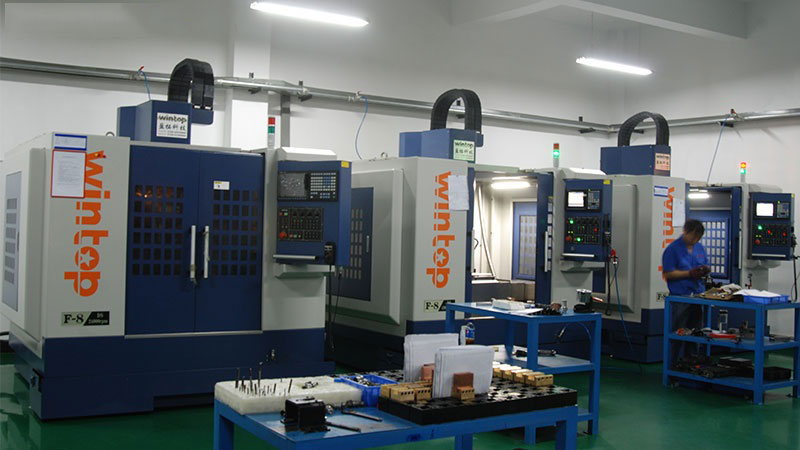
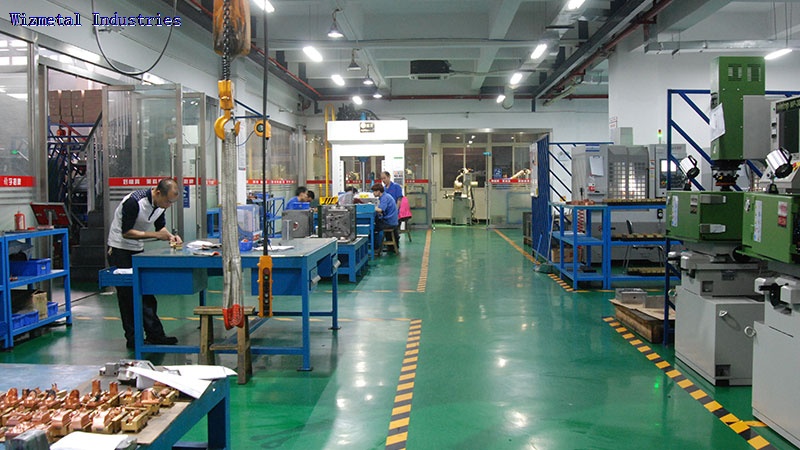
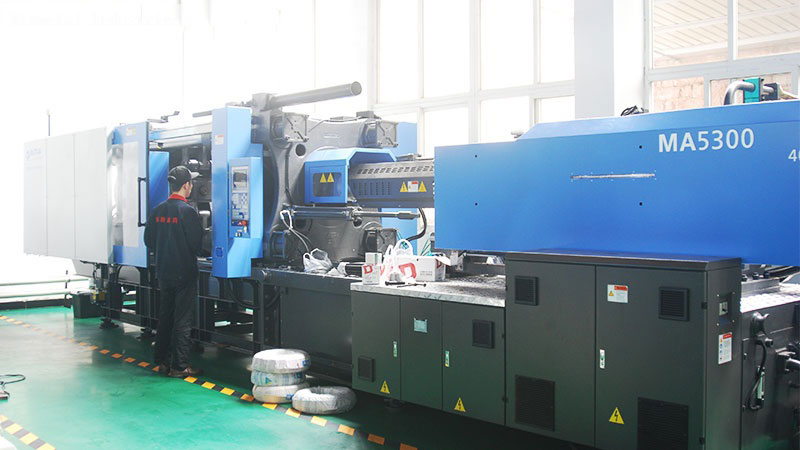
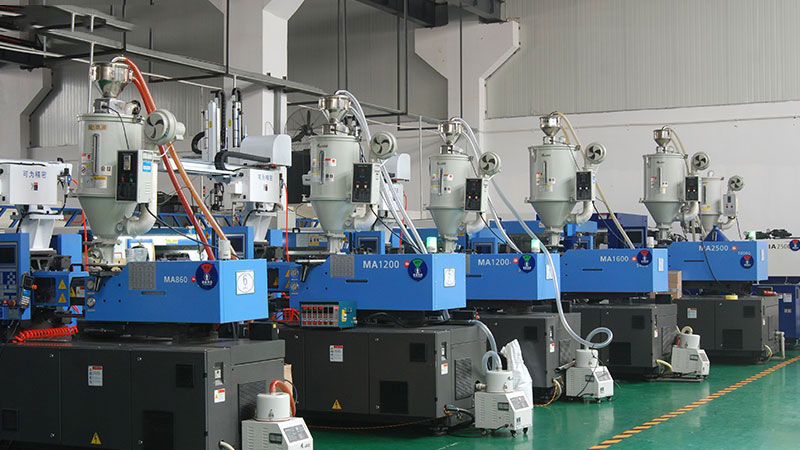
The foundation of a successful import project lies in meticulous supplier verification. In 2026, this goes far beyond checking a website or Alibaba storefront. Begin with a deep technical assessment. A credible precision injection mold maker will readily share detailed case studies, preferably with videos of mold trials and finished parts. Request to speak directly with their project engineers to discuss your specific material, tolerances (citing standards like DME, MISUMI, or HASCO), and expected volumes. Verify their machinery list; look for modern, high-speed CNC equipment, EDM machines, and CMM (Coordinate Measuring Machine) capabilities. Crucially, insist on a live video tour of their facility. This is non-negotiable. Observe the factory floor organization, tool storage, and the general condition of their machines. It is also essential to check their export experience. Do they have a dedicated English-speaking project management team? Can they provide references from clients in your region? This multi-layered verification process filters out traders and under-equipped workshops, directing you to genuine manufacturers.
Once a potential partner is identified, defining and agreeing upon a comprehensive quality control protocol is the single most important step to protect your investment. Do not assume standards are universal. Your technical drawings and specifications must be exhaustive. Clearly define critical dimensions, surface finish requirements (using SPI standards), mold life expectancy (number of cycles), and the grade of mold steel (such as P20, H13, S136). Mandate a First Article Inspection (FAI) report before the mold leaves the factory. This report should include CMM data verifying all critical dimensions against your CAD model. Furthermore, insist on a mold trial (T1) with a recorded video. You should receive samples from this trial, along with a detailed trial report noting any adjustments made. For high-value projects, consider engaging a third-party quality inspection service in China for an impartial pre-shipment audit. This proactive investment in quality control prevents costly misunderstandings and rework after the mold has been shipped overseas.
Effective procurement from a China mold factory hinges on mastering the commercial and logistical framework. Be transparent about your budget, but prioritize value over the lowest initial quote. A detailed request for quotation (RFQ) package should include 3D files (STEP or IGS), 2D drawings (PDF and DWG), material specifications, and expected annual volumes. This allows for accurate, comparable quotes. Understand the standard payment terms, which often follow a 50% deposit, 40% before shipment, and 10% after approval of trial samples structure. Ensure the Incoterms (typically FOB or EXW) are clearly stated, so you understand your responsibilities for shipping, insurance, and import duties. Discuss post-sales support upfront. What is their policy on warranty? Will they provide maintenance instructions and a spare parts list? A professional supplier will see this as part of a long-term partnership, not just a one-time transaction.
The most forward-thinking strategy for 2026 involves building your procurement process around the concept of partnership, not just purchase. The ideal precision injection mold maker becomes an extension of your engineering team. During the design phase, a collaborative partner will offer Design for Manufacturability (DFM) feedback, suggesting subtle changes that can significantly improve mold life, simplify cooling, or reduce cycle times without compromising your product’s function. They can advise on material selection and gate placement to minimize cosmetic defects. This collaborative approach leverages their expertise to optimize your tool for performance and cost. Furthermore, discuss their capacity for future work. If your product succeeds, can they scale up to produce production-level injection molding orders? Establishing this integrated relationship from the outset transforms your supplier into a strategic asset, ensuring not just a successful initial mold but a streamlined path to volume manufacturing.
In conclusion, importing a precision injection mold from China in 2026 presents a tremendous opportunity for quality and value, but it demands a disciplined, informed approach. The journey from concept to a perfect mold in your possession is built on systematic supplier verification, ironclad quality control agreements, clear commercial terms, and a mindset geared toward collaboration. By treating the selection process as a technical audit and prioritizing transparent communication, you can confidently identify a Chinese mold manufacturer whose capabilities align with your most stringent requirements. The ultimate goal is to secure a reliable partner who delivers not just a tool, but a foundation for your product’s success in the global marketplace.
Work With Us
As a professional China mold manufacturer, we provide one-stop mold solution for overseas buyers.
📞 Phone: +86-18605944639
💬 WhatsApp: +8618605944639
🌐 Website: bestmoldworks.com
📧 Email: [email protected]