Blog

  • injection mold factory near me: Professional Buying Gu 2026

    For overseas businesses, the search for a reliable “injection mold factory near me” often leads to a global destination: China. The country’s manufacturing ecosystem offers unparalleled expertise, scalability, and cost-effectiveness for injection mold production. However, navigating this complex landscape from afar presents distinct challenges. This 2026 Professional Buying Guide is designed to transform your procurement journey from a risky venture into a streamlined, successful partnership. We move beyond simple directory listings to provide actionable strategies for identifying, verifying, and collaborating with top-tier Chinese mold factories.

    The core challenge for international buyers is not a lack of options, but an overabundance. A simple online search can yield hundreds of potential China mold factory listings, making supplier verification the most critical first step. The modern approach transcends just comparing price quotes. It involves a multi-layered assessment of capability, reliability, and communication. In 2026, successful procurement hinges on digital diligence and strategic relationship building. The goal is to create a seamless extension of your own operations, even if it’s thousands of miles away. This guide outlines the key phases to ensure your project meets precise specifications, quality standards, and timeline requirements.

    Conducting In-Depth Supplier Verification and Capability Assessment

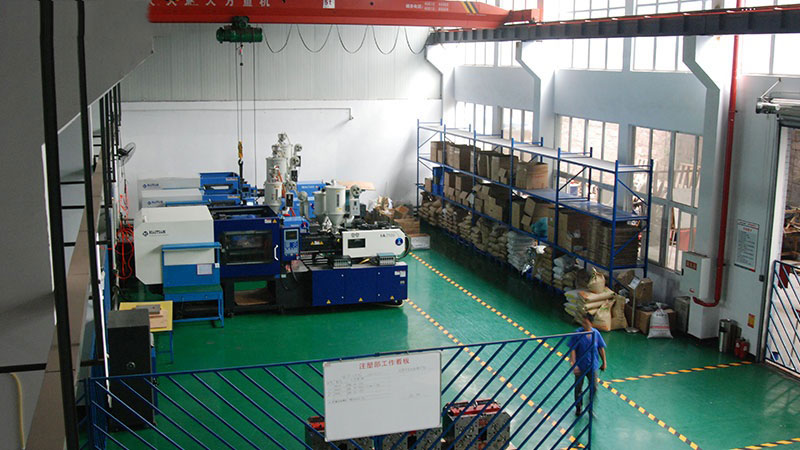
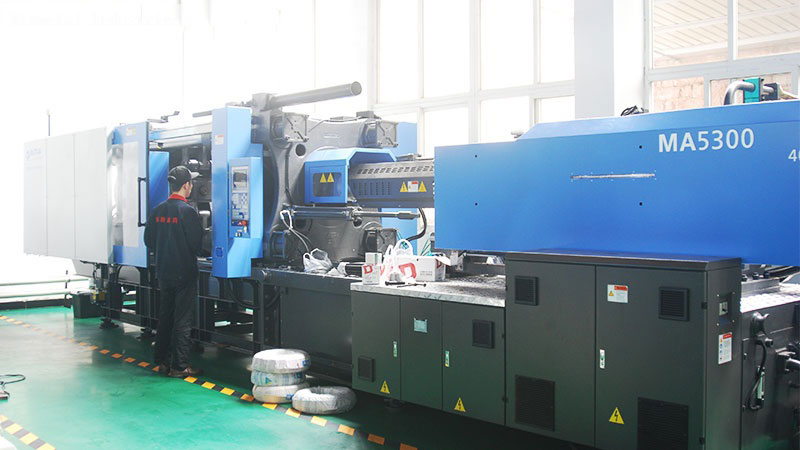
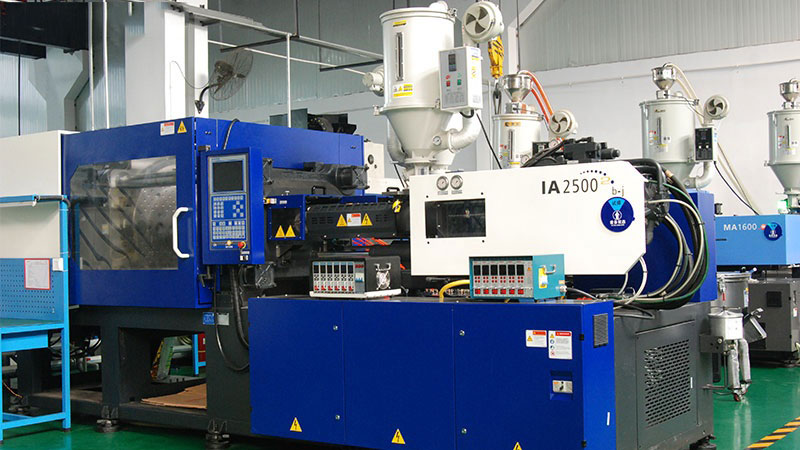
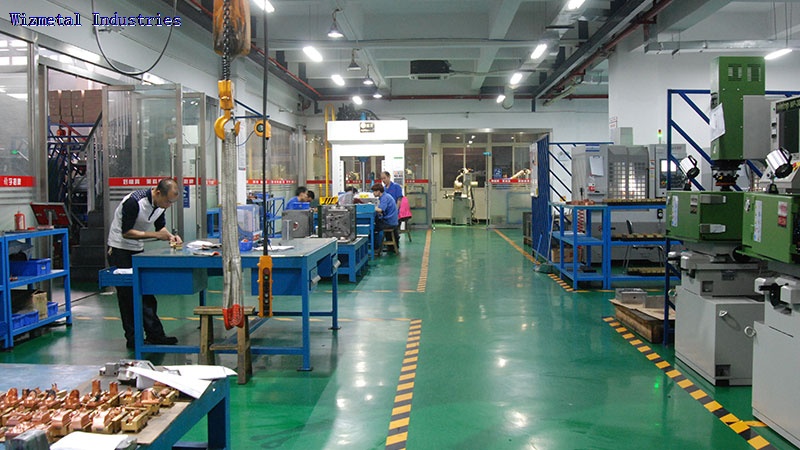
    Your first action must be thorough supplier verification. Do not rely solely on a supplier’s self-published website or Alibaba storefront. Request a detailed company profile including business licenses, years in operation, and client portfolio—especially any experience with overseas clients in your industry. The next step is capability assessment. A professional China mold factory should readily provide evidence of their technical range: the tonnage of their injection molding machines, experience with specific materials (e.g., engineering plastics, LSR), and expertise in mold types (two-plate, three-plate, hot runner systems). Insist on a virtual factory tour via video call. This 2026 standard practice allows you to inspect workshop organization, machinery maintenance, and quality control stations in real-time, offering transparency no brochure can match.

    Mastering the RFQ Process and Technical Communication

    A precise Request for Quotation (RFQ) is the blueprint for success. Vague inquiries lead to inaccurate quotes and future conflicts. Your RFQ package must include a comprehensive 3D part design (STEP or IGS format), 2D drawings with GD&T tolerances clearly defined, material specifications, expected annual volumes, and cosmetic requirements (e.g., texture, polish). This clarity allows the injection mold supplier to provide a comparable and detailed quotation. During technical discussions, emphasize communication protocols. Determine their primary point of contact—is it a salesperson or a project engineer? Confirm their proficiency in English and their use of collaborative tools like shared project management platforms or cloud folders for drawing revisions. Effective communication at this stage prevents costly misunderstandings during production.

    Implementing Proactive Quality Control and Inspection Protocols

    Quality control cannot be an afterthought; it must be engineered into the process from day one. Define your quality standards explicitly in the purchase contract. Reference international standards like ISO 9001 or specific automotive/medical standards if applicable. The cornerstone of modern import strategy is staged inspection. Engage a reputable third-party inspection company based in China for critical checkpoints: First Article Inspection (FAI) after the mold trial, and a Pre-Shipment Inspection (PSI) of the production samples. These inspectors will verify dimensional accuracy, material conformity, and part functionality against your approved drawings and samples. This proactive approach gives you objective data before the mold is shipped, protecting your investment and ensuring the injection mold meets all specifications.

    Navigating Logistics, IP Protection, and Long-Term Partnership

    Finalizing the order involves crucial logistical and legal considerations. Clearly negotiate Incoterms 2020—terms like FOB Shanghai or EXW—to define responsibility for costs and risks during shipping. Ensure the supplier provides a complete mold design file and material certificates for your records. Intellectual Property (IP) protection is a valid concern. Work with a legal professional to draft a robust Non-Disclosure Agreement (NDA) and ensure your contract stipulates that all mold design and tooling ownership remains your property. View this transaction not as a one-off purchase but as the foundation of a long-term partnership. A reliable injection mold factory near your global supply chain, albeit in China, becomes a strategic asset, enabling rapid iterations, maintenance, and future production runs.

    Conclusion

    Finding the right injection mold factory in China is a systematic process of verification, clear communication, and controlled oversight. The phrase “injection mold factory near me” in 2026 is less about geographic proximity and more about operational closeness—achieved through digital tools, transparent practices, and shared quality goals. By meticulously verifying suppliers, mastering technical RFQs, enforcing staged quality inspections, and securing your IP, you transform the inherent complexities of overseas procurement into a competitive advantage. This professional approach allows you to leverage China’s manufacturing excellence to produce high-quality, cost-effective injection molds that drive your product’s success in the global marketplace.

    Work With Us

    As a professional China mold manufacturer, we provide one-stop mold solution for overseas buyers.
    📞 Phone: +86-18605944639
    💬 WhatsApp: +8618605944639
    🌐 Website: bestmoldworks.com
    📧 Email: [email protected]
  • rubber mold manufacturers: Best Suppliers & Quality C 2026

    For overseas buyers, sourcing industrial components like rubber molds from China represents a significant opportunity for cost efficiency and access to advanced manufacturing capabilities. However, the journey from identifying a potential supplier to receiving a high-quality, production-ready mold is fraught with challenges. Navigating this landscape requires a strategic approach to procurement, supplier verification, and rigorous quality control. This guide is designed to provide actionable, professional insights for importers seeking to partner with the best rubber mold manufacturers in China, ensuring your project’s success in 2026 and beyond.

    The foundation of a successful import project lies in meticulous supplier verification. Not all China mold factories are created equal, and distinguishing between a trading company and an actual manufacturer is the first critical step. Begin by requesting detailed business licenses and visiting the factory virtually through comprehensive video tours. Insist on speaking directly with engineering managers, not just sales representatives, to assess their technical depth. Furthermore, investigate their export experience by asking for verifiable references from clients in your region or industry. A reputable supplier will transparently share case studies and past project portfolios. This due diligence phase is non-negotiable; it filters out intermediaries and aligns you with competent rubber mold manufacturers who have a proven track record in handling international orders and understanding overseas specifications and standards.

    Once a shortlist of potential partners is established, the focus must shift to technical clarification and prototyping. Ambiguity in design specifications is the primary cause of mold failure and costly revisions. Provide potential suppliers with fully detailed 3D CAD files (such as STEP or IGES) and comprehensive 2D drawings with clear tolerances, material specifications (e.g., silicone rubber, EPDM, nitrile), and intended production volume. Discuss the mold life expectancy and the type of molding process (compression, transfer, or liquid injection) required. The most reliable China mold factory will engage in a collaborative design review, offering Design for Manufacturability (DFM) feedback to optimize your mold for performance and cost. Before proceeding to full production, always commission a prototype or a first-article sample. This step allows for physical verification of dimensions, texture, and functionality, ensuring the final mold meets your exact requirements before significant investment is made.

    Implementing a robust quality control protocol throughout the manufacturing process is what separates successful imports from costly mistakes. Do not rely solely on the supplier’s final inspection. Instead, institute a multi-stage QC plan. This should include critical checkpoints such as after the mold base machining, after the cavity and core finishing, and after the trial shot or first sample production. For high-value or complex molds, hiring a third-party inspection company based in China to conduct on-site inspections during these stages is highly advisable. They can verify materials, hardness, dimensions, and surface finish against your drawings. Additionally, ensure the supplier provides a complete mold trial report with data and samples from the test runs. This proactive approach to quality control mitigates the risk of receiving a non-conforming product and provides leverage for remediation before shipment.

    Effective procurement from Chinese suppliers extends beyond the unit price of the mold. A professional approach involves negotiating clear terms that cover the entire project lifecycle. The quotation should be broken down to include costs for design, materials (such as pre-hardened steel, stainless steel, or aluminum), machining, heat treatment, trial shots, and any required certifications. Discuss payment terms strategically; a common and balanced structure is 30-50% deposit, 40-60% before shipment, with perhaps 10% retained until successful sample approval. Crucially, the contract must explicitly define ownership of the mold design and the physical tooling. Warranty terms covering workmanship and repair or modification costs should be clearly stipulated. Also, clarify logistics responsibilities—Incoterms like FOB or EXW—and ensure proper mold packaging for international shipping to prevent corrosion and damage. Managing these details formally prevents misunderstandings and ensures a smooth procurement process.

    The landscape of manufacturing is evolving, and leading rubber mold manufacturers in China are at the forefront of integrating advanced technologies. As you evaluate suppliers for 2026, prioritize those investing in modern capabilities. Inquire about their use of precision machinery like CNC centers, EDM (Electrical Discharge Machining), and high-speed milling. Expertise in flow simulation software for injection mold or rubber molding processes can significantly reduce trial-and-error, predicting and preventing defects like air traps or incomplete filling. Furthermore, assess their capability for secondary processes and finishing, such as texturing, polishing, or applying specialized coatings that extend mold life. A factory that embraces technological advancement is more likely to deliver a precision tool that ensures consistent part quality, reduces cycle times, and offers better long-term value, positioning your production for efficiency and competitiveness.

    Importing rubber molds from China is a highly viable strategy that offers substantial benefits when executed with precision and foresight. The path to success is built on a foundation of rigorous supplier verification, unambiguous technical communication, and an unwavering commitment to in-process quality control. By approaching procurement with a detailed contract and partnering with forward-thinking manufacturers who leverage modern technology, overseas buyers can secure not only cost advantages but also superior tooling quality. As we look toward 2026, the differentiation will lie in strategic partnership and meticulous process management. By applying these professional and actionable principles, you can confidently navigate the supply chain, minimize risks, and establish a reliable source for high-quality rubber molds that drive your production success for years to come.

    Work With Us

    As a professional China mold manufacturer, we provide one-stop mold solution for overseas buyers.
    📞 Phone: +86-18605944639
    💬 WhatsApp: +8618605944639
    🌐 Website: bestmoldworks.com
    📧 Email: [email protected]
  • Custom Silicone Mold with Logo: Best Suppliers & Qualit 2026

    For overseas buyers and product developers, creating a unique branded item often starts with a custom component. A custom silicone mold with logo is a fundamental tool for producing consistent, branded parts, from kitchenware and baking mats to industrial gaskets and promotional items. Sourcing these molds directly from China offers significant advantages in cost and scalability, but the procurement journey requires strategic navigation to ensure quality and reliability. This guide provides actionable insights for international buyers looking to partner with the best Chinese suppliers in 2026, focusing on practical steps for verification and quality control.

    The foundation of a successful import project is identifying and vetting the right China mold factory. Not all manufacturers specialize in silicone or possess the expertise for detailed logo integration. Begin your search with a focus on suppliers whose portfolios demonstrate clear experience in silicone rubber molding, particularly Liquid Silicone Rubber (LSR) or High Consistency Rubber (HCR) injection mold processes. A factory skilled in injection mold technology for silicone will understand the material’s unique flow characteristics, which is critical for capturing fine logo details and ensuring consistent part ejection. Utilize B2B platforms not just for browsing, but to analyze customer reviews, response times, and the technical specificity of their communications. Initial supplier verification should involve requesting detailed case studies or samples of previous logo mold work, not just generic mold examples.

    Once you have shortlisted potential partners, the procurement phase moves into technical clarification and quotation. A professional supplier will not provide a price immediately but will first request a comprehensive product drawing or 3D file. For your custom silicone mold with logo, specify the silicone grade (food-grade, medical-grade, industrial), the required hardness (Shore A), color, and the expected production volume. Crucially, discuss the logo implementation: will it be raised or recessed? What is the minimum depth or height to ensure legibility? A competent factory will advise on draft angles and tolerances around the logo features to facilitate demolding and prevent tearing. This technical dialogue is your first real test of the supplier’s expertise; vague or non-committal answers are a significant red flag.

    The most critical step for overseas buyers is implementing a rigorous quality control protocol before mass production begins. Insist on the approval of a First Article Inspection (FAI) sample from the initial mold trial. This sample must be scrutinized for logo clarity, dimensional accuracy, material quality, and surface finish. Engage a trusted third-party quality inspection service based in China to conduct an on-site Pre-Production Inspection (PPI) at the factory. They can verify the mold construction, the material certificates, and the initial batch quality against your specifications. This step, though an added cost, mitigates the substantial risk of receiving a substandard bulk order. Effective quality control is non-negotiable and separates professional procurement from speculative purchasing.

    Building a successful long-term relationship with your chosen supplier extends beyond the first order. Clear communication regarding logistics, payment terms, and intellectual property (IP) protection is essential. Use detailed purchase agreements that include clauses for IP confidentiality, especially for your logo design. Discuss the mold ownership structure—will the tooling be owned by you and stored at the factory, or will you absorb its cost through unit pricing? For shipping, understand the Incoterms (e.g., FOB, EXW) to clarify responsibilities and costs. A reliable partner will be transparent about production timelines, provide regular updates, and be proactive in addressing potential delays. This professional approach ensures that your investment in a custom silicone mold with logo yields returns through multiple production runs.

    In conclusion, sourcing a custom silicone mold with logo from China in 2026 is a highly viable strategy for cost-effective, scalable production, provided it is approached with diligence. The process hinges on targeted supplier verification, precise technical communication, and unwavering commitment to in-process quality control. By focusing on specialized China mold factories, mastering the specifics of silicone injection mold procurement, and establishing clear partnership terms, overseas buyers can secure not only a product but a reliable manufacturing asset. This disciplined methodology transforms the complexity of international sourcing into a competitive advantage, ensuring your branded products meet the highest standards of quality and consistency in the global market.

    Work With Us

    As a professional China mold manufacturer, we provide one-stop mold solution for overseas buyers.
    📞 Phone: +86-18605944639
    💬 WhatsApp: +8618605944639
    🌐 Website: bestmoldworks.com
    📧 Email: [email protected]
  • custom plastic injection mold manufacturer: Expert Tips 2026

    Importing custom plastic injection molds from China remains a strategic move for businesses worldwide seeking competitive advantage, cost efficiency, and manufacturing scalability. However, the landscape is evolving rapidly. For overseas buyers in 2026, success hinges on navigating new technologies, supply chain expectations, and verification processes with precision. This guide provides expert, actionable tips focused on solving real procurement challenges, helping you partner with a capable and reliable custom plastic injection mold manufacturer.

    Mastering Supplier Verification in the Digital Age

    The foundation of a successful import project is a thoroughly vetted China mold factory. Moving beyond basic website checks is crucial. In 2026, expert verification involves a multi-layered approach. Start with a deep-dive into digital proof: request and analyze high-resolution videos of their factory floor, not just static images. Utilize professional networking platforms to check employee profiles and tenure. Crucially, insist on a live video conference tour of their facility, specifically asking to see mold trials, quality control stations, and their design engineering department. Demand a list of recent international clients and seek independent references. Verify business licenses through third-party services and check for certifications like IATF 16949 for automotive or ISO 13485 for medical devices, relevant to your industry. This rigorous digital audit separates marketing fronts from genuine manufacturing partners.

    Strategic Communication and Technical Documentation

    Misalignment in technical specifications is the primary cause of mold rework, delays, and cost overruns. To solve this, professional buyers now treat the Request for Quotation (RFQ) package as a critical legal and technical document. Beyond part drawings, your RFQ must include a comprehensive mold specification sheet. This should detail the mold base standard (LKM, HASCO, DME), steel grade for each component (e.g., P20, S136, 718), surface finish requirements (SPI standards), cooling layout expectations, and ejection mechanisms. Clearly state your tolerance requirements and critical-to-quality dimensions. Furthermore, mandate a formal Design for Manufacturability (DFM) review from the supplier before any steel is cut. A competent injection mold partner will provide annotated feedback, suggesting design improvements that enhance moldability, reduce cost, and extend mold life. This collaborative, document-driven process ensures both parties have identical expectations.

    Implementing Proactive and Phased Quality Control

    Relying solely on final inspection is a high-risk strategy. The expert approach for 2026 is integrated, phased quality control (QC) embedded into the procurement timeline. Define clear QC checkpoints with your supplier: First Article Inspection (FAI) after sample parts are produced, and a Pre-Shipment Inspection (PSI) when the mold is ready. For critical projects, consider engaging a local third-party QC agency in the supplier’s region for impartial Dimensional Report and material certification checks. The most advanced buyers now use connected monitoring; request time-stamped photos and data from key stages such as steel material certification, cavity and core etching, and first trial shots. Discuss who bears the cost for mold modifications based on sample part approval. A transparent and agreed-upon QC protocol protects your investment and prevents unpleasant surprises upon delivery.

    Navigating Logistics, IP Protection, and Total Cost

    The true cost of a mold extends beyond the purchase order. Develop a holistic view of logistics early on. Decide with your supplier on the shipping terms (EXW, FOB, CIF) and understand the responsibilities each entails. For high-value molds, consider arranging marine insurance independently for greater control. Intellectual Property (IP) protection remains a paramount concern. A professional custom plastic injection mold manufacturer will willingly sign a Non-Disclosure Agreement (NDA) and a Mold Ownership Agreement. This legal document should unequivocally state that you own all design rights and the physical mold. Clarify storage costs if you leave the mold at their facility and establish a clear process for future production runs or mold modifications. Calculating the total cost of ownership, including potential maintenance, repair, and future sampling, provides a more accurate financial picture than the initial quote alone.

    Building a Partnership for Long-Term Success

    Viewing your supplier purely as a transactional vendor is an outdated model. The most successful import strategies in 2026 are built on partnership. After verification, clear communication, and QC, focus on relationship management. Schedule regular progress updates, treat your contacts with respect, and seek to understand their constraints. A reliable partner will proactively communicate delays due to material shortages or factory scheduling. Consider starting with a smaller, less critical mold project to test the partnership before committing to high-value tooling. This builds trust and operational familiarity. A China mold factory invested in a long-term relationship is more likely to prioritize your projects, provide better pricing on future work, and offer invaluable support during production troubleshooting.

    Conclusion

    Importing injection molds from China in 2026 demands a sophisticated, detail-oriented approach that prioritizes verification, clarity, and proactive management. By implementing these expert tips—from digital-age supplier audits and meticulous technical documentation to phased quality control and holistic cost analysis—you significantly de-risk the procurement process. The goal is to transform a complex international transaction into a streamlined, predictable partnership. By focusing on these actionable strategies, you position yourself to identify and collaborate with a true expert custom plastic injection mold manufacturer, securing not just a tool, but a cornerstone for your product’s manufacturing success for years to come.

    Work With Us

    As a professional China mold manufacturer, we provide one-stop mold solution for overseas buyers.
    📞 Phone: +86-18605944639
    💬 WhatsApp: +8618605944639
    🌐 Website: bestmoldworks.com
    📧 Email: [email protected]
  • injection mold factory china: Complete Procurement Gu 2026

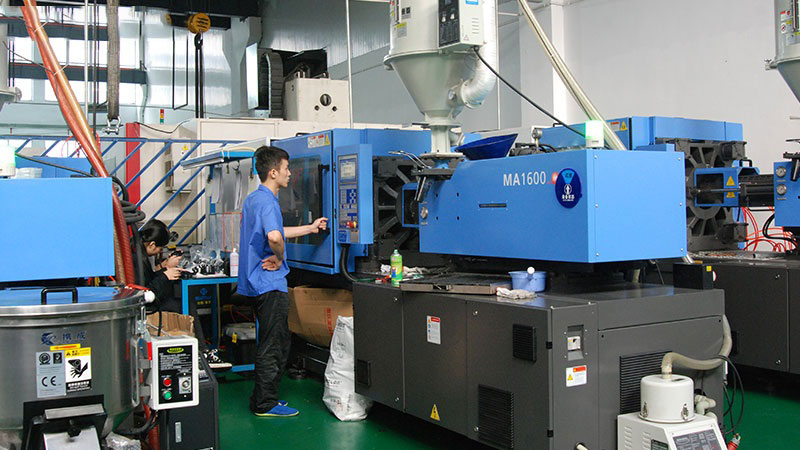
    For overseas buyers, sourcing an injection mold from China represents a significant opportunity to access world-class manufacturing capabilities at a competitive cost. However, navigating the vast landscape of suppliers to find a reliable, high-quality injection mold factory in China can be a complex undertaking fraught with potential pitfalls. This guide is designed to cut through the noise and provide you with a clear, actionable, and professional roadmap for your procurement journey in 2026. We will move beyond simple directory listings to focus on the practical strategies that ensure you secure not just a low price, but a durable, precision tool that delivers value for years.

    The foundation of any successful import project is rigorous supplier verification. The term “China mold factory” encompasses a massive range, from highly automated facilities serving global automotive brands to smaller workshops with limited engineering support. Your first step must be to move beyond Alibaba storefronts. In 2026, due diligence involves a multi-layered approach. Start by verifying business licenses and export records. Request and scrutinize detailed case studies or portfolios that are specific to your industry—whether it’s automotive, medical, consumer electronics, or packaging. Insist on a virtual or, ideally, an in-person factory audit. Key areas to assess include their mold flow analysis capabilities, the brand and age of their CNC, EDM, and CMM equipment, and their in-house quality control processes. A professional injection mold factory in China will be transparent and proactive in providing this evidence.

    Once a potential partner is identified, the procurement phase transitions to technical and commercial clarity. The single most critical document is a comprehensive Request for Quotation (RFQ). An effective RFQ for an injection mold must include far more than just part drawings. It should specify the mold steel grade (e.g., P20, H13, S136), expected production volume, cavity number, hot runner system preferences, surface finish requirements (SPI standards), and tolerance levels. Clearly outline post-mold services: who is responsible for sampling, mold trials, and necessary revisions? Furthermore, define the payment terms (e.g., 30-50% deposit, balance before shipment) and Incoterms (FOB, EXW, CIF) explicitly to avoid hidden costs. This level of detail allows for accurate, comparable quotes and sets a professional tone, signaling to the supplier that you are a knowledgeable buyer.

    Managing quality control remotely is the paramount challenge for overseas importers. Relying solely on final inspection is a high-risk strategy. The modern approach involves integrated quality control at critical milestones. Demand a First Article Inspection (FAI) report when the initial sample parts are produced from the finished mold. This report should validate all critical dimensions against your CAD data. For the mold itself, insist on pre-shipment inspections that include mold hardness testing, cavity pressure analysis results, and documentation of all cooling and ejection functions. Many buyers now engage independent third-party QC agencies in China for these milestone inspections. This objective oversight provides peace of mind and creates a clear, evidence-based channel for addressing any non-conformities before the mold leaves the factory.

    The journey does not end when the mold is shipped. Logistics, intellectual property protection, and long-term partnership are key final considerations. Ensure your chosen injection mold factory has experience in proper mold packaging—crated and protected against humidity and shock during ocean freight. Discuss and formalize intellectual property rights in your contract; a reputable supplier will respect and sign a Non-Disclosure Agreement (NDA). Finally, view this procurement as the start of a relationship. A reliable partner will offer reasonable terms for mold maintenance, repair, and future modifications. Their willingness to support the tool’s lifecycle is a true test of their commitment and reliability, transforming a one-time transaction into a strategic supply chain asset.

    In conclusion, successfully importing an injection mold from China in 2026 demands a blend of diligent verification, precise communication, proactive quality management, and strategic relationship building. By moving beyond price as the sole criterion and implementing the structured procurement process outlined above, you can effectively mitigate risks and unlock the immense value offered by China’s mold manufacturing sector. The goal is to partner with a China mold factory that acts as an extension of your own engineering team, delivering a precision tool that ensures product quality, manufacturing efficiency, and competitive advantage for your business. Start your next project with this framework, and transform the complexity of overseas procurement into a reliable and rewarding process.

    Work With Us

    As a professional China mold manufacturer, we provide one-stop mold solution for overseas buyers.
    📞 Phone: +86-18605944639
    💬 WhatsApp: +8618605944639
    🌐 Website: bestmoldworks.com
    📧 Email: [email protected]

  • Custom Silicone Mold with Logo: Professional Buying Gu 2026

    For overseas businesses, from startups to established brands, sourcing custom manufacturing components is a pivotal step in product development. The ability to imprint your unique identity directly onto a product through a custom silicone mold with logo offers unparalleled branding and quality control. However, navigating the procurement landscape in China can be daunting. This 2026 professional buying guide is designed to cut through the complexity, providing you with actionable, real-world strategies to successfully import high-quality, logo-embossed silicone molds from reliable Chinese manufacturers. We will move beyond generic advice to solve the specific challenges you face in supplier verification, communication, and quality assurance.

    The journey begins long before you request a quote. Precise definition of your project is non-negotiable. For a custom silicone mold with logo, this extends beyond basic dimensions. You must prepare a comprehensive technical package including: detailed 2D drawings or 3D CAD files (STEP or IGS formats are standard), specifying the exact placement, depth, and style of your logo engraving. Define the silicone material grade required (e.g., food-grade, high-temperature resistant, FDA-compliant) and the intended production volume, as this influences mold material choice like aluminum or steel. Clearly state your expected tolerance levels and surface finish. This clarity not only accelerates the quoting process but also establishes you as a knowledgeable buyer, setting the stage for professional engagement with a China mold factory.

    Identifying potential suppliers is easy; verifying their reliability is the critical task. In 2026, due diligence must be multi-layered. Start by shortlisting specialized manufacturers with proven portfolios in silicone or rubber injection mold creation. Utilize B2B platforms but prioritize suppliers with verifiable business licenses (via third-party checks) and genuine factory audit reports. The most crucial step is to request and inspect physical sample molds. A reputable China mold factory will readily provide samples, allowing you to assess the precision of the logo detail, mold finish, and overall craftsmanship. Simultaneously, initiate video calls for a virtual factory tour. Observe their workshop, machinery, and ask pointed questions about their experience with logo integration and their process for injection mold projects similar to yours. This phase is about substantiating claims with evidence.

    Effective communication and contractual clarity are your primary shields against misunderstandings. Always insist on a detailed, itemized proforma invoice (PI) that breaks down costs for mold design, materials, machining, logo engraving, sampling, and shipping. Discuss and agree upon a milestone-based payment plan (e.g., 30% deposit, 40% after sample approval, 30% before shipment). The contract must explicitly state ownership of the mold design and the physical mold tooling—you are the buyer, you should retain ownership. Crucially, define the sample approval process. The supplier should produce a first-article sample from the finished mold for your inspection. This sample is your opportunity to verify the logo clarity, product functionality, and material quality before authorizing mass production or shipping the mold itself.

    Implementing rigorous quality control (QC) is not an option; it is a standard operating procedure for professional procurement. For a logo-specific mold, QC happens in two stages. First, conduct a Data Dimension Report (DDR) check on the finished mold cavity itself, using the original CAD data to verify the logo’s geometry and depth. Second, and most importantly, test the actual output. Require the supplier to produce sample castings using the intended production silicone. Measure critical dimensions, test for function, and meticulously inspect the logo transfer for sharpness, completeness, and absence of flaws. For high-value orders, engaging a local third-party QC inspector for a pre-shipment inspection (PSI) is a highly recommended investment. They can perform statistical sampling, functional tests, and provide an unbiased report, ensuring the entire batch of molds or molded products meets your specifications before it leaves the factory.

    Logistics and long-term partnership planning are the final, strategic pieces. Decide early whether you will import the physical custom silicone mold with logo for domestic production or if you will have the Chinese factory handle initial production runs. This dictates Incoterms (FOB is common for mold procurement) and impacts shipping method—molds are often heavy and require secure, timely freight. Choose a reliable freight forwarder experienced in handling industrial tooling. Furthermore, view this not as a one-time transaction but as a partnership. A trustworthy supplier becomes an asset for future iterations, additional product lines, or maintenance. Discuss their policy on mold storage, repair, and modification. Building a transparent, professional relationship with a verified China mold factory is the ultimate outcome of a successful procurement process, yielding value far beyond the initial order.

    In conclusion, importing a custom silicone mold with logo from China in 2026 demands a structured, vigilant approach grounded in professional procurement principles. Success is built on the pillars of meticulous specification, exhaustive supplier verification, ironclad communication, proactive quality control, and strategic logistics planning. By treating the process as a technical collaboration rather than a simple purchase, you transform potential risk into a significant competitive advantage. The result is not just a mold, but a precision tool that consistently reproduces your branded product with quality and efficiency, laying a solid foundation for your product’s market success.

    Work With Us

    As a professional China mold manufacturer, we provide one-stop mold solution for overseas buyers.
    📞 Phone: +86-18605944639
    💬 WhatsApp: +8618605944639
    🌐 Website: bestmoldworks.com
    📧 Email: [email protected]

  • plastic mold factory: Complete Procurement Guide 2026

    For overseas buyers, sourcing a plastic injection mold is a critical investment that directly impacts product quality, time-to-market, and overall manufacturing cost. China remains the global epicenter for mold manufacturing, offering unparalleled expertise, scale, and competitive pricing. However, navigating this complex landscape requires a strategic and informed approach. This complete procurement guide for 2026 is designed to equip you with actionable, professional insights to successfully partner with a reliable plastic mold factory in China, turning potential challenges into a streamlined competitive advantage.

    The foundation of a successful import project lies in meticulous supplier verification. The term “China mold factory” encompasses a vast spectrum, from highly automated giants to specialized workshops. In 2026, due diligence goes beyond a simple website check. Begin by verifying business licenses and export credentials. Utilize third-party inspection reports and insist on a virtual factory tour via video call; a reputable supplier will transparently showcase their shop floor, machinery brand and age, and quality control stations. Crucially, assess their engineering capability. Request detailed design-for-manufacturability feedback on your part drawings. A competent partner will proactively suggest material, gating, or draft angle improvements to enhance moldability and reduce cost, proving their value as a technical collaborator rather than just a job shop.

    Once a shortlist of potential partners is established, mastering the technical and commercial quotation process is your next step. A professional quotation from a plastic mold factory should be exhaustive. It must break down costs for mold design, mold base material and hardness, cavity and core steel grade, number of cavities, cooling system complexity, ejection mechanism, and surface finish. For 2026, explicitly discuss and quote for any sustainability-linked requirements, such as mold designs that minimize material waste. Clarify ownership of the mold design intellectual property upfront. Furthermore, the quote should detail the project timeline with clear milestones: design approval, material procurement, machining, fitting, trial shot, and final inspection. Never base your decision solely on the lowest price; the most cost-effective quote balances price with a clear demonstration of technical understanding and project management rigor.

    Effective quality control is non-negotiable and must be integrated from the first design meeting. Define and agree upon all quality standards before order placement. This includes specifying steel certifications, requiring material test reports, and setting tolerances for critical dimensions. The First Article Inspection report from the initial T1 trial shots is your most powerful tool. It should include CMM data, color-coded dimensional reports against your CAD model, and photos of finished samples. For 2026, leverage technology: insist on cloud-based shared folders for all documentation and consider stipulating live video streams during key trial sessions. For high-volume or critical molds, plan for a pre-shipment audit conducted by a trusted third-party inspector to verify the mold’s construction, functionality, and documentation compliance before it leaves the factory floor.

    The final phase, encompassing logistics, payment, and long-term partnership, solidifies the success of your procurement. Understand Incoterms 2020 thoroughly; FOB is common, but for simplicity, consider EXW if you have a reliable freight forwarder in China. Ensure the plastic mold factory provides a professional packing list, commercial invoice, and arranges seaworthy export packaging to prevent transit damage. A staggered payment schedule is standard practice: a deposit to commence work, a milestone payment after design approval or steel purchase, and the balance before shipment. For new partnerships, consider using secure payment platforms or letters of credit. View this transaction as the start of a relationship. A reliable supplier becomes a strategic asset for future projects, product iterations, and maintenance, providing consistency and continuous improvement to your supply chain.

    Importing molds from China in 2026 demands a blend of traditional procurement acumen and modern digital engagement. The journey from identifying a suitable China mold factory to receiving a high-performance injection mold is paved with detailed verification, clear technical communication, proactive quality control, and structured commercial agreements. By following this professional guide, you transform the inherent complexities of overseas procurement into a predictable, controlled process. The goal is to secure not just a tool, but a partnership with a manufacturer whose expertise and reliability will support your product’s success for years to come, making your investment in a Chinese plastic mold factory a definitive strategic win.

    Work With Us

    As a professional China mold manufacturer, we provide one-stop mold solution for overseas buyers.
    📞 Phone: +86-18605944639
    💬 WhatsApp: +8618605944639
    🌐 Website: bestmoldworks.com
    📧 Email: [email protected]

  • injection moulding factory near me: Ultimate Guide for 2026

    For overseas buyers, the search for an “injection moulding factory near me” often evolves into a more strategic and cost-effective quest: finding a reliable partner in China. The geographical distance in the query becomes irrelevant when the goal is accessing world-class manufacturing capabilities, competitive pricing, and vast technical expertise. As we look toward 2026, the process of importing molds from China has matured, moving beyond simple price-shopping to a sophisticated procurement partnership. This guide is designed to provide you with actionable, professional strategies to navigate this landscape successfully, mitigate risks, and secure a high-quality injection mold that meets your exact specifications.

    The foundational step in your procurement journey is redefining your search parameters. Instead of a local factory, you are identifying a China mold factory that operates as a true extension of your engineering team. Begin with a deep internal analysis. Create a comprehensive mold specification document that includes part design (with 3D files), material type, expected annual volumes, tolerance requirements, surface finish specifications, and lead time expectations. This document is your most critical tool; it ensures all potential suppliers are quoting on the exact same scope, enabling accurate comparisons. Utilize global B2B platforms like Alibaba, Made-in-China, and Global Sources to generate an initial longlist, but prioritize factories with verified certifications (ISO 9001, IATF 16949 for automotive) and those who showcase technical blogs or case studies relevant to your industry. This shift from a proximity-based search to a capability-based search is your first and most crucial strategic move.

    Once you have a shortlist, rigorous supplier verification separates the credible partners from the intermediaries. In 2026, due diligence is non-negotiable. First, verify business licenses and export credentials. Request a virtual factory tour via video call; a reputable injection mold manufacturer will readily showcase their workshop, machinery (look for brands like Sodick, DMG Mori, or Haitian injection molding machines), and quality control lab. Scrutinize their portfolio for projects of similar complexity and size to yours. Ask for and contact at least two references from past overseas clients. Inquire specifically about communication efficiency, problem-solving during tooling trials, and post-sales support. Furthermore, use professional background check services to confirm the company’s legal standing and financial health. This phase is about building confidence, not just collecting brochures. Remember, you are not just buying a mold; you are investing in a long-term manufacturing relationship.

    With a verified partner, the focus turns to contract and project management, where clear communication is your primary quality control tool. Your agreement must be detailed and explicit. It should cover the complete technical specification, a milestone-based payment schedule (e.g., 30% upon order, 40% after T1 sample approval, 30% before shipment), intellectual property (IP) protection clauses, and protocols for handling design changes (ECN process). Crucially, insist on a structured communication plan. Assign a dedicated project manager on both sides and use collaborative platforms for tracking. During the mold manufacturing phase, require regular photo and video updates of key stages: steel material certification, CNC machining, EDM, polishing, and assembly. This transparency allows for early intervention and aligns expectations, preventing costly misunderstandings before the first sample is ever produced.

    The most critical phase of the entire process is the quality control protocol, executed before shipment. Never approve a mold based solely on a final inspection report. Plan for and budget to attend the initial sample trial (T1) in person or via a detailed live stream. Observe the molding process, review the first-shot samples against your master sample or CAD data, and conduct on-the-spot dimensional checks with the factory’s CMM reports. Discuss and approve any necessary mold revisions on-site. For buyers who cannot travel, hiring a reputable third-party inspection company in China to witness the trial and perform a pre-shipment inspection (PSI) is essential. They will check the mold’s workmanship, material conformity, and sample part quality against your specifications. This step is your final and most powerful risk mitigation tool, ensuring the product you receive is the product you ordered.

    Finally, consider the total cost of ownership and logistics strategy for 2026. While the unit price of the injection mold is important, evaluate the supplier’s proposal holistically. What is their projected mold lifespan? What are their terms for warranty and maintenance? How do they handle repair or modification requests? For logistics, work with the factory to determine the optimal shipping method—air freight for urgency or sea freight for cost-effectiveness on heavy molds. Ensure they have experience in proper export packaging (waterproof, shock-proof) and completing all necessary customs documentation accurately. A reliable partner will guide you through Incoterms (like FOB or EXW) and help ensure a smooth customs clearance process in your country, preventing delays and unexpected charges.

    In conclusion, the successful import of an injection mold from China in 2026 is a systematic process of partnership building, not a simple transaction. By moving beyond the literal idea of an “injection moulding factory near me” and embracing a structured approach—from precise specification and thorough supplier verification to active project management and rigorous quality control—you unlock the immense value of Chinese manufacturing. The ultimate goal is to transform geographical distance into a strategic advantage, securing a high-precision tool that delivers consistent part quality for years to come. With this guide as your framework, you are equipped to navigate the market confidently, make informed decisions, and establish a productive, long-term relationship with a top-tier China mold factory.

    Work With Us

    As a professional China mold manufacturer, we provide one-stop mold solution for overseas buyers.
    📞 Phone: +86-18605944639
    💬 WhatsApp: +8618605944639
    🌐 Website: bestmoldworks.com
    📧 Email: [email protected]

  • mold factory near me: Complete Procurement Guide 2026

    For overseas buyers, the search for a reliable “mold factory near me” often transcends geographical proximity. In today’s globalized manufacturing landscape, “near me” has evolved to mean strategic proximity to expertise, cost efficiency, and supply chain resilience. For countless businesses, this logically points to China, the world’s premier hub for mold manufacturing. However, procuring high-quality injection molds from a China mold factory involves a nuanced process. This 2026 guide is designed to move you from search to successful procurement, providing a professional, actionable framework for navigating the Chinese mold industry with confidence.

    Redefining “Near Me”: The Strategic Shift to Chinese Expertise

    The initial impulse to find a local mold shop is understandable, driven by desires for easier communication and logistical simplicity. Yet, for most projects requiring high precision at competitive costs, limiting your search geographically can mean compromising on specialized capabilities or economic viability. China’s mold industry offers an unparalleled combination of scale, technological advancement, and deep material science knowledge. Therefore, your procurement strategy should pivot from finding a factory physically close to your office to identifying a partner that is professionally “close” to your project’s specific requirements—in capability, communication style, and business ethos. This mindset is the first critical step toward a successful import venture.

    Phase One: Systematic Supplier Verification and Vetting

    The cornerstone of successful procurement is rigorous supplier verification. Simply finding a list of China mold factories online is insufficient. In 2026, due diligence must be multi-layered. Start with a deep analysis of the supplier’s digital footprint: a professional website, detailed case studies, and technical specifications are baseline expectations. However, true verification goes further. Utilize third-party inspection platforms to check business licenses and export credentials. Demand and conduct video tours of their facility—a modern expectation that allows you to assess machinery, workshop organization, and engineering team presence in real-time. Crucially, request and contact past overseas clients. A reputable supplier will have a portfolio of successful international collaborations. This phase filters out trading companies masquerading as factories and identifies partners with genuine export experience.

    Phase Two: Technical Clarification and Quotation Analysis

    Once you have a shortlist of verified suppliers, the focus shifts to technical procurement. Providing a meticulously detailed Request for Quotation (RFQ) is non-negotiable. This should include not just part drawings, but material specifications, expected annual volumes, cavity requirements, surface finish standards, and tolerance expectations. Be wary of quotes that are significantly lower than the market average; this often signals corner-cutting on steel quality, component standards, or engineering time. A professional 2026 quotation will be transparent, breaking down costs for mold base, core/cavity steel, hot runner system, and labor. Engage in technical discussions with their engineers to gauge their problem-solving approach. Their questions and suggestions at this stage are a strong indicator of their expertise and commitment to building a mold that lasts, not just one that is cheap.

    Phase Three: Implementing Proactive Quality Control Protocols

    Quality control cannot be an afterthought; it must be engineered into the procurement process from the start. Define and agree upon milestone inspections before any payment is released. Standard checkpoints include a Design Review, a First Article Inspection after the mold is assembled, and a Sample Approval Run using production-grade material. For critical projects, engage a local third-party quality inspection firm to conduct these checks on your behalf. They can verify steel hardness, measure critical dimensions, and assess the performance of the injection mold during trial runs. Furthermore, insist on comprehensive documentation throughout the build process: material certificates, heat treatment reports, and mold test videos. This proactive approach mitigates risk and ensures the final product aligns with your specifications, turning quality control from a reactive hurdle into a managed process.

    Phase Four: Navigating Logistics, IP, and Long-Term Partnership

    Finalizing the procurement involves safeguarding your interests and planning for the future. Ensure your contract clearly outlines intellectual property ownership—the mold design and part should be your property. Discuss incoterms thoroughly; FOB is common, but understand all responsibilities and costs. For a new partnership, consider starting with a smaller, less complex project to build trust before scaling up. A forward-thinking China mold factory will view your initial order as the start of a long-term relationship. Discuss their capacity for mold maintenance, repair, and future modifications. Establishing clear communication channels and response time expectations will make this partnership feel as responsive and reliable as any local “mold factory near me,” despite the distance.

    Conclusion: Mastering Global Procurement for Competitive Advantage

    Importing molds from China in 2026 is a strategic endeavor that rewards diligence, clear communication, and systematic processes. By redefining your search parameters, conducting exhaustive supplier verification, engaging in deep technical collaboration, enforcing rigorous quality control, and formalizing a strong partnership framework, you transform geographical distance into a formidable competitive edge. The goal is not merely to find a supplier but to integrate a capable extension of your manufacturing operations overseas. This complete guide provides the roadmap to achieve precisely that, enabling you to leverage world-class injection mold expertise to innovate faster, reduce costs, and strengthen your market position. Your ideal, strategically “near” partner is waiting; it is now a matter of connecting with them through informed and professional procurement.

    Work With Us

    As a professional China mold manufacturer, we provide one-stop mold solution for overseas buyers.
    📞 Phone: +86-18605944639
    💬 WhatsApp: +8618605944639
    🌐 Website: bestmoldworks.com
    📧 Email: [email protected]

  • plastic injection mold factory China: Best Suppliers & 2026

    For overseas buyers, sourcing a plastic injection mold factory in China represents a significant opportunity for cost efficiency and manufacturing scalability. However, navigating this complex landscape to find a truly reliable partner can be daunting. The challenge isn’t finding a supplier; it’s identifying a manufacturer that delivers consistent quality, maintains clear communication, and upholds professional standards from initial design to final shipment. This guide cuts through the noise, providing actionable, professional strategies to streamline your procurement process and forge successful partnerships with top-tier Chinese mold factories in 2026 and beyond.

    The cornerstone of successful procurement begins with rigorous supplier verification. Moving beyond a simple Alibaba listing is non-negotiable. Start by scrutinizing the China mold factory’s business licenses and export credentials. Request detailed case studies or portfolios that match your industry’s complexity, whether it’s automotive, medical, consumer electronics, or packaging. Utilize video conferencing tools to conduct virtual factory tours; a reputable supplier will readily showcase their workshop, machinery (look for brands like DMG Mori, Sodick, or Haitian injection molding machines), and quality control stations. Furthermore, insist on speaking directly with their project engineers. This step assesses their technical capability and proactive problem-solving approach, ensuring they are a true partner, not just a vendor. Verifying these elements separates market-leading operations from less capable workshops.

    Once a potential partner is identified, mastering the technical and commercial negotiation phase is critical. Provide a comprehensive and clear Request for Quotation (RFQ). This should include not just part drawings (preferably in STEP or IGES format) but also material specifications, expected annual volumes, tolerance requirements, and surface finish expectations. A professional plastic injection mold factory China will respond with a detailed breakdown: mold base steel type (such as P20, 718, or S136 for corrosion resistance), cavity and core steel, estimated number of shots, cooling line design, and a clear timeline with milestones. Discuss and agree upon payment terms that protect both parties; common structures like 50% deposit, 40% upon pre-shipment sample approval, and 10% after shipment offer balanced security. Crucially, define the ownership and transfer of all design files (3D mold drawings) upon final payment.

    Proactive and structured quality control is the most effective tool to mitigate risk. Never rely on a “trust and ship” model. Implement a staged inspection protocol. The First Article Inspection (FAI) after the initial sample is produced is vital. This involves a dimensional report against your CAD drawing, often using a Coordinate Measuring Machine (CMM). Many overseas buyers engage reputable third-party inspection services in China for this critical stage, providing an unbiased report. Additionally, require documentation at key production stages: mold flow analysis before manufacturing begins, material certificates for the steel, and photos or videos of the finished mold and first shot samples. For ongoing production, establish a clear Acceptable Quality Level (AQL) for part inspections. This disciplined approach to quality control ensures the injection mold and subsequent parts meet your specifications consistently.

    Effective communication and project management bridge the geographical and cultural gap. Designate a single point of contact on both your team and the supplier’s team to streamline communication. Use collaborative platforms like shared cloud folders for drawings and revisions, and establish regular update schedules—weekly video calls are far more effective than sporadic emails. Understand and respect the time zone difference by scheduling meetings in advance. Furthermore, consider the total cost of ownership, not just the initial mold price. Factors like the mold’s durability, ease of maintenance, and the supplier’s responsiveness for future modifications or spare parts are crucial for long-term value. A supplier that demonstrates excellent project management during the mold-making phase will likely be a reliable partner for your ongoing production needs in 2026.

    Finally, plan for the long-term relationship and logistical execution. A successful first mold project lays the foundation for future collaboration. Discuss post-sales support, warranty terms for the mold (typically one year against workmanship and material defects), and their policy on mold repair and maintenance. For logistics, understand the Incoterms thoroughly. While EXW (Ex Works) might offer a lower quoted price, it places the full burden of shipping and export formalities on you. For most overseas buyers, FOB (Free On Board) is a more manageable term, where the supplier handles delivery to the port and customs clearance for export. Ensure all shipping marks, packaging requirements (molds are high-precision, heavy tools), and documentation are confirmed in writing to avoid delays at customs.

    In conclusion, successfully importing from a plastic injection mold factory China in 2026 demands a shift from simple price sourcing to strategic partnership building. The process hinges on meticulous supplier verification, precise technical communication, unwavering commitment to staged quality control, and professional project management. By implementing these actionable strategies, overseas buyers can significantly de-risk their procurement process, secure high-quality tooling, and establish a competitive advantage for their production. The goal is to transform a complex international transaction into a streamlined, reliable extension of your own manufacturing capabilities, ensuring quality and efficiency for years to come.

    Work With Us

    As a professional China mold manufacturer, we provide one-stop mold solution for overseas buyers.
    📞 Phone: +86-18605944639
    💬 WhatsApp: +8618605944639
    🌐 Website: bestmoldworks.com
    📧 Email: [email protected]