For overseas buyers, the decision to import custom molds from China represents a significant opportunity for cost efficiency and advanced manufacturing capability. However, the path from concept to a perfect, production-ready mold is fraught with potential pitfalls. Relying solely on online custom molds reviews can be a misleading starting point, as the landscape of Chinese manufacturing is nuanced and dynamic. This ultimate guide for 2026 moves beyond superficial ratings to provide a structured, professional framework for procurement. We will solve the real problems you face—verifying supplier legitimacy, ensuring robust quality control, and ultimately forging a partnership that delivers precision, value, and reliability.
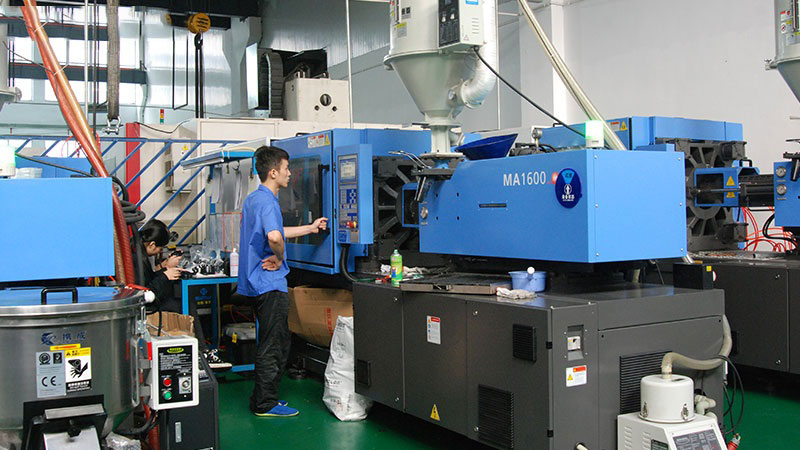
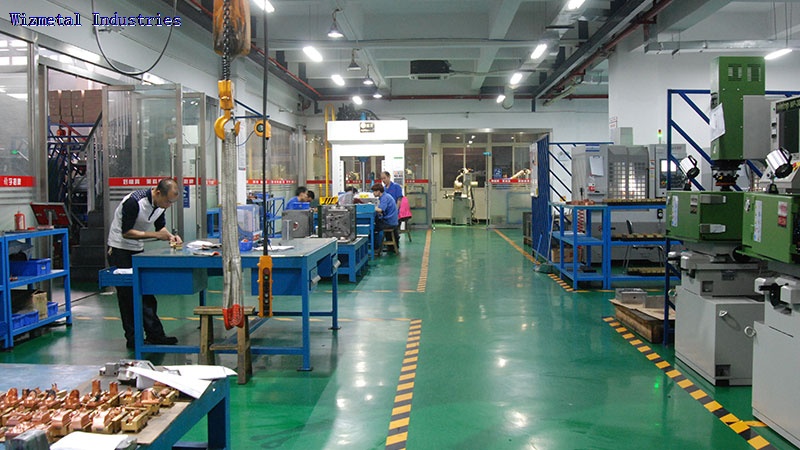
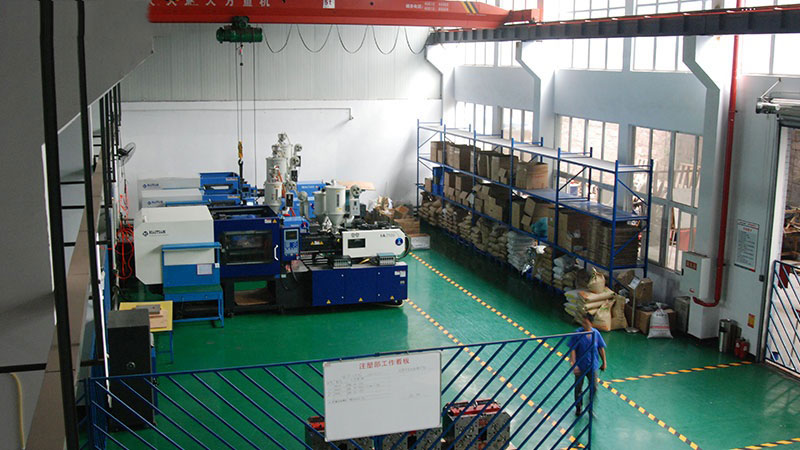
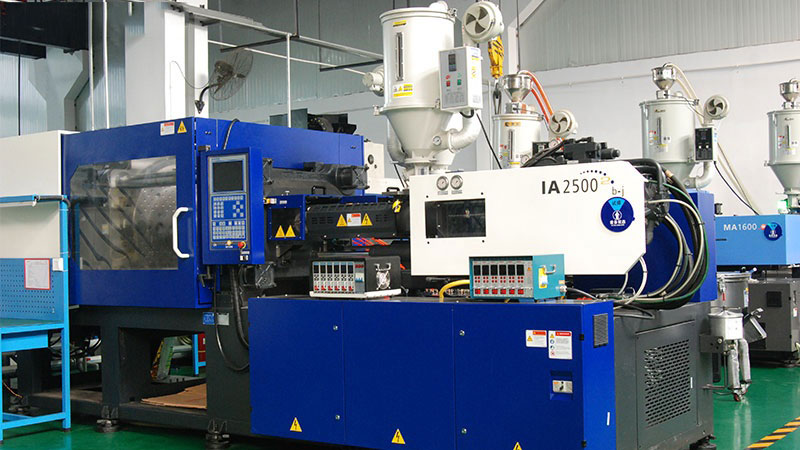
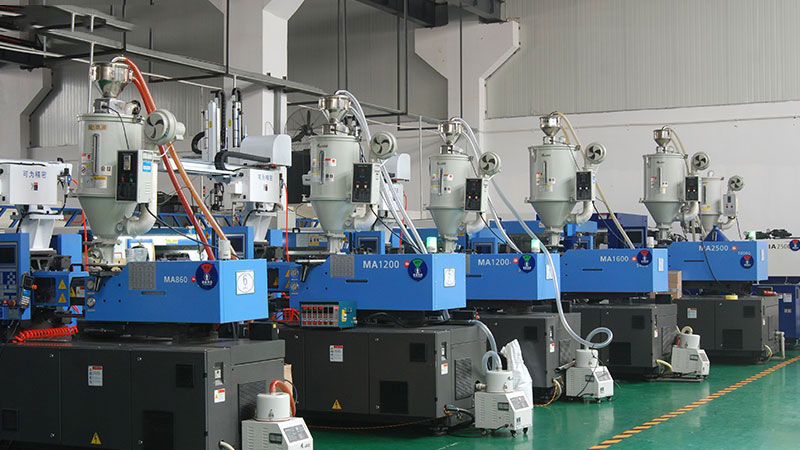
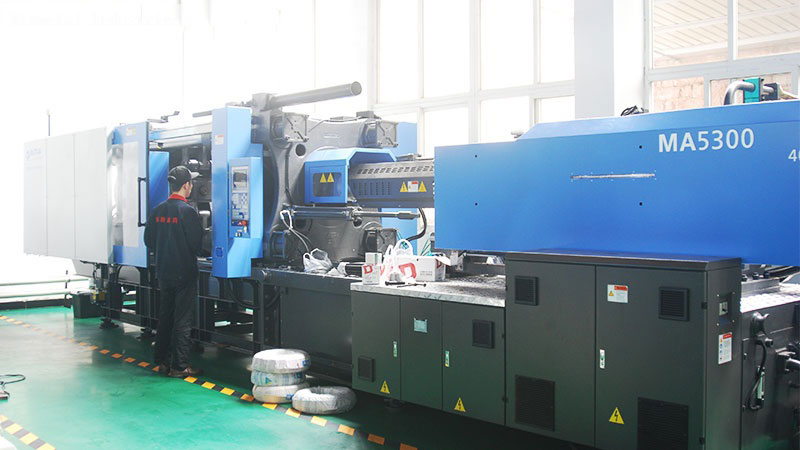
The foundational step in your journey is moving from passive review reading to active supplier verification. A positive collection of custom molds reviews is merely an entry point. In 2026, due diligence must be digital and thorough. Begin by verifying the China mold factory’s business license via official Chinese platforms. Scrutinize their digital footprint: a professional website with detailed technical capabilities, case studies, and engineering insights is more telling than a generic sales page. Utilize video conferencing to request real-time factory tours, focusing on their mold workshop, machining centers (like EDM and CNC), and testing facilities. Crucially, ask for and contact past international clients not just listed on their site. This proactive verification separates marketing from genuine manufacturing competence, ensuring you engage with a legitimate partner capable of fulfilling your specific injection mold requirements.
Once a potential supplier is verified, defining and communicating your technical specifications with unambiguous clarity becomes the critical phase. Ambiguity here is the primary cause of cost overruns and delays. Beyond providing a 3D file (STEP or IGES), develop a comprehensive Technical Specification Sheet. This document should detail material grade (e.g., pre-hardened steel, stainless steel, aluminum), cavity life expectancy (number of shots), surface finish requirements (SPI standards), tolerance levels for critical dimensions, and part volume projections. For injection molds, explicitly discuss the mold flow analysis they will perform to anticipate filling issues, weld lines, and sink marks. A competent factory will engage deeply with this document, asking clarifying questions and suggesting design for manufacturability (DFM) improvements. This collaborative engineering dialogue is a far stronger indicator of quality than any generic positive review.
The most pivotal, yet often overlooked, stage is implementing a multi-layered quality control protocol throughout the mold manufacturing process. Do not wait for the final product to inspect. Insist on structured Quality Control (QC) milestones with documented evidence. Key checkpoints include: a first article inspection (FAI) of the mold base and core/cavity inserts after machining, a T1 sample evaluation using the actual production material on their press, and a final pre-shipment dimensional inspection with CMM reports. Partner with a reputable third-party inspection service in China for at least the T1 sample and final inspection stages. Their impartial report on fit, function, dimensions, and part performance is your ultimate safeguard. This proactive QC strategy, managed through clear communication channels, mitigates risk and ensures the injection mold meets your exact standards before it ever leaves the factory floor.
Navigating the commercial and logistical framework is essential for a smooth partnership. Clearly negotiate and document terms beyond unit price. Discuss payment terms (e.g., 50% deposit, 40% after T1 approval, 10% before shipment), prototyping costs, mold ownership rights, and warranty periods for workmanship and materials. Understand the Incoterms 2020 thoroughly; FOB Shenzhen is common, but you must account for shipping, insurance, and import duties on your end. Ensure all packaging for the heavy, precision mold is crated and protected for ocean freight. Finally, establish post-sales support protocols. How will they handle mold maintenance, repair requests, or future modifications? A reliable China mold factory will be transparent and cooperative in these commercial and logistical discussions, viewing them as the foundation of a long-term relationship.
In conclusion, successfully importing custom molds from China in 2026 requires a shift from a simple procurement mindset to one of strategic partnership management. While researching custom molds reviews can offer an initial list, your success hinges on the systematic application of verification, clear communication, rigorous quality control, and solid commercial agreements. By actively vetting your China mold factory, co-engineering the specification, mandating transparent QC checkpoints, and clarifying all terms, you transform the inherent risks of overseas sourcing into a competitive advantage. The result is not just a high-quality injection mold, but a trusted manufacturing relationship that delivers value and innovation for years to come. Let this guide be your blueprint for confident and successful sourcing in the evolving landscape of global manufacturing.
Work With Us
As a professional China mold manufacturer, we provide one-stop mold solution for overseas buyers.
📞 Phone: +86-18605944639
💬 WhatsApp: +8618605944639
🌐 Website: bestmoldworks.com
📧 Email: [email protected]