For overseas buyers, the prospect of importing high-quality, cost-effective molds from China is more accessible than ever, thanks to digital procurement. However, navigating the landscape of online mold customization presents unique challenges, from verifying supplier credibility to ensuring precise technical execution across continents. This guide for 2026 cuts through the complexity, offering a structured, professional approach to securing perfectly customized molds through online channels.
Mastering the Digital Supplier Discovery and Verification Process
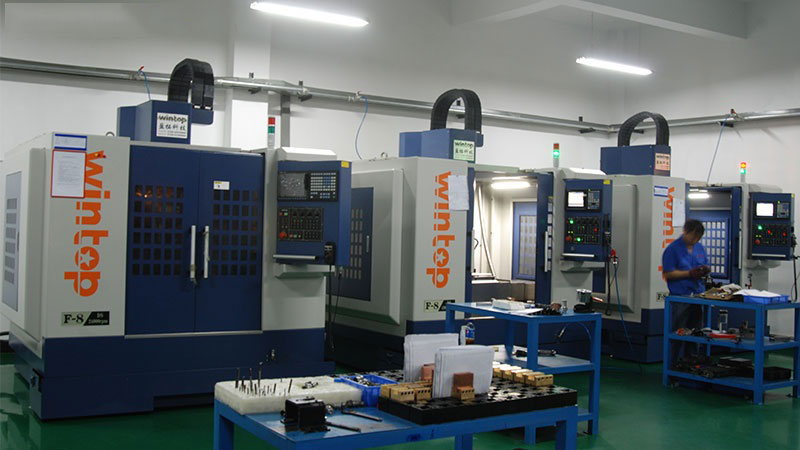
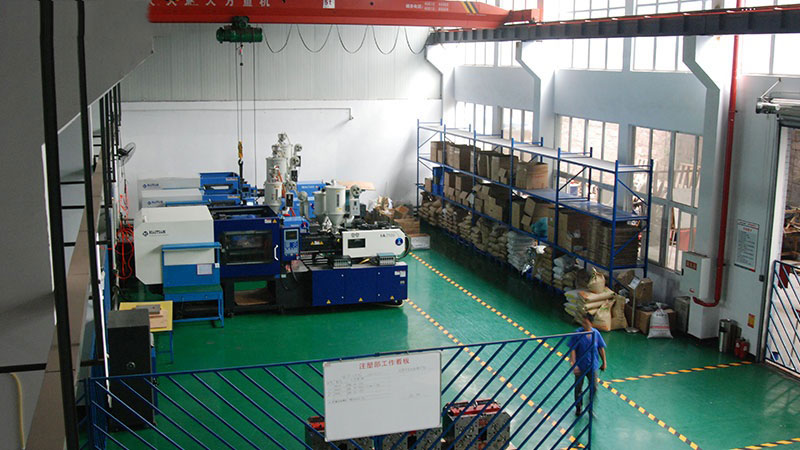
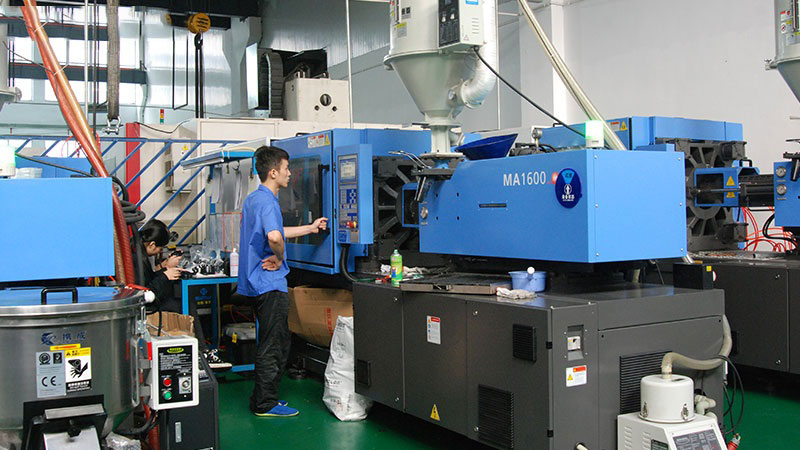
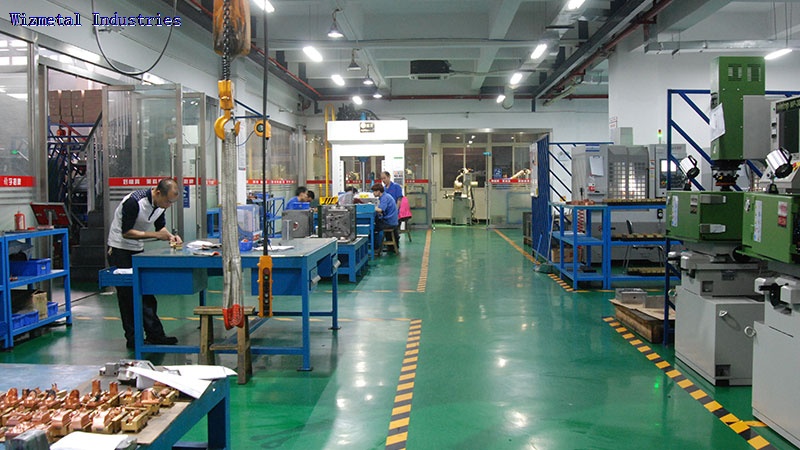
The journey begins with effective online discovery, which has evolved far beyond simple directory searches. In 2026, leverage industry-specific B2B platforms with verified supplier badges, but deepen your research. Cross-reference potential partners on professional networking sites to assess their corporate activity and employee expertise. The critical step is systematic supplier verification. Always request a detailed company profile, business licenses, and, most importantly, evidence of past projects for overseas clients similar to you. A reputable China mold factory will readily provide case studies, often with video walkthroughs of their facility and production lines. Initiate video calls to conduct virtual factory tours; this not only verifies physical assets like CNC centers and EDM machines but also allows you to gauge communication quality and professional demeanor firsthand.
Streamlining Technical Communication and Design for Manufacturability
Clear technical communication is the cornerstone of successful mold customization online. Begin by providing a comprehensive Request for Quotation (RFQ) package. This should include 3D CAD models (STEP or IGS formats), 2D drawings with critical dimensions and tolerances clearly marked, material specifications for the final plastic or metal part, and expected production volume. To bridge potential gaps, insist on a Design for Manufacturability (DFM) report. A competent supplier will analyze your design and suggest modifications to improve moldability, reduce cost, and enhance longevity. This collaborative DFM stage, conducted over shared digital workspaces, is where problems are solved before steel is cut. Discuss and agree upon all mold specifications explicitly—mold base standards (LKM, HASCO, DME), cavity material (e.g., P20, H13, S136), surface finish, cooling layout, and ejection system.
Implementing a Robust Stage-Gate Payment and Quality Control Protocol
Financial and quality control risks can be mitigated with a structured, milestone-based agreement. Replace vague terms with a clear stage-gate payment schedule tied to verifiable deliverables. A typical structure could be: 30% upon order confirmation and DFM approval, 40% upon completion of mold fabrication and provision of pre-shipment inspection reports, and the final 30% after successful sample approval. Quality control must be proactive, not reactive. Specify your inspection requirements in the contract: mandatory First Article Inspection (FAI) with CMM reports, mold trial videos showing part ejection and cycle times, and the shipment of pre-production samples for your physical verification. For critical projects, consider engaging a local third-party quality inspection firm to conduct in-process and pre-shipment audits. This independent validation provides an objective assessment of the injection mold’s quality and the parts it produces.
Navigating Logistics, IP Protection, and Building Long-Term Partnership
Finalizing procurement involves strategic post-production steps. Work with your supplier to determine the most cost-effective and reliable Incoterm (e.g., FOB, EXW, CIF). For an injection mold, ensure proper packaging and crating to prevent transit damage. Understand all destination country import duties and regulations. Intellectual property protection remains a paramount concern. A robust Non-Disclosure Agreement (NDA) is essential, but complement it with a contract that clearly states ownership of all design and tooling. Some buyers opt to have the mold base engraved with their company logo and a unique serial number. View successful execution as the foundation for a long-term partnership. A reliable China mold factory becomes a strategic asset, offering faster turnaround on future projects, maintenance support, and valuable insights for new designs. This relationship is the ultimate return on a well-managed procurement process.
Conclusion
Importing customized molds from China via online platforms in 2026 demands a blend of digital savvy and disciplined procurement fundamentals. The process hinges on meticulous supplier verification, uncompromisingly clear technical communication, stage-gated financial controls, and proactive quality assurance. By adopting this structured guide, overseas buyers can transform the perceived risks of distance and complexity into a competitive advantage—gaining access to world-class manufacturing capabilities, significant cost savings, and innovative engineering support. The future of manufacturing is collaborative and digital; mastering the online mold customization process positions your business to fully capitalize on it.
Work With Us
As a professional China mold manufacturer, we provide one-stop mold solution for overseas buyers.
📞 Phone: +86-18605944639
💬 WhatsApp: +8618605944639
🌐 Website: bestmoldworks.com
📧 Email: [email protected]