For overseas buyers, sourcing precision tooling from China represents a significant opportunity for cost efficiency and advanced manufacturing capability. However, navigating the vast landscape of suppliers to identify truly reliable partners can be a daunting task fraught with risks. This guide is designed to cut through the noise and provide a structured, actionable framework for your procurement strategy in 2026. We will move beyond simple directories and focus on the critical processes of supplier verification and quality control that separate successful, long-term partnerships from costly mistakes.
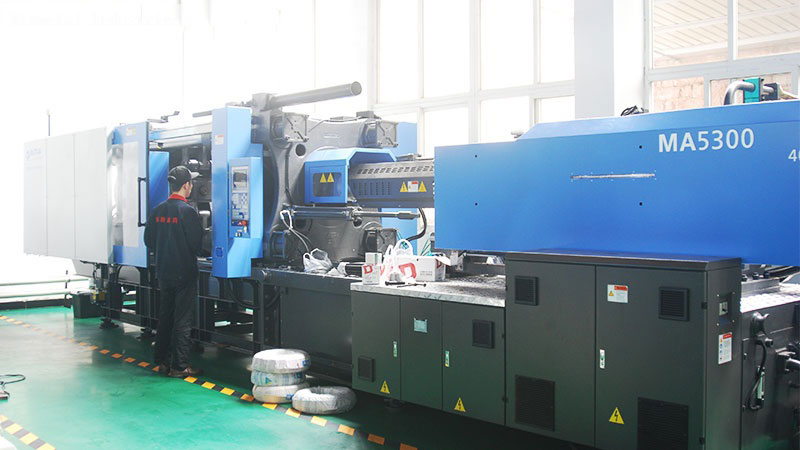
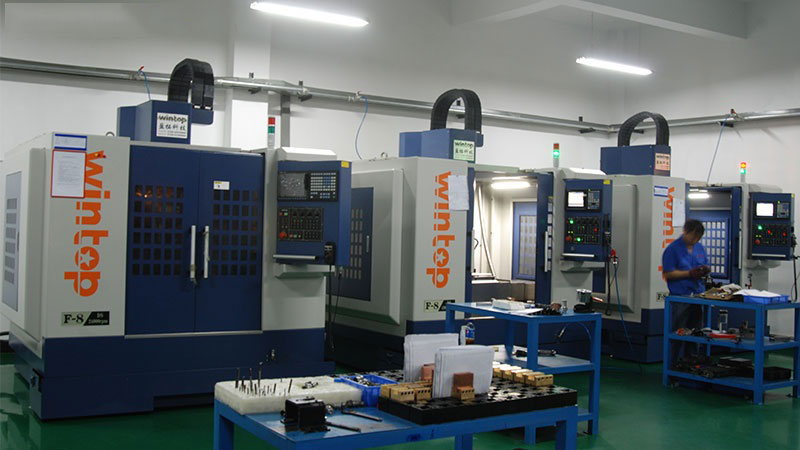
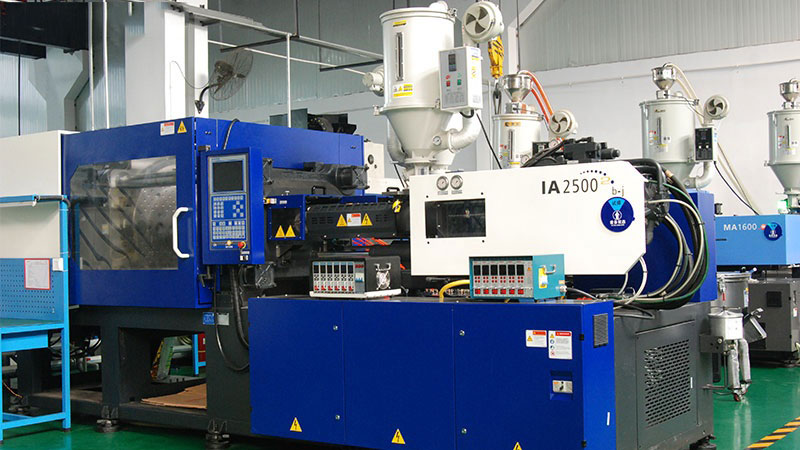
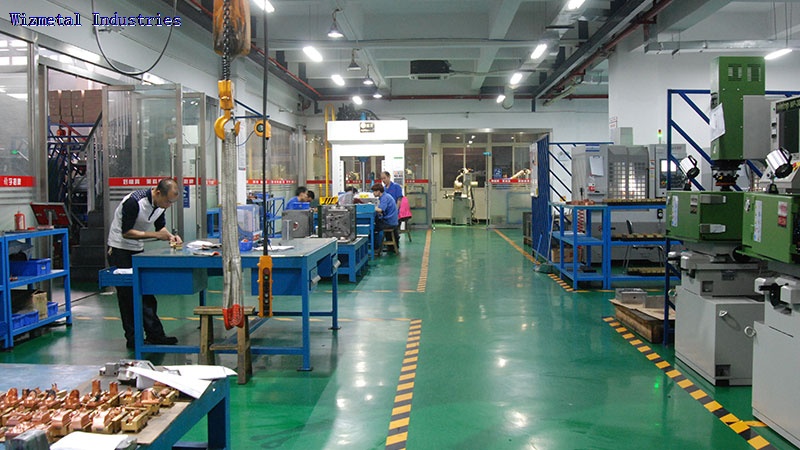
The foundation of a successful import project lies in meticulous supplier verification. In 2026, due diligence must be deeper than reviewing a glossy website or a generic Alibaba storefront. Start by verifying business licenses and export credentials. Request detailed case studies that are specific to your industry, whether it’s automotive components, consumer electronics, or medical devices. A credible China mold factory will readily provide these. Utilize video calls to conduct virtual factory tours; insist on seeing the shop floor, the array of machining centers (EDM, CNC), and their quality lab. Pay close attention to their standard operating procedures and ask for evidence of their project management system. Furthermore, check for international certifications relevant to your market, such as ISO 9001 for quality management, which indicates a baseline of operational discipline.
Once a shortlist of potential mold manufacturers is established, the focus shifts to technical and commercial clarity. The most common point of failure in mold procurement is ambiguous communication. Your request for quotation (RFQ) must be exceptionally detailed. Beyond part drawings, include specifications for mold steel grade (e.g., P20, H13, S136), required cavity life expectancy, surface finish requirements (SPI standards), and tolerance levels. Clearly state all post-molding requirements, such as secondary operations or part testing protocols. During negotiations, dissect the cost structure. Understand what is included in the mold price—design, flow analysis, mold trials, sample parts, and spare components. A transparent supplier will explain costs without hesitation. Be wary of quotes that seem abnormally low, as this often signals compromises on material quality or engineering rigor.
Proactive quality control is non-negotiable and must be integrated from the very first design review. Reliable manufacturers will engage in a Design for Manufacturability (DFM) analysis, providing feedback to optimize your part for the injection mold process. This collaborative step prevents costly redesigns later. Define a milestone-based inspection plan tied to payments. Key inspection points typically include: a first article inspection after steel cutting to confirm dimensions, a T1 sample evaluation from the first mold trial, and a final pre-shipment audit. For high-value or high-precision tools, engaging a trusted third-party quality inspection agency within China for the critical T1 sample stage is a highly recommended investment. They can provide unbiased reports on part dimensions, material conformity, and assembly function before the mold is finalized.
Building a sustainable partnership with your chosen China mold factory requires a shift from a transactional mindset to a collaborative one. Clear contracts are essential, covering intellectual property protection, warranty terms (typically 12-24 months against workmanship and material defects), and protocols for handling engineering changes. Establish regular communication rhythms using project management tools or scheduled update meetings. View your supplier as a technical partner; their expertise in injection mold design and production can provide valuable insights for future projects. Finally, plan for the long term. A reliable partner will support you with mold maintenance, repair, and potential future modifications, ensuring the longevity of your investment and smoothing the path for ongoing production.
In conclusion, importing molds from China in 2026 demands a strategic and diligent approach centered on verification, clarity, and continuous quality engagement. The landscape is competitive, but by systematically implementing the steps of deep supplier verification, precise technical communication, embedded quality control, and partnership development, overseas buyers can confidently tap into China’s manufacturing excellence. The goal is not merely to find a vendor but to identify a capable and reliable extension of your own production team. By following this guide, you transform the complex procurement journey into a structured pathway to securing high-quality tooling that delivers value and performance for years to come.
Work With Us
As a professional China mold manufacturer, we provide one-stop mold solution for overseas buyers.
📞 Phone: +86-18605944639
💬 WhatsApp: +8618605944639
🌐 Website: bestmoldworks.com
📧 Email: [email protected]