Blog

  • plastic injection mold factory China: Expert Tips & Sol 2026

    For overseas buyers, sourcing a plastic injection mold factory in China remains a strategic move to achieve significant cost savings, access extensive manufacturing capabilities, and accelerate product development. However, the landscape is evolving rapidly. As we look toward 2026, success hinges on moving beyond simple price comparisons to a more sophisticated, verification-driven approach. This guide provides actionable, expert-level tips to navigate the complexities of procurement, ensuring you partner with a reliable China mold factory and secure high-quality tooling that meets your exact specifications.

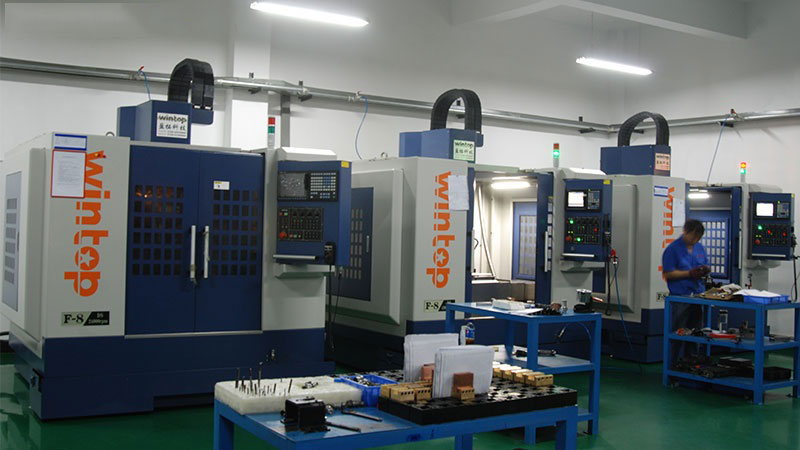
    The cornerstone of a successful import project is thorough supplier verification. In 2026, this means looking deeper than a polished website or Alibaba storefront. Begin by verifying the factory’s business license and export history. Insist on a live video tour of the facility; a reputable injection mold manufacturer will readily showcase their CNC machining centers, EDM equipment, and mold trial areas. Critically assess their engineering team’s capability. Can they review your 3D files and provide constructive Design for Manufacturability (DFM) feedback? A competent partner will proactively suggest modifications to improve mold life, part quality, and production efficiency. This initial technical dialogue is a key indicator of their expertise and commitment to collaboration.

    Once a potential partner is shortlisted, mastering the quotation and contract phase is vital. A professional quote from a plastic injection mold factory China should be transparent and detailed. It must break down costs for mold base materials, core and cavity steel grade, number of cavities, surface finish, and all ancillary costs like hot runner systems and logistics. For 2026, explicitly address intellectual property protection in your contract. A robust Non-Disclosure Agreement (NDA) and clear clauses stating that the mold design and tooling are your exclusive property are non-negotiable. Furthermore, define the payment terms strategically. A common and secure structure is a 30-40% deposit, 40-50% payment after First Article Inspection (FAI) approval, and the balance before shipment. This aligns incentives and maintains cash flow control.

    Implementing a rigorous, multi-stage quality control protocol is what separates successful imports from costly failures. Do not wait until the mold is finished to inspect. Demand and review progress reports with photos at critical milestones: material procurement, mold base machining, cavity finishing, and assembly. The most critical stage is the Trial Run Report (TTR). Require a video of the mold trial, showing the machine parameters, part ejection, and a close-up of the first shots. The report should include data on cycle times, part dimensions against your CAD drawings, and high-resolution images of the finished parts. For high-value or high-volume projects, consider hiring a local third-party quality inspection firm to conduct an on-site Pre-Shipment Inspection (PSI). This independent verification provides an objective assessment before final payment and shipping.

    Effective communication and project management are the glue that holds the import process together. Establish a single point of contact on both sides, preferably someone with strong technical English skills. Utilize collaborative tools like shared cloud folders for drawings, reports, and change orders. Be mindful of the time zone difference and schedule regular update calls. Furthermore, discuss and agree on post-sales support upfront. A reliable supplier will offer a clear warranty period covering workmanship and material defects. Clarify their policy on mold maintenance, repair, and future modifications. Building this service understanding into the initial agreement ensures a long-term, sustainable partnership with your chosen China mold factory, turning a one-time procurement into a valuable asset for your production line.

    As we advance into 2026, the process of importing molds from China is defined by strategic partnership rather than transactional purchasing. By prioritizing in-depth supplier verification, crafting iron-clad contracts, enforcing staged quality control, and fostering transparent communication, you mitigate the inherent risks of overseas procurement. The goal is to transform the geographical distance and cultural differences into a competitive advantage through access to unparalleled specialization and cost efficiency. A diligent approach enables you to confidently select a plastic injection mold factory China that delivers not just a tool, but a foundation for your product’s quality, cost, and time-to-market success.

    Work With Us

    As a professional China mold manufacturer, we provide one-stop mold solution for overseas buyers.
    📞 Phone: +86-18605944639
    💬 WhatsApp: +8618605944639
    🌐 Website: bestmoldworks.com
    📧 Email: [email protected]
  • Custom Silicone Mold with Logo: Best Suppliers & Qualit 2026

    For overseas buyers and product developers, creating a unique branded item often starts with a custom component. A custom silicone mold with logo is a fundamental tool for producing consistent, branded parts, from kitchenware and baking mats to industrial gaskets and promotional items. Sourcing these molds directly from China offers significant advantages in cost and scalability, but the procurement journey requires strategic navigation to ensure quality and reliability. This guide provides actionable insights for 2026, focusing on connecting with the best suppliers and implementing rigorous quality control from the start.

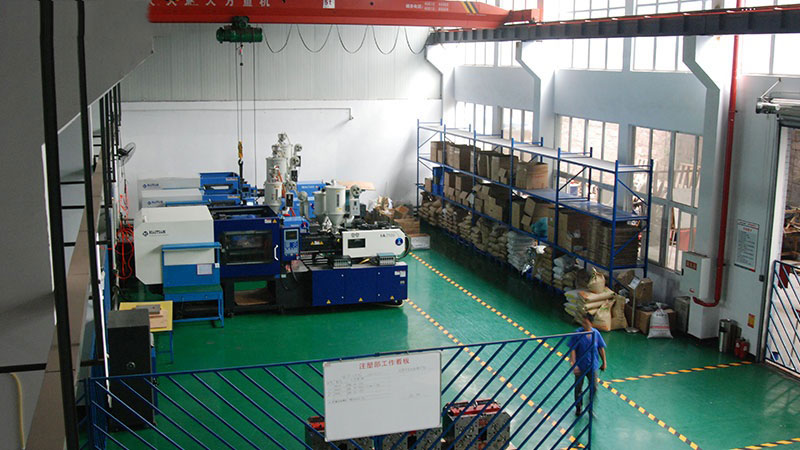
    The foundation of a successful import project lies in thorough supplier verification. Not all China mold factories are created equal, and the market includes both highly specialized workshops and large-scale operations. Begin your search by moving beyond basic B2B platforms. While they are a useful starting point, prioritize manufacturers with a demonstrated portfolio in silicone or rubber molds, not just general plastic injection mold makers. Request detailed case studies or samples of previous logo-embossed or debossed work. A critical step is to verify business licenses and export credentials. For a project as specific as a custom silicone mold with logo, consider a video audit of the factory floor. This allows you to assess their machinery, cleanliness (crucial for silicone), and engineering capability firsthand, reducing the risk of partnering with an unreliable middleman.

    Once you have a shortlist of potential partners, the technical procurement phase begins. Clear communication of your specifications is paramount. Provide comprehensive 2D drawings or 3D CAD files that explicitly detail the logo’s dimensions, depth, and surface finish requirements. Discuss the silicone material grade the mold is designed for, as different Shore hardness levels can affect mold design. Inquire about the mold base material—often aluminum or steel—and its expected lifespan in terms of production cycles. A professional China mold factory will ask informed questions about your intended production volume, part ejection, and tolerance levels. This dialogue is also the time to clarify responsibilities: who handles the logo design file adaptation for machining? Establishing these details upfront prevents costly misunderstandings and ensures the final custom silicone mold with logo meets your exact branding and functional needs.

    Quality control cannot be an afterthought; it must be integrated into the contract and production timeline. For molds, this means implementing staged inspection points. The first critical checkpoint is the First Article Inspection (FAI) after the mold is manufactured but before mass production of your silicone parts. You or a trusted third-party inspection service should examine the master mold for precision, paying close attention to the logo’s sharpness, alignment, and any required texture. The second stage involves testing the mold by producing a batch of sample parts. Evaluate these samples for dimensional accuracy, logo clarity, and material performance. Reputable suppliers will have in-house quality control protocols, but independent verification adds a vital layer of security. This proactive approach to quality control safeguards your investment and ensures the mold produces parts that consistently reflect your brand’s standards.

    Building a successful long-term relationship with your chosen supplier extends beyond the initial order. View them as a strategic partner in your supply chain. A reliable partner will offer insights on design for manufacturability, suggesting subtle adjustments that could reduce mold cost or improve part yield without compromising your logo’s integrity. Discuss their capacity for mold maintenance and repair, which is essential for longevity. For future projects, this established relationship streamlines the process for new custom silicone mold with logo projects, as mutual understanding and trust are already in place. Effective partnership management includes clear agreements on intellectual property, ensuring your logo and mold design remain confidential and exclusive to your business.

    Looking ahead to 2026, the landscape for importing molds from China will continue to emphasize transparency, digital integration, and sustainable practices. The best suppliers are increasingly adopting digital tools for project management and real-time production updates. Furthermore, there is a growing focus on material science and advanced manufacturing techniques like precision CNC machining and 3D printing for complex mold prototypes. By prioritizing thorough supplier verification, precise technical procurement, embedded quality control, and partnership development, overseas buyers can confidently secure top-tier custom silicone molds. This strategic approach transforms the sourcing challenge into a competitive advantage, enabling the production of high-quality, branded goods that stand out in the global marketplace.

    Work With Us

    As a professional China mold manufacturer, we provide one-stop mold solution for overseas buyers.
    📞 Phone: +86-18605944639
    💬 WhatsApp: +8618605944639
    🌐 Website: bestmoldworks.com
    📧 Email: [email protected]
  • custom plastic injection mold manufacturer: Reliable M 2026

    For overseas businesses, partnering with a custom plastic injection mold manufacturer in China remains one of the most potent strategies for achieving cost-effective, scalable production. However, the journey from initial inquiry to receiving flawless, production-ready molds is fraught with potential pitfalls. Miscommunication, quality inconsistencies, and logistical hurdles can quickly erode the anticipated savings. This guide, focused on the realities of 2026, cuts through the noise to provide a professional, actionable framework for procurement success. Our aim is to transform your sourcing from a high-risk venture into a reliable, streamlined partnership, ensuring your project, “Reliable M 2026,” lives up to its name.

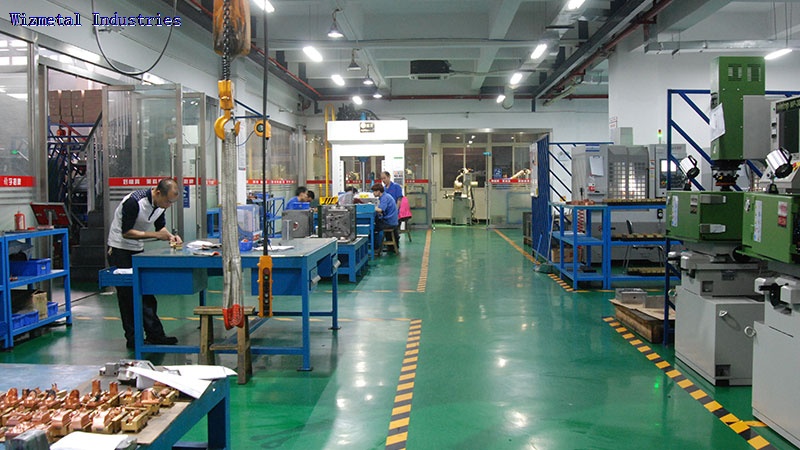
    The cornerstone of any successful import venture is meticulous supplier verification. Moving beyond Alibaba listings and glossy websites is non-negotiable. Begin by scrutinizing the China mold factory’s business licenses and export history. Request detailed case studies or portfolios specifically for overseas clients, paying close attention to projects similar in complexity and material to yours. The most critical step, however, is a live video audit. Insist on a real-time factory tour via video call. This allows you to assess their machinery (look for modern CNC, EDM, and mold testing presses), workshop organization, and in-house capabilities. Verify if they handle design, machining, and trial runs internally, as this reduces coordination errors. Furthermore, check their compliance with international standards; certifications like ISO 9001 are a strong indicator of systematic process management. This upfront diligence filters out intermediaries and unqualified workshops, setting the stage for a technically sound partnership.

    Once a technically competent supplier is identified, the focus must shift to mastering communication and design translation. Ambiguity in technical drawings is the primary cause of mold rework. To prevent this, develop a comprehensive and unambiguous Technical Specification Package. This should include fully detailed 3D CAD files (STEP or IGES) and 2D drawings with GD&T (Geometric Dimensioning and Tolerancing) standards clearly applied. Supplement these with material specifications (including resin type and color masterbatch codes), expected cavitation, surface finish requirements (SPI standards), and part quality samples or prototypes if available. Appointing a single, technically proficient point of contact on both sides streamlines communication. Utilize marked-up screenshots and video explanations to clarify critical features. Remember, a professional custom plastic injection mold manufacturer will ask probing questions about your design, suggesting draft angles, wall thickness optimization, and gate locations for manufacturability. Their engagement at this stage is a key reliability indicator.

    Proactive quality control, integrated throughout the mold-making lifecycle, is what separates adequate suppliers from exceptional ones. Do not let quality inspection be an afterthought confined to the final shipment. Instead, define a milestone-based inspection protocol with your China mold factory. Key checkpoints include a First Article Inspection (FAI) after the mold base is procured, critical dimension checks after core and cavity machining, and most importantly, a pre-shipment sample trial. The Trial Run Report is your most vital document. It should document process parameters, include high-resolution photos of the molded parts, and provide dimensional measurement results against your CAD data. For high-value or high-volume projects, engaging a local third-party quality inspection firm to witness the trial and audit the measurement process is a wise investment. This layered QC approach ensures issues are caught and rectified at the earliest stage, protecting your budget and timeline.

    The final phase of the “Reliable M 2026” strategy encompasses the logistical and commercial safeguards that cement a professional partnership. Clearly define shipping Incoterms (FOB is common) and ensure the supplier provides professional export packaging—molds should be crated, rust-prevented, and securely mounted within the box. Discuss post-sales support explicitly. A reliable partner will offer a clear warranty period covering workmanship and materials, typically 12-18 months, and provide ongoing support for minor adjustments. Understand their policy for mold repair and maintenance. Furthermore, protect your intellectual property with a formal Non-Disclosure Agreement (NDA) and consider stipulating IP clauses within your purchase contract. While price is a factor, selecting your injection mold supplier based on the lowest quote alone is a high-risk strategy. Evaluate the total value: technical expertise, communication clarity, systematic QC, and professional support. This holistic evaluation is the true path to a resilient and profitable supply chain.

    In conclusion, importing injection molds from China in 2026 demands a shift from simple price-based procurement to a partnership-based engineering collaboration. The journey to finding a reliable custom plastic injection mold manufacturer is built on a foundation of rigorous verification, precision in technical communication, embedded quality control, and clear commercial agreements. By implementing these structured, actionable steps, you transform the inherent complexities of overseas procurement into a controlled, predictable process. Your “Reliable M 2026” project can thus achieve its full potential: delivering high-performance molds that enable competitive, high-quality plastic part production, turning strategic sourcing into a sustained competitive advantage for your business.

    Work With Us

    As a professional China mold manufacturer, we provide one-stop mold solution for overseas buyers.
    📞 Phone: +86-18605944639
    💬 WhatsApp: +8618605944639
    🌐 Website: bestmoldworks.com
    📧 Email: [email protected]
  • custom plastic mould manufacturers: Complete Procurem 2026

    For overseas buyers, sourcing custom plastic injection molds from China remains a strategic decision to balance quality, innovation, and cost. However, the landscape is constantly evolving. The procurement journey, from identifying a suitable China mold factory to receiving a flawless first article, is fraught with potential challenges if not navigated with a modern, informed approach. This guide for 2026 cuts through the noise, providing a professional, actionable framework to secure a reliable manufacturing partnership and ensure your project’s success.

    Mastering Supplier Verification and Qualification

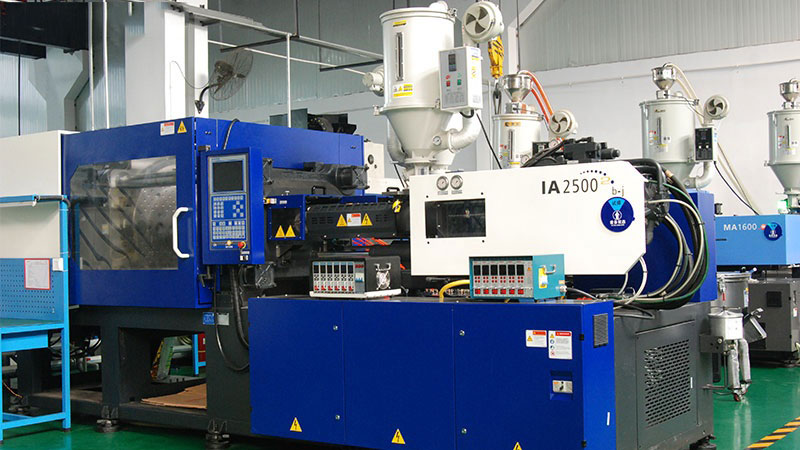
    The foundation of a successful import project is a thoroughly vetted supplier. Moving beyond simple Alibaba listings is crucial for 2026 procurement. Start with a deep-dive into the manufacturer’s core competencies. Do they have a proven track record with parts similar to yours in size, complexity, and material? Request detailed case studies, not just glossy brochures. A professional China mold factory will readily provide these. Crucially, verify their business licenses and export credentials through third-party platforms or onsite audits. Utilize video calls to conduct virtual factory tours; observe the workshop organization, machinery brands (e.g., German or Japanese CNC, EDM machines), and in-house capabilities like mold flow analysis. This step filters out trading companies and aligns you with true technical partners, ensuring your chosen custom plastic mould manufacturers possess the requisite skill and transparency.

    Streamlining Technical Communication and RFQ Process

    Ambiguity in technical specifications is the primary cause of delays, cost overruns, and quality disputes. To solve this, structure your Request for Quotation (RFQ) with military precision. Beyond providing a 3D CAD model (STEP or IGS format), include a comprehensive product design specification. This document should detail critical dimensions and tolerances, intended plastic material, expected annual volumes, cosmetic requirements (texture, gloss level), and part function. Clearly state who will be responsible for mold design—you, your agent, or the supplier. For injection mold projects, upfront discussion about mold lifecycle, maintenance, and spare parts policy is essential. This clarity allows suppliers to provide accurate, comparable quotes and demonstrates your professionalism, setting the stage for a collaborative rather than adversarial relationship.

    Implementing Robust Quality Control Gates

    Quality cannot be inspected into a mold; it must be built in. In 2024, leading buyers mandate staged quality control checkpoints throughout the manufacturing process. Define these gates contractually with your supplier. Key stages typically include: approval of mold design (DFM report and mold flow analysis), first article inspection after T1 sample molding, and pre-shipment audit. For critical components, consider engaging a local third-party quality inspection firm to conduct an Initial Sample Inspection Report (ISIR) or a Dimensional Report on the first shots. This objective assessment compares the sample against your drawings. Furthermore, discuss the supplier’s internal QC procedures for hardness testing, mold polish, and fitting. Proactive quality control mitigates the severe risk and cost of discovering flaws only after the mold has arrived at your injection molding facility overseas.

    Navigating Logistics, IP Protection, and Payment Terms

    The final hurdles before production begins involve legal and logistical foresight. Intellectual property protection is a valid concern. Work with a legal professional to draft a robust Non-Disclosure Agreement (NDA) and a product-specific confidentiality agreement before sharing any technical data. For payment terms, the standard 50% deposit and 50% before shipment carries risk. Negotiate for a more balanced structure, such as 30% deposit, 40% after design approval, and 30% after pre-shipment inspection. This aligns payment with project milestones. Regarding logistics, decide on Incoterms clearly—FOB is common, but EXW or CIF may suit your needs. Ensure the supplier provides a complete mold manual, including maintenance instructions and a list of spare parts. Partnering with a reliable freight forwarder experienced in handling delicate tooling will ensure your mold arrives safely and clears customs efficiently.

    Conclusion

    Importing custom plastic injection molds from China in 2026 demands a blend of traditional due diligence and modern, process-driven collaboration. The journey from concept to tooling is complex, but by systematically verifying suppliers, enforcing crystal-clear technical communication, implementing staged quality controls, and securing favorable commercial terms, you transform procurement from a risky venture into a strategic advantage. The goal is to build a long-term partnership with capable custom plastic mould manufacturers who become an extension of your engineering team. By applying this complete procurement framework, you position your project for success, gaining access to world-class manufacturing capabilities while maintaining control over quality, cost, and timeline.

    Work With Us

    As a professional China mold manufacturer, we provide one-stop mold solution for overseas buyers.
    📞 Phone: +86-18605944639
    💬 WhatsApp: +8618605944639
    🌐 Website: bestmoldworks.com
    📧 Email: [email protected]
  • injection mold China: Best Suppliers & Quality Control 2026

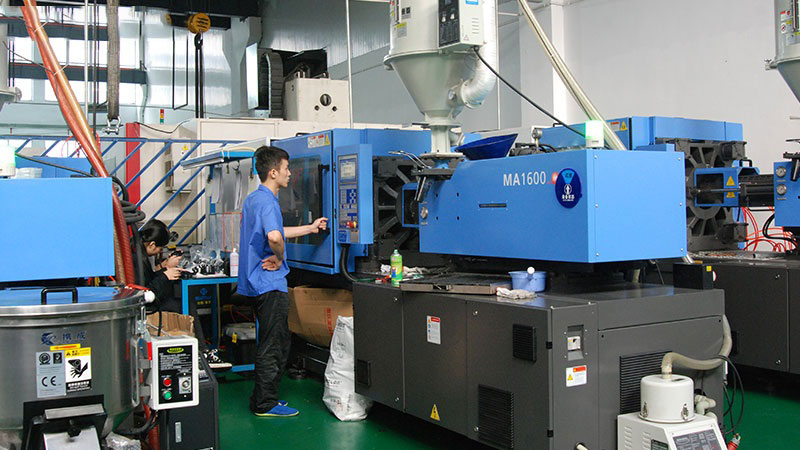
    For overseas buyers, sourcing an injection mold from China remains one of the most strategic decisions to achieve cost efficiency and scale production. However, the landscape in 2026 is defined not just by competitive pricing, but by advanced manufacturing capabilities, digital integration, and a sharper focus on consistent quality. The journey from a digital design to a perfect mold in your factory hinges on two critical pillars: identifying the best suppliers and enforcing a robust quality control protocol. This guide cuts through the noise to provide actionable, professional insights for your procurement success.

    The foundation of a successful project is selecting the right China mold factory. The term “supplier” encompasses a vast spectrum, from small workshops to fully integrated, automated facilities. Your first step is precise supplier verification. Move beyond Alibaba storefronts. Investigate the company’s business licenses, export history, and client portfolio. Request case studies specifically for molds similar in size, complexity, and material to your project. In 2026, leading factories utilize digital twin technology and mold flow analysis software during the quoting phase. A supplier willing to invest time in a preliminary simulation is demonstrating a proactive approach to problem-solving, which is far more valuable than the lowest initial quote. Prioritize partners who ask detailed questions about your production volume, resin type, and tolerance requirements; this indicates engineering expertise, not just salesmanship.

    Once a shortlist is established, a deep technical and commercial assessment is non-negotiable. The core of your injection mold procurement should be a transparent discussion about capabilities. Audit their machinery: are their CNC, EDM, and wire-cutting machines modern and well-maintained? Inquire about their standard mold base sourcing—do they use premium brands like LKM or HASCO, or uncertified alternatives? For quality control, understand their in-house measurement tools. A reputable factory in 2026 should have, at minimum, a CMM (Coordinate Measuring Machine), optical comparators, and profile projectors. Discuss their steel sourcing and heat treatment processes, as these directly impact mold life and performance. Furthermore, clarify all commercial terms: is the price EXW, FOB, or CIF? What are the payment milestones? A 30-40% deposit with balance before shipment is standard, but terms should be backed by a comprehensive, legally-vetted contract that includes IP protection, warranty, and liability clauses.

    Implementing a multi-stage quality control plan is what separates successful imports from costly failures. Your QC strategy must be integrated into the production timeline from day one. Start with a First Article Inspection (FAI) report on the finished mold steel before any cavity work begins, verifying core and cavity dimensions. The most critical phase is the Trial Run (T1) at the China mold factory. Do not accept remote approval via sample shipment alone. Either send a qualified engineer or hire a trusted third-party inspection agency in China to witness the trial. They should verify part dimensions against your CAD data, document sink marks, weld lines, and flash, and assess ejection and cycle time. The mold should run consistently for a minimum of 50-100 cycles. All issues must be documented in a Deviation Report with agreed-upon corrective actions and timelines. This hands-on approach prevents the common pitfall of receiving a mold that “works” but requires extensive debugging at your facility.

    The final logistics and knowledge transfer phase ensures your investment is protected. Prior to shipment, demand a final pre-shipment inspection. This includes checking all mold components, spare parts, and documentation like 2D drawings, 3D CAD files (if agreed), and maintenance manuals. The mold should be properly preserved with anti-rust agents. For shipping, insist on a robust, custom wooden crate with adequate internal bracing to prevent damage in transit. Insurance is essential. Upon arrival at your facility, plan for a secondary validation run. Even with perfect T1 samples, materials and environmental conditions can differ. Run the mold with your production-grade resin and machine to confirm performance. A reliable supplier will offer remote support during this commissioning phase. Building this collaborative, long-term relationship transforms a transactional purchase into a strategic partnership for future projects.

    Successfully importing an injection mold from China in 2026 is a disciplined process of partner selection and vigilant oversight. It requires moving beyond price-centric thinking to value-centric collaboration with a verified China mold factory. By rigorously applying supplier verification, embedding quality control checkpoints at every production stage, and managing logistics with precision, overseas buyers can fully leverage China’s manufacturing excellence. The goal is to secure not just a tool, but a production-ready asset that delivers consistent, high-quality parts from the first cycle to the hundred-thousandth. With this strategic approach, your procurement will be a calculated investment driving your competitive advantage for years to come.

    Work With Us

    As a professional China mold manufacturer, we provide one-stop mold solution for overseas buyers.
    📞 Phone: +86-18605944639
    💬 WhatsApp: +8618605944639
    🌐 Website: bestmoldworks.com
    📧 Email: [email protected]
  • custom plastic mold cost: Ultimate Guide for Buyers 2026

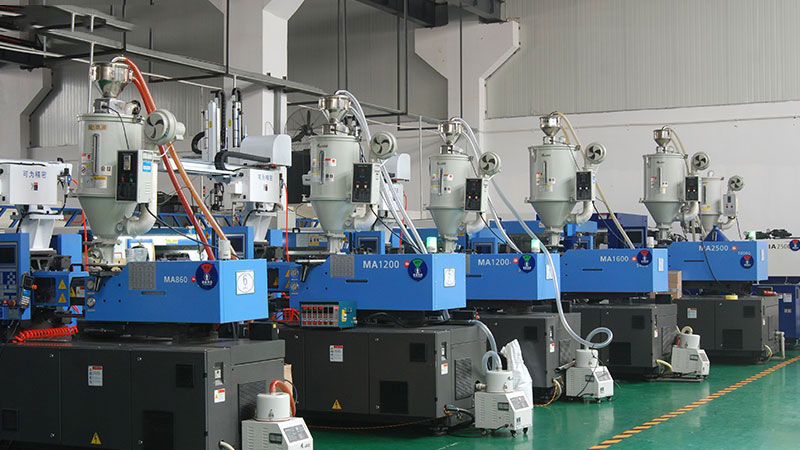
    For overseas businesses, sourcing custom plastic injection molds from China represents a significant strategic advantage, offering potential for substantial cost savings and access to advanced manufacturing capabilities. However, navigating the landscape to understand the true custom plastic mold cost and ensuring a successful procurement journey can be complex. This guide for 2026 cuts through the noise, providing a professional, actionable framework to help you make informed decisions, mitigate risks, and secure high-quality tooling from a reliable China mold factory.

    The quoted price for an injection mold is rarely a simple figure. It is a culmination of numerous variables, each impacting the final investment. Understanding these factors is the first step toward accurate budgeting and effective communication with potential suppliers. The complexity of your part design is paramount; intricate geometries, tight tolerances, undercuts, and surface finish requirements directly increase engineering and machining time. Mold material selection is another critical cost driver. While pre-hardened steels like P20 are cost-effective for prototypes or short runs, hardened steels like H13 or stainless steels are essential for high-volume production, significantly impacting the initial custom plastic mold cost but offering superior longevity. The size of the mold and the number of cavities required to meet your production output also scale the price accordingly. Finally, lead time can influence cost, with expedited projects often incurring premium charges. A clear specification document is your most powerful tool in receiving comparable and accurate quotations.

    Your procurement strategy must begin with rigorous supplier verification. In 2026, due diligence goes beyond browsing a website. Start by verifying the China mold factory’s business license and export credentials. Seek out and meticulously analyze customer testimonials and case studies, preferably from clients in your region or industry. A crucial step is to request a detailed portfolio of past projects, specifically looking for molds similar in size, complexity, and material to your own. Utilize video calls to request virtual factory tours; observing their workshop, machinery (such as CNC, EDM, and injection molding machines), and quality control stations in real-time is invaluable. Engage in technical discussions early; a competent supplier will ask probing questions about your part’s function, material, and volume, rather than immediately providing a low-ball quote. This phase is an investment in risk mitigation, ensuring your partner possesses the technical expertise and professional ethos necessary for a successful project.

    Once you have shortlisted qualified suppliers, structuring your request for quotation (RFQ) effectively is key to receiving meaningful comparisons. Provide a comprehensive package including a detailed 3D CAD model (STEP or IGS format), 2D drawings with critical dimensions and tolerances clearly marked, and a specification sheet outlining the plastic material, expected annual volume, cosmetic requirements, and desired lead time. Explicitly ask for a breakdown of costs: mold base, cavity and core machining, materials, standard components (like hot runners), and any ancillary services. This transparency allows you to compare apples to apples and identifies potential hidden costs. During negotiations, focus on value over the lowest price. Discuss payment terms that protect both parties, such as a staggered payment schedule tied to project milestones (e.g., 30% upon order, 40% after T1 sample approval, 30% before shipment). Clarify ownership of the mold design and tooling, and ensure these terms are codified in a formal, English-language contract.

    Implementing a proactive quality control protocol throughout the mold manufacturing process is non-negotiable for protecting your investment. Do not wait until the final sample inspection. Insist on defined inspection milestones, such as pre-shipment reviews of the mold frame and after the completion of cavity and core machining. Request detailed inspection reports with photographs and data, including CMM reports for critical dimensions. The most critical phase is the Trial Out (T1) sample evaluation. Either plan to be present at the China mold factory for the first shot or use a trusted third-party inspection service. Test the samples not just for appearance, but for form, fit, and function—using your actual production material if possible. Evaluate the cycle time and look for any defects like flash, sink marks, or short shots. A reputable supplier will see this collaborative approach as a sign of a serious buyer and will work with you through any necessary adjustments until the samples meet your exact specifications.

    Finally, consider the total cost of ownership, not just the initial purchase price. A slightly higher upfront cost from a reputable supplier often translates to lower long-term expenses through a more durable mold, consistent part quality, and fewer production stoppages. Discuss post-sales support, including warranty terms for workmanship and the process for handling mold repairs or maintenance. For ongoing production, clarify the terms for storing the mold at the factory if you plan for periodic production runs. Building a transparent, communicative relationship with your chosen injection mold partner is an asset that will pay dividends across the lifecycle of your product.

    In conclusion, mastering the variables that influence custom plastic mold cost in 2026 requires a blend of technical understanding and strategic procurement discipline. By deconstructing cost drivers, conducting thorough supplier verification, structuring clear RFQs, enforcing rigorous quality control, and planning for the long term, overseas buyers can confidently navigate the Chinese manufacturing landscape. The goal is to transform the procurement process from a cost-centric transaction into a value-driven partnership, securing not just a tool, but a foundation for reliable, high-quality plastic part production for years to come.

    Work With Us

    As a professional China mold manufacturer, we provide one-stop mold solution for overseas buyers.
    📞 Phone: +86-18605944639
    💬 WhatsApp: +8618605944639
    🌐 Website: bestmoldworks.com
    📧 Email: [email protected]

  • china plastic injection mold manufacturer: Profession 2026

    For overseas businesses, sourcing from a China plastic injection mold manufacturer remains one of the most effective strategies to achieve significant cost savings and scale production. However, the landscape is evolving rapidly. The year 2026 is not about finding the cheapest supplier; it’s about identifying a professional, technologically adept, and reliable partner. The narrative has shifted from pure cost arbitrage to value-driven procurement, where precision, consistency, and seamless communication define success. This guide cuts through the noise to provide actionable insights for navigating the modern Chinese mold manufacturing sector, ensuring your next project is built on a foundation of professionalism and mutual success.

    The cornerstone of any successful import project is rigorous supplier verification. In 2026, due diligence goes far beyond checking a company’s website. Start with a multi-platform assessment: examine their presence on B2B platforms like Alibaba, but also seek independent reviews and case studies. The most critical step, however, is a virtual or in-person factory audit. A professional China mold factory will readily arrange a video tour, showcasing their CNC machining centers, EDM equipment, and mold trial workshops. Verify their certifications, but more importantly, discuss their project management flow. Ask for detailed contact points for your project: a sales engineer, a project manager, and a quality controller. Transparency in their process is the first true indicator of a reliable partner.

    Once a potential partner is identified, defining and agreeing upon a comprehensive quality control (QC) protocol is non-negotiable. Professional manufacturers expect and respect this. Your QC plan should be staged. First, mandate a First Article Inspection (FAI) report with 3D scan data (using CMM or laser scanning) compared directly to your CAD model. This validates the mold’s dimensional accuracy before trial. Second, establish clear standards for the mold trial (T1) sample. Specify the injection molding machine parameters, material, and cosmetic requirements for the samples. It is advisable to hire a trusted third-party quality inspection firm in China to witness the trial and inspect the initial samples on-site. This proactive investment prevents costly misunderstandings and rework later, solidifying that your definition of quality aligns perfectly with the factory’s execution.

    Clear technical communication is the bridge between your design and a flawless injection mold. In 2026, professionalism demands a complete and locked Design for Manufacturability (DFM) review before any steel is cut. A competent manufacturer will provide a detailed DFM report highlighting potential issues with wall thickness, gate locations, ejection, and cooling. Use collaborative tools: shared cloud folders for 3D files (STEP, IGS) and 2D drawings (PDF with GD&T), and mark-up tools for feedback. Ensure all discussions are documented via email, summarizing agreements on text, material grades (e.g., pre-hardened steel like P20 or hardened steel like H13), surface finishes (SPI standards), and lead time milestones. Treat this phase as a collaborative engineering effort, not just an order placement.

    Understanding the total cost structure and fostering a partnership mindset are what differentiate a transactional purchase from a strategic procurement. While unit price is a factor, evaluate the total cost of ownership, which includes mold maintenance, warranty terms, and future modification costs. A professional china plastic injection mold manufacturer will be transparent about these aspects. Discuss their approach to mold lifecycle management. Furthermore, view them as a long-term extension of your production team. Share your product roadmap; a forward-thinking supplier can advise on multi-cavity strategies, family molds, or standardized components to reduce future project costs. This strategic alignment turns your supplier into a valuable asset for innovation and efficiency.

    The final, and often most critical, step is navigating logistics and protecting your intellectual property (IP). A professional partner will have experience exporting molds globally. Clarify responsibilities: will they handle export documentation and freight to your port (FOB), or arrange door-to-door delivery (DDP)? Ensure they understand the specific packaging requirements for heavy, precision equipment to prevent transit damage. Regarding IP, a reputable supplier respects confidentiality. While a signed NDA is essential, their professional reputation is their bond. You can further protect your design by splitting core and cavity manufacturing or final assembly and polishing, though this is often reserved for highly sensitive projects. Choosing an established factory with a track record of serving international clients is your strongest IP safeguard.

    The profession of sourcing from a Chinese injection mold supplier in 2026 is defined by strategic partnership, technological integration, and meticulous process control. It is no longer a gamble but a disciplined engineering and procurement exercise. By mastering supplier verification, implementing staged quality control, leveraging digital communication tools, and building a cost-transparent relationship, overseas buyers can unlock immense value. The goal is to move beyond being just an importer to becoming a collaborative innovator, with a professional China plastic injection mold manufacturer as a cornerstone of your supply chain resilience and product quality for years to come.

    Work With Us

    As a professional China mold manufacturer, we provide one-stop mold solution for overseas buyers.
    📞 Phone: +86-18605944639
    💬 WhatsApp: +8618605944639
    🌐 Website: bestmoldworks.com
    📧 Email: [email protected]

  • mold factory china: Best Suppliers & Quality Control 2026

    For overseas buyers, sourcing precision tooling from a mold factory in China remains one of the most effective strategies to achieve significant cost savings and access advanced manufacturing capabilities. However, the landscape is evolving rapidly. The year 2026 is not about finding the cheapest supplier, but about strategically partnering with competent manufacturers who can deliver consistent quality and reliability. The core challenge for importers has shifted from simple price discovery to sophisticated supplier verification and robust quality control protocols. This guide provides actionable, professional insights to navigate this complex procurement process, ensuring your investment in an injection mold or other tooling yields the expected return on investment and product performance.

    The foundation of a successful import project lies in meticulous supplier verification. Moving beyond Alibaba listings is crucial. Start by identifying a China mold factory with demonstrable expertise in your specific industry, whether it’s automotive components, consumer electronics, medical devices, or packaging. Request detailed case studies and, critically, ask for contact information of their existing overseas clients for references. Verify business licenses and export credentials. In 2026, leading factories utilize digital twin technology and advanced simulation software; inquire about their design for manufacturability (DFM) process and the software they use. A professional supplier will proactively offer a DFM report, highlighting potential issues before steel is cut. This stage is not merely about checking boxes but about assessing their communication proficiency, project management structure, and transparency—key indicators of a reliable long-term partner.

    Once a potential partner is shortlisted, defining and agreeing upon explicit quality standards is non-negotiable. The ambiguity of terms like “good quality” leads to disputes. Your technical drawings and specifications must be exhaustive, covering every critical dimension, surface finish (e.g., SPI standards), material grade (including steel brand and hardness), and tolerance. Specify the required mold life expectancy in cycles. For injection mold projects, discuss and document the mold trial process: how many trial shots will be conducted, what data will be recorded (pressure, temperature, cycle time), and how sample parts will be evaluated. Insist on a First Article Inspection (FAI) report and a full dimensional report of the initial samples against your CAD drawings. Establishing these benchmarks upfront aligns expectations and provides a clear objective framework for the subsequent quality control phases.

    Effective quality control cannot be an afterthought; it must be integrated throughout the manufacturing timeline. For overseas buyers, a multi-layered approach is essential. Firstly, mandate in-process inspections conducted by the supplier, with documented evidence such as photos and videos of key stages: material certification, CNC machining, EDM, polishing, and assembly. Secondly, engage a reputable third-party quality inspection company based in China for critical pre-shipment inspections. These inspectors will visit the mold factory China location to perform a comprehensive evaluation before the tool is shipped. They will check for workmanship, test the mold on a machine if possible, and verify that the output samples meet the pre-agreed specifications. This independent verification acts as your final safeguard, preventing the costly and time-consuming scenario of receiving a non-conforming mold at your facility.

    The final step encompasses logistics, payment terms, and post-sales support—areas where clarity prevents significant friction. Use secure and traceable payment methods; a common and balanced structure is 30-40% deposit, 40-50% after approval of sample parts, and 10-20% after final pre-shipment inspection. Ensure the contract clearly outlines responsibilities for mold transportation, insurance, and import customs clearance. Discuss intellectual property protection by signing a comprehensive NDA and potentially registering design patents in China. Finally, a reliable supplier will offer clear post-sales support terms. What is their policy for wear and tear? How quickly can they produce spare parts or provide engineering support for mold modifications? A trustworthy China mold factory views the mold delivery as the beginning of a partnership, not the end of a transaction.

    In conclusion, successfully importing molds from China in 2026 demands a professional, process-oriented approach that prioritizes strategic partnership over transactional purchasing. By investing time in rigorous supplier verification, defining unambiguous quality standards, implementing staged quality control with third-party validation, and securing clear commercial terms, overseas buyers can mitigate risks and unlock the immense value offered by Chinese mold manufacturing. The goal is to transform the procurement journey from a source of anxiety into a competitive advantage, securing high-precision tooling that drives your product’s success in the global market. The most successful importers are those who build transparent, communicative relationships with their chosen mold factory, ensuring quality is engineered into the process from the very first design review.

    Work With Us

    As a professional China mold manufacturer, we provide one-stop mold solution for overseas buyers.
    📞 Phone: +86-18605944639
    💬 WhatsApp: +8618605944639
    🌐 Website: bestmoldworks.com
    📧 Email: [email protected]

  • high quality mold: Professional Buying Guide 2026 | China Mold Factory

    For overseas buyers, the decision to import molds from China represents a significant opportunity for cost efficiency and advanced manufacturing capability. However, the path to securing a truly high quality mold is often obscured by concerns over communication, inconsistent standards, and supplier reliability. The sheer volume of China mold factory options can be overwhelming. This guide is designed to cut through the noise, offering a professional, actionable framework for your procurement process in 2026 and beyond. Our focus is not merely on finding a supplier, but on establishing a partnership that delivers precision, durability, and value, turning your investment into a competitive advantage.

    The cornerstone of a successful import project is rigorous supplier verification. Moving beyond Alibaba listings and basic websites is non-negotiable. Begin by scrutinizing a factory’s core competencies. Do they specialize in the type of injection mold you require, whether for medical, automotive, consumer electronics, or high-volume packaging? Request detailed case studies or project portfolios that demonstrate experience with products of similar complexity and material. Essential verification steps include checking business licenses, auditing quality management system certifications (like ISO 9001), and, most critically, conducting a virtual or in-person factory audit. Insist on a video tour of the production floor; observe the machinery (look for reputable brands like DMG Mori, Makino, or Sodick), the organization of the workshop, and the in-process inspection areas. A professional China mold factory will be transparent and proud to showcase its facilities.

    Once a potential partner is identified, defining and agreeing upon explicit technical standards is paramount. Ambiguity here is the primary cause of substandard deliverables. Your Request for Quotation (RFQ) package must be comprehensive. Beyond 3D drawings (STEP or IGS format) and 2D specifications, include details on the intended plastic material, expected annual volume, cycle time targets, and part quality requirements (e.g., surface finish, texture, critical tolerances). Discuss and document the mold steel grade (such as pre-hardened 718, corrosion-resistant S136, or high-wear resistance H13) and the source of standard components (like HASCO, DME, or Misumi). Explicitly agree on a quality control plan before order placement. This plan should outline the inspection milestones: material certification, T1 sample approval using a CMM report, mold flow analysis validation, and final pre-shipment testing. This formalizes expectations and provides clear benchmarks for the injection mold development process.

    Proactive quality control throughout the manufacturing lifecycle, not just upon delivery, is what separates successful procurement from costly failures. Do not adopt a “wait and see” approach. Establish a communication protocol for regular updates, including photos and videos of key stages: material block inspection, core/cavity machining, EDM texturing, and assembly. Many reputable suppliers will provide access to a project portal for this purpose. The First Article Inspection (FAI) at the T1 sample stage is critical. Plan to have your own team or a trusted third-party inspection service in China evaluate the sample parts against your master model and drawings. Test the mold for a minimum of 200 consecutive shots to assess stability, cooling efficiency, and ease of ejection. Investing in in-process inspections mitigates the risk of discovering fundamental flaws after the mold has already been shipped overseas.

    The commercial and logistical framework of your order safeguards your investment. A clear, detailed proforma invoice and contract should cover all aspects: total price, payment terms (e.g., 50% deposit, 40% after T1 approval, 10% before shipment), a defined project timeline with milestones, warranty terms (typically 12-24 months against design and workmanship defects), and protocols for handling design changes. Discuss intellectual property protection through a confidentiality agreement (NDA). For logistics, understand the Incoterms (DAP or DDP are common for molds) and ensure the supplier properly prepares the mold for export—this includes thorough cleaning, anti-rust treatment, and secure packaging within a robust wooden crate. Verify that all documentation, including a commercial invoice, packing list, and certificate of origin, is accurate for smooth customs clearance.

    In conclusion, importing a high quality mold from China in 2026 is a systematic process of due diligence, clear communication, and collaborative oversight. It transcends simply finding the lowest bidder. By methodically executing supplier verification, defining uncompromising technical standards, implementing in-process quality control, and securing a professional commercial agreement, you transform the procurement challenge into a strategic success. The goal is to build a relationship with a China mold factory that acts as an extension of your engineering team, capable of delivering a precision injection mold that meets your performance and longevity expectations. With this disciplined approach, you can confidently leverage China’s manufacturing expertise to enhance your product quality and market competitiveness.

    Work With Us

    As a professional China mold manufacturer, we provide one-stop mold solution for overseas buyers.
    📞 Phone: +86-18605944639
    💬 WhatsApp: +8618605944639
    🌐 Website: bestmoldworks.com
    📧 Email: [email protected]

  • custom plastic mould manufacturers: Professional Buying 2026

    For overseas buyers, sourcing custom plastic injection molds from China remains a strategic decision to balance quality, innovation, and cost. However, the landscape in 2026 is defined by increased sophistication, digital integration, and a sharper focus on partnership over transactional purchasing. Navigating this environment requires an updated, professional approach to unlock the true value offered by leading Chinese mold factories. This guide provides actionable, real-world strategies to streamline your procurement process, mitigate risks, and build a successful, long-term supply chain with a reliable China mold factory.

    The cornerstone of professional procurement in 2026 is deep and thorough supplier verification. Moving beyond basic Alibaba checks, sophisticated buyers now employ a multi-layered vetting process. Start with digital reconnaissance: analyze the supplier’s technical portfolio for molds similar in complexity and material to your project. Utilize video conferencing for virtual factory tours, insisting on live walks through the production floor, quality lab, and toolroom. Crucially, verify certifications not just as documents but in practice; ask how their IATF 16949 or ISO 9001 systems are implemented specifically for mold design and maintenance. Third-party verification services have also evolved, offering detailed audits on financial health, production capacity, and ownership structure. This due diligence separates true custom plastic mould manufacturers from trading companies or workshops with limited capability, ensuring your project starts on a solid foundation.

    Once a potential partner is identified, mastering the technical and commercial dialogue is critical. Your request for quotation (RFQ) package must be exceptionally detailed to avoid costly misunderstandings. Beyond part drawings, include a comprehensive specification covering desired material (with grade), expected annual volumes, cycle time targets, cavitation, surface finish requirements (SPI standards), and tolerance expectations. Clearly state who will be responsible for mold design (DFM), prototyping, and post-mold services. In 2026, leading manufacturers expect this clarity. During negotiations, focus on total cost of ownership, not just the initial mold price. Discuss warranty terms, spare part costs, and protocol for engineering changes. A professional China mold factory will engage deeply on these points, providing a transparent breakdown and highlighting potential design optimizations for manufacturability and cost-saving, signaling their expertise and collaborative intent.

    Proactive and structured quality control is non-negotiable. The old model of a single pre-shipment inspection is obsolete for high-value tooling. Implement a phased QC protocol integrated into the production timeline. Key inspection points include the initial steel material certification, the first article inspection after rough machining, a critical review after heat treatment, and a comprehensive trial run at the factory. For the trial, specify that it must use production-equivalent material and conditions. Insist on high-resolution photos and videos of the mold, the trial process, and the first-shot samples. For critical projects, engaging a local third-party quality inspector for on-site presence during the FAT (Factory Acceptance Test) is a wise investment. This staged approach allows for issues to be identified and corrected early, preventing costly rework after the mold has left the factory and solidifying trust with your chosen custom plastic mould manufacturers.

    The final phase, covering logistics and intellectual property protection, is where foresight prevents major headaches. Work closely with your supplier to determine the optimal shipping method—air freight for urgency, sea freight for cost-effectiveness on large molds. Ensure the mold is crated professionally with proper desiccants and rust prevention for a potentially humid ocean journey. Comprehensively insure the shipment. Regarding IP, a robust confidentiality agreement is a basic prerequisite. Go further by contractually stipulating that all design files, molds, and associated tooling are your exclusive property. Reputable suppliers understand this concern and will agree to terms that prohibit copying or servicing your mold for other parties. Some buyers now also utilize serial number engraving on mold components for traceability. Clear terms on payment schedules tied to project milestones (e.g., 30% upon order, 40% after FAT, 30% before shipment) align interests and protect both parties throughout the engagement.

    In conclusion, professional buying from Chinese injection mold suppliers in 2026 is a disciplined, informed process that leverages technology for verification and communication while adhering to timeless principles of thorough due diligence and clear agreement. The goal is to transform a complex international procurement into a seamless extension of your own product development cycle. By meticulously verifying partners, communicating with precision, enforcing staged quality control, and securing the transaction, you position yourself to not just import a mold, but to cultivate a strategic manufacturing asset. This approach unlocks the full potential of partnering with specialized custom plastic mould manufacturers, driving innovation, efficiency, and competitive advantage for your business for years to come.

    Work With Us

    As a professional China mold manufacturer, we provide one-stop mold solution for overseas buyers.
    📞 Phone: +86-18605944639
    💬 WhatsApp: +8618605944639
    🌐 Website: bestmoldworks.com
    📧 Email: [email protected]