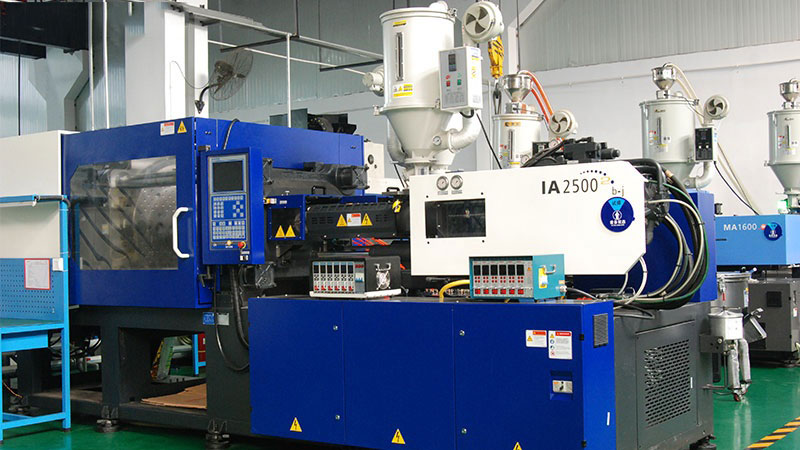
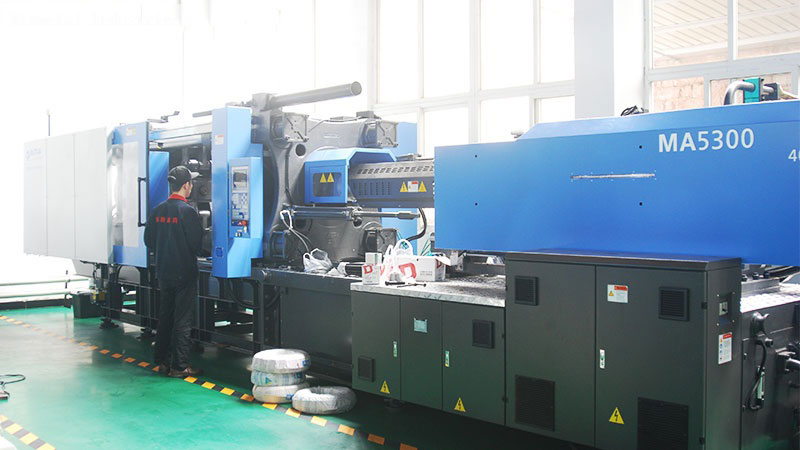
For overseas buyers, sourcing from injection moulding machine manufacturers in China remains a cornerstone strategy for achieving competitive manufacturing costs and accessing advanced technology. However, the landscape is evolving rapidly. As we look toward 2026, success is no longer just about finding a low price; it’s about strategic partnership, technological foresight, and rigorous process control. This guide cuts through the noise to provide actionable, professional insights for navigating the Chinese market effectively, ensuring your procurement of both the machine and the subsequent injection mold is a calculated investment, not a costly gamble.
The cornerstone of any successful import journey is meticulous supplier verification. In 2026, this moves far beyond a simple website check or Alibaba storefront review. Begin with a multi-faceted verification process. Demand official business licenses (营业执照) and, critically, verify them through third-party platforms or local contacts. For injection moulding machine manufacturers in China, insist on factory audit reports—either conducted by yourself, a trusted third-party inspection agency, or existing international clients. Scrutinize their technical capabilities: do they specialize in the tonnage, clamping force, and control systems (all-electric, hybrid) relevant to your production? A manufacturer proficient in small, precision machines may not be ideal for large automotive parts. This due diligence separates reputable partners from trading companies masquerading as factories, forming the bedrock of a reliable supply chain.
Once a potential partner is identified, aligning on technical specifications and quality control protocols is paramount. The machine is only half the equation; its performance is proven through the injection mold it produces. Develop a comprehensive Technical Specification Sheet that covers both the machine parameters (screw diameter, injection pressure, repeatability accuracy) and the mold requirements (steel grade, cavity finish, cooling channel design, tolerance standards like DIN or ISO). Clearly define the Quality Control milestones. These should include First Article Inspection (FAI) reports, pre-shipment testing videos of the machine in operation producing sample parts, and dimensional reports for the initial mold trials. Establish agreed-upon Key Performance Indicators (KPIs) for the mold, such as cycle time and part weight consistency. This documentation becomes your contractual and quality bible, preventing misunderstandings and ensuring the delivered product matches your expectations.
Navigating the procurement process requires clear communication and legal safeguards. Always use detailed, legally-vetted Purchase Agreements (PAs) and Non-Disclosure Agreements (NDAs) that are enforceable in Chinese jurisdiction. Be explicit about payment terms; a secure escrow service or a structured milestone payment plan (e.g., 30% deposit, 40% upon pre-shipment approval, 30% after successful installation) protects both parties. For the injection mold itself, clarify ownership of the design and the physical mold. Who holds the CAD files and the mold after production? These terms must be unequivocal. Furthermore, discuss after-sales support upfront: What is the warranty period for the machine? Is there local technical support in your country for repairs? How will mold maintenance and modifications be handled? Addressing these points in 2026 is not optional—it is essential for long-term operational stability.
The most forward-thinking buyers in 2026 will view their chosen China mold factory as a strategic partner in innovation, not just a vendor. Engage with manufacturers who are investing in Industry 4.0 technologies. Machines with IoT capabilities for real-time monitoring, predictive maintenance, and energy consumption data can integrate seamlessly into smart factories, offering long-term efficiency gains. Discuss their R&D focus and their ability to collaborate on design for manufacturability (DFM). A partner that proactively suggests design tweaks to improve mold longevity or part quality adds immense value. This collaborative approach transforms the relationship from a transactional cost center into a competitive advantage, ensuring your production remains agile and technologically relevant for years to come.
Finally, mastering logistics and the total cost of ownership (TCO) analysis is critical for a complete financial picture. Work with your manufacturer to understand Incoterms 2020 thoroughly—FOB, CIF, or DAP—and their implications for cost, risk, and control. For the heavy machinery, partner with a freight forwarder experienced in handling industrial equipment to manage sea freight, customs clearance, and final delivery. Your TCO calculation must extend beyond the unit price. Factor in shipping, import duties, installation, commissioning, training for your operators, energy consumption of the machine, and long-term spare parts availability. A slightly higher upfront cost from a manufacturer offering superior energy efficiency and local spare parts warehouses can yield a significantly lower TCO over a five-year period.
In conclusion, importing from injection moulding machine manufacturers in China in 2026 demands a sophisticated, process-driven approach. The era of sourcing based solely on the lowest quotation is over. Success will belong to buyers who execute rigorous supplier verification, enforce crystal-clear technical and quality protocols, secure their transactions with robust legal frameworks, embrace technological partnership, and calculate decisions based on total cost of ownership. By applying these professional and actionable strategies, you can confidently navigate the market, secure a reliable supply chain, and leverage Chinese manufacturing excellence to build a formidable competitive edge in your own marketplace.
Work With Us
As a professional China mold manufacturer, we provide one-stop mold solution for overseas buyers.
📞 Phone: +86-18605944639
💬 WhatsApp: +8618605944639
🌐 Website: bestmoldworks.com
📧 Email: [email protected]