Blog

  • custom plastic mold Manufacturerturer: Professional Buy 2026

    For overseas businesses, sourcing custom plastic injection molds from China remains a strategic move to achieve significant cost savings without necessarily sacrificing quality. However, the landscape of procurement is evolving. As we look toward 2026, professional buyers must adopt more sophisticated, streamlined approaches to navigate the market successfully. This guide is designed to move beyond basic advice and provide actionable, professional strategies for identifying, vetting, and collaborating with a top-tier custom plastic mold manufacturer in China. The goal is not just to find a supplier, but to establish a productive, long-term partnership that ensures reliability, quality, and value.

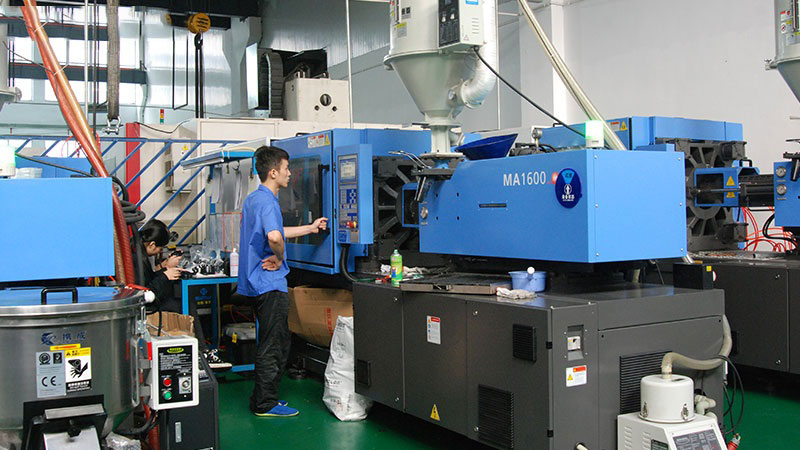
    The foundation of a successful import project is rigorous supplier verification. In 2026, this means looking far deeper than an Alibaba storefront. Start by identifying a shortlist of potential China mold factories through industry-specific B2B platforms, trade shows like Chinaplas, and referrals from your network. The critical step is due diligence. Request a detailed company profile, but go further. Verify business licenses through official channels and check for any export certifications relevant to your market. Utilize video calls to conduct virtual factory tours; a reputable custom plastic mold manufacturer will readily showcase their workshop, machinery, and ongoing projects. Pay close attention to the types of injection molds they produce—do they have proven experience with parts similar in size, complexity, and material to your project? This initial verification filters out unqualified workshops and focuses your efforts on capable partners.

    Once a potential partner is identified, the focus shifts to technical and commercial clarity. The single most important document is a comprehensive, unambiguous Request for Quotation. Your RFQ must include not just part drawings, but a fully detailed technical specification. This should cover the exact plastic material, critical tolerances, surface finish requirements, expected cycle time, and annual volume projections. For complex parts, include a mold flow analysis request in your specification. Providing this level of detail accomplishes two things. First, it allows the China mold factory to provide an accurate and comparable quote, avoiding hidden costs later. Second, it serves as a test of the supplier’s engineering capability. Their response should include questions for clarification, suggestions for design for manufacturability improvements, and a transparent cost breakdown. This stage separates reactive quoters from proactive engineering partners.

    Securing a fair price is important, but the true measure of a professional procurement process in 2026 is a robust quality control framework integrated from the start. Quality cannot be inspected into a mold; it must be built in. Discuss and agree upon a staged inspection and approval protocol before the contract is signed. This typically includes a First Article Inspection report for the steel mold itself, a T1 sample approval using the actual production material, and a final pre-shipment inspection. Clearly define the measurement reports required at each stage, such as CMM data for critical dimensions. For high-volume or critical applications, consider engaging a local third-party quality inspection firm to conduct these checks on your behalf. This objective oversight mitigates risk and ensures the injection mold meets all specifications before it leaves the factory, preventing costly delays and rework upon arrival.

    The final, often overlooked, component of a professional engagement is contract and project management. A formal purchase order or contract should encapsulate all agreed terms: payment schedule linked to project milestones, intellectual property protection clauses, warranty period for the mold, and protocols for handling design changes. Effective communication is paramount. Establish a single point of contact on both sides and use professional project management tools or regular update meetings to track progress. A reliable custom plastic mold manufacturer will provide regular updates, including photos and videos of key milestones like steel milling and mold trials. View this phase as a collaborative project, not a simple transaction. Building this professional rapport and clear process ensures not only the success of your current order but also paves the way for efficient future procurement.

    Importing custom plastic molds from China in 2026 demands a professional, detail-oriented approach. By mastering supplier verification, crafting precise technical specifications, implementing proactive quality control, and managing the project with clear contracts and communication, overseas buyers can significantly de-risk their procurement. The objective is to transform a complex international supply chain into a predictable, reliable extension of your own production capability. The most successful buyers will be those who invest time in these foundational steps, moving beyond price-shopping to build strategic partnerships with engineering-focused China mold factories. This disciplined methodology is the hallmark of a professional buy and the key to unlocking the enduring value of Chinese mold manufacturing.

    Work With Us

    As a professional China mold manufacturer, we provide one-stop mold solution for overseas buyers.
    📞 Phone: +86-18605944639
    💬 WhatsApp: +8618605944639
    🌐 Website: bestmoldworks.com
    📧 Email: [email protected]
  • tyre mould manufacturers in china: Complete Procurement 2026

    For global tire brands and manufacturers, sourcing high-precision tyre moulds is a critical strategic decision that directly impacts product quality, production efficiency, and market competitiveness. China has solidified its position as the world’s foremost manufacturing hub for tyre moulds, offering an unparalleled combination of advanced technological capabilities, extensive material knowledge, and cost-effectiveness. However, navigating this vast and complex supplier landscape requires a methodical and informed approach. This complete procurement guide for 2026 is designed to equip overseas buyers with actionable, professional insights to successfully identify, verify, and partner with leading tyre mould manufacturers in China, ensuring a seamless and profitable import process.

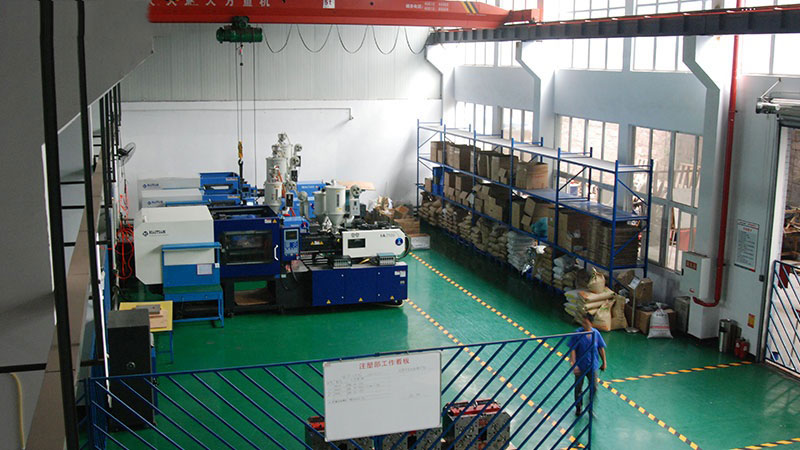
    The foundation of a successful procurement journey lies in precise supplier identification and rigorous verification. A simple online search will yield hundreds of potential China mold factory options, making differentiation crucial. Begin by focusing on manufacturers with demonstrable expertise in the tire industry, not just general machining. Scrutinize their portfolio for experience with your specific tyre types—be it passenger radial, truck and bus, OTR, or specialty patterns. The verification process must move beyond website claims. In 2026, essential due diligence includes reviewing business licenses (via platforms like Tianyancha), requesting detailed company profiles with equipment lists (look for modern 5-axis CNC machining centers, EDM, and laser engraving), and insisting on client references from your region or similar industries. A preliminary video conference factory tour is now a standard expectation, allowing you to assess workshop organization, technology in use, and quality culture firsthand before any site visit.

    Once a shortlist of qualified tyre mould manufacturers in China is established, the focus shifts to technical alignment and project definition. The complexity of a tyre mould—encompassing the tread pattern, sidewall engraving, and curing bladder system—demands absolute clarity. Develop a comprehensive technical specification document. This should include detailed 2D drawings and 3D CAD models, exact material specifications (such as high-grade aluminium or special alloy steel for different mould segments), required surface finishes, and critical tolerance levels. Clearly communicate your expected mould lifecycle (number of curing cycles) and any specific requirements for venting, sealing, or alignment mechanisms. This document becomes the contractual blueprint, preventing misunderstandings and ensuring all quotations are based on identical parameters. Proactive communication during this phase with your potential supplier’s engineering team is invaluable to leverage their experience with design for manufacturability.

    The core of procurement risk management resides in a robust, multi-stage quality control protocol. For overseas buyers, assuming quality based on a final pre-shipment inspection is a significant gamble. Instead, implement a structured QC process that integrates with the manufacturer’s production schedule. Key inspection points should include: First Article Inspection (FAI) after primary machining to verify critical dimensions and material integrity; In-Process Quality Control (IPQC) during key stages like precision engraving and heat treatment; and a rigorous Final Random Inspection (FRI) where the completed mould is assembled and measured against all specifications. Partnering with a reputable third-party quality inspection service based in China provides an objective layer of oversight. They can perform coordinate measuring machine (CMM) checks, surface texture analysis, and functional fit tests, reporting directly to you with evidence before the mould is released for shipping.

    Navigating the commercial and logistical framework is the final step to secure your investment. Payment terms are a key negotiation point. While extremely low prices might be tempting, they often correlate with higher risk. Favor structured terms like a 30-40% deposit with the balance paid against an approved pre-shipment inspection report or upon presentation of shipping documents. Ensure your proforma invoice and contract explicitly detail Incoterms 2020 (typically FOB Shanghai/Ningbo is standard), which clearly delineate cost and risk responsibilities between buyer and seller. Discuss packaging requirements—tyre moulds are high-value, precision items requiring custom, secure crating for ocean freight. Factor in lead times realistically, accounting for engineering review, production, quality checks, and shipping. Finally, confirm the supplier’s after-sales support, including warranty terms for workmanship and their policy on providing spare parts or technical drawings for future maintenance.

    In conclusion, procuring tyre moulds from China in 2026 is a highly viable and strategic move for cost-conscious and quality-focused buyers worldwide. The path to success is defined not by finding the cheapest supplier, but by systematically identifying a technically capable partner through diligent supplier verification, anchoring the project in crystal-clear technical specifications, enforcing a transparent and evidence-based quality control regime, and structuring a balanced commercial agreement. By adopting this professional, hands-on approach, you can confidently leverage the immense manufacturing prowess of Chinese tyre mould manufacturers in china to enhance your production capabilities, drive innovation in tire design, and secure a durable competitive advantage in the global marketplace.

    Work With Us

    As a professional China mold manufacturer, we provide one-stop mold solution for overseas buyers.
    📞 Phone: +86-18605944639
    💬 WhatsApp: +8618605944639
    🌐 Website: bestmoldworks.com
    📧 Email: [email protected]
  • custom injection molded plastic parts: Professional Buy 2026

    For overseas buyers, sourcing custom injection molded plastic parts represents a significant opportunity to achieve cost efficiency, scalability, and design freedom. However, navigating the vast landscape of Chinese manufacturing requires a modern, professional approach. The strategies that worked in the past are no longer sufficient for the competitive and quality-conscious market of 2026. This guide is designed to move beyond basic supplier directories and provide actionable, strategic insights for procuring high-quality custom injection molded plastic parts from China with confidence and precision.

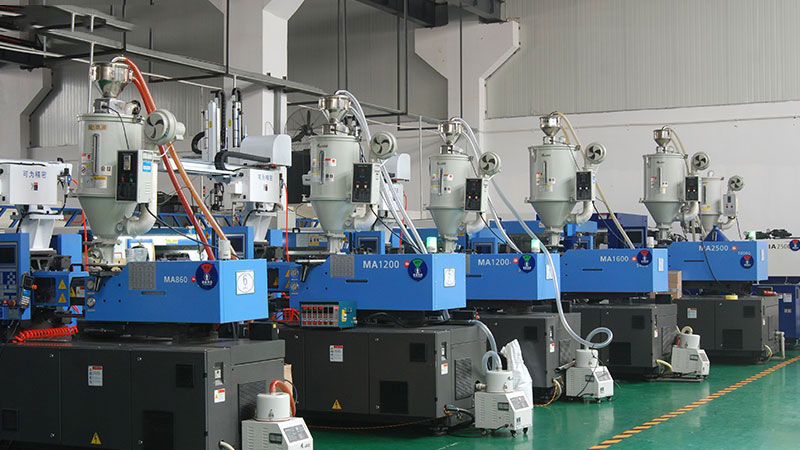
    The cornerstone of a successful project lies in selecting the right China mold factory. The era of simply comparing price quotes is over. In 2026, professional procurement demands deep supplier verification. Begin by scrutinizing technical capabilities. A competent partner should have demonstrable experience in your specific industry, whether automotive, medical, consumer electronics, or packaging. Request detailed case studies and, crucially, speak directly to their engineering team. Assess their proficiency with advanced materials, tolerance standards, and their mold flow analysis capabilities. Factory audits, either conducted by a trusted third-party or via comprehensive virtual tours, are non-negotiable. Verify their machinery—the age and maintenance of their injection molding machines and CNC equipment for mold manufacturing are direct indicators of their ability to produce consistent, high-quality parts. This initial, rigorous vetting process separates true partners from transactional vendors.

    Once a potential partner is identified, mastering the technical and commercial dialogue is critical. The procurement of an injection mold is a specialized engineering investment. Provide exceptionally clear and detailed design files, ideally in STEP or IGES format, with all critical dimensions, tolerances, material specifications, and surface finish requirements explicitly defined. For the mold itself, discuss steel grade, cavity number, lifecycle expectations, and maintenance protocols. A professional supplier will engage in a Design for Manufacturability (DFM) review, offering suggestions to optimize part design for production, reduce cost, and enhance quality. On the commercial front, understand the cost breakdown. A transparent quote will separate mold cost from part price. Be wary of suspiciously low mold costs, as they often signal inferior steel or workmanship, leading to premature failure and higher long-term costs. Clearly define payment terms, intellectual property protection agreements, and ownership of the injection mold tooling.

    Implementing a robust quality control framework from the outset is what defines professional procurement in 2026. Do not leave quality to chance or final inspection. Insist on a staged quality plan integrated into the contract. This should include First Article Inspection (FAI) reports with full dimensional layout results against your drawings. For production runs, define the Acceptable Quality Level (AQL) for sampling inspections. The most reliable China mold factories will offer in-process quality checks, such as cavity pressure monitoring and regular part dimensional verification. For critical components, consider engaging a local third-party quality inspection service to conduct pre-shipment inspections. This provides an unbiased assessment and mitigates risk before goods leave the factory. Furthermore, discuss their process control measures—how they handle material certification, color matching, and batch-to-batch consistency. A supplier’s proactive approach to quality control is a definitive marker of their professionalism and commitment to a lasting partnership.

    Navigating logistics and fostering long-term collaboration are the final pillars of a successful import strategy. Understand the full Incoterms, typically EXW, FOB, or CIF, and their implications for cost, control, and risk. For initial samples, air freight may be expedient, but for production, plan sea freight logistics well in advance, considering lead times and potential port congestion. Ensure your supplier has experience with proper packaging for export to prevent damage to both molds and finished plastic parts. Beyond the first order, view the relationship strategically. A reliable supplier for custom injection molded plastic parts is a valuable asset. Clear communication channels, regular performance reviews, and fair dealings encourage better service, priority scheduling, and continuous improvement. Discuss their capacity for future design iterations, mold modifications, and scaling production volumes. This long-term perspective transforms a supplier into a true extension of your supply chain.

    The landscape for importing custom injection molded plastic parts from China in 2026 demands a sophisticated, informed approach. Success is built not on finding the lowest price, but on identifying a capable and transparent China mold factory through rigorous supplier verification. It is cemented by precise technical communication, a non-negotiable commitment to staged quality control, and a strategic view of logistics and partnership. By adopting these professional procurement practices, overseas buyers can fully leverage China’s manufacturing excellence, securing not just cost-effective parts, but also reliability, quality, and a competitive edge in their own markets. The future of sourcing is strategic, and your approach must be too.

    Work With Us

    As a professional China mold manufacturer, we provide one-stop mold solution for overseas buyers.
    📞 Phone: +86-18605944639
    💬 WhatsApp: +8618605944639
    🌐 Website: bestmoldworks.com
    📧 Email: [email protected]
  • mold maker: Complete Procurement Guide 2026 | China Mold Factory

    For overseas buyers, partnering with a skilled mold maker in China remains one of the most strategic decisions to achieve competitive manufacturing. The potential for cost savings, advanced technical capabilities, and scalable production is immense. However, navigating the vast landscape of Chinese manufacturing can be daunting, with risks ranging from miscommunication to substandard quality. This guide is designed to cut through the complexity. We provide a clear, actionable 2026 roadmap for procurement professionals to successfully identify, vet, and collaborate with a top-tier China mold factory, ensuring your injection mold project delivers on time, on budget, and to specification.

    Mastering the Pre-Procurement Phase: Specification and Sourcing

    The foundation of a successful mold import is laid long before you request a quote. Ambiguity in specifications is the primary cause of cost overruns and project failure. Begin by developing a comprehensive product design (3D CAD files are essential) and a detailed mold specification sheet. This document should include material grade for the final plastic parts, expected annual volumes, cosmetic requirements (texture, polish), tolerance levels, and preferred mold steel type. Concurrently, initiate your supplier search with a focus on specialization. A China mold factory that excels in micro-molding for medical devices may not be the best fit for large automotive panels. Utilize B2B platforms like Made-in-China.com for initial longlists, but prioritize in-depth research on company websites, industry-specific exhibitions, and verified referrals from your network. This targeted approach ensures you engage with mold makers whose expertise aligns with your project’s technical demands.

    Rigorous Supplier Verification: Beyond the Website and Quote

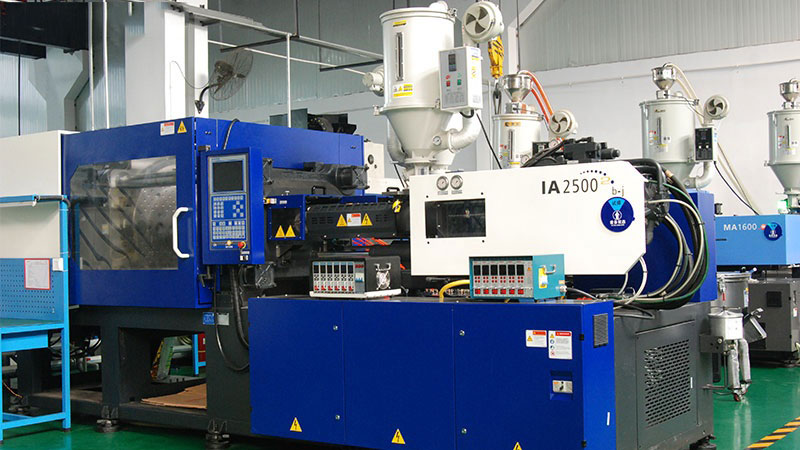
    Receiving an attractive quote is easy; verifying the supplier’s true capability is where due diligence separates successful buyers from the rest. In 2026, virtual verification tools are indispensable. Request a live video tour of the facility. A professional mold maker will readily showcase their CNC machining centers, EDM equipment, mold trial injection machines, and quality control lab. Pay close attention to workshop organization and technology generation. Crucially, move beyond the sales representative and request direct communication with the project engineer who will handle your account. Evaluate their technical English and responsiveness. Demand a list of past clients, preferably in your region or industry, and seek contactable references. Verify business licenses and export history. This multi-layered verification process mitigates risk and builds a foundation of transparency.

    Structuring the Contract and Managing Quality Control

    A clear, detailed contract is your legal and operational safeguard. It must explicitly define payment terms (e.g., 30-50% deposit, balance before shipment), a phased project timeline with milestones, and most importantly, the quality control protocol. Stipulate that First Article Inspection (FAI) reports, dimensional reports using CMM data, and high-resolution photos/videos of the finished mold and trial shots are required before final payment. For critical projects, mandate that your payment schedule is tied to the approval of these deliverables. Consider engaging a third-party quality inspection firm in China for an impartial pre-shipment audit. This firm can verify steel hardness, cavity dimensions, and the functionality of the mold on a press, providing an objective assessment before the mold leaves the factory. This step, while an added cost, is invaluable for high-value tooling.

    Navigating Communication, Logistics, and After-Sales Support

    Effective, structured communication is the glue that holds an international project together. Insist on a single point of contact—the project manager—and establish regular update intervals via email and video calls. Use shared cloud folders for all drawings, revisions, and reports to maintain a single source of truth. For logistics, understand Incoterms 2020 thoroughly. FOB (Free On Board) is common, giving you control over shipping and insurance once the mold leaves the Chinese port. Ensure the China mold factory provides a professional export package, including waterproofing, proper cushioning, and a detailed packing list. Finally, secure clear after-sales support terms. The contract should cover warranty period (typically 12-24 months), responsibility for repair or modification costs, and the process for handling wear and tear. A reliable supplier will offer ongoing support for mold maintenance and spare parts.

    Conclusion

    Importing an injection mold from China is a significant investment that, when executed correctly, yields substantial long-term benefits. The 2026 procurement landscape demands a methodical, verification-heavy approach. By investing time in precise specifications, conducting rigorous supplier due diligence, enforcing structured quality control protocols, and formalizing communication and support terms, you transform procurement from a risky venture into a strategic advantage. The goal is to build a partnership with a professional mold maker, not just execute a transaction. By following this guide, overseas buyers can confidently tap into China’s manufacturing excellence, securing high-quality tooling that drives product innovation and market success for years to come.

    Work With Us

    As a professional China mold manufacturer, we provide one-stop mold solution for overseas buyers.
    📞 Phone: +86-18605944639
    💬 WhatsApp: +8618605944639
    🌐 Website: bestmoldworks.com
    📧 Email: [email protected]
  • injection mold China Manufacturerturers: Reliable Manu 2026

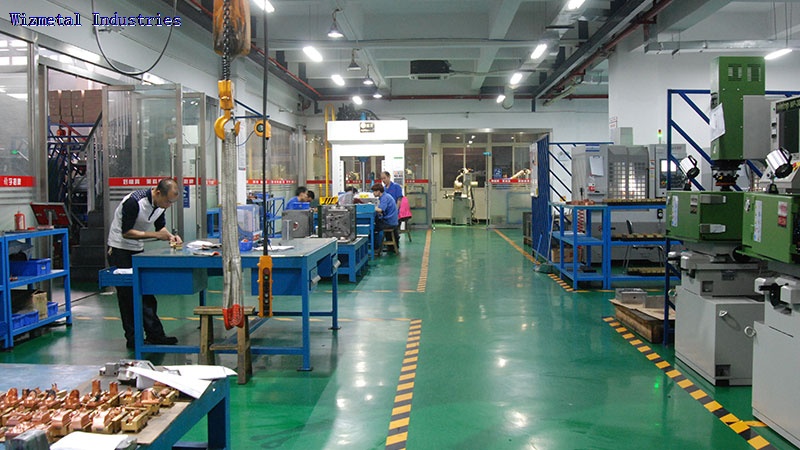
    For overseas buyers, the decision to import molds from China represents a significant strategic move to enhance competitiveness through cost efficiency and advanced manufacturing capability. The landscape of Chinese manufacturing is continuously evolving, and as we look towards 2026, the focus has decisively shifted from merely finding the lowest cost to securing reliable, high-quality partnerships. The core challenge is no longer *if* you can source from China, but *how* to do so with confidence and foresight. This guide provides a professional, actionable framework for navigating the market of **injection mold China manufacturers**, ensuring your procurement strategy is built for reliability and success in the coming years.

    The foundation of any successful import project lies in meticulous supplier verification. Moving beyond a simple Alibaba search is paramount. In 2026, reliability is proven through transparency and a proven track record. Begin by scrutinizing the **China mold factory**’s business licenses and export history. Request detailed case studies or portfolios that specifically showcase projects for overseas clients in your industry. A critical step is to initiate a video conference tour of their facility; a reputable manufacturer will readily arrange this. Observe their machinery—are they using modern, CNC, EDM, and high-speed milling equipment? Assess the shop floor organization. Furthermore, insist on direct communication with the project manager and engineering team who will handle your account, not just a sales representative. This due diligence filters out trading companies and uncovers true, capable **injection mold China manufacturers** committed to long-term partnerships.

    Once a potential partner is identified, mastering the technical and commercial discussion phase is crucial. A professional **China mold factory** will treat the initial RFQ (Request for Quotation) as a collaborative engineering discussion. Provide more than just a 3D part file; include a comprehensive specification document covering material, expected annual volumes, cosmetic requirements (e.g., SPI finish standards), tolerance levels, and part function. Be wary of quotes that seem abnormally low without detailed justification; this often signals corner-cutting on steel quality, component standards, or engineering time. Discuss the mold flow analysis (MFA) process upfront—reliable manufacturers will insist on performing and reviewing MFA with you to predict and prevent filling issues, weld lines, and sink marks. Clearly define all commercial terms: payment milestones (e.g., 30% deposit, 40% after T1 sample approval, 30% before shipment), intellectual property protection agreements, and delivery schedule with buffer time for revisions.

    Implementing a rigorous, multi-stage quality control protocol is non-negotiable for mitigating risk. The most reliable **injection mold China manufacturers** will have an in-house QC department but complementing this with your own checks is wise. Define critical inspection points (IPQC) throughout the manufacturing process: after material procurement (steel certificates), after cavity and core machining (3D reports), and after mold assembly (tryout). The First Article Inspection (FAI) after the initial trial run (T1) is the most critical stage. Either employ a trusted third-party inspection service in China to witness the trial and inspect samples on-site, or plan for your engineer to attend. They should check not only the sample parts against dimensions but also the mold itself—for cooling line efficiency, ejection system, and venting. Document everything with detailed Data Requirement Matrix (DRM) reports, including CMM data, photos, and video of the trial run.

    Effective project management and communication bridge the geographical and cultural gap. Establish a single point of contact on both sides, but ensure direct access to the technical team. Utilize collaborative tools like shared cloud folders for drawings, weekly scheduled update meetings via video call, and structured email updates with action items. A professional manufacturer will provide a detailed project timeline (Gantt chart) and proactively communicate delays or technical challenges. Understanding cultural nuances is also part of professional procurement; be clear, detailed, and patient in explanations, but also firm on contractual agreements. Building this disciplined communication rhythm transforms the supplier relationship from a transactional vendor into a true extension of your production team, which is the hallmark of a reliable partnership in 2026 and beyond.

    Finally, adopt a lifecycle partnership mindset. The goal is not to purchase a single **injection mold** but to secure a manufacturing source for the production lifespan of your part. Discuss post-sales support explicitly. What are the terms for mold maintenance and repair? How are spare components like ejector pins or heaters handled? Is the mold design archived for future duplication? A forward-thinking **China mold factory** will demonstrate its capability and willingness to support you throughout the mold’s life, offering clear protocols for storage, maintenance, and repair. This long-term perspective ensures your initial procurement investment is protected and yields continuous value, reducing total cost of ownership and securing your supply chain.

    In conclusion, importing injection molds from China in 2026 is a sophisticated process defined by strategic verification, technical collaboration, and disciplined quality management. The market rewards informed buyers who prioritize engineering capability and transparent processes over headline price alone. By rigorously applying these actionable steps—from deep supplier verification and detailed technical negotiation to staged QC and lifecycle planning—overseas buyers can confidently engage with the most reliable injection mold China manufacturers. This approach not only mitigates the inherent risks of overseas procurement but fully capitalizes on the exceptional value, innovation, and manufacturing prowess that a professional China mold factory offers, building a resilient foundation for product success for years to come.

    Work With Us

    As a professional China mold manufacturer, we provide one-stop mold solution for overseas buyers.
    📞 Phone: +86-18605944639
    💬 WhatsApp: +8618605944639
    🌐 Website: bestmoldworks.com
    📧 Email: [email protected]
  • injection mold factory china: Best Suppliers & Qualit 2026

    For overseas buyers, sourcing an injection mold is a critical investment that directly impacts product quality, time-to-market, and overall manufacturing cost. China remains the global epicenter for mold manufacturing, offering an unparalleled combination of technical capability, scalability, and competitive pricing. However, navigating the vast landscape of suppliers to find a truly reliable partner requires a strategic and informed approach. This guide is designed to provide actionable, professional insights for procurement specialists and business owners looking to successfully import high-quality molds from China in 2026 and beyond, focusing on supplier verification and robust quality control.

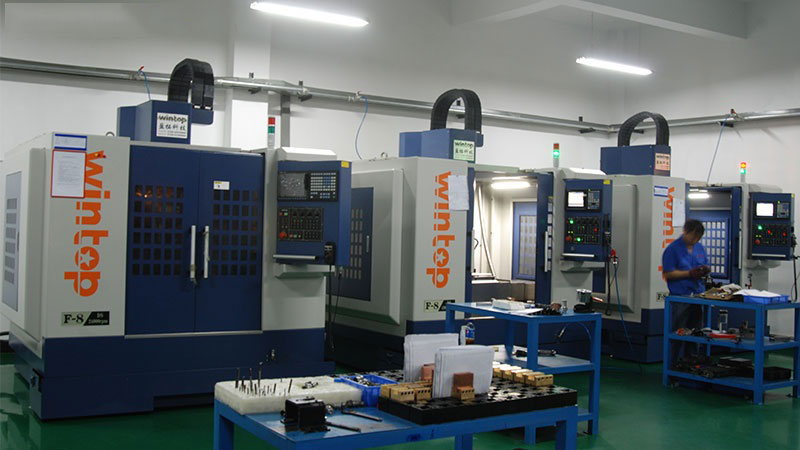
    The cornerstone of successful procurement is thorough supplier verification. Moving beyond a simple Alibaba search is imperative. Begin by identifying factories with demonstrable expertise in your specific industry, whether it be automotive components, medical devices, consumer electronics, or packaging. A professional China mold factory will have a detailed portfolio showcasing complex projects. Request case studies and, crucially, ask for customer references from your region. Utilize video conferencing tools to conduct virtual factory tours; a reputable injection mold supplier will readily showcase their shop floor, revealing the level of machinery (look for brands like DMG Mori, Sodick, or Haitian injection molding machines), workshop organization, and in-house capabilities like CNC machining, EDM, and quality inspection labs. This step filters out trading companies and uncovers true manufacturing partners.

    Once a shortlist is established, a meticulous technical and commercial review is non-negotiable. The foundation of this phase is a comprehensive and unambiguous Request for Quotation (RFQ). Your RFQ must include not just part drawings (in a standard format like STEP or IGES) but a detailed technical specification sheet. This document should cover mold steel grade (e.g., P20, H13, S136), required cavity life expectancy, surface finish specifications (SPI standards), tolerance levels, and expectations for hot runner systems if needed. During discussions, probe their engineering support. Will they provide a Design for Manufacturability (DFM) report? A competent injection mold factory china will analyze your design proactively, suggesting modifications to improve manufacturability, reduce cost, and enhance durability, thereby preventing costly revisions later.

    Implementing a staged quality control protocol is what separates successful imports from costly failures. Quality must be managed proactively, not inspected reactively upon shipment. Insist on a First Article Inspection (FAI) report before mass production of the mold itself. Key checkpoints include a pre-production meeting to align on critical dimensions, material certificates for the mold steel, and in-process photos of key stages like core and cavity machining. For the final approval, coordinate a Trial Run Report (TRR). This should include high-resolution photos and videos of the first shots from the mold, along with measured samples using Coordinate Measuring Machine (CMM) data against your provided GD&T. For high-value or high-volume projects, engaging a local third-party quality inspection firm for an on-site Pre-Shipment Inspection (PSI) is a wise investment to verify the mold’s construction and initial sample performance.

    Clear contractual agreements and professional project management safeguard your investment. A formal Purchase Order (PO) and proforma invoice should be supplemented by a detailed technical agreement that annexes all specifications, approval processes, and intellectual property (IP) protection clauses. Discuss and agree on payment terms that balance risk; a common and fair structure is 30-50% deposit, 40-60% after approval of sample parts, and the balance before shipment. Effective communication is vital. Establish a single point of contact on both sides, preferably someone with engineering proficiency. Use shared project management platforms or regular scheduled update meetings to track milestones like design completion, material procurement, machining, assembly, and testing. This disciplined approach ensures transparency and timely issue resolution.

    Looking ahead to 2026, the leading Chinese mold manufacturers are increasingly differentiating themselves through advanced technology and value-added services. When evaluating potential partners, inquire about their adoption of Industry 4.0 practices. Are they utilizing simulation software (like Moldflow) for flow and cooling analysis to optimize mold design before metal is cut? Do they offer digital twin services or provide real-time production monitoring data for molds in use? Furthermore, consider their capacity for supporting your entire supply chain. Many top-tier suppliers now offer integrated services from mold design and manufacturing to post-molding operations like assembly, packaging, and even drop-shipping. This vertical integration can significantly streamline your procurement and logistics, turning a mold supplier into a strategic manufacturing partner.

    In conclusion, sourcing from an injection mold factory china in 2026 is a highly viable strategy that demands diligence, technical clarity, and proactive partnership management. The journey from supplier verification to final quality sign-off is a systematic process where attention to detail pays substantial dividends. By focusing on factories with proven expertise, enforcing rigorous technical communication, implementing staged quality controls, and fostering professional collaboration, overseas buyers can confidently secure not only cost-effective tooling but also molds of exceptional quality that drive product success in the global marketplace. The goal is to transform the complexity of international procurement into a competitive advantage for your business.

    Work With Us

    As a professional China mold manufacturer, we provide one-stop mold solution for overseas buyers.
    📞 Phone: +86-18605944639
    💬 WhatsApp: +8618605944639
    🌐 Website: bestmoldworks.com
    📧 Email: [email protected]

  • plastic mould manufacturers china: Best Suppliers & Qua 2026

    For global businesses, from ambitious startups to established OEMs, sourcing injection molds from China remains a strategic move to achieve significant cost savings without necessarily sacrificing quality. However, the journey from identifying a potential partner to receiving a flawless mold at your facility is fraught with challenges. The market is vast, and the variance in capability, transparency, and reliability between different China mold factory options can be staggering. This guide is designed to cut through the noise. We provide a professional, actionable framework for overseas buyers to navigate the procurement landscape, identify the best plastic mould manufacturers china, and implement safeguards that ensure your project’s success in 2026 and beyond.

    The cornerstone of a successful import project is rigorous supplier verification. Moving beyond a simple Alibaba search or a glossy website is non-negotiable. Start by demanding concrete evidence of capability. A reputable supplier should readily provide a detailed company profile, including the number of injection molding machines, CNC and EDM equipment, and engineering staff. Request a portfolio of past projects, specifically those in a similar industry or complexity level to your own. Crucially, insist on a virtual or recorded video factory tour. This real-time view of the facility floor, housekeeping, and equipment condition is invaluable. Furthermore, check for relevant international quality certifications like ISO 9001, which indicates a baseline of systematic process management. For critical applications, inquire about industry-specific standards they adhere to. This due diligence phase filters out trading companies masquerading as manufacturers and identifies partners with the tangible infrastructure to deliver.

    Once a technically qualified supplier is shortlisted, the focus must shift to precision in communication and design for manufacturability (DFM). This is where many projects first encounter costly delays. The initial RFQ (Request for Quotation) you provide must be exceptionally detailed. Include not just part drawings (in a universal format like .step or .iges), but also material specifications, expected annual volumes, cosmetic requirements (e.g., SPI finish standards), and tolerance critical areas. A professional China mold factory will respond not just with a price, but with a formal DFM report. This document is a critical litmus test. It should highlight potential molding issues, suggest improvements for part strength and mold longevity, and detail the proposed mold structure (steel type, cooling layout, ejection system). Scrutinize this feedback closely; a supplier that blindly quotes without DFM input is a major red flag. Clear, documented agreement on every technical specification before tooling commences is your primary defense against disputes.

    Proactive and structured quality control (QC) throughout the manufacturing process is what separates successful importers from those facing costly rework. Do not adopt a “black box” approach and simply wait for the final sample. Insist on a staged inspection protocol with documented evidence at key milestones. These typically include: a First Article Inspection (FAI) after the mold frame and core/cavity blocks are machined, a Trial Run Report with video and data (injection pressure, cycle time) from the initial sample shots, and a Dimensional Report on the sampled parts using CMM or other measuring equipment. Many buyers engage third-party QC agencies in China for these critical checkpoints, providing an unbiased assessment. This staged approach allows for corrections mid-stream, when changes are still feasible and affordable, rather than discovering critical flaws at the final pre-shipment inspection. Effective QC is an active, engaged process, not a passive hope.

    The final phase of procurement encompasses logistics, payment terms, and post-sales support. Negotiate Incoterms clearly—FOB Shanghai is common, giving you control over shipping and insurance. Ensure the supplier provides a complete commercial invoice and packing list for smooth customs clearance in your country. Regarding payment, while a 50% deposit with 50% before shipment is standard, consider negotiating terms that tie later payments to successful completion of inspection milestones. Equally important is securing a clear, written warranty for the mold. This should cover workmanship and material defects for a defined period (e.g., 12-18 months) or a certain number of cycles, with stipulations for repair or replacement. Understand their policy on mold modification costs. A reliable partner will stand behind their tooling and offer reasonable support for future maintenance or minor modifications, which is essential for long-term production stability.

    In conclusion, building a successful partnership with one of the leading plastic mould manufacturers china is a systematic process built on verification, communication, control, and clear contractual understanding. The landscape in 2026 will continue to favor informed, diligent buyers who treat their mold supplier as a strategic engineering partner rather than just a cost center. By implementing the actionable steps of thorough supplier verification, leveraging DFM, enforcing staged quality control, and formalizing terms and support, you mitigate the inherent risks of overseas procurement. This disciplined approach transforms the challenge of distance into a competitive advantage, granting you access to world-class manufacturing capabilities and driving innovation and profitability for your business.

    Work With Us

    As a professional China mold manufacturer, we provide one-stop mold solution for overseas buyers.
    📞 Phone: +86-18605944639
    💬 WhatsApp: +8618605944639
    🌐 Website: bestmoldworks.com
    📧 Email: [email protected]

  • custom injection mold maker: Complete Procurement Guide 2026

    For overseas buyers, partnering with a skilled custom injection mold maker in China remains one of the most strategic decisions to achieve competitive manufacturing. The landscape, however, is constantly evolving with new technologies, market pressures, and communication standards. This 2026 procurement guide is designed to cut through the noise and provide you with a professional, actionable framework for successfully navigating this complex process. We will move beyond basic directories and focus on the real-world strategies that separate successful, long-term partnerships from costly procurement mistakes.

    Mastering Supplier Verification in the Digital Age

    The foundation of any successful import project is a thoroughly vetted China mold factory. In 2026, verification goes far beyond checking a business license. Start with a deep-dive digital audit. Analyze their professional presence: do they detail their engineering capabilities, mold flow analysis software, and machinery (e.g., brand of CNC, EDM, CMM) on their website? Use video conferencing to request a real-time virtual factory tour; a reputable supplier will readily comply. Crucially, shift your focus from generic company references to project-specific ones. Ask for contact information for past overseas clients who had molds of similar complexity, size, and material to your project. A direct conversation with a peer about their experience with design collaboration, problem-solving, and post-sales support is invaluable. Finally, utilize international trade data platforms to verify their export history and volume, confirming they have tangible experience shipping to your region.

    From RFQ to Technical Alignment: Ensuring Design Integrity

    A precise Request for Quotation (RFQ) is your primary tool for ensuring accurate pricing and technical alignment. Simply sending a 3D file is insufficient. Your RFQ package must include a comprehensive mold specification document. This should detail critical factors such as the expected annual production volume, which dictates mold steel selection (e.g., pre-hardened steel vs. hardened steel like H13). Specify cavity requirements, surface finish (SPI standards), tolerances, and part material (e.g., ABS, PP, PC). Clearly state all expectations for deliverables: are 3D mold design drawings for approval included? What about mold flow analysis reports? How many pre-production samples will be provided? By forcing this level of detail upfront, you filter out suppliers who quote based on assumptions and identify those with the engineering rigor to match your requirements. This stage is where you assess their technical communication skills, a critical predictor of future collaboration success.

    Implementing Proactive Quality Control Gates

    Quality control cannot be an afterthought relegated to a final inspection. For injection mold procurement, you must implement a staged QC process with clear gates. The first gate is the Design Review. Insist on approving the 2D and 3D mold drawings before steel is cut. The second gate is the First Article Inspection (FAI) of the mold itself. Require high-resolution photos and videos of the finished mold cavity, ejector system, and hot runner if applicable. The third, and most critical, gate is the Sample Approval Run. Do not accept samples from a separate “sample machine.” Require that pre-production samples are produced from the mold using the same machine, material, and settings planned for mass production. These samples must be measured against your part drawings with a full dimensional report provided. Consider engaging a local third-party inspection agency for the initial sample evaluation to provide an unbiased report before you commit to traveling for the Trial Run.

    Navigating Logistics, IP, and Contractual Safeguards

    The final stages solidify the business partnership. Intellectual Property protection is a paramount concern. While Chinese IP law has strengthened, practical safeguards are essential. Ensure your contract includes a robust confidentiality clause (NDA) and clearly states that all mold designs, drawings, and tooling are your property. A critical best practice is to stipulate that the mold must be physically stamped with your company name and a unique asset number. For logistics, understand Incoterms 2020 thoroughly. For high-value molds, FOB or even EXW terms are common, giving you control over the international freight and insurance. Ensure the China mold factory provides professional export packaging—typically a wooden crate with proper blocking and bracing—to prevent transit damage. Your contract should explicitly outline warranty terms: what is covered (e.g., workmanship, core and cavity wear), for how many shots, and the process for remediation.

    Building a Partnership for Long-Term Production

    Viewing your chosen custom injection mold maker as merely a vendor is a short-sighted approach. The most successful buyers treat this relationship as a technical partnership for long-term production. After the mold is approved and shipped, maintain open communication. Provide feedback from your production runs; a reliable partner will want to know about any wear issues or maintenance challenges to improve future designs for you. Discuss their capabilities for mold maintenance, repair, and even storage in China if you plan for seasonal production. This ongoing relationship not only ensures the longevity of your current tooling but also streamlines the procurement process for future projects, as they will already understand your standards, communication style, and quality expectations.

    Conclusion

    Importing a custom injection mold from China in 2026 demands a disciplined, informed approach that prioritizes verification, technical clarity, and staged quality control. By moving beyond price-centric evaluations and implementing the structured procurement steps outlined—from digital-age supplier vetting to enforcing proactive QC gates and solid contractual safeguards—you significantly de-risk your investment. The goal is to transform a complex international transaction into a streamlined, professional collaboration with a capable China mold factory. Remember, the true cost of a mold is not its purchase price, but the total cost of the parts produced over its lifetime. A meticulously executed procurement process, centered on finding a true partner, is the most effective way to minimize that long-term cost and secure your supply chain for years to come.

    Work With Us

    As a professional China mold manufacturer, we provide one-stop mold solution for overseas buyers.
    📞 Phone: +86-18605944639
    💬 WhatsApp: +8618605944639
    🌐 Website: bestmoldworks.com
    📧 Email: [email protected]

  • injection molding factory near me: Professional Buying 2026

    For overseas buyers, the search for an “injection molding factory near me” often concludes with a strategic pivot towards a global manufacturing hub: China. The title reflects a common starting point, yet the reality of competitive pricing, advanced capabilities, and scalable production rightly directs procurement efforts overseas. As we move into 2026, professional buying is less about finding the geographically closest supplier and more about intelligently bridging the distance to access superior value. This guide provides actionable, forward-looking strategies for overseas buyers to successfully navigate the process of importing high-quality injection molds from China, transforming geographical challenges into a competitive advantage.

    The foundational step in your 2026 procurement journey is redefining supplier discovery and verification. Simply searching online directories is no longer sufficient. Begin by leveraging industry-specific B2B platforms, but deepen your research with professional networking sites to assess a company’s standing and employee expertise. The critical action is a multi-layered verification process. Always insist on a video conference walkthrough of the China mold factory. This allows you to observe shop floor organization, machinery condition, and operational scale in real-time. Cross-check business licenses and request references from their existing overseas clients. In 2026, due diligence extends to evaluating their digital readiness—ask about their use of project management software, real-time production tracking, and secure data transfer protocols for design files, as these are indicators of a professional operation capable of handling international partnerships seamlessly.

    Once a potential partner is identified, mastering the technical and commercial dialogue is paramount. A professional injection mold buying process starts with a meticulously detailed Request for Quotation (RFQ). Beyond part drawings, include material specifications, expected annual volumes, tolerance requirements, and cosmetic standards. For the injection mold itself, discuss steel grade (such as pre-hardened 718H or hardened S136), mold flow analysis plans, cooling channel design, and the number of cavities. Be clear about post-mold services: do they provide sampling, first-article inspection reports, and minor modifications? In 2026, transparency in cost breakdown is non-negotiable. Understand what the mold price includes (design, materials, trial shots, packaging) and what it excludes (shipping, tariffs, potential engineering change orders). This clarity prevents hidden costs and aligns expectations from the outset.

    Proactive quality control, integrated from the very first step, is what separates successful imports from costly failures. Do not relegate quality checks to the final inspection before shipment. Implement a staged quality control protocol. Define and agree upon Critical Control Points with your supplier, typically at the stages of steel material certification, first trial shot, and pre-shipment audit. For high-value projects, consider engaging a local third-party quality inspection firm to conduct an Initial Production Check and a During Production Check. This provides an objective assessment of the injection mold’s performance and the consistency of the initial production runs. In your agreement, stipulate the use of standardized inspection reports with photographic and video evidence. Modern China mold factories are accustomed to this and often have systems in place to facilitate it, viewing it as a mark of a serious, professional buyer.

    Navigating logistics, intellectual property protection, and building a partnership for 2026 and beyond are the final, crucial pillars. For logistics, work with your chosen injection molding factory to decide on Incoterms 2020—FOB is common, but for simplicity, you may discuss DAP for door-to-door service clarity. Ensure mold packaging is robust for ocean freight. Regarding IP, a well-drafted Non-Disclosure Agreement (NDA) and a product confidentiality agreement are essential legal tools. Register your designs in China where possible, and control the distribution of critical design files. Finally, view your supplier not as a transactional vendor but as a strategic manufacturing partner. Clear, consistent communication, fair negotiation, and prompt payment build trust. A reliable partner will proactively support you with design for manufacturability feedback, maintenance advice for your injection mold, and be your first point of contact for future projects or scaling production.

    In conclusion, the modern query for an “injection molding factory near me” is effectively a search for manufacturing excellence, which in 2026 is defined by strategic process over proximity. By adopting a rigorous approach to supplier verification, engaging in detailed technical procurement, implementing layered quality control, and establishing a framework for secure, long-term partnership, overseas buyers can confidently and professionally import injection molds from China. The goal is to make the geographical distance irrelevant through professional management, turning China’s manufacturing prowess into a reliable extension of your own production capabilities. This disciplined approach is the hallmark of professional buying for the year ahead and beyond.

    Work With Us

    As a professional China mold manufacturer, we provide one-stop mold solution for overseas buyers.
    📞 Phone: +86-18605944639
    💬 WhatsApp: +8618605944639
    🌐 Website: bestmoldworks.com
    📧 Email: [email protected]

  • injection molding manufacturer in china: Complete Procu 2026

    For overseas buyers, sourcing an injection molding manufacturer in China represents a significant strategic advantage, offering unparalleled cost efficiency and manufacturing scalability. However, navigating this complex landscape in 2026 requires updated knowledge and a meticulous approach to mitigate risks and secure true value. This guide is designed to cut through the noise, providing a professional, actionable roadmap for your procurement journey, focusing on solving real problems from supplier identification to final delivery.

    The foundation of a successful partnership lies in rigorous supplier verification, a process that has evolved beyond simple website checks. Begin with a multi-platform assessment. Cross-reference potential suppliers on B2B portals like Alibaba or Made-in-China with their official corporate registration details available from Chinese government databases. In 2026, a credible China mold factory should readily provide a business license with a clear, verifiable physical address. The next critical step is a technical audit. Request detailed case studies of previous projects that mirror your product’s complexity in material, size, and tolerance. Schedule a live video factory tour to inspect their machinery park, specifically looking for modern CNC, EDM, and CMM equipment. Do not underestimate the power of direct communication; a technical discussion with their lead engineer will reveal their problem-solving capability and depth of knowledge far more effectively than any sales brochure.

    Once a qualified supplier is shortlisted, mastering the quotation and prototyping phase is crucial to avoid costly misunderstandings. A professional quotation from an injection molding manufacturer in China should be transparently itemized, separating mold cost, sample cost, and per-unit part price. Scrutinize the mold cost breakdown, which should include design, material (such as P20, H13, or S136 steel), machining hours, and expected lifespan in shots. For the injection mold itself, ensure the proposal specifies the steel grade, mold flow analysis reports, and the cooling channel design. Before full mold fabrication, insist on a First Article Inspection (FAI) process. This involves producing a limited number of samples from the finished mold for comprehensive dimensional, functional, and material verification against your 3D drawings and specifications. This stage is your final checkpoint to authorize mass production, ensuring the tool performs as intended.

    Effective quality control is non-negotiable and must be structured in layers. Relying solely on the supplier’s final inspection is a high-risk strategy. Implement a defined Quality Control Plan agreed upon before production starts. This plan should mandate in-process inspections during molding runs, checking for critical dimensions, weight consistency, and visual defects. For final pre-shipment inspections, many overseas buyers engage reputable third-party quality control services based in China. These inspectors provide an unbiased report on product conformity, packaging, and labeling. Furthermore, clearly define your Acceptable Quality Level (AQL) for random sampling inspections. Establishing a robust QC protocol not only safeguards the current order but also sets a clear standard for all future production with your chosen China mold factory, fostering a culture of quality from the outset.

    The logistical and contractual framework of your procurement can determine the ultimate success of the project. Incoterms 2020 are essential for defining risk and cost responsibility. For mold procurement, EXW (Ex Works) or FOB (Free On Board) are common, but understand the implications: with EXW, you manage all shipping and export formalities from the supplier’s door. For ongoing part production, consider CIF (Cost, Insurance, and Freight) for simpler logistics. Your contract must be comprehensive, covering intellectual property (IP) clauses stating that all mold designs and tooling are your property, confidentiality agreements, payment terms (e.g., 50% deposit, 40% after sample approval, 10% after shipment), and detailed protocols for handling defects and delays. Clear communication channels and using precise technical drawings with GD&T standards are the bedrock of preventing disputes.

    In conclusion, procuring from an injection molding manufacturer in China in 2026 is a process that rewards diligence, clear communication, and strategic partnership. The journey from identifying a potential supplier through a verified China mold factory to receiving high-quality injection molded parts demands a structured approach encompassing thorough supplier verification, transparent costing, layered quality control, and ironclad logistics planning. By focusing on these actionable areas, overseas buyers can transform the perceived complexities of international procurement into a reliable, competitive advantage, building supply chain relationships that deliver consistent quality and value for years to come.

    Work With Us

    As a professional China mold manufacturer, we provide one-stop mold solution for overseas buyers.
    📞 Phone: +86-18605944639
    💬 WhatsApp: +8618605944639
    🌐 Website: bestmoldworks.com
    📧 Email: [email protected]