Importing a custom injection mold from China remains a strategic decision for countless overseas businesses, from ambitious startups to established manufacturers. The potential for significant cost savings, rapid production scaling, and access to extensive manufacturing expertise is compelling. However, the path to a successful partnership with a China mold factory is fraught with potential pitfalls if not navigated with diligence and modern strategies. This guide, focused on 2026 best practices, provides actionable, professional advice to solve real procurement challenges and secure a high-quality injection mold that meets your exact specifications, budget, and timeline.
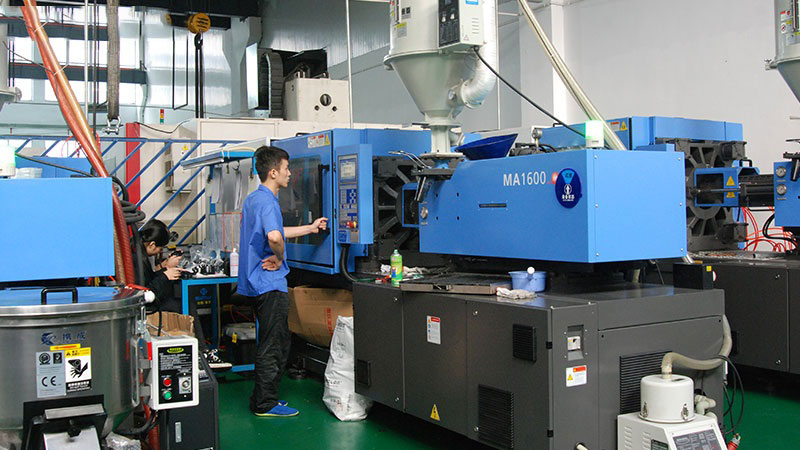
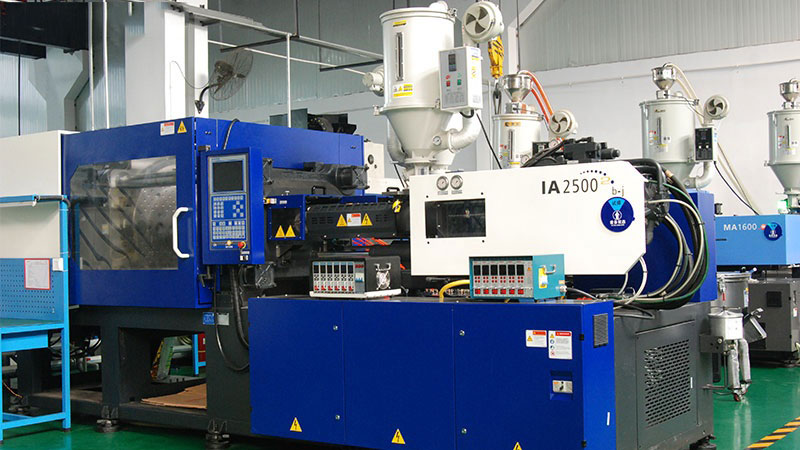
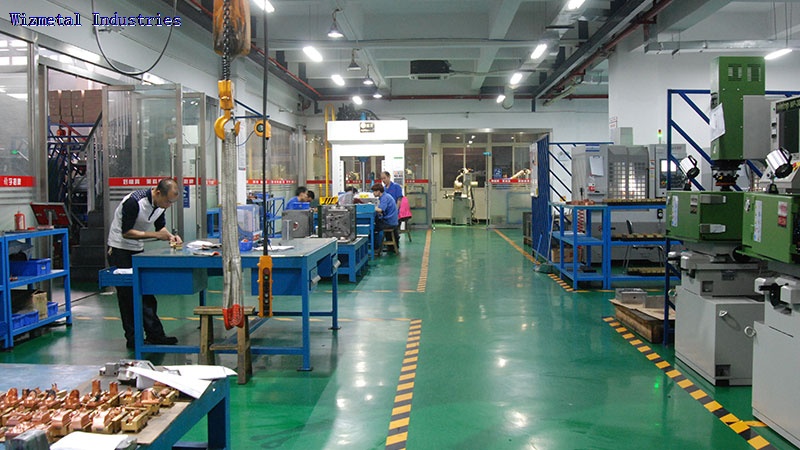
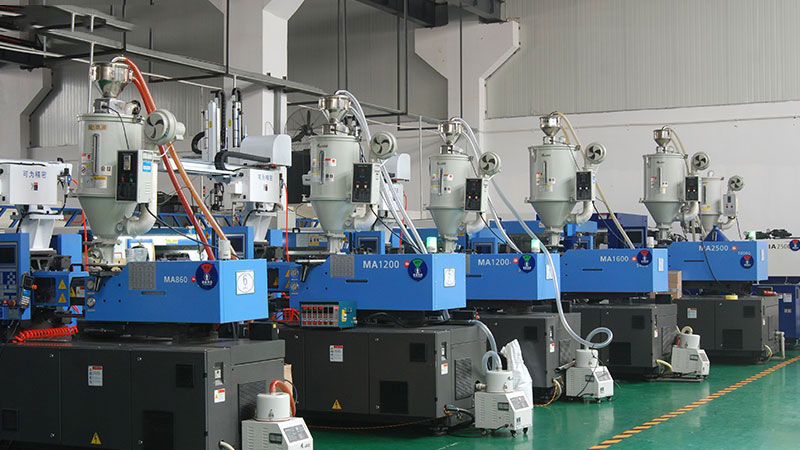
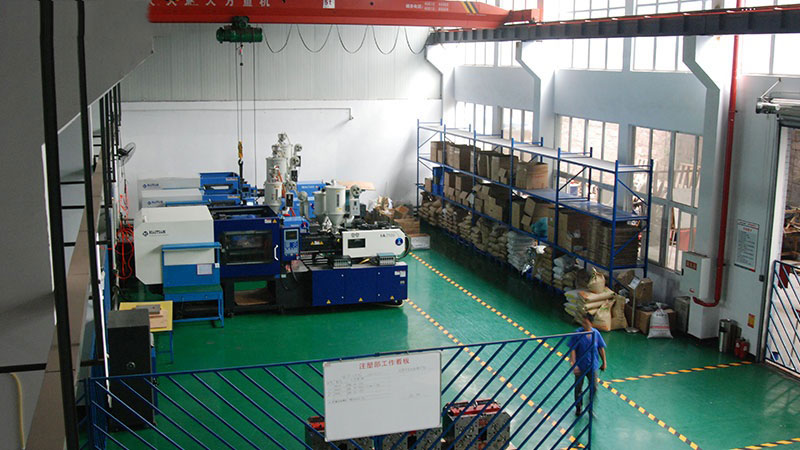
The cornerstone of a successful import project is rigorous supplier verification. The landscape of Chinese manufacturing is diverse, and distinguishing between a mediocre workshop and a world-class mold factory requires a systematic approach. Move beyond Alibaba listings and generic B2B platforms. Initiate a technical dialogue early; a competent supplier will ask detailed questions about your part’s material, intended use, expected volume, and tolerance requirements before quoting. Request a virtual tour of their facility via video call—this is now a standard expectation. Focus on their mold maintenance area and quality control stations; a clean, organized factory with modern CNC, EDM, and CMM machines is a strong positive indicator. Crucially, verify their experience with your specific industry, whether it be automotive, medical, consumer electronics, or packaging. Ask for and contact past overseas clients. In 2026, a transparent and communicative China mold factory is your greatest asset, turning the complex process of creating a custom injection mold into a collaborative engineering effort.
Once a potential partner is shortlisted, mastering the quotation and design phase is critical. A surprisingly low quote is often the most expensive option in the long run, leading to costly revisions, poor part quality, and project delays. Insist on a detailed, line-item breakdown. This should clearly separate costs for mold design, mold base, cavity and core materials, hot runner systems (if applicable), and any special features like slides or lifters. Discuss and agree upon mold life expectancy—expressed in number of shots—as this directly influences material and construction choices. Concurrently, invest in a flawless design for manufacturability (DFM) analysis. A reputable supplier will provide a formal DFM report, highlighting potential issues like wall thickness inconsistencies, undercuts, or problematic gate locations before steel is cut. This collaborative review, often facilitated through secure cloud platforms, is where a significant portion of future problems are solved. Clear communication here ensures your injection mold is designed for both performance and durability.
Proactive and structured quality control is non-negotiable, especially when managing operations from overseas. Do not wait until the final sample inspection to engage. Implement staged inspection points tied to payment milestones. The first critical stage is the First Article Inspection (FAI) after the mold is manufactured but before mass production of samples. This involves checking the mold’s dimensions, materials, and hardness. The next vital stage is the Trial Run Report. Require a video of the mold trial, complete with data on cycle times, injection pressures, and temperatures. The physical samples from this trial should be meticulously measured against your 2D drawings and 3D CAD model, with a formal dimensional report provided. For high-precision or high-volume projects, consider engaging a local third-party quality inspection firm to conduct an on-site audit during these key phases. This objective oversight provides an additional layer of security, ensuring the mold meets all agreed specifications before shipment.
The final phase—logistics, payment, and intellectual property (IP) protection—requires careful structuring. Use secure and traceable payment terms that balance risk for both parties. A common and fair structure is 30-40% deposit, 50-60% after approval of the trial samples, and the final 10% before shipment. This aligns the supplier’s incentives with your quality expectations. For IP protection, a well-drafted Non-Disclosure Agreement (NDA) is essential, but in practice, your strongest protection is working with an established, reputable factory whose business relies on long-term client relationships. Choose your shipping terms (FOB, CIF, DAP) wisely based on your logistics capabilities and ensure the supplier provides a comprehensive mold manual, including maintenance schedules, spare parts list, and assembly drawings. Finally, plan for the long term. Discuss terms for mold storage, repair, and future modifications. A reliable partner for your custom injection mold should be viewed as a long-term extension of your production team, capable of supporting your product’s lifecycle.
Successfully importing a custom injection mold from China in 2026 is a highly achievable goal that demands a blend of traditional due diligence and modern collaborative practices. The process extends far beyond simple procurement; it is a technical partnership built on clear communication, verified expertise, and structured quality gates. By focusing on deep supplier verification, collaborative design, staged quality control, and clear contractual agreements, overseas buyers can mitigate risks and unlock the immense value offered by specialized Chinese mold manufacturers. The result is not merely a tool, but a precision asset that forms the foundation of your product’s quality, cost-efficiency, and market success for years to come.
Work With Us
As a professional China mold manufacturer, we provide one-stop mold solution for overseas buyers.
📞 Phone: +86-18605944639
💬 WhatsApp: +8618605944639
🌐 Website: bestmoldworks.com
📧 Email: [email protected]