For overseas buyers, sourcing a high quality mold from China represents a significant strategic advantage, offering unparalleled value, advanced manufacturing capabilities, and scalability. However, the path to securing a reliable China mold factory that consistently delivers precision and durability is fraught with challenges, from supplier verification to rigorous quality control. This guide cuts through the noise to provide a professional, actionable framework for your procurement success in 2026 and beyond.
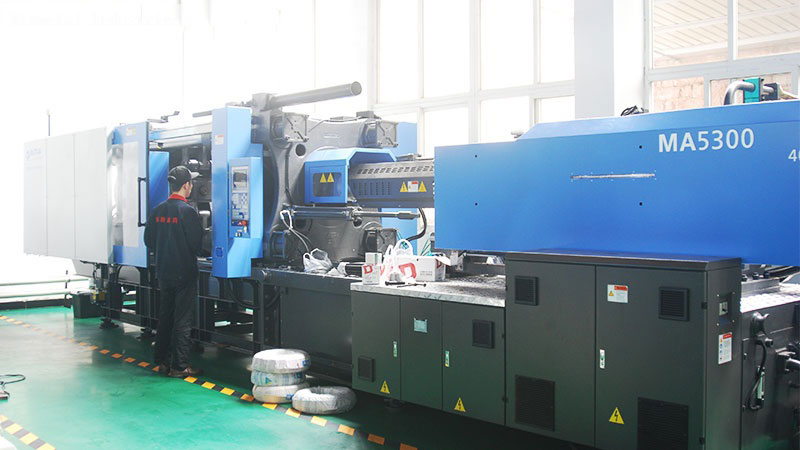
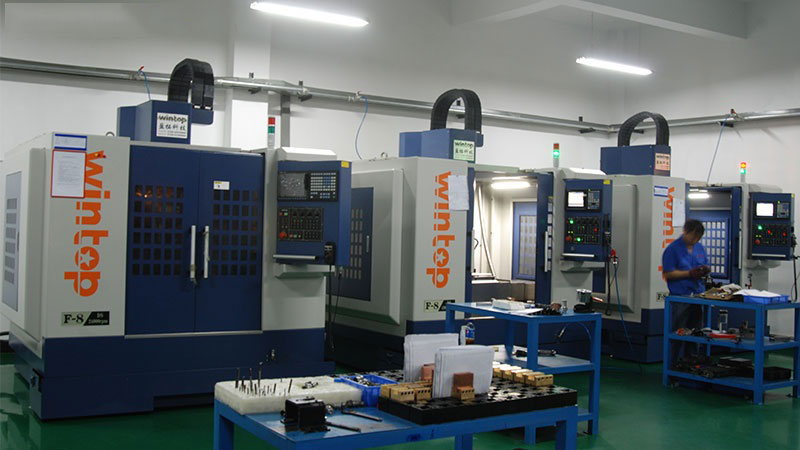
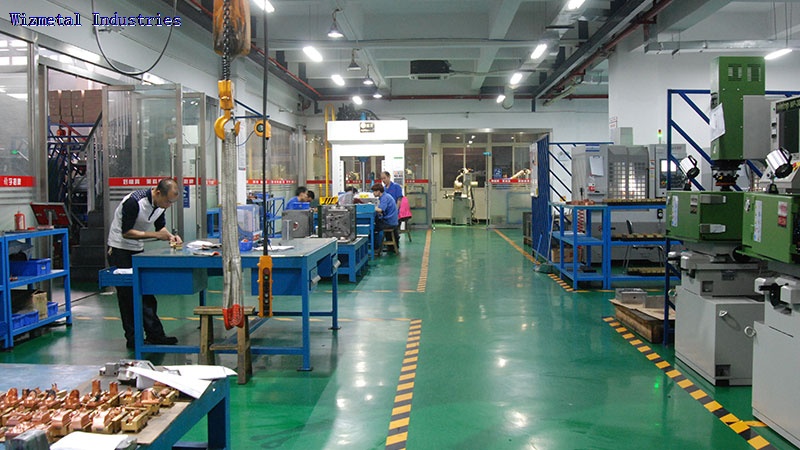
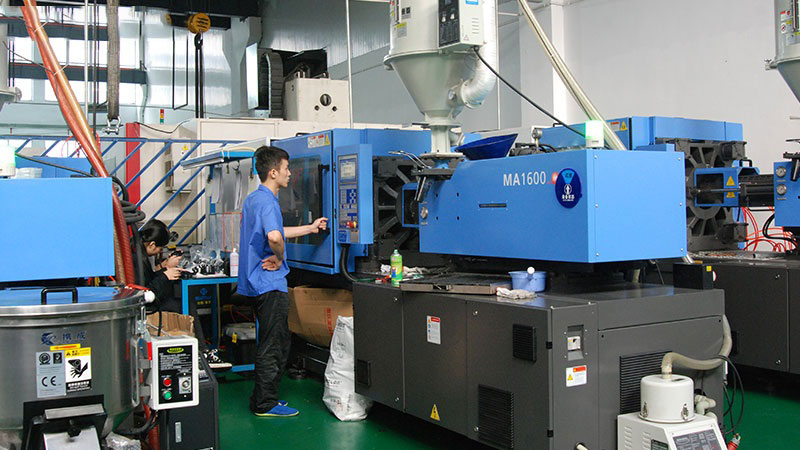
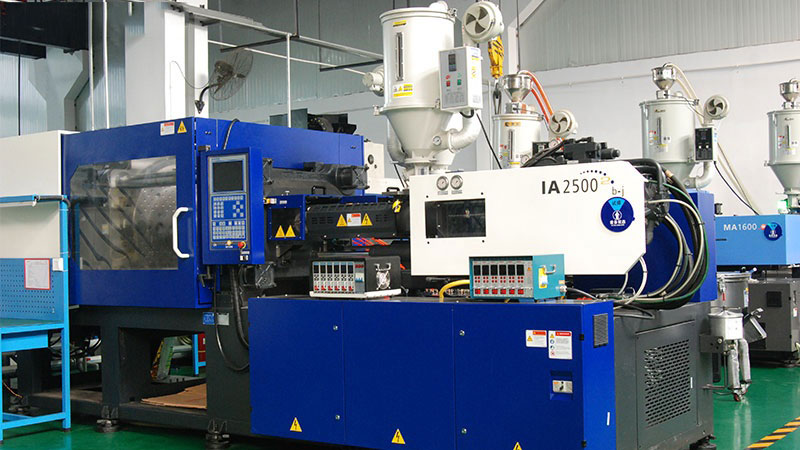
The cornerstone of a successful import project is selecting the right partner, not just the lowest bidder. A true high quality mold begins with the manufacturer’s expertise and systems. Start your supplier verification by scrutinizing engineering capability. Request detailed case studies of molds similar to yours in complexity and material. A proficient China mold factory will have engineers who can engage in DFM (Design for Manufacturability) analysis, proactively suggesting improvements to your part design for better moldability, reduced stress, and longer tool life. Evaluate their proficiency with advanced manufacturing equipment; ask about their CNC machining centers, EDM (Electrical Discharge Machining) capabilities, and mold polishing standards. Certifications like ISO 9001 are a baseline, but true verification comes from direct communication with their technical team and assessing their problem-solving approach during the quotation phase.
Once a potential supplier is shortlisted, defining and agreeing upon explicit quality standards is non-negotiable. Ambiguity here is the primary cause of disputes. Move beyond vague promises of “good quality” and implement a structured quality control protocol. Specify the mold steel grade (e.g., H13, S136, P20) and demand material certificates. Define the expected lifespan in cycles for the injection mold. Crucially, agree on a measurable part quality standard, often using a Cpk (Process Capability Index) for critical dimensions. Insist on a First Article Inspection (FAI) report and a comprehensive mold trial process, preferably with a video audit if you cannot be present. A professional supplier will document every step, from T1 trial shots to final approval, providing dimensional reports and surface finish samples. This transparent process ensures the final deliverable meets your exact specifications before shipment.
Effective procurement from China hinges on a meticulously detailed Request for Quotation (RFQ). A vague RFQ invites misunderstandings and cost overruns. Your RFQ package must include not just the 3D part file, but also a comprehensive technical specification sheet. This should list all critical dimensions and tolerances, desired surface finishes (SPI/VDI standards), intended production material, expected annual volumes, and cavity requirements. For an injection mold, specify the mold base standard (e.g., LKM, DME), hot runner system preferences, and cooling line requirements. By providing exhaustive information upfront, you enable suppliers to submit accurate, comparable quotes and demonstrate which factories have the technical depth to ask insightful clarifying questions. This step filters out less capable workshops and aligns expectations from the outset.
The commercial and legal framework protects your investment. A clear, itemized proforma invoice (PI) and a robust contract are essential. The PI should break down costs: mold design, materials, manufacturing, trials, and logistics. Understand payment terms; a common secure structure is 50% deposit, 40% before shipment after trial approval, and 10% retention after successful production launch. Never pay 100% upfront. Your contract must address intellectual property (IP) protection, warranty terms (typically 1-2 years against design and workmanship flaws), and liability for delays. Specify the protocol for handling deviations from the agreed quality plan. While building trust is key, formal agreements ensure both parties have a clear reference point for resolving any issues professionally, safeguarding your pursuit of a durable and reliable high quality mold.
The journey does not end when the mold ships. Planning for post-delivery support is critical for long-term value. Discuss with your China mold factory their policy on spare parts, such as replacement cores, ejector pins, and seals. Understand their lead time for repair or maintenance support. Establish clear communication channels for troubleshooting during your production runs. A reputable supplier views the mold sale as the start of a partnership and will be responsive if issues arise in the future. Furthermore, factor in the logistics; use a freight forwarder experienced in handling delicate industrial equipment to ensure the mold arrives undamaged and undergoes proper customs clearance.
Successfully importing a precision tool from China is a systematic process of due diligence, clear communication, and structured quality assurance. By focusing on engineering-led supplier verification, implementing rigorous pre-defined quality control checkpoints, and establishing a solid commercial foundation, you transform the perceived risk into a formidable competitive edge. The Chinese mold manufacturing landscape in 2026 is more capable and professional than ever, but buyer sophistication must match it. By following this guide, you position yourself to secure not just a tool, but a long-term manufacturing asset that delivers consistent performance, ensuring the quality and profitability of your injection molded products for years to come.
Work With Us
As a professional China mold manufacturer, we provide one-stop mold solution for overseas buyers.
📞 Phone: +86-18605944639
💬 WhatsApp: +8618605944639
🌐 Website: bestmoldworks.com
📧 Email: [email protected]