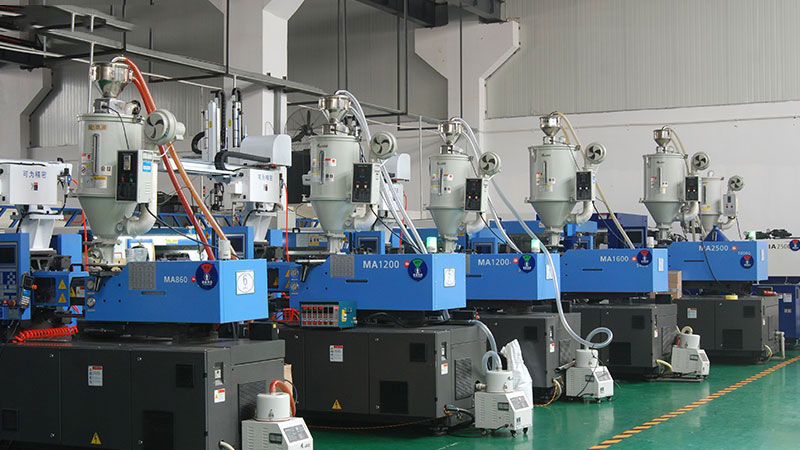
For overseas buyers, sourcing custom metal molds for plastic represents a pivotal strategic decision. It is the foundational step that determines product quality, manufacturing efficiency, and ultimately, market success. China remains the global epicenter for mold manufacturing, offering unparalleled expertise and cost-effectiveness. However, navigating this complex landscape requires updated knowledge and a meticulous approach. This guide provides expert tips and solutions for 2026, designed to help you procure high-quality injection molds with confidence and avoid common pitfalls.
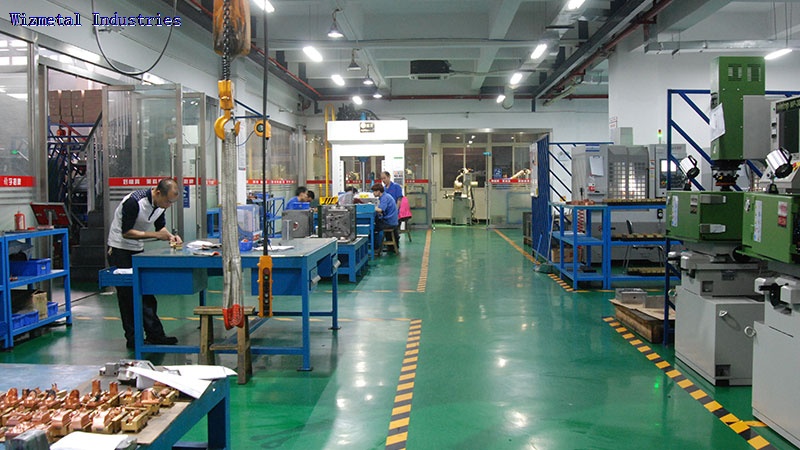
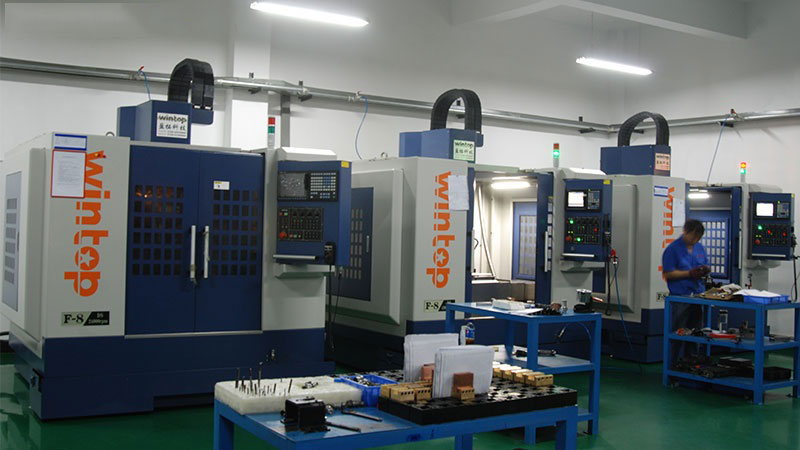
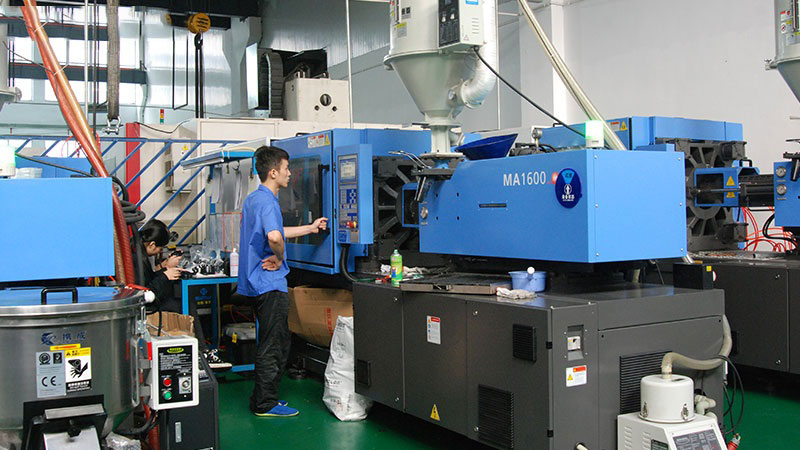
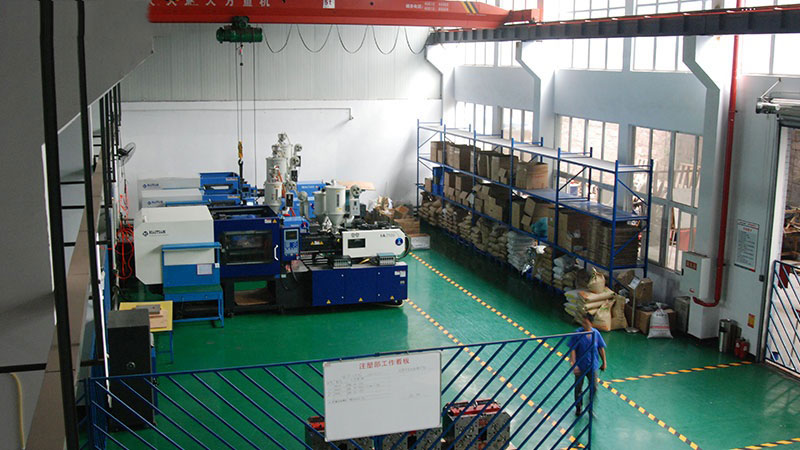
The cornerstone of a successful import project is selecting the right China mold factory. The initial search will yield countless options, making verification critical. Move beyond Alibaba listings and engage in deep supplier verification. Start by analyzing their technical capabilities: request detailed case studies of molds they have built for products similar to yours in complexity and material. A professional supplier will readily provide these. Insist on a video conference to tour their facility virtually; observe their machinery (look for modern CNC, EDM, and high-speed milling equipment), workshop organization, and engineering team. Verify business licenses and export credentials. Furthermore, check for certifications relevant to your market, such as ISO 9001, which indicates a baseline quality management system. This due diligence phase is non-negotiable and filters out traders from true manufacturers.
Once a potential partner is identified, the procurement process must be governed by crystal-clear technical communication. Ambiguity here is the primary cause of costly rework. Develop a comprehensive technical data package. This should include not just 3D CAD files (STEP or IGS format is standard), but also detailed 2D drawings with critical dimensions, tolerances, surface finish specifications (SPI standards), and desired mold material (e.g., P20, H13, S136 steel). Specify the plastic resin, expected annual volume, and cycle time targets. Discuss mold flow analysis upfront; a competent China mold factory will offer this simulation service to predict filling patterns, weld lines, and potential shrinkage before cutting steel. Appointing a single, technically-adept point of contact on your side to manage all communications with the supplier’s project engineer streamlines this process and prevents misinterpretation.
A robust quality control protocol, integrated from the start, is your most powerful tool. Do not treat QC as a final inspection-only activity. Implement staged milestones with deliverables. Key checkpoints include: a design review approval after mold flow analysis, a pre-production meeting to confirm all details, and first article inspection (FAI) using samples from the initial trial (T1). For high-value projects, engage a reputable third-party inspection company in China to conduct an initial sample inspection report (ISIR) and an on-site audit during the T1 trial. They will check critical factors: mold steel hardness, cavity and core dimensions, cooling line pressure tests, and the functionality of sliders and lifters. The samples from the T1 trial must be measured against your product specifications. This proactive approach to quality control identifies issues while the mold is still at the factory, where corrections are most efficient and affordable.
Finally, master the commercial and logistical framework. A transparent and detailed quotation is essential. It should break down costs for mold design, materials, manufacturing, trials, and any ancillary services. Be wary of quotes that seem unusually low; they often indicate subpar materials or hidden costs. Discuss payment terms that balance risk; a common and fair structure is 40% deposit, 50% upon approval of T1 samples, and 10% before shipment. For logistics, understand Incoterms clearly. FOB (Free On Board) is widely used, giving you control over shipping and insurance once the mold leaves the Chinese port. Ensure the supplier provides a complete mold manual, including maintenance instructions, spare parts list, and assembly drawings. Plan for potential future needs by ordering spare components like heaters and cores upfront.
In conclusion, importing custom metal molds for plastic from China in 2026 is a highly viable strategy when executed with precision and foresight. The process hinges on systematic supplier verification, unambiguous technical communication, embedded quality control measures, and clear commercial agreements. By partnering with a professional China mold factory and following these structured steps, you secure not just a tool, but a critical asset for your production line. This disciplined approach mitigates risk, ensures a smoother injection mold launch, and builds a foundation for a reliable, long-term manufacturing partnership that can adapt to the evolving demands of the global market.
Work With Us
As a professional China mold manufacturer, we provide one-stop mold solution for overseas buyers.
📞 Phone: +86-18605944639
💬 WhatsApp: +8618605944639
🌐 Website: bestmoldworks.com
📧 Email: [email protected]