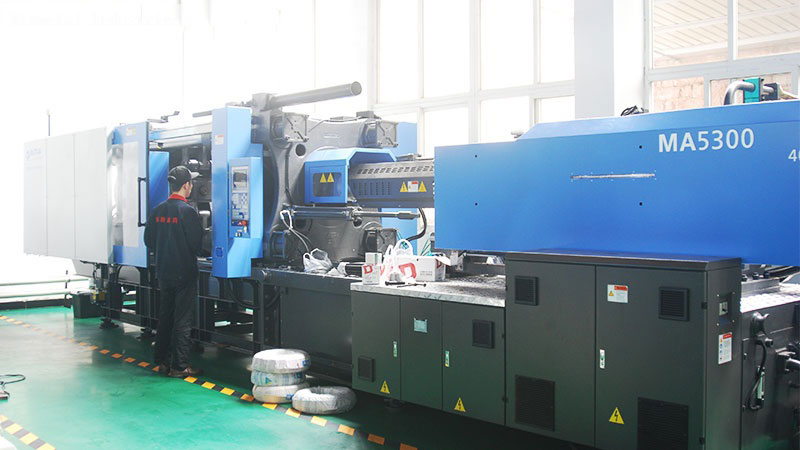
For overseas buyers, the decision to buy injection molds from China represents a significant strategic advantage in terms of cost-efficiency and manufacturing scalability. However, the path to a successful procurement outcome is paved with critical decisions regarding partner selection and process oversight. As we look toward 2026, the landscape is defined by increasingly sophisticated manufacturers and equally sophisticated quality expectations. This guide cuts through the noise to provide a professional, actionable framework for navigating your next mold import project, ensuring you secure not just a competitive price, but enduring value and reliability.
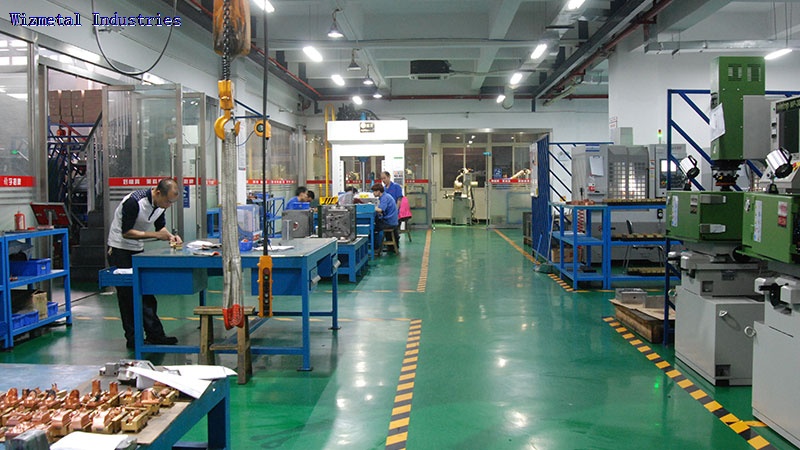
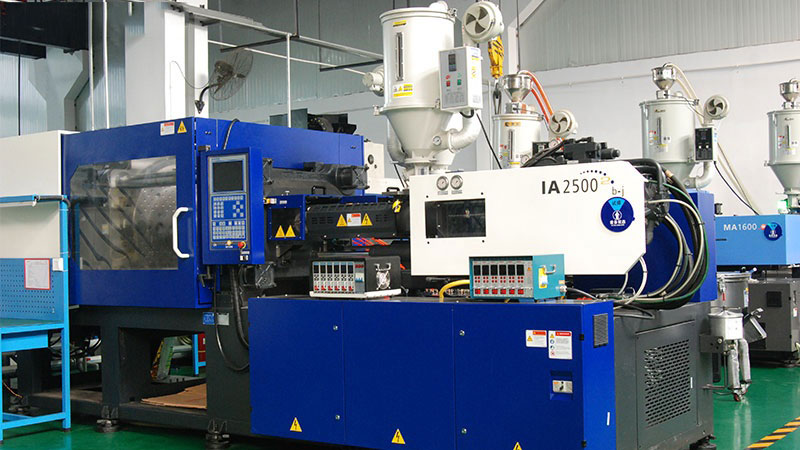
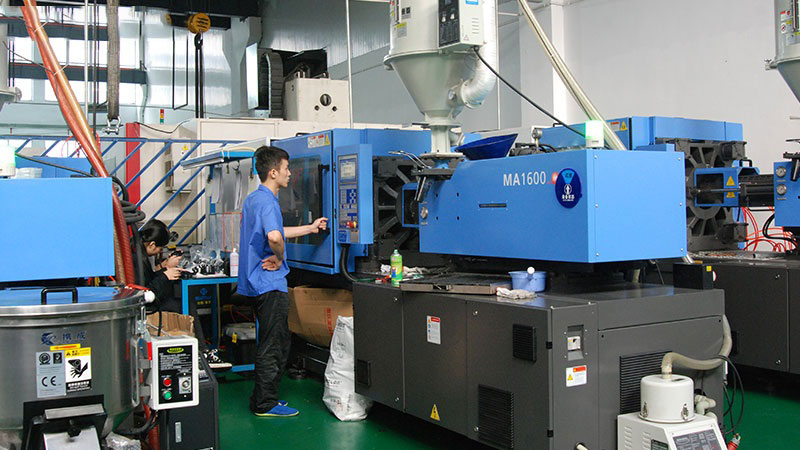
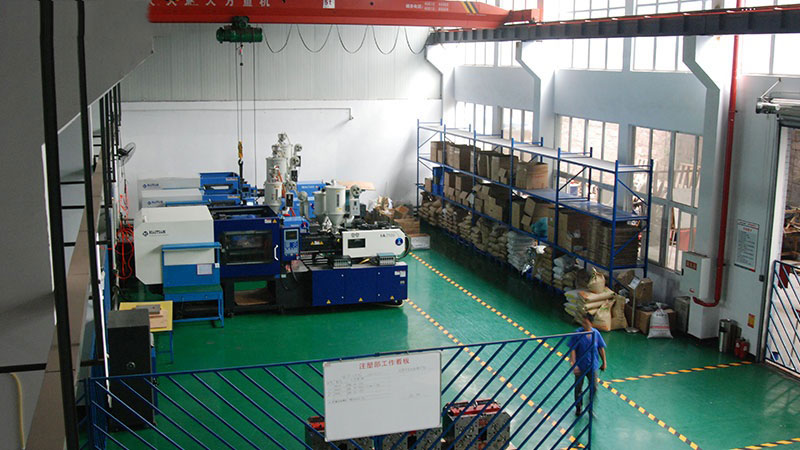
The cornerstone of a successful import project is rigorous supplier verification. Not all China mold factories are created equal, and the lowest quote often carries hidden risks. Begin your search with a focus on specialization. A supplier claiming to make “everything” may master nothing. Seek out factories with demonstrable experience in your specific industry, whether automotive components, medical devices, consumer electronics, or precision gears. Utilize B2B platforms like Made-in-China.com or Global Sources for initial long-listing, but move quickly to deeper due diligence. Essential verification steps include a formal business license check, factory audit reports (ISO 9001 certification is a baseline), and a thorough review of their portfolio. Request and actually contact past overseas clients. In 2026, a reputable injection mold supplier will transparently offer virtual factory tours via video call, allowing you to inspect their machinery, workshop organization, and quality control stations in real-time.
Once a potential partner is identified, defining and agreeing upon technical specifications becomes the most critical phase. Ambiguity here is the primary cause of project failure. Your Request for Quotation (RFQ) package must be exhaustive. Beyond part drawings, include material specifications (grade and brand of steel, e.g., P20, 718, S136), expected cavitation, surface finish requirements (SPI standards), tolerance levels, and estimated production volume. Clearly state all post-mold operations like texturing, assembly, or hot runner requirements. A professional China mold factory will review this package and engage in technical clarification meetings, not just return a price. They should propose a mold flow analysis (MFA) report. Insist on this. An MFA simulates the plastic filling process, identifying potential defects like weld lines, air traps, or sink marks before steel is ever cut. This proactive engineering step, standard among top suppliers, saves weeks of rework and cost overruns.
The true test of a partnership unfolds during the manufacturing process, making structured quality control (QC) non-negotiable. Do not operate on a “black box” model where you only see the finished product. Implement staged inspection milestones. Key checkpoints include a First Article Inspection (FAI) after the mold base is procured, a critical dimension check after CNC machining, and a pre-assembly review. The most important is the Trial Run (T1) Report. You or a trusted third-party inspection agency must be present for, or receive comprehensive documentation of, the first shots from the mold. This report should include photos, video of the process, measurements of sample parts using CMM (Coordinate Measuring Machine) data, and a detailed analysis of any issues. In 2026, leading suppliers integrate digital QC tools, providing cloud-based access to real-time inspection data and dashboards. This transparency allows for collaborative problem-solving and ensures the final deliverable matches the agreed specifications precisely.
Navigating logistics, payment, and intellectual property (IP) protection requires a strategic framework. Use secure, escrow-based payment terms linked to project milestones (e.g., 30% deposit, 40% after T1 approval, 30% before shipment). This aligns incentives and protects both parties. For IP, a robust Non-Disclosure Agreement (NDA) and Product Confidentiality Agreement are essential before sharing any designs. While Chinese law offers IP protection, practical enforcement starts with your contract. Specify that all molds, designs, and tooling are your exclusive property. Consider engraving unique serial numbers on the mold itself. For logistics, Incoterms 2024 rules are vital. For high-value molds, CIP (Carriage and Insurance Paid To) or DAP (Delivered at Place) to your destination port are often preferable, giving you more control over the final shipping leg and insurance. Factor in lead times for sea freight and customs clearance in your project timeline.
The journey to buy injection mold from China successfully is a systematic process of verification, specification, validation, and protection. The best suppliers in 2026 are not just workshops; they are engineering partners who embrace transparency and invest in the technology and processes that build buyer confidence. By prioritizing a factory’s technical communication and QC protocols over the bottom-line price alone, you transform your procurement from a transactional cost-center into a strategic investment. The goal is a mold that not only produces perfect parts today but does so reliably for millions of cycles, providing a tangible return on investment and a solid foundation for your production needs. With this disciplined approach, you can confidently leverage the expertise of Chinese mold manufacturing to achieve global competitiveness.
Work With Us
As a professional China mold manufacturer, we provide one-stop mold solution for overseas buyers.
📞 Phone: +86-18605944639
💬 WhatsApp: +8618605944639
🌐 Website: bestmoldworks.com
📧 Email: [email protected]