Author: moldcustomization

  • OEM mold: Expert Tips & Solutions 2026 | China Mold Factory

    For overseas buyers, partnering with a China mold factory for OEM mold production represents a strategic move to leverage advanced manufacturing capabilities and significant cost advantages. However, navigating this complex landscape requires more than just finding the lowest quote. The true challenge lies in securing a high-quality, reliable injection mold that meets exact specifications, delivered on time, and within budget. This guide provides actionable, professional solutions for 2026, designed to help you mitigate risks and build successful, long-term partnerships with Chinese mold manufacturers.

    Conducting Rigorous Supplier Verification Beyond Surface-Level Checks

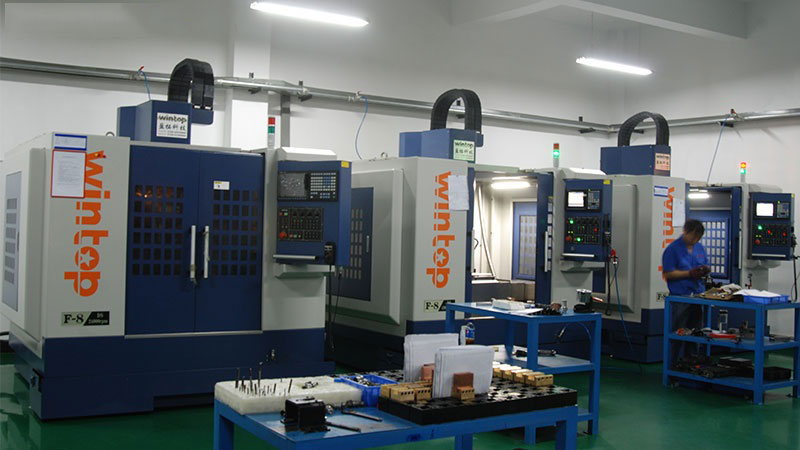
    The foundation of a successful import project is a thoroughly vetted supplier. In 2024, moving beyond Alibaba listings and basic website reviews is non-negotiable. Start by verifying the factory’s business license and official registration details. Request a virtual factory tour via video call; a reputable China mold factory will readily showcase their shop floor, machinery (look for CNC, EDM, and CMMS equipment), and ongoing projects. Crucially, ask for and contact past overseas clients for direct references. Inquire about their experience with communication, problem-solving, and post-sales support. Furthermore, assess their engineering capability by discussing a past complex project—their approach to design for manufacturability (DFM) will reveal their technical depth. This due diligence phase is your primary filter to separate trading companies from genuine manufacturers and to identify partners capable of delivering a precision OEM mold.

    Mastering the Technical and Commercial Procurement Dialogue

    Effective procurement hinges on clear, unambiguous communication. When requesting a quote, provide a comprehensive package: detailed 3D drawings (STEP or IGS format), 2D technical drawings with GD&T tolerances, material specifications (e.g., P20, H13, Stainless 420), and expected production volume. Clearly state all requirements for the injection mold, including cavity number, lifecycle expectations, cooling system preferences, and surface finish (SPI standards). Discuss and agree upon a milestone-based payment schedule (e.g., 30% deposit, 40% after T1 sample approval, 30% before shipment). Always use a detailed Proforma Invoice (PI) and a legally vetted contract that covers intellectual property (IP) ownership, confidentiality, delivery terms (Incoterms 2020), and liability for delays or defects. This professional approach sets clear expectations and minimizes the potential for costly misunderstandings.

    Implementing Proactive and Multi-Stage Quality Control

    Waiting to inspect the finished mold is a high-risk strategy. Implement a structured QC process throughout the manufacturing journey. After design finalization, insist on a formal Design for Manufacturability (DFM) report and mold flow analysis to preemptively address potential filling or cooling issues. Key inspection points should include: material certification for mold steel, inspection of core and cavity machining (using shared CMM reports and photos), and a pre-assembly check. The most critical stage is the Trial Run (T1) sample evaluation. Do not approve shipment until you have received actual sample parts, full trial report data (including cycle time, parameters), and high-definition videos of the trial process. For high-value projects, hiring a local third-party quality inspection agency for a Factory Acceptance Test (FAT) provides an objective, professional assessment before the mold leaves the factory.

    Navigating Logistics, IP Protection, and Long-Term Partnership

    Finalizing the mold is only part of the journey. Plan logistics in advance; OEM molds are often heavy and shipped via sea freight. Ensure proper crating and insurance are included. For IP protection, while a strong contract is essential, practical steps include splitting mold manufacturing across different suppliers for sensitive components and formally registering designs where possible. Upon receipt, conduct a thorough incoming inspection at your facility. The relationship with your supplier shouldn’t end at delivery. A reliable China mold factory will offer ongoing support for mold maintenance, repair, and potential future modifications. Building this collaborative, long-term relationship transforms a one-time transaction into a valuable strategic asset for your future product development and production needs.

    Conclusion

    Importing an injection mold from China in 2026 demands a disciplined, informed approach centered on verification, clear communication, and proactive quality management. By treating supplier selection as a strategic partnership, mastering the technical procurement process, implementing rigorous multi-stage QC, and planning for the entire product lifecycle, overseas buyers can confidently unlock the immense value offered by Chinese mold manufacturing. The goal is not merely to purchase a tool, but to secure a critical component of your production success, ensuring quality, reliability, and competitive advantage for years to come.

    Work With Us

    As a professional China mold manufacturer, we provide one-stop mold solution for overseas buyers.
    📞 Phone: +86-18605944639
    💬 WhatsApp: +8618605944639
    🌐 Website: bestmoldworks.com
    📧 Email: [email protected]
  • mold factory: Reliable Manufacturers Guide 2026 | China Mold Factory

    For overseas buyers, procuring high-quality molds from China represents a significant strategic advantage, offering unparalleled cost efficiency and manufacturing scale. However, navigating the vast landscape of suppliers to identify a truly reliable partner can be a daunting task fraught with risks. This guide is designed to cut through the noise and provide you with a practical, actionable framework for successful procurement in 2026. We will move beyond simple directory listings to focus on verification processes, quality benchmarks, and relationship management that ensure your project’s success from quotation to production.

    Mastering Supplier Verification and Vetting

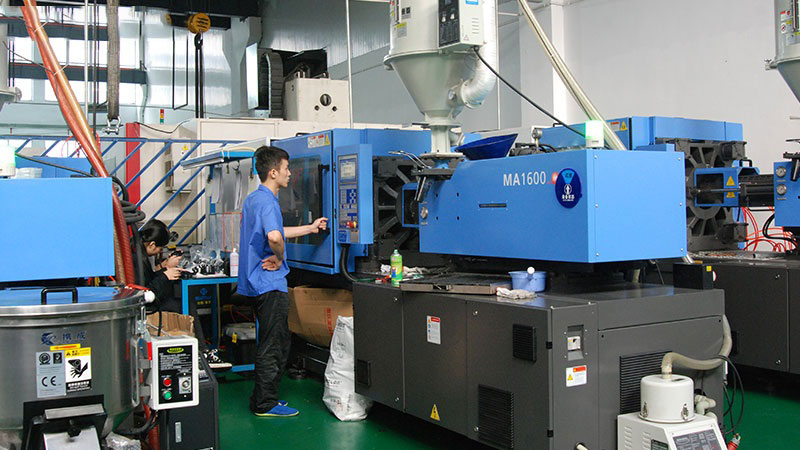
    The first and most critical step is moving beyond Alibaba listings and sales pitches. Effective supplier verification is your primary defense against future problems. Begin by scrutinizing the **China mold factory**’s business licenses and export history; a legitimate manufacturer will readily provide these. However, true verification goes deeper. Insist on a video tour of their facility. A live walkthrough allows you to assess their machinery (look for CNC, EDM, and CMMS equipment), workshop organization, and ongoing projects. Furthermore, investigate their specialization. A factory claiming expertise in both massive automotive **injection molds** and micro-medical molds may be overreaching. Prioritize manufacturers whose portfolio aligns closely with your industry, material experience, and mold complexity. This focused approach in your initial **procurement** phase is invaluable.

    Implementing a Proactive Quality Control Protocol

    Quality cannot be an afterthought; it must be engineered into the process from day one. A reliable **mold factory** will have a transparent Quality Control (QC) system, but you must establish your own checkpoints. Clearly define and agree upon critical dimensions, materials (steel grade like P20, H13, or S136), heat treatment specifications, and surface finish requirements (SPI standards) in your technical agreement. The most effective tool at your disposal is the First Article Inspection (FAI). Plan for an independent third-party inspector or a trusted agent to conduct a comprehensive inspection at the factory upon mold trial completion. This inspection should verify dimensional accuracy using the supplier’s CMM reports, test mold functionality with sample shots, and check for design conformity. This step, though an added cost, prevents exponentially larger losses from defective production runs.

    Navigating Communication and Technical Documentation

    Clear, unambiguous communication is the bedrock of successful mold manufacturing. Overcome language barriers by employing detailed 2D drawings (DWG/DXF) and 3D models (STEP or IGS) as your universal language. Every critical specification must be documented. Assume nothing. Discuss and document gate location, ejection method, cooling channel layout, and expected mold life. Establish regular update schedules—weekly photo or video progress reports are standard for professional factories. Utilize communication tools that support file sharing and record-keeping, such as email or professional project platforms. Appointing a single technical point of contact on both sides streamlines communication and prevents misunderstandings that can lead to costly rework.

    Structuring Contracts and Managing Logistics Intelligently

    A robust contract protects both parties and sets clear expectations. Move beyond a simple Proforma Invoice (PI). Your contract should include payment terms (a common structure is 50% deposit, 40% before shipment, 10% after final approval), a detailed delivery timeline with milestones, warranty clauses covering workmanship and materials (typically 12-18 months), and protocols for handling design changes. Regarding logistics, understand Incoterms thoroughly. While EXW (Ex Works) might seem cheaper, it leaves you responsible for arranging all shipping from the factory door. For most overseas buyers, FOB (Free On Board) is a more manageable choice, where the supplier handles delivery to the port and you manage the sea freight. Factor in lead times for sea shipping and customs clearance in your overall project timeline.

    Building a Partnership for Long-Term Success

    View your selected **China mold factory** not as a one-time vendor, but as a long-term strategic partner. A successful initial project paves the way for smoother future collaborations. Provide constructive feedback and be a reasonable client with clear requirements. Reliable manufacturers value long-term relationships and will often prioritize your projects and offer more favorable terms for repeat business. Consider visiting the factory in person for major projects; the relationship built face-to-face is irreplaceable. This partnership mindset transforms your **procurement** from a transactional cost-center into a value-driven component of your supply chain resilience.

    Conclusion

    Importing molds from China in 2026 demands a blend of diligent verification, embedded quality control, precise communication, and strategic partnership. By implementing the actionable steps outlined in this guide—from conducting thorough **supplier verification** to insisting on pre-shipment inspections—you significantly mitigate risk and position your project for success. The goal is to transform the inherent complexity of overseas **injection mold** manufacturing into a reliable, competitive advantage for your business. By approaching the process with preparation and professionalism, you can confidently leverage the expertise and capability of China’s mold manufacturing sector to achieve exceptional quality and value.

    Work With Us

    As a professional China mold manufacturer, we provide one-stop mold solution for overseas buyers.
    📞 Phone: +86-18605944639
    💬 WhatsApp: +8618605944639
    🌐 Website: bestmoldworks.com
    📧 Email: [email protected]
  • customized plastic mould Manufacturerturer in China: Ex 2026

    For overseas buyers, sourcing a reliable customized plastic mould manufacturer in China represents a significant strategic advantage, offering unparalleled cost efficiency, advanced manufacturing capabilities, and scalable production. However, navigating this complex landscape in 2026 requires updated knowledge and a meticulous approach to mitigate risks and ensure a successful partnership. This guide provides actionable, professional insights to help you procure high-quality injection molds from China with confidence, focusing on practical solutions for verification, communication, and quality assurance.

    Conducting Thorough Supplier Verification and Due Diligence

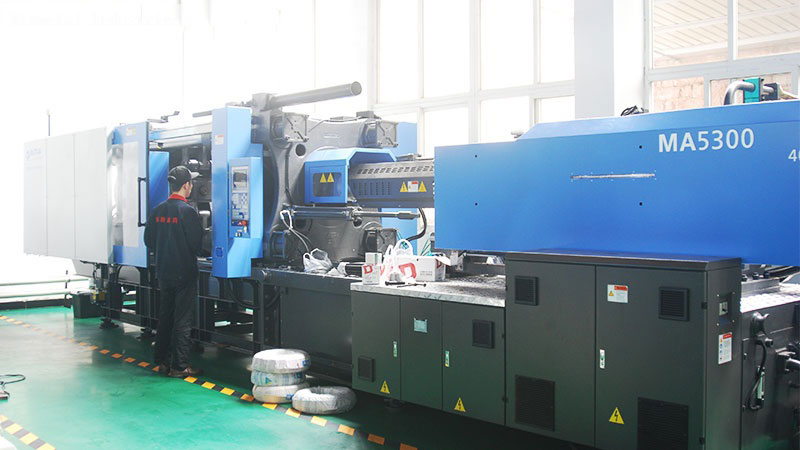
    The foundation of a successful import project is a thoroughly vetted China mold factory. In 2026, basic online directories are insufficient. Begin with a multi-platform verification strategy. Scrutinize the manufacturer’s official website for technical white papers, detailed case studies, and engineering-focused content rather than generic sales pitches. Utilize international B2B platforms to examine transaction histories and client reviews, but go further. Request a business license copy and verify it through third-party services. The most critical step is to conduct a virtual or, ideally, in-person audit. A professional audit should inspect the factory floor, measure key machinery (such as CNC, EDM, and injection molding machines), and evaluate the engineering team’s expertise. This due diligence directly addresses the core risk of engaging an unqualified partner and is non-negotiable for serious procurement.

    Mastering Technical Communication and RFQ Precision

    Ambiguity in technical specifications is the primary cause of cost overruns, delays, and non-conforming molds. To engage effectively with a customized plastic mould manufacturer in China, your Request for Quotation (RFQ) must be exceptionally detailed. Beyond providing a 3D CAD model (STEP or IGS format), include a comprehensive mold specification sheet. This document should specify the mold base standard (DME, HASCO, or LKM), steel grade for core and cavity (e.g., P20, H13, S136), surface finish requirements (SPI standards), cooling channel layout, ejection system design, and expected cycle time. Clearly state part material, expected annual volume, and cosmetic requirements. Precise communication at this stage aligns expectations, allows for accurate comparative quoting, and demonstrates your professionalism, which in turn attracts serious manufacturers.

    Implementing a Phased Payment and Quality Control Protocol

    Financial terms and quality control are intrinsically linked. A standardized payment structure for 2026 should be milestone-based, such as 30% upon order confirmation, 40% after approval of mold design and T1 sample, and 30% after final sample approval and before shipment. This structure protects both parties. Concurrently, implement a staged quality control plan. Demand design review meetings before machining begins. Insist on in-process inspection reports, including photos or videos of critical stages like copper electrode machining, cavity polishing, and mold assembly. The most critical phase is the Trial Run Report (T1 sample). You should receive sampled parts, a full report detailing machine parameters, and a dimensional inspection sheet. For high-volume or critical parts, consider hiring a third-party quality inspection firm in China to conduct a pre-shipment audit at the factory. This proactive quality control mitigates the risk of receiving a non-functional mold.

    Navigating Logistics, IP Protection, and Long-Term Partnership

    Finalizing the mold is only part of the journey. Clarify incoterms (EXW, FOB, CIF) explicitly in your contract. For FOB terms, ensure you have a reliable freight forwarder. Molds are heavy and high-value; ensure proper crating and marine insurance are secured. Intellectual Property protection remains a paramount concern. A robust contract must include a confidentiality clause (NDA) and clearly state that all mold and part design IP remains your property. Some buyers choose to retain the physical mold base while only outsourcing the cavity and core machining for added security. Viewing your chosen China mold factory as a long-term technical partner, not just a vendor, yields greater value. A trustworthy partner will offer insights on design for manufacturability (DFM), suggest material alternatives, and provide ongoing maintenance support, transforming your procurement from a transaction into a strategic asset.

    Conclusion

    Importing injection molds from China in 2026 is a process that rewards diligence, technical clarity, and strategic partnership. By executing rigorous supplier verification, mastering technical communication, enforcing phased payments with integrated quality control, and safeguarding your intellectual property, you can effectively leverage China’s manufacturing prowess. The goal is to build a transparent, professional relationship with a competent customized plastic mould manufacturer in China. This approach transforms the inherent challenges of overseas procurement into a reliable pipeline for high-quality, cost-effective tooling, directly contributing to your product’s success and competitive edge in the global market.

    Work With Us

    As a professional China mold manufacturer, we provide one-stop mold solution for overseas buyers.
    📞 Phone: +86-18605944639
    💬 WhatsApp: +8618605944639
    🌐 Website: bestmoldworks.com
    📧 Email: [email protected]
  • mold Manufacturerturer: Reliable Manufacturers Guide 2026

    For overseas buyers, sourcing precision tooling from China represents a significant opportunity for cost efficiency and advanced manufacturing capability. However, the journey from identifying a potential China mold factory to receiving a flawless injection mold is fraught with complexity. The core challenge is not finding a manufacturer, but verifying a reliable partner who can deliver consistent quality, maintain clear communication, and uphold professional project management. This guide for 2026 cuts through the noise to provide a structured, actionable framework for your procurement success, focusing on practical steps for supplier verification and robust quality control.

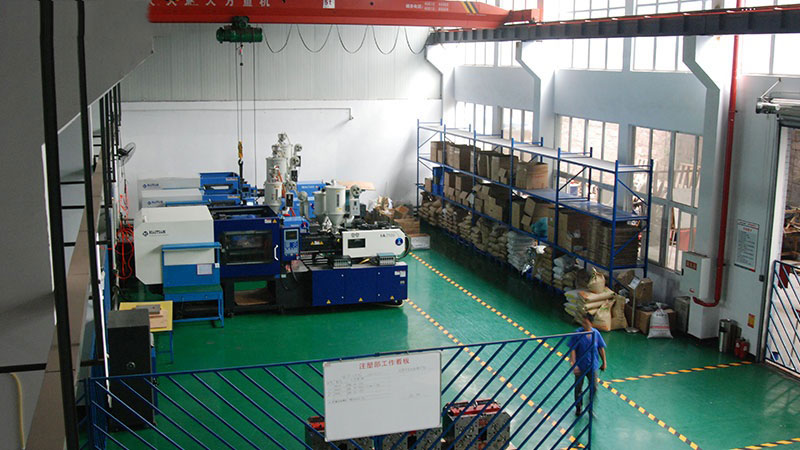
    The foundation of a successful import project is thorough supplier verification, which must extend far beyond a basic website check. In 2026, due diligence is multi-layered. Start with a deep dive into the manufacturer’s technical specializations. A factory proficient in large automotive molds may not be the best fit for intricate micro-medical components. Request and meticulously review their portfolio, asking for specific case studies related to your industry. Subsequently, leverage modern verification tools: use video calls to conduct virtual factory tours, insist on seeing live production floors and quality labs rather than staged presentations. Crucially, verify business licenses and export credentials through third-party platforms. Furthermore, ask for and actually contact past international clients. A reputable China mold factory will have references willing to discuss their experience regarding communication, problem-solving, and post-sales support. This stage is about building evidence of capability and reliability before any financial commitment.

    Once a potential partner is shortlisted, mastering the technical and commercial discussion is critical. Your request for quotation (RFQ) package must be exceptionally detailed to avoid ambiguity. Beyond part drawings, include a comprehensive specification covering mold steel grade (e.g., pre-hardened 718H vs. hardened S136), surface finish requirements, cavity numbering, and expected lifecycle. Clearly state all part materials, as this directly influences mold design, cooling, and gate types. For injection mold procurement, explicitly discuss lead time breakdowns, payment terms (avoiding excessive upfront payments), and the protocol for design reviews. A professional manufacturer will actively engage with your RFQ, asking clarifying questions and suggesting design for manufacturability (DFM) improvements. Their responsiveness and technical suggestions at this stage are strong indicators of their expertise and collaborative approach. Treat the quotation not just as a price list, but as a reflection of their understanding and thoroughness.

    Proactive quality control, integrated from the very first step, is non-negotiable. Agree on a staged inspection and reporting protocol before the contract is signed. This should include at least three critical checkpoints: a design review after 3D mold modeling, a First Article Inspection (FAI) when the initial mold trial samples are produced, and a pre-shipment inspection of the final mold. For the FAI, specify that samples must be produced on a machine comparable to your production press, using the correct material. All dimensional reports, material certificates, and hardness test results should be part of the deliverable package. For high-value projects, consider engaging a local third-party quality inspection firm familiar with mold manufacturing to conduct the FAI or pre-shipment inspection. This objective oversight provides an additional layer of security. Remember, quality control is a process, not a single event; it must be contractually defined and funded as part of the total project cost.

    Effective project management and clear communication protocols are what transform a transactional purchase into a successful partnership. Establish a single point of contact on both sides who is technically competent. Utilize collaborative platforms for sharing drawings and updates, ensuring version control. Schedule regular update meetings—weekly or bi-weekly—with a standardized agenda and shared minutes. A professional mold manufacturer will provide transparent progress tracking, often with photos or short videos at key milestones like steel milling, electrical discharge machining (EDM), and assembly. Furthermore, explicitly discuss and agree upon terms for post-delivery support. What is the warranty period? How are repair requests or spare components handled? Having these terms documented mitigates future disputes and ensures long-term operational reliability for your injection mold.

    The final logistical and financial considerations are pivotal. Understand Incoterms 2020 thoroughly; FOB (Free On Board) is common, but you must clarify responsibilities for inland freight, port charges, and documentation. Ensure the manufacturer has experience preparing all necessary export documents correctly. For mold shipment, professional crating is essential to prevent damage—specify this requirement. On the financial side, use secure payment methods. A common and balanced structure is 30-40% deposit, 40-50% after approval of sample parts, and 10-20% balance before shipment. Always use a bank transfer with verifiable company details that match your contract. Consider trade assurance platforms for an added layer of payment protection, especially for first-time collaborations.

    Importing molds from China in 2026 demands a strategic, informed approach that prioritizes verification, clear communication, and embedded quality control. The landscape is competitive, and the most reliable partners are those who welcome scrutiny and operate with transparency. By methodically implementing the steps outlined—from deep supplier vetting and detailed RFQs to staged inspections and strong project governance—you significantly de-risk your procurement process. The goal is to move beyond finding just any supplier to forging a partnership with a competent mold manufacturer who becomes a true extension of your engineering and production team. This disciplined approach is your blueprint for securing high-quality tooling that delivers value and performance for years to come.

    Work With Us

    As a professional China mold manufacturer, we provide one-stop mold solution for overseas buyers.
    📞 Phone: +86-18605944639
    💬 WhatsApp: +8618605944639
    🌐 Website: bestmoldworks.com
    📧 Email: [email protected]
  • custom plastic injection mold Manufacturerturer: Prof 2026

    For overseas buyers, sourcing a custom plastic injection mold manufacturer is a critical strategic decision that directly impacts product quality, time-to-market, and overall project cost. As we look toward 2026, the landscape of manufacturing in China continues to evolve, offering unparalleled expertise and value, yet presenting familiar challenges in supplier verification and quality assurance. This guide is designed to cut through the noise and provide a professional, actionable framework for successfully partnering with a China mold factory. We will move beyond superficial advice and delve into the practical steps that separate successful, long-term partnerships from costly procurement mistakes.

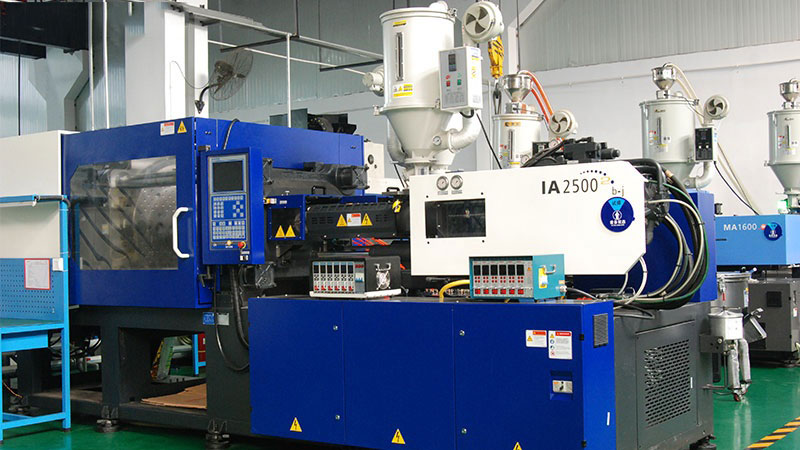
    The foundation of a successful import project lies in meticulous supplier verification. The term “manufacturer” can be misleading, as many traders act as intermediaries. Your first actionable step is to conduct thorough due diligence. Begin by verifying business licenses and requesting official company registration details. Utilize video conferencing tools to request real-time virtual factory tours; a reputable injection mold supplier will readily showcase their shop floor, machinery, and engineering department. Pay close attention to the types of presses and CNC equipment, as this indicates their capability range. Furthermore, request and contact references from their existing overseas clients, specifically those in your region or industry. In 2026, transparency is non-negotiable, and a professional custom plastic injection mold manufacturer will understand and facilitate this level of scrutiny as a standard part of the procurement process.

    Once a potential partner is vetted, the focus must shift to precision in technical communication. Ambiguity in design specifications is the primary cause of mold rework, delays, and cost overruns. To solve this, develop and insist on a comprehensive Technical Requirement Document. This should go beyond just providing a 3D CAD file of the final part. Include detailed material specifications, expected annual volumes, cosmetic requirements, tolerance standards, and gate location preferences. Clearly outline the mold base standard, cooling channel design, and expectations for mold flow analysis reports. Effective communication with your China mold factory involves using visual aids—annotated screenshots, marked-up drawings, and even physical samples of similar products. Establishing a single point of contact on both sides who is technically fluent ensures that requirements are not lost in translation.

    Implementing a structured, multi-stage quality control protocol is your most powerful tool for risk mitigation. Do not treat quality inspection as a single event that occurs after production. Instead, integrate it into the timeline. Key inspection milestones should include a formal Design for Manufacturability review, a first article inspection report from the steel mold, and pre-shipment sampling from the trial shots using production-grade material. For critical projects, consider engaging a local third-party quality control agency to conduct these inspections on your behalf. Their objective report on dimensions, surface finish, and part functionality provides an essential layer of oversight. This proactive approach to quality control allows for corrections during the manufacturing process, preventing the arrival of a non-conforming mold at your facility, which would result in exponential delays and costs.

    Navigating logistics and understanding the total cost of ownership are final, crucial considerations. A professional quotation from a custom plastic injection mold manufacturer should be detailed, breaking down costs for design, mold base, cavity and core machining, trials, and documentation. Be wary of abnormally low bids, as they often signal compromises in steel quality, craftsmanship, or necessary testing. For logistics, discuss incoterms explicitly—FOB is commonly preferred as it gives you control over shipping and insurance once the mold leaves the factory. Ensure the supplier has experience in proper mold packaging for ocean freight to prevent rust or damage. Finally, clarify post-sales support: what is the warranty period for workmanship? How are repair requests or design modifications handled after the mold is in production? A reliable partner will have clear policies for ongoing support.

    In conclusion, procuring an injection mold from China in 2026 demands a blend of rigorous process and strategic partnership. The journey from concept to a perfect production mold hinges on systematic supplier verification, unambiguous technical communication, embedded quality control checks, and clear commercial terms. By adopting this professional framework, overseas buyers can confidently leverage the advanced capabilities and cost efficiencies offered by top-tier Chinese mold factories. The goal is to transform a complex international procurement challenge into a streamlined, predictable, and successful collaboration that delivers a high-quality tool, on time and on budget, forming the foundation for your product’s success in the global marketplace.

    Work With Us

    As a professional China mold manufacturer, we provide one-stop mold solution for overseas buyers.
    📞 Phone: +86-18605944639
    💬 WhatsApp: +8618605944639
    🌐 Website: bestmoldworks.com
    📧 Email: [email protected]
  • injection molding: Ultimate Guide for Buyers 2026 | China Mold Factory

    For overseas buyers, sourcing injection molds from China represents a significant strategic advantage, offering unparalleled cost efficiency and manufacturing scalability. However, navigating this complex landscape requires more than just finding the lowest quote. The true challenge lies in transforming this potential into a reliable, high-quality supply chain asset. This definitive guide for 2026 cuts through the noise to provide a professional, actionable framework for procurement success. We will move beyond basic directories to focus on systematic supplier verification, robust quality control protocols, and strategic partnership building with a China mold factory.

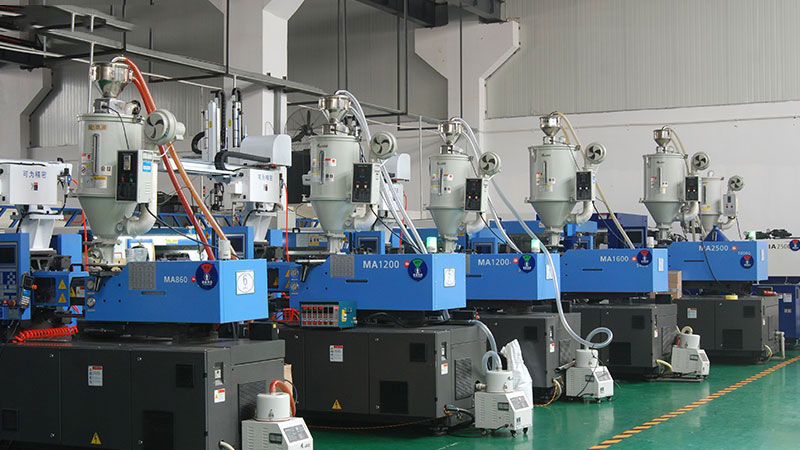
    The cornerstone of a successful import project is selecting the right partner, not just the cheapest vendor. Begin your supplier verification with a multi-layered due diligence process. First, leverage digital verification tools: scrutinize the factory’s official business licenses, assess their Alibaba Gold Supplier status depth (how long they’ve maintained it), and use satellite mapping to verify factory size and location. However, digital checks are merely the first step. For critical projects, an in-person or professionally conducted third-party audit is non-negotiable. During such audits, focus on their engineering team’s capability, the maintenance level of their CNC, EDM, and mold polishing workshops, and their project management workflow. Ask for detailed resumes of key engineers and request to see past project portfolios that match your product’s complexity. A professional China mold factory will transparently showcase its process, not just its finished products.

    Once a potential partner is identified, mastering the technical and commercial communication phase is vital. Provide a comprehensive Request for Quotation (RFQ) package. This should include not only 3D drawings (STEP or IGS format) and 2D specifications with critical tolerances but also details on intended material, annual volume expectations, and target part cost. Clearly communicate your expectations for mold lifespan (e.g., 500,000 shots) and required certifications. During discussions, delve into their design-for-manufacturability (DFM) process. A competent supplier will proactively provide a DFM report, suggesting modifications to improve mold flow, reduce warpage, and simplify tooling to save you cost and future headache. This collaborative approach in the design phase is a key indicator of a partner invested in your long-term success, not just a one-time transaction.

    Implementing rigorous, staged quality control is the most effective strategy to mitigate risk and avoid costly defects. Quality assurance must be integrated throughout the entire injection mold manufacturing cycle, not just as a final inspection. Insist on milestone inspections. The first article inspection (FAI) after mold trial is critical. This is where you verify dimensional accuracy against the CAD data using a Coordinate Measuring Machine (CMM) report. Additionally, require a sample batch from the production process for functional and fit testing. For ongoing assurance, define a clear quality control plan that may include periodic production audits and pre-shipment inspections for mass production runs. Remember, investing in proactive QC with a trusted partner safeguards your brand reputation and prevents exponential losses from faulty products reaching your market.

    Finally, view your procurement journey as building a strategic partnership. Legal and logistical foresight is essential. Ensure a detailed, clear contract covers intellectual property (IP) rights, specifying that all mold design and tooling belong to you upon final payment. Terms for mold modification costs, warranty period (typically 1-2 years against workmanship and material defects), and payment schedules (e.g., 50% deposit, 40% after sample approval, 10% after shipment) must be explicitly stated. Furthermore, discuss their experience with export logistics. A seasoned supplier will expertly handle mold crating, export documentation, and can recommend reliable freight forwarders, ensuring your valuable asset arrives safely and efficiently at your designated facility.

    In conclusion, importing injection molds from China in 2026 demands a disciplined, informed approach that prioritizes partnership and process over price alone. By executing thorough supplier verification, engaging deeply in technical collaboration, enforcing staged quality control, and solidifying agreements with clear contracts, you transform the inherent challenges of overseas procurement into a formidable competitive edge. The goal is to move beyond being a mere buyer to becoming a valued client for a professional China mold factory. This strategic alignment ensures not only the successful launch of your current product but also establishes a reliable foundation for all future innovation and manufacturing needs. Embrace this framework to unlock the full potential of Chinese mold manufacturing with confidence and clarity.

    Work With Us

    As a professional China mold manufacturer, we provide one-stop mold solution for overseas buyers.
    📞 Phone: +86-18605944639
    💬 WhatsApp: +8618605944639
    🌐 Website: bestmoldworks.com
    📧 Email: [email protected]
  • Mold customization online: Best Suppliers & Quality C 2026

    For overseas buyers, the prospect of importing molds from China presents a compelling value proposition: access to advanced manufacturing capabilities, significant cost advantages, and scalable production. However, the journey from a digital design to a precision tool arriving at your dock is fraught with potential pitfalls. The modern solution, **mold customization online**, has transformed procurement, but it demands a new set of strategic skills to execute successfully. As we look toward 2026, the landscape is defined by digital integration and heightened quality expectations. This guide provides actionable, professional insights to navigate the online ecosystem, identify the best partners, and implement robust quality control for your next project.

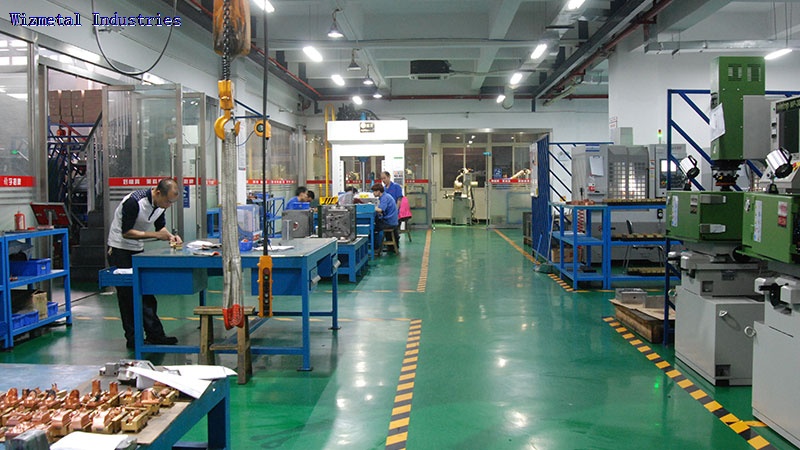
    The cornerstone of successful online procurement is rigorous supplier verification. A professional website and responsive sales team are merely the entry point. To truly assess a potential China mold factory, you must delve deeper. Begin by verifying business licenses and export credentials. Request and scrutinize a detailed company profile that outlines their specific engineering expertise, whether in complex injection molds, multi-cavity systems, or large-format tooling. The most critical step is to examine their project portfolio. A reliable supplier will readily share case studies, videos of mold trials, and even connect you with previous international clients with your permission. For 2026, prioritize partners who transparently showcase their shop floor through virtual factory tours or live video feeds, providing undeniable proof of their machinery and workshop conditions.

    Once a shortlist of qualified suppliers is established, the focus shifts to mastering the technical and commercial dialogue. A precise Request for Quotation (RFQ) is your most powerful tool. This document must extend beyond part drawings and include the mold specification: steel grade (e.g., P20, H13, Stainless), lifetime expectations (number of shots), cavity requirements, cooling layout preferences, and ejection system specifics. For injection mold projects, clearly state the intended resin, part volume, and required cycle time. This clarity prevents misunderstandings and allows for accurate, comparable quotes. During negotiations, dissect the cost breakdown. Understand what is included—design, materials, trial reports, maintenance—and what might be extra. The best suppliers for 2026 will offer collaborative engineering feedback at this stage, suggesting design for manufacturability (DFM) optimizations that enhance mold longevity and part quality, proving their value as engineering partners, not just vendors.

    Proactive and structured quality control is non-negotiable and must be planned from the contract stage. The contract should explicitly define quality milestones and inspection rights. Key checkpoints include a pre-production design review, a First Article Inspection (FAI) report for the mold steel and components, and, most crucially, the mold trial. Insist on a comprehensive Trial Sample Report (TSR) that includes data on process parameters, part measurements (with CMM reports), and high-resolution photos and videos of the molding process and finished parts. For 2026, leverage technology: mandate that your China mold factory uses cloud-based platforms for sharing inspection data and schedules. For high-value tools, consider engaging a local third-party quality inspection agency for critical stage audits. This layered approach to quality control mitigates risk and ensures the final tool meets your exact specifications before shipment.

    The final phase encompasses logistics, intellectual property (IP) protection, and long-term partnership. Ensure your supplier has experience in export packing—molds should be crated, vacuum-sealed, and protected from rust for ocean freight. Clarify incoterms (e.g., FOB, EXW) and responsibilities for shipping and insurance. IP protection remains a paramount concern. A robust Non-Disclosure Agreement (NDA) is essential, but also work with suppliers who demonstrate professional integrity by compartmentalizing projects. Discuss post-sales support upfront. Will they store the mold design? What are the terms for future maintenance or modifications? The best suppliers in 2026 will offer transparent service agreements and be prepared for a collaborative, long-term relationship, understanding that successful mold customization online leads to repeat business and referrals.

    In conclusion, mastering **mold customization online** is a strategic imperative for overseas buyers aiming to leverage Chinese manufacturing excellence in 2026 and beyond. The process transcends simple price comparison; it is a disciplined cycle of verification, clear communication, controlled quality, and strategic partnership. By meticulously vetting your China mold factory, issuing detailed RFQs, implementing staged quality control checkpoints, and securing your investment through clear contracts, you transform a complex procurement challenge into a competitive advantage. The future belongs to buyers who approach online mold procurement with professional rigor, partnering with suppliers who demonstrate not just technical capability but also transparency and a commitment to shared success. This methodology is your blueprint for securing the best suppliers and achieving unparalleled quality control in the evolving digital manufacturing landscape.

    Work With Us

    As a professional China mold manufacturer, we provide one-stop mold solution for overseas buyers.
    📞 Phone: +86-18605944639
    💬 WhatsApp: +8618605944639
    🌐 Website: bestmoldworks.com
    📧 Email: [email protected]

  • injection molds for plastic part: Professional Buying 2026

    For overseas businesses, procuring high-quality injection molds for plastic part production from China remains a cornerstone strategy for maintaining competitive advantage. The landscape, however, is constantly evolving. What worked in 2020 is insufficient for 2026. This guide cuts through the noise to provide a professional, actionable framework for your procurement strategy. We move beyond simple supplier lists to address the core challenges of technical alignment, verification, and risk management, ensuring your next project delivers precision, value, and reliability.

    Mastering the Technical Dialogue and RFQ Process

    The foundation of a successful project is a precise and unambiguous technical dialogue. A vague request leads to misunderstandings, cost overruns, and delayed timelines. Before contacting any China mold factory, internal preparation is critical. Develop comprehensive documentation including a detailed 3D part design (STEP or IGS format), 2D drawings with GD&T tolerances, material specifications, and expected annual volumes. Clearly state part function, cosmetic requirements (e.g., SPI finish standards), and critical dimensions. For your injection mold, specify requirements such as mold base standard (LKM, HASCO, DME), steel grade (e.g., P20, H13, S136 for corrosion resistance), cavity number, and expected cycle time. This precision allows suppliers to provide comparable and accurate quotations, separating serious partners from those who compete solely on misleading low initial price points.

    Strategic Supplier Verification Beyond Alibaba

    Finding a supplier in 2026 requires a multi-channel, verification-heavy approach. While B2B platforms are a starting point, they are not the finish line. Professional procurement now involves deeper due diligence. Utilize industry-specific directories, attend specialized trade shows like Chinaplas, and seek referrals from your network. The critical step is verification. Scrutinize the supplier’s portfolio for projects similar in complexity and industry to yours. Insist on a virtual or, ideally, an in-person factory audit. Key audit points include inspecting CNC, EDM, and CMM machinery, assessing the mold trial area with injection molding machines, and reviewing their quality control protocols. Verify their export experience and communication structure. A professional China mold factory will have dedicated project managers and engineers who can communicate in technical English, mitigating a major risk point for overseas buyers.

    Implementing Tiered Quality Control and Milestone Payments

    Quality control cannot be an afterthought; it must be engineered into the procurement contract and payment schedule. Link your payment terms to clear, inspectable milestones. A standard and secure structure might be: 30% upon order confirmation, 40% after approval of mold design and steel purchase, 30% after successful Trial Sample Report (TSR) approval and pre-shipment inspection. This aligns incentives and provides leverage. The TSR is your most crucial quality document. It should include data from the mold trial: sample parts, CMM measurement reports, photos/videos of the trial process, and a fill analysis. For high-stakes projects, engage a reputable third-party inspection company in China to conduct audits at critical stages—steel material certification, first article inspection after T1 trial, and final random inspection before shipment. This layered QC approach is your primary defense against defects and non-conformance.

    Navigating Logistics, IP Protection, and Post-Sales Support

    The professional buyer’s responsibility extends beyond the factory gate. Clearly define Incoterms (FOB Shenzhen is common) and understand responsibilities for shipping, insurance, and import customs clearance in your country. For Intellectual Property protection, a well-drafted Non-Disclosure Agreement (NDA) and Product Confidentiality Agreement are essential before sharing designs. While enforcement can be challenging, registering your design in China provides a stronger legal footing. Choose a supplier that respects IP, often indicated by their own investment in R&D. Finally, secure explicit terms for post-sales support. This includes warranty period for the injection mold (typically 12-24 months against manufacturing defects), responsibility for repair or modification costs, and the process for handling future design changes. A reliable partner will offer ongoing support, ensuring the longevity and performance of your tooling investment.

    Conclusion

    Procuring injection molds for plastic part production from China in 2026 demands a professional, systematic, and vigilant approach. It transitions from simple price sourcing to value and partnership sourcing. Success is built on precise technical communication, rigorous supplier verification beyond surface-level checks, a tiered quality control system integrated with payments, and a comprehensive strategy for logistics, IP, and long-term support. By adopting this structured framework, overseas buyers can confidently navigate the complexities of the market, mitigate inherent risks, and build productive, long-term relationships with top-tier Chinese mold manufacturers. The goal is not just to buy a mold, but to secure a reliable and high-performing asset that drives your plastic part production for years to come.

    Work With Us

    As a professional China mold manufacturer, we provide one-stop mold solution for overseas buyers.
    📞 Phone: +86-18605944639
    💬 WhatsApp: +8618605944639
    🌐 Website: bestmoldworks.com
    📧 Email: [email protected]

  • injection mold factory near me: Professional Buying Gu 2026

    For overseas businesses, the search for a reliable “injection mold factory near me” often leads to a global destination: China. The country’s manufacturing ecosystem offers unparalleled expertise, scalability, and cost-effectiveness for injection mold production. However, navigating this complex landscape from afar presents unique challenges. This 2026 Professional Buying Guide is designed to transform your procurement journey from a daunting task into a streamlined, successful partnership. We move beyond simple directory listings to provide a strategic framework for identifying, vetting, and collaborating with top-tier Chinese mold factories, ensuring your project meets precise specifications, quality standards, and timeline requirements.

    The core challenge in your search for an “injection mold factory near me” is redefining proximity. For an international buyer, “near me” is less about geographic distance and more about logistical accessibility, communication ease, and supply chain integration. Your goal is to find a China mold factory that feels close through reliable processes and transparent operations. The initial step is strategic sourcing. Utilize premier B2B platforms like Alibaba and Global Sources, but apply advanced filters. Look for suppliers verified by third-party agencies, with Gold Supplier status or assessed on-site reports. Crucially, expand your search to industry-specific trade shows, both virtual and physical. Events like Chinaplas offer direct engagement with manufacturers, allowing you to assess technological capabilities and build initial rapport, effectively bringing the factory closer to your evaluation desk.

    Once a shortlist is created, rigorous supplier verification becomes your most critical task. This goes beyond checking business licenses. Request a detailed company profile including factory size, number of injection molding machines, and engineering staff qualifications. Insist on a virtual factory tour via video call; a reputable China mold factory will readily showcase its shop floor, quality control stations, and mold trial areas. Demand a portfolio of past projects, specifically for overseas clients in your industry. Ask for and contact references. Simultaneously, conduct a deep technical discussion. Present your product design (using clear 3D files like STEP or IGES) and gauge their engineering feedback. A competent partner will proactively discuss gate placement, cooling channel design, ejection mechanisms, and material selection for your injection mold, demonstrating problem-solving foresight rather than just order-taking.

    The foundation of a successful import is a crystal-clear, legally binding agreement. Your purchase order must be exhaustive. Specify every technical detail: mold steel grade (e.g., H13, S136), hardness, cavity surface finish (SPI standards), lifetime expectations (number of shots), and all component brands. Define the approval process explicitly. Typically, this includes reviewing mold flow analysis, approving the mold design, and a final First Article Inspection (FAI) after sample trials. The contract must outline payment terms (e.g., 40% deposit, 50% before shipment, 10% after sample approval), warranty provisions covering workmanship and materials, and protocols for handling design changes. This document is your primary control mechanism, ensuring both parties have aligned expectations before production commences.

    Proactive quality control cannot be an afterthought; it must be integrated throughout the mold manufacturing lifecycle. For critical projects, engage a reputable third-party quality inspection firm in China for staged inspections. Key checkpoints include a pre-production meeting to review materials, a Trial Run Inspection (T1) to assess sample parts and mold functionality, and a Pre-Shipment Inspection (PSI) to verify the final product and packaging. During the T1 trial, meticulously evaluate the sample parts against your dimensional drawings and aesthetic standards. Analyze the mold trial report for parameters like cycle time, injection pressure, and any issues noted. This hands-on QC approach mitigates the risk of receiving a non-conforming injection mold, preventing costly rework and delays after international shipping.

    The final phase encompasses logistics, knowledge transfer, and long-term partnership. Understand Incoterms thoroughly; FOB Shenzhen is common, but you must account for shipping, insurance, and import duties. Ensure the factory provides a complete mold manual, including 2D drawings, maintenance schedules, and a list of spare parts. Establish a clear communication protocol for future mold repairs or modifications. A forward-thinking procurement strategy views the initial mold purchase as the start of a relationship. A reliable partner will support you with production molding, design iterations for future products, and technical advice, truly becoming your strategic “injection mold factory near me” in a global context.

    In conclusion, importing an injection mold from China in 2026 demands a blend of diligent research, technical acumen, and structured process management. By redefining proximity through digital verification, enforcing rigorous supplier checks, codifying agreements, implementing staged quality control, and planning for the entire product lifecycle, you significantly de-risk your procurement. The objective is to build a partnership with a China mold factory that operates as a seamless extension of your own operations. This professional approach ensures that your investment yields not just a high-quality injection mold, but a competitive advantage that drives your product’s success in the global marketplace.

    Work With Us

    As a professional China mold manufacturer, we provide one-stop mold solution for overseas buyers.
    📞 Phone: +86-18605944639
    💬 WhatsApp: +8618605944639
    🌐 Website: bestmoldworks.com
    📧 Email: [email protected]

  • Create custom molds: Reliable Manufacturers Guide 2026

    For overseas buyers, the decision to create custom molds in China represents a significant strategic advantage, offering unparalleled cost efficiency and manufacturing scalability. However, the path from concept to a perfect, production-ready mold is fraught with potential challenges, from communication gaps to quality inconsistencies. As we look toward 2026, the landscape is more competitive and transparent than ever, demanding a refined, professional approach to procurement. This guide is designed to cut through the noise, providing actionable, real-world strategies to help you identify, vet, and partner with a reliable China mold factory, ensuring your injection mold project is a success from the first drawing to the final part.

    The foundation of a successful partnership lies in meticulous supplier verification, a process that has evolved far beyond simple website checks. Begin with a deep due diligence dive. A professional China mold factory in 2026 will have a robust digital footprint, but authenticity is key. Scrutinize their portfolio for projects similar in complexity, material, and industry to yours. Request and actually contact past overseas clients for references. Utilize third-party verification services to check business licenses, export history, and any litigation records. Furthermore, insist on a video conference facility tour. A live, unedited walkthrough of their workshop shows you their actual machinery, such as CNC centers, EDM machines, and mold trial presses, and gives you a sense of their shop floor organization and technical capabilities. This step separates marketing claims from operational reality.

    Once you have a shortlist of qualified candidates, mastering the technical and commercial dialogue is critical. Your request for quotation must be exceptionally detailed to avoid costly misunderstandings. Beyond part drawings, provide a comprehensive specification document. This should include the intended material, annual production volume, expected mold lifecycle, part tolerances, surface finish requirements, and any critical cosmetic areas. For injection mold projects, specifying the mold steel grade, cooling channel design, and ejection system expectations is standard. Clearly state all deliverables: are you getting 3D mold design files, mold flow analysis reports, sample parts, and spare components? A professional manufacturer will ask clarifying questions and may suggest design for manufacturability improvements. Treat this dialogue as a collaborative technical review; a partner who proactively offers solutions is far more valuable than one who simply quotes the lowest price.

    The most common point of failure in overseas procurement is ambiguous quality control protocols. In 2024, assuming quality is a given is a major risk. You must define and agree upon a staged QC plan before order confirmation. For a custom mold, this typically involves critical design reviews, pre-shipment sample approvals, and final inspection. Insist on First Article Inspection reports with dimensional results for all sample parts. For higher volumes or critical applications, consider engaging a local third-party inspection agency to conduct an on-site inspection at the China mold factory before shipment. This verifies the mold’s construction, material, and function on their press. Discuss and document the procedure for handling non-conformities. A reliable partner will be transparent and have a systematic approach to quality, often holding certifications like ISO 9001, IATF 16949 for automotive, or specific medical device standards, which should be verified.

    Navigating the logistical and legal framework protects your investment and ensures a smooth project flow. A clear, itemized contract is non-negotiable. It should cover intellectual property ownership, payment terms linked to project milestones, delivery schedule with penalties for delays, warranty period covering workmanship and materials, and terms for mold modification or repair. Understand the incoterms; FOB is common, but you must clarify responsibilities for shipping, insurance, and customs clearance. Ensure all technical communications and change orders are documented in writing. Establish a single point of contact on both sides who is technically fluent to streamline communication. This structured approach minimizes disputes and sets clear expectations for both parties, transforming a transactional purchase into a managed project.

    The journey to create custom molds in China is a strategic process that rewards diligence, clear communication, and proactive management. By implementing a rigorous supplier verification process, engaging in detailed technical procurement discussions, enforcing structured quality control checkpoints, and solidifying agreements with clear contracts, you significantly de-risk your project. The goal for 2026 and beyond is not merely to find a vendor but to build a partnership with a China mold factory that acts as an extension of your own engineering team. This professional, no-fluff approach empowers you to leverage China’s manufacturing excellence confidently, turning your innovative product designs into high-quality, market-ready realities with precision and reliability.

    Work With Us

    As a professional China mold manufacturer, we provide one-stop mold solution for overseas buyers.
    📞 Phone: +86-18605944639
    💬 WhatsApp: +8618605944639
    🌐 Website: bestmoldworks.com
    📧 Email: [email protected]