For overseas buyers, the decision to buy injection mold from China represents a significant strategic advantage, offering unparalleled cost efficiency and manufacturing scale. However, the path from initial inquiry to receiving a high-quality, production-ready mold is fraught with potential challenges. Navigating a complex landscape of suppliers, ensuring technical compatibility, and maintaining rigorous quality standards from thousands of miles away requires a meticulous, informed approach. This guide for 2026 is designed to cut through the noise, providing you with a professional, actionable framework for partnering with a reliable China mold factory. We move beyond simple directory listings to solve the real problems you face in procurement, from supplier verification to final quality control.
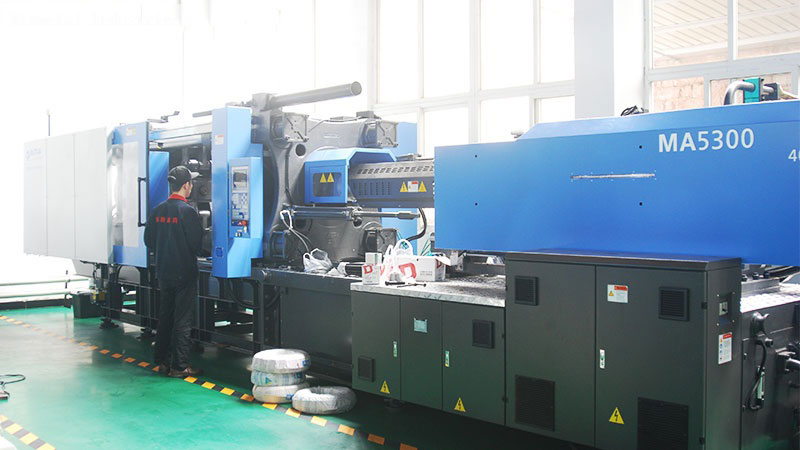
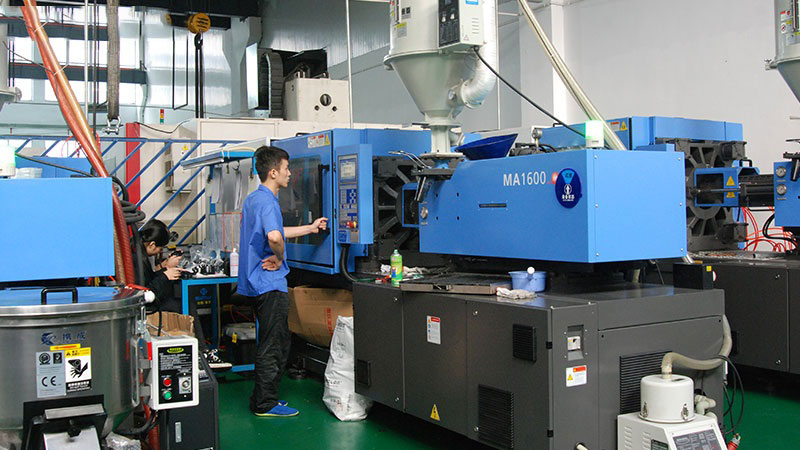
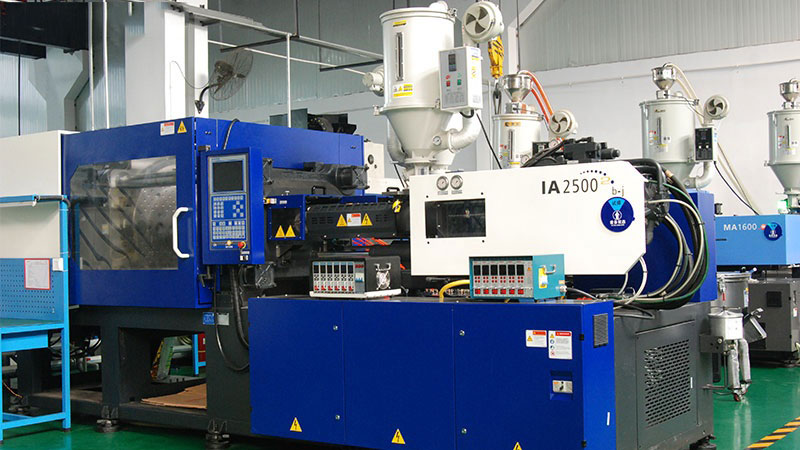
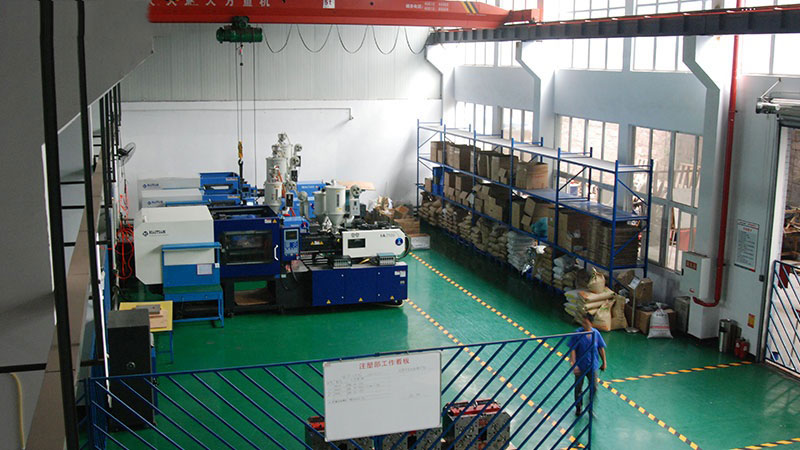
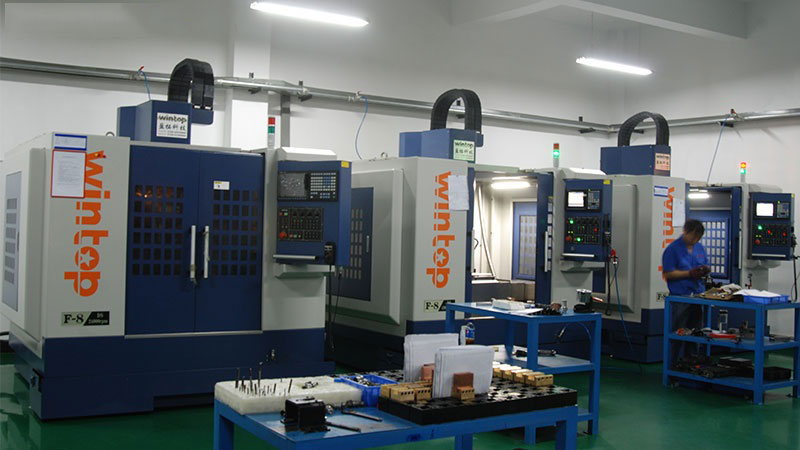
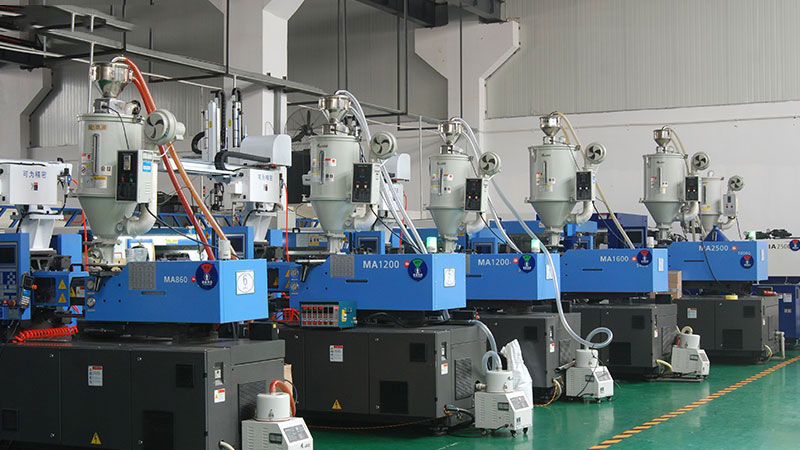
The cornerstone of a successful project is thorough supplier verification. In 2026, due diligence goes far beyond checking a company website. Start by verifying business licenses and export credentials. Utilize video calls to conduct virtual factory tours; a reputable injection mold manufacturer will readily showcase their workshop, machinery (look for modern CNC, EDM, and CMM equipment), and ongoing projects. Request detailed case studies that match your industry and mold complexity. Crucially, engage in deep technical discussions early. Present your part design or CAD model and assess their engineering team’s feedback on material selection, gate placement, cooling channel design, and draft angles. Their questions and suggestions at this stage are a powerful indicator of their expertise and proactive approach to problem-solving, which is far more valuable than a low initial quote.
Once a potential partner is identified, mastering the procurement and communication protocol is essential. A professional Request for Quotation (RFQ) package is your most powerful tool. This should include a detailed 3D part file (STEP or IGS), 2D drawings with critical tolerances clearly marked, desired material (e.g., POM, ABS, PP), expected annual volumes, and target cycle time. Specify all deliverables: not just the final mold, but also design reviews, mold flow analysis reports, T1 sample reports, and inspection data. During negotiations, focus on total value, not just piece price. Clarify terms for design changes, payment milestones (e.g., 30% deposit, 40% after T1 sample approval, 30% before shipment), and intellectual property protection in a formal contract. Consistent, clear communication through structured channels like email for technical approvals and WeChat or Teams for daily updates is vital to keep the project aligned.
Implementing a robust quality control framework from the start is non-negotiable. Agree on a Quality Inspection Plan before work begins. This plan should mandate staged inspections: a pre-production meeting to review mold design and flow analysis, in-process photos of core/cavity machining, and a First Article Inspection (FAI) on the T1 samples. For critical components, consider engaging a local third-party inspection agency in the factory’s region for an impartial Pre-Shipment Inspection (PSI). The sample approval process is your final gate. Test the T1 samples not just for dimensions (verified against a provided CMM report) but also for form, fit, and function in real-world conditions. Document any required adjustments meticulously and ensure all changes are confirmed before authorizing mass production. This proactive stance on quality control prevents costly rework and delays after the mold has been shipped.
The final phase involves planning for the long-term lifecycle of your mold. Discuss and agree upon post-sales support terms upfront. A reliable supplier will provide comprehensive documentation, including final as-built drawings, maintenance manuals, and a list of spare components. Understand their policy on mold warranty—typically covering workmanship and materials for one year—and their process for handling repair requests or modifications for future product iterations. Establish clear protocols for storage of mold assets if you choose to leave the tooling with the manufacturer for production runs. Building this partnership mindset transforms a transactional supplier into a strategic extension of your manufacturing capability, ensuring that when you buy injection mold, it is an investment that delivers value for years to come.
Successfully importing an injection mold from China in 2026 demands a blend of rigorous vetting, precise communication, and proactive quality management. By systematically applying the principles of supplier verification, detailed procurement, staged quality control, and lifecycle planning, you significantly mitigate risk and position your project for success. The goal is to move beyond being just an overseas buyer to becoming an informed partner. This professional approach enables you to leverage the immense technical skill and competitive advantage offered by top-tier China mold factories, turning the complex process of international mold procurement into a reliable and rewarding cornerstone of your supply chain strategy.
Work With Us
As a professional China mold manufacturer, we provide one-stop mold solution for overseas buyers.
📞 Phone: +86-18605944639
💬 WhatsApp: +8618605944639
🌐 Website: bestmoldworks.com
📧 Email: [email protected]